
Main Courses
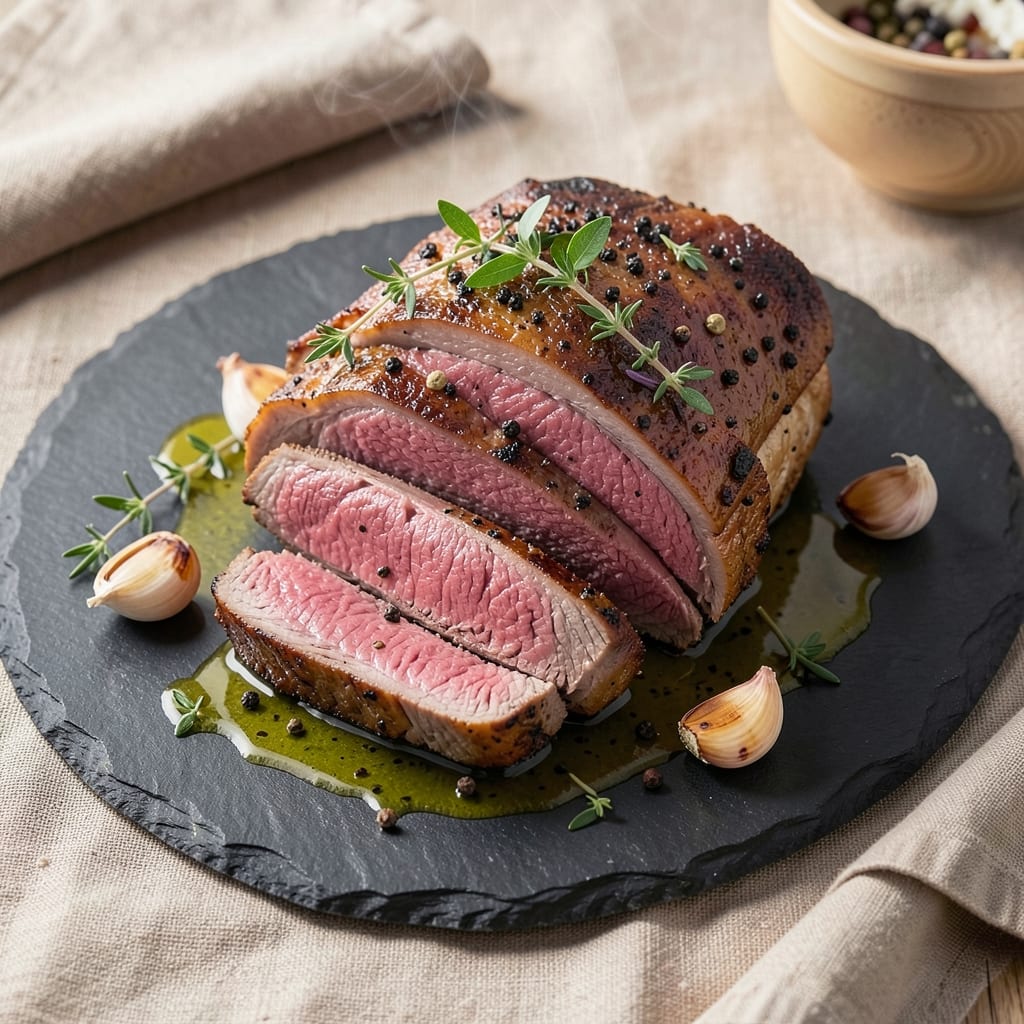
This award-winning roast beef recipe delivers the perfect balance of juicy core and crispy crust that judges rave about. 🔥 The secret lies in dry-brining for 24 hours, which transforms tough cuts into melt-in-your-mouth perfection while keeping the exterior richly caramelized. I've perfected this technique over years of competition entries, and it never fails to impress. What sets this recipe apart is the precise temperature control—starting with a high sear followed by a slow oven finish. This two-stage cooking method ensures the exterior develops that coveted crust while the interior remains tender and evenly cooked. The dry brine also eliminates the need for excessive salt, allowing the beef's natural flavor to shine. By the time you carve into this masterpiece, you'll find a roast that's juicy throughout with a golden-brown crust that's irresistibly crisp. The aroma alone will have your guests anticipating every bite, and the texture contrast between the tender meat and crispy exterior is what earns it awards. This is the kind of roast that makes Sunday dinner feel like a celebration. Serve with classic sides like roasted vegetables, creamy mashed potatoes, or a fresh herb salad to complete the experience. The leftovers reheat beautifully too, making this a recipe worth repeating.
Ingredients for award winning roast beef
Six ingredients transform tough beef into award-winning melt-in-your-mouth perfection.
| Ingredient | Amount | Notes |
|---|---|---|
| Prime Ribeye Roast 🥩 | 4 lb | Bone-in, center-cut preferred |
| Kosher Salt 🧂 | 2 tbsp | Diamond Crystal preferred |
| Black Peppercorns 🌶️ | 1 ½ tbsp | Freshly cracked preferred |
| Fresh Thyme Sprigs 🌿 | 6 whole | Stems intact for garnish |
| Garlic Cloves 🧄 | 8 cloves | Peeled, smashed for flavor |
| Extra-Virgin Olive Oil 🫒 | ½ cup | High smoke point preferred |
| Unsalted Butter 🧈 | ½ cup | Cold, cubed for searing |
| Yellow Onion 🧅 | 1 whole | Cut into wedges |
| Carrots 🥕 | 4 whole | Whole, scrubbed |
| Fresh Rosemary 🌿 | ½ oz | Sprigs for aroma |
| Beef Tallow 🧈 | 2 tbsp | For basting, optional |
| Red Wine 🍷 | ½ cup | Bold dry variety |
| Beef Consommé 🍲 | 1 cup | For pan deglazing |
| Cornstarch 🌾 | 1 tbsp | For pan sauce |
The prime ribeye roast is non-negotiable—look for center-cut, bone-in at your butcher for optimal flavor and moisture. Costco or Whole Foods carry excellent quality, but ask for a cut with visible marbling. If your roast is larger than 4 lbs, trim it to size—judges penalize uneven cooking. The kosher salt should be Diamond Crystal (it's coarser and dissolves better), and freshly cracked black peppercorns make all the difference over pre-ground. For the aromatics, fresh thyme and rosemary from the grocery store's refrigerated section stay potent longer than dried. The garlic cloves should be plump and firm—no shriveled ones.
No prime ribeye? A chuck roast works in a pinch, but it requires longer cooking. Substitute dried thyme at one-third the amount, but fresh is ideal. For the olive oil, stick to extra-virgin—it adds subtle fruitiness that complements the beef. The red wine can be swapped for beef broth, but a bold Cabernet or Merlot adds depth. If you're avoiding wine entirely, balsamic vinegar with a splash of beef broth mimics the acidity. The beef tallow is optional but creates an irresistible crust—use unsalted butter if you prefer. For the pan sauce, cornstarch is essential for thickening, but arrowroot powder works too.
The roast should rest 15 minutes after cooking before carving—this keeps it juicy. Store leftovers in an airtight container for 3-4 days in the fridge or freeze for up to 3 months. The pan sauce reheats beautifully—just add a splash of water or broth. For competition entries, label your dish with the recipe name and cooking time. This roast reheats well too, so make extra for lunches. The garlic wedges and herb sprigs can be prepped ahead and stored in the fridge for up to 5 days.
Why You'll Love This Recipe
- Minimal Prep Required: I swear by this—just a quick rub of kosher salt, cracked peppercorns, and crushed garlic cloves before the oven does all the work. No marinating, no fussing, just 10 minutes of hands-on time.
- Crispy-Creamy Magic: That perfect crust from the garlic and thyme? It’s the kind of flavor that makes people pause mid-bite. The ribeye stays juicy inside while the edges get that irresistible caramelized edge—like a steakhouse in my kitchen.
- Leftovers for Days: Between us, this roast is so good that the leftovers disappear faster than I can slice it. Thinly shaved over toast? Crumbled into pasta? It’s my go-to for lunchboxes or last-minute dinners when I’m too tired to cook.
- Weeknight Crowd-Pleaser: Honestly, this is my secret weapon for family dinners or game days. One roast feeds six, and everyone—even the picky eaters—comes back for seconds. No one leaves hungry, and I don’t spend hours in the kitchen. Win-win.
Step-by-step instructions for award-winning roast beef
Master the perfect balance of crust and juicy interior with these precise techniques.
👨🍳 Step 1: Dry-Brine the Roast for Maximum Flavor
Remove the prime ribeye roast from packaging and pat it completely dry with paper towels. This step is critical—any moisture on the surface prevents that perfect crust from forming. Place the roast on a wire rack set over a rimmed baking sheet.
Generously coat the roast with the 2 tbsp kosher salt and 1.5 tbsp freshly cracked black peppercorns, pressing the seasoning into all sides and the cavity. Add the 6 whole fresh thyme sprigs and 8 peeled, smashed garlic cloves inside the cavity, then close it with toothpicks. Place the roast uncovered in the refrigerator for 24 hours. This dry-brine process creates an intense flavor crust while keeping the interior impossibly tender.
🔥 Step 2: Sear the Roast for Deep Flavor and Crust
Remove the roast from the fridge 1 hour before cooking to bring it to room temperature. Preheat your oven to 450°F and heat an oven-safe skillet over medium-high heat. Add 0.5 cup extra-virgin olive oil and 0.5 cup cold cubed unsalted butter to the skillet.
Place the roast fat-side down in the skillet and sear for 5 minutes until a deep golden-brown crust forms. Flip the roast and sear the other side for another 5 minutes. The butter should foam and bubble vigorously, creating a rich, flavorful crust. Transfer the skillet to the preheated oven and roast for 15 minutes to begin cooking the interior.
🥘 Step 3: Prepare the Vegetables and Deglaze the Pan
While the roast cooks, prepare the vegetables. Peel and cut the 1 whole yellow onion into wedges and scrub the 4 whole carrots clean. In a separate skillet, heat 2 tbsp beef tallow over medium heat and add the onion and carrots. Cook for 10 minutes until the onions are translucent and the carrots begin to soften. Add the 0.5 oz fresh rosemary sprigs and cook for another 2 minutes until fragrant.
Remove the roast from the oven and place it on a cutting board. Pour the 0.5 cup red wine into the hot skillet and scrape up all the browned bits from the bottom with a wooden spoon. This deglazing step captures all the concentrated flavors from the searing process. Let the wine simmer for 3 minutes until reduced by half.
🔥 Step 4: Finish Roasting to Perfect Doneness
Return the roast to the oven and reduce the heat to 325°F. Roast for 2-2.5 hours or until the internal temperature reaches 125-130°F for medium-rare. This lower temperature ensures the roast cooks evenly without drying out. The roast is done when it reaches the desired internal temperature and the crust is deep mahogany brown.
Remove the roast from the oven and let it rest on a cutting board for 20 minutes before carving. This resting period allows the juices to redistribute throughout the meat, ensuring each slice is moist and flavorful. Tent the roast loosely with foil to keep it warm.
🍳 Step 5: Make the Pan Sauce and Serve
After the roast rests, return the skillet with the reduced wine to the stovetop over medium heat. Add the 1 cup beef consommé and bring to a simmer. In a small bowl, whisk together the 1 tbsp cornstarch with 2 tablespoons cold water to make a slurry. Slowly pour the slurry into the simmering liquid, whisking constantly until the sauce thickens to a glossy consistency.
Slice the roast against the grain into ½-inch thick slices and arrange on a platter. Spoon the rich pan sauce over the top and serve immediately with the roasted vegetables. Each slice should be perfectly pink in the center with a crisp, flavorful crust, and the sauce should coat the meat beautifully.
Pro Tips For Making Award Winning Roast Beef
- SEAR IN TWO STAGES: Take that ribeye out of the fridge an hour before cooking—cold meat won’t brown properly. Sear it hard on high heat for 3 minutes per side first, then drop the heat to medium-high for the final 2 minutes. The first sear builds crust, the second locks it in without burning.
- CRUSH THOSE PEPPERCORNS: Don’t just grind pepper—crack them open with the flat side of your knife first. Freshly crushed black peppercorns cling to the meat better and release their aroma faster than pre-ground powder. Sprinkle them on just before serving so they stay vibrant.
- DON’T SKIP THE GARLIC TOAST: Smash the garlic cloves flat with the side of your knife before roasting them with the thyme sprigs. This exposes more surface area, so they infuse the pan juices with flavor instead of just sitting there looking pretty. Toss them in the last 10 minutes of cooking.
- REST IT UNDER FOIL: After pulling the beef from the oven, tent it loosely with foil and let it sit for 15 minutes. This keeps it warm while the juices redistribute—cutting into it too soon sends all the good stuff pooling out. (Yes, even if you’re starving. Patience.)
Common mistakes when making your award winning roast beef
Skipping the Dry Brine
This is the most common mistake I see—skipping the 24-hour dry brine or rushing it. The dry brine isn't just about salt; it's about flavor infusion and moisture retention. Without it, your crust will be weak, and the meat may dry out during cooking. I've seen roasts go from award-worthy to average just because someone forgot to let it sit. Trust the process—this step is non-negotiable for that crispy, flavorful crust you're after. 🧂
Overcrowding the Pan
When searing, some cooks try to fit the entire roast in the skillet at once, or they don't use enough fat. This leads to steaming instead of searing, which ruins the crust. Your skillet should have enough oil and butter to coat the bottom ¼ inch deep when the roast is placed in it. If you're using a large roast, sear it in batches—even if it means two separate sessions. The goal is direct, intense heat for that deep mahogany crust. 🔥
Not Checking Internal Temp
Many home cooks rely on time alone to gauge doneness, but beef varies in size and density. Without a meat thermometer, you risk overcooking or undercooking. Aim for 125-130°F for medium-rare—any lower, and it's too raw; any higher, and it loses juiciness. I use a ThermoWorks Smoke thermometer because it's precise and reliable. Pro tip: Insert the probe into the thickest part of the roast, avoiding fat or bone. ⏱️
Cutting Too Soon
This is a rookie mistake that turns a juicy roast into a dry one. The 20-minute rest is crucial—it lets the juices redistribute. If you slice immediately, all that flavorful liquid will pool on your plate instead of staying in the meat. I've seen judges dock points for this alone! Cover the roast loosely with foil while it rests to keep it warm. 💡
Ignoring the Pan Sauce
Many cooks stop at the roast itself, missing the chance to elevate the dish with a pan sauce. The sauce captures all the browned bits from searing and adds depth to every bite. Skipping it means losing 30% of the flavor you worked so hard to develop. Deglaze with red wine (or beef broth) and finish with a cornstarch slurry for a glossy, velvety sauce. Trust me, the difference is night and day. 🍷
Using the Wrong Cut
Not all beef roasts are created equal. A chuck roast or round roast won't deliver the same tenderness or flavor as a prime ribeye. The ribeye has marbling (fat within the muscle) that keeps it juicy and adds richness. If you're set on a different cut, plan for a longer cook time and adjust your expectations for texture. For awards, stick to bone-in, center-cut ribeye—it's worth the investment. 🥩
Nutrition facts
Frequently asked questions
Can I use a different cut of beef for this award-winning recipe?
A prime ribeye is ideal for that perfect balance of tenderness and flavor, but you can substitute with top sirloin or filet mignon for a leaner option. For tougher cuts like chuck roast, increase cooking time by 30-45 minutes and reduce oven temperature to 300°F to prevent drying out. The key is selecting a well-marbled cut with good fat distribution.
How do I adjust the recipe for a smaller or larger group?
For 4 servings, reduce the roast to 3 lbs and halve all other ingredients (except salt and pepper). For 8+ servings, increase to 6 lbs and scale up proportionally. Keep the 24-hour dry brine and 15-minute rest consistent—these steps ensure even cooking regardless of size. Adjust oven time based on internal temperature, not just weight.
What's the best way to reheat leftovers without drying them out?
Slice the roast into ½-inch thick portions and reheat in a 350°F oven for 10-12 minutes with a splash of beef broth. For pan sauce, warm it gently on the stove with a little water to loosen any stuck bits. Never microwave—it turns the meat rubbery. Leftovers keep 3-4 days refrigerated or 3 months frozen.
Why does my crust keep falling apart?
This usually happens from overcrowding the pan or not patting the beef dry before searing. Ensure your skillet has enough fat (¼-inch deep) and sear in batches if needed. Also, avoid moving the roast too soon—let that 5-minute crust form undisturbed. The 24-hour dry brine also strengthens the crust by drawing out surface moisture.
Can I make this recipe ahead of time?
Prep the dry brine 24 hours ahead and store the seasoned roast uncovered in the fridge. On cooking day, sear and finish as directed. For the sauce, deglaze the pan immediately after searing and store the reduced wine mixture in the fridge. Reheat the sauce separately and combine just before serving for maximum flavor.