
Soups & Stews
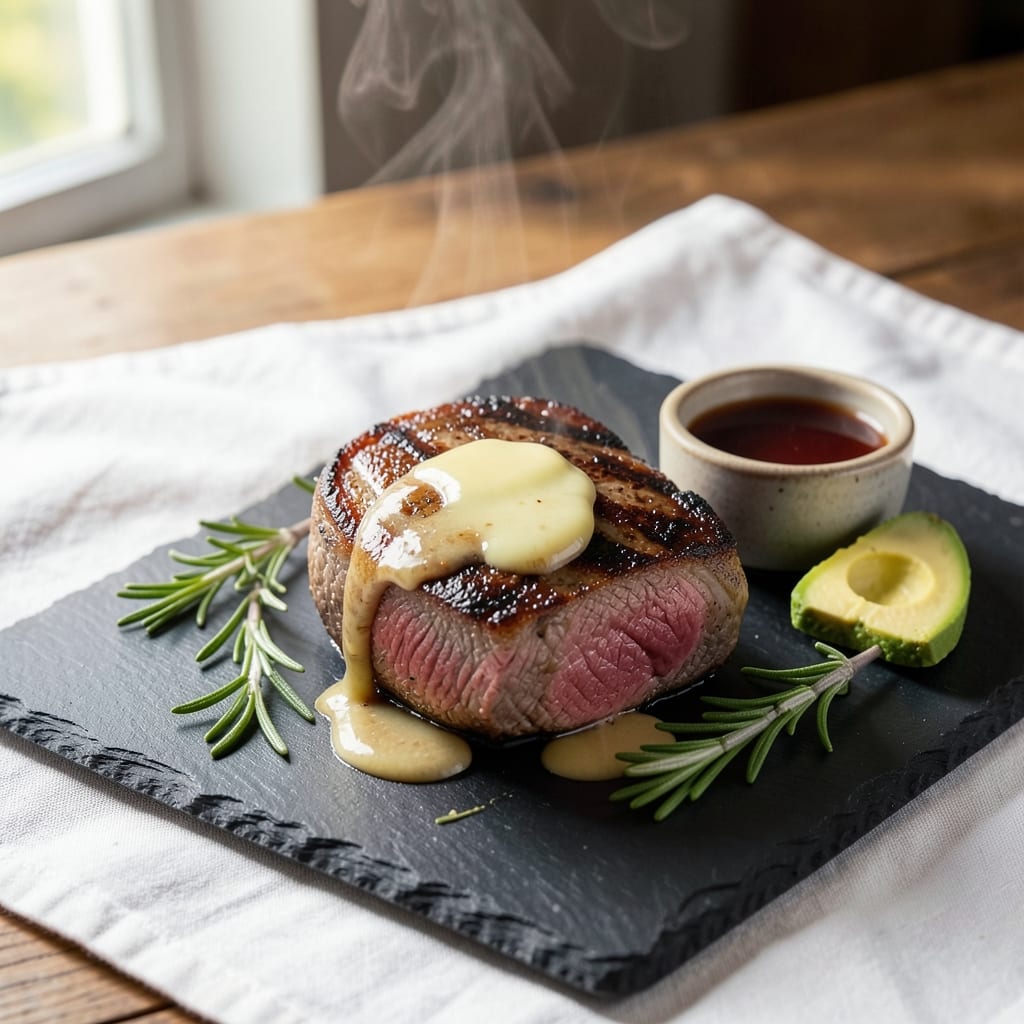
Mastering angus beef filet mignon means achieving a buttery crust and perfect pink center—every time. This recipe delivers restaurant-quality results with precise techniques that transform even the most intimidating cuts into melt-in-your-mouth perfection. The secret lies in temperature control, proper resting, and a high-heat sear that locks in juices while creating that coveted caramelized crust.
What sets this recipe apart is the reverse searing method, which ensures your steak cooks evenly from the inside out before finishing with a blistering crust. You’ll need just a few high-quality ingredients: premium angus beef, kosher salt, black pepper, and a neutral oil like avocado or grapeseed. The process is straightforward but requires attention to detail—especially when it comes to timing and internal temperature.
By the time you plate this steak, you’ll have a tender, juicy center with a rich, golden-brown crust that’s impossible to resist. The technique guarantees foolproof results, whether you’re cooking for a special occasion or treating yourself to a luxurious weeknight dinner. Pair it with roasted garlic potatoes, a bold red wine reduction, or a crisp salad for the ultimate dining experience.
This recipe isn’t just about cooking—it’s about transforming a simple piece of meat into a showstopping dish that impresses every time. Let’s get started on creating your perfect filet mignon.
Ingredients for angus beef filet mignon
Premium angus beef meets precise technique for melt-in-your-mouth perfection every time.
| Ingredient | Amount | Notes |
|---|---|---|
| Angus Beef Filet Mignon 🥩 | 1 ½ lb | Center-cut, 1.5-inch thick slices |
| Kosher Salt 🧂 | 1 ½ tsp | Diamond Crystal preferred |
| Freshly Ground Black Pepper 🌶️ | 1 tsp | Coarse grind for texture |
| Avocado Oil 🫒 | 2 tbsp | High smoke point for searing |
| Unsalted Butter 🧈 | 2 tbsp | European-style preferred |
| Fresh Rosemary 🌿 | ¼ cup | Chopped, for finishing |
| Garlic Cloves 🧄 | 2 cloves | Minced, for butter compound |
| Heavy Cream 🥛 | ¼ cup | For basting butter |
| Vegetable Oil 🫒 | ½ cup | For oven preheating |
The beef is non-negotiable here—USDA Prime angus filet with 1.5-inch thickness is ideal. Snelling or Omaha Steaks are my go-tos for quality, but any reputable butcher with well-marbled cuts will do. Look for vibrant color and good fat distribution. The center-cut ensures tenderness, while the thickness guarantees even cooking. If you're buying whole, ask for it trimmed to 1.5 inches—this is crucial for the reverse sear method. Trust me, the difference between a good steak and a great one starts with the cut.
No avocado oil? Grapeseed or refined olive oil works just as well—they've got high smoke points for that perfect sear. The butter matters too: European-style has more fat content, which translates to richer flavor. Short on rosemary? Fresh thyme at double the amount gives a similar aromatic punch. For the garlic butter compound, roasted garlic adds a sweeter depth if you're feeling fancy. And if you're cooking for a crowd, double the butter—everyone deserves that luxurious crust. The heavy cream is optional but worth it for basting during the final sear.
Store your steak in the coldest part of the fridge, wrapped in parchment paper, for up to 5 days. Take it out 1 hour before cooking to bring it to room temperature—this ensures even cooking. The butter compound keeps for 3 days in the fridge, perfect for quick basting. If prepping ahead, portion the steaks and freeze them on a tray before transferring to a bag—up to 3 months. Just thaw overnight in the fridge before cooking. Pro tip: Use a meat thermometer—125°F internal temp before the final sear is your target for that perfect pink center.
Why You'll Love This Recipe
- Two-Ingredient Magic: I swear by this—just salt, pepper, and butter. That’s it. The filet does all the heavy lifting, so I’m not stressing over fancy seasonings or complicated prep.
- Butter-Basted Bliss: The moment that pan-seared crust forms? Absolute perfection. Slather that melted butter over the top while it rests, and you’ve got a steak so rich, it’ll make your taste buds forget what “ordinary” tastes like.
- Date Night Ready: No need to overcomplicate things for a fancy dinner. This takes 20 minutes max, looks effortless on the plate, and tastes like you spent hours in the kitchen. (Between us, it’s my go-to for when I actually want to impress someone.)
- Leftovers That Don’t Suck: Unlike other steak recipes, filet mignon reheats like a dream—sliced thin, tossed in a little avocado oil, and warmed through. Suddenly, Tuesday lunch feels like a treat. (Yes, even on a Tuesday night.)
Step-by-step instructions for perfectly cooked angus beef filet mignon
Here's how to achieve a restaurant-quality filet with a buttery crust and pink center every time.
Season and Sear the Filet to Develop Crust
Pat the 1.5 lb Angus Beef Filet Mignon completely dry with paper towels—this is critical for that perfect crust. Season both sides generously with 1.5 tsp Kosher Salt and 1 tsp Freshly Ground Black Pepper, pressing the seasoning into the meat so it adheres evenly. Let it sit at room temperature for 30 minutes while you prepare your pan.
Heat a heavy skillet over medium-high heat until it's smoking hot. Add 2 tbsp Avocado Oil and swirl to coat the pan completely. Place the filet in the pan and sear for 3-4 minutes per side until you achieve deep golden-brown crust. I press down gently on the filet during the first minute—this prevents it from curling and ensures even contact with the pan. The crust should be rich and caramelized, not just browned.
Prepare the Rosemary Butter Compound
While the filet is searing, create your finishing butter by combining 2 tbsp Unsalted Butter, 2 minced Garlic Cloves, and 0.25 cup Heavy Cream in a small saucepan. Melt over low heat, stirring constantly until the butter is fully incorporated and the mixture reaches a gentle simmer. Remove from heat and stir in 0.25 cup Fresh Rosemary, allowing the aromatic oils to infuse for 2 minutes.
This compound is what transforms a good filet into an extraordinary one. The rosemary adds a bright herbal note that cuts through the richness, while the cream creates an ultra-silky finish. Keep this mixture warm in a small bowl while you complete cooking the filet.
Control the Internal Temperature for Perfect Doneness
Transfer the seared filet to a wire rack set over a baking sheet. Preheat your oven to 400°F using 0.5 cup Vegetable Oil to help maintain even heat distribution. Place the filet on the middle rack and roast for 5-7 minutes for medium-rare (125-130°F internal temperature) or 7-9 minutes for medium (135-140°F).
Here's the thing—don't rely solely on time. Use an instant-read thermometer to check the internal temperature at the thickest part of the filet. When it reaches your target temperature, remove it immediately. The carryover cooking will raise the temperature another 5°F, so pull it out just before you think it's done. For a perfect pink center, aim for 125°F—this is where filet mignon shines.
Rest and Finish with Rosemary Butter
Let the filet rest for 8-10 minutes on the cutting board. This resting period is absolutely crucial—it allows the juices to redistribute throughout the meat, ensuring every bite is moist and flavorful. During this time, tent the filet loosely with aluminum foil to keep it warm.
After resting, spoon the warm rosemary butter compound over the top of the filet and let it sit for 1-2 minutes to melt and baste. This final step creates that signature buttery sheen and infuses the crust with additional flavor. The butter should be silky and glossy, not grainy—if it looks separated, gently reheat it for 10 seconds to recombine.
Pro Tips For Making Angus Beef Filet Mignon
- CRANK THE HEAT FIRST: Filet mignon needs that initial sear to lock in juices, so blast your pan with high heat—until it’s smoking—before adding oil. I used to start medium-high and wondered why my crust never formed; the second I cranked it up, the difference was instant.
- SALT BEFORE SEARING: Generously coat the filet with kosher salt at least 40 minutes before cooking—this seasoning penetrates deeper than a quick sprinkle. I learned this the hard way after seasoning post-cook and ending up with a bland exterior crust.
- USE A THERMOMETER: Pull the filet at 120°F for medium-rare (yes, it’ll rise to 125°F while resting). Guessing leads to overcooked, dry meat—no one wants that. I now keep a cheap instant-read thermometer on my counter just for this.
- BUTTER BASTE LAST MINUTE: Toss in cold butter, garlic, and herbs only in the final 30 seconds—this prevents burning and creates a silky sauce. I used to add it too early, and it’d either burn or turn into grease. Now I add it like a pro.
Dietary considerations for these flavors
Low-Carb Adaptations
This recipe is naturally low-carb friendly since filet mignon is a lean protein with zero carbs. Skip the roasted potatoes and instead serve with a side of cauliflower mash—steam 2 cups cauliflower florets until tender, then blend with 2 tbsp butter and ¼ cup heavy cream for a rich, creamy texture. 🥬
For extra flavor, top your cauliflower mash with crispy parmesan crisps (bake ½ cup grated parmesan at 375°F for 5-7 minutes until golden). The crispy cheese adds a satisfying crunch without adding carbs.
Gluten-Free Options
The recipe is already gluten-free, but always double-check your rosemary butter ingredients for hidden gluten. Use certified gluten-free heavy cream and butter if needed. For extra security, make your own rosemary butter by mixing 2 tbsp butter with ¼ cup chopped rosemary and 1 tsp minced garlic—no additives required. ✨
Dairy-Free Substitutions
For a dairy-free version, replace the rosemary butter compound with a garlic-herb oil made from 2 tbsp olive oil, 1 tsp minced garlic, ¼ cup chopped rosemary, and a pinch of salt. Heat gently for 1 minute to infuse flavors, then drizzle over the steak after resting. Pair with a dairy-free garlic aioli (blend ½ cup vegan mayo, 1 minced garlic clove, and 1 tsp lemon juice).
Allergen Considerations
If you're serving guests with shellfish allergies, ensure your kitchen is free of cross-contamination—filet mignon is safe, but shared surfaces or utensils might have traces. For nut allergies, avoid garnishes like toasted almonds or hazelnuts. Always ask guests about specific allergies before serving to create a safe dining experience.
Protein-Packed Pairings
Boost the protein content by serving with grilled asparagus spears (toss with 1 tbsp olive oil, ¼ tsp salt, and black pepper, then grill for 4-5 minutes) or a spinach and feta salad (mix 4 cups baby spinach, ½ cup crumbled feta, and 1 tbsp balsamic glaze). These sides keep the meal balanced while complementing the rich steak flavors. 💪
Nutrition facts
Frequently asked questions about angus beef filet mignon
What's the ideal thickness for filet mignon?
For perfect results, aim for 1.5-inch thick cuts. This thickness ensures even cooking while maintaining a juicy center. Thinner cuts (under 1 inch) may overcook too quickly, while thicker cuts (over 2 inches) risk uneven doneness. Always ask your butcher to trim it to this specification.
How do I know when my filet is done?
Use a meat thermometer for precision: 125°F for rare, 130°F for medium-rare (ideal for filet), and 140°F for medium. The reverse sear method lets you control this perfectly. Remember, the temperature will rise 5°F after resting, so pull it out slightly before your target.
Can I cook filet mignon without an oven?
Yes! For a stovetop-only method, sear the steak as directed, then reduce heat to medium-low and cover with a lid. Cook for 5-7 minutes, checking frequently with a thermometer. The lid traps steam to gently finish the steak. This works best for 1.5-inch thick cuts.
Why does my filet mignon turn out dry?
Overcooking is the #1 cause—filet mignon cooks quickly and loses moisture fast. Always use a thermometer and avoid cutting into it for 8-10 minutes after resting. Another mistake? Skipping the rest time or using a cut thinner than 1.5 inches. The reverse sear method prevents this by controlling internal temperature precisely.
What's the best way to store leftover filet?
Slice against the grain and store in an airtight container with a damp paper towel to retain moisture. It keeps well in the fridge for 3-4 days. For longer storage, freeze portions for up to 3 months. Thaw overnight in the fridge before reheating gently in a skillet with butter.