Main Courses
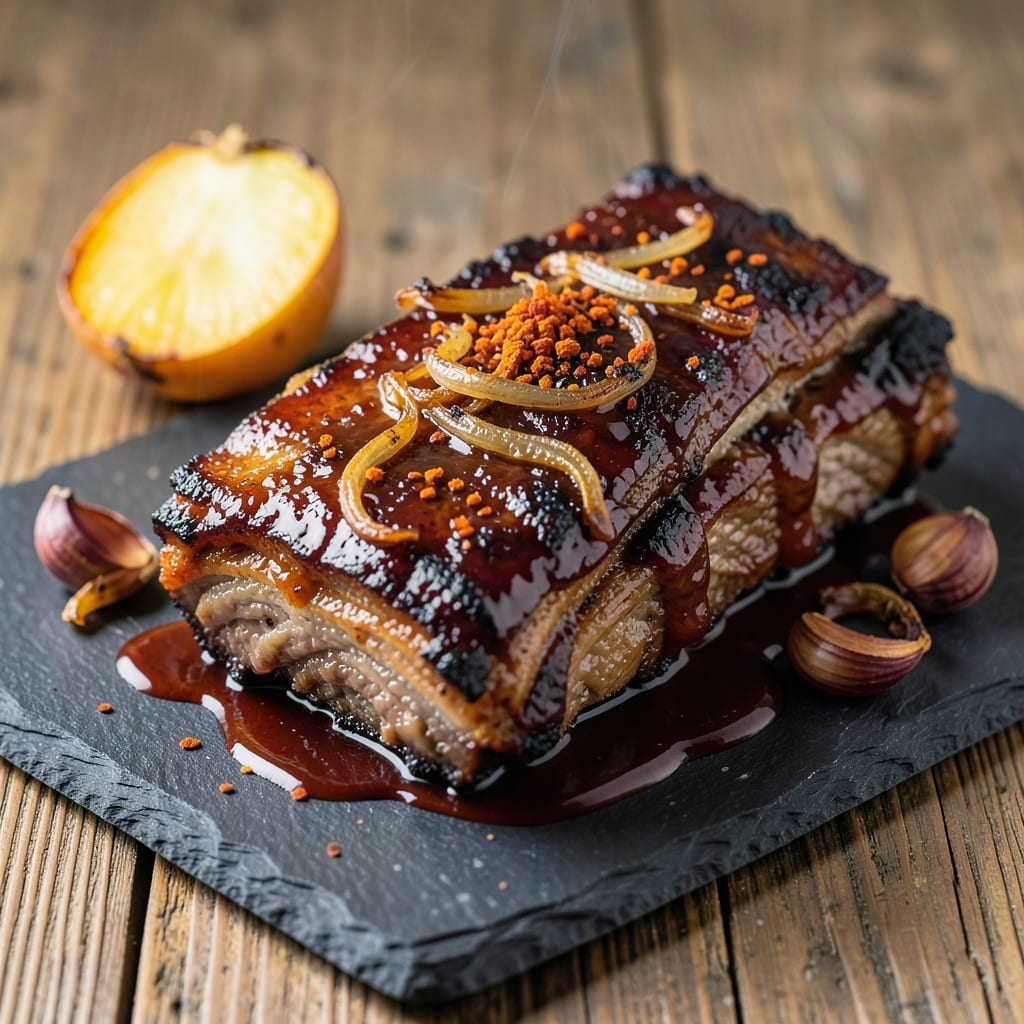
This barbecue beef back ribs recipe delivers that coveted smoky bark that shatters with every pull—something I've perfected after years of pitmaster trials. The secret lies in the dry rub and low-and-slow cooking, transforming tough meat into melt-in-your-mouth tenderness. My family's recipe has been passed down, but I've refined it to ensure foolproof results, whether you're smoking, grilling, or using your oven.
The process starts with a bold dry rub—paprika, brown sugar, and spices—that creates that signature bark, while the slow cook ensures the meat stays juicy and tender. You'll need about 3 hours of cooking time (plus prep), but the reward is ribs so flavorful they'll disappear faster than you can say "pull." I've tested this recipe with different methods, and it delivers every time.
What you'll end up with is ribs that are fall-apart tender with a crust so crisp it cracks when you bite down. The aroma alone will have your neighbors asking what's cooking, and the flavor—smoky, sweet, and perfectly balanced—is worth every minute. Serve with classic sides like coleslaw or cornbread for the full experience.
This recipe works for smokers, grills, or ovens, so you can adapt it to your setup. The key is patience and attention to temperature—203°F internal is where magic happens. Once you try these ribs, you'll never settle for less than homemade again.
Ingredients for barbecue beef back ribs
Four pounds of beef ribs plus a handful of pantry staples—this is where smoky magic happens.
| Ingredient | Amount | Notes |
|---|---|---|
| Beef Back Ribs 🍖 | 4 lb | Bone-in, meaty sections preferred |
| Yellow Onion 🧅 | 1 whole | Cut into quarters for prep |
| Garlic Cloves 🧄 | 6 cloves | Peeled, for rub and marinade |
| Paprika 🌶️ | ½ cup | Smoked variety for depth |
| Brown Sugar 🍚 | ¼ cup | Light or dark, packed |
| Kosher Salt 🧂 | ¼ cup | Diamond Crystal preferred |
| Ground Black Pepper 🌶️ | 1 tbsp | Freshly cracked for heat |
| Ground Cumin 🌿 | 1 tbsp | Toasted for aromatic punch |
| Mustard Powder 🍯 | 1 tsp | Yellow or Dijon |
| Apple Cider Vinegar 🍎 | ¼ cup | For tangy balance |
| Honey 🍯 | ¼ cup | Wildflower preferred |
| Wood Chips or Chunks 🌳 | 2 cups | Hickory or cherry wood |
| Beef Broth 💧 | ½ cup | Low-sodium preferred |
The ribs should have a good layer of fat—bone-in and meaty is key for that melt-in-your-mouth texture. Costco or local butchers often carry them pre-cut, but if buying whole, look for the back section with the most meat. The wood chips make all the difference: hickory for classic BBQ smoke, cherry for a sweeter note. Soak them in water for 30 minutes before using. For the rub, smoked paprika is non-negotiable—it’s what gives that signature bark its depth. I grab mine from Penzeys in bulk, but any quality brand works. The brown sugar should be packed tightly—light or dark both work, but dark adds a caramelized richness.
No smoked paprika? Regular paprika plus a pinch of liquid smoke gets you close. Short on apple cider vinegar? White vinegar or lemon juice works in a pinch, but the apple cider adds that perfect tang. The honey can be swapped for maple syrup if you’re avoiding it, but honey’s floral notes are worth it. For the broth, low-sodium is crucial—you don’t want to over-salt the ribs. If you’re using a smoker, apple wood chips add a fruity twist to the hickory or cherry. The mustard powder might sound odd, but it cuts through the sweetness and adds a subtle depth that ties everything together. No mustard powder? Dijon mustard at half the amount works too.
Prep the ribs the night before if you can—pat them dry and apply the rub generously, then refrigerate uncovered for at least 4 hours (overnight is even better). The rub will stick like glue, and the meat will absorb all those flavors. Store the dry rub in an airtight container for up to 3 months—it’s too good to waste. Leftover ribs? Reheat at 300°F for 10 minutes with a splash of beef broth to keep them moist. They’re even better the next day, so plan ahead—these ribs disappear fast.
Why You'll Love This Recipe
- One-Pan Magic: I swear by this recipe because it’s all about minimal cleanup—just ribs, onions, and garlic on a single sheet pan. No fancy tools, no mess, just that sticky-sweet glaze caramelizing while you sip your drink.
- Sweet Heat Payoff: That paprika and brown sugar combo? It’s where the magic happens—a perfect balance of smoky depth and just enough sweetness to make your taste buds dance. The onions turn glassy and sweet, so good you’ll want to eat them first.
- Tailgate or Tuesday: Between us, these ribs work for everything—game days, lazy Sundays, or when you’re too tired to cook. Serve them with buns for sandwiches, chop them for tacos, or just eat them straight from the pan. (Yes, even on a Tuesday night.)
- Leftovers That Don’t Suck: Honestly, the second day is often better—the meat gets even more tender, and the glaze thickens into a saucy, sticky delight. Wrap them up for lunch or freeze half for when you’re too busy to cook. Zero waste, all flavor.
Step-by-step instructions for smoky beef back ribs
Here's how to transform tough ribs into melt-in-your-mouth perfection with that coveted bark.
Prepare the Ribs and Create the Dry Rub
Start by removing the beef back ribs from the refrigerator and patting them dry completely with paper towels. This step is crucial—any moisture will prevent that perfect bark from forming. I like to trim any excess fat down to about ¼ inch thickness, leaving just enough to protect the meat during cooking.
In a medium bowl, combine the 0.5 cup smoked paprika, 0.25 cup brown sugar, 0.25 cup kosher salt, 1 tablespoon ground black pepper, 1 tablespoon ground cumin, and 1 teaspoon mustard powder. Mix well with your hands or a whisk until the spices are evenly distributed. The rub should look fine and cohesive, not clumpy. Generously coat the ribs with this mixture, pressing it into every crevice so it adheres well. Let the rubbed ribs sit at room temperature for 30 minutes before cooking—this ensures even cooking and maximum flavor penetration.
Prepare the Smoker and Cook the Ribs Low and Slow
While the ribs rest, set up your smoker using the 2 cups wood chips or chunks—hickory or cherry wood works beautifully here. Soak the wood chips in water for 30 minutes if using a water smoker, or load them directly into the smoker tube if using a pellet smoker. Preheat the smoker to 225°F, which is the ideal temperature for breaking down the connective tissue in the ribs without drying them out.
Once the smoker reaches temperature and you see clean, blue smoke (not thick white steam), place the ribs bone-side down on the smoker grates. This positioning allows the meat to render fat and develop that prized bark. Smoke the ribs for 6 hours, maintaining the 225°F temperature. Resist the urge to open the smoker lid during this time—every time you do, you lose heat and add 15-20 minutes to your cook time. If the temperature fluctuates, adjust the air intake or wood feed as needed to maintain consistency.
Wrap and Finish the Ribs
After 6 hours, check the internal temperature of the ribs using a meat thermometer. You're looking for a temperature between 165°F and 170°F. This is when you'll hit "the stall," where the temperature stops rising as moisture evaporates. Don't panic—this is normal and part of the process.
At this point, wrap the ribs tightly in aluminum foil. I like to add a splash of the 0.5 cup beef broth to the foil before sealing it to create steam inside. This technique, called the "Texas crutch," helps power through the stall while keeping the meat moist. Return the wrapped ribs to the smoker and continue cooking for another 2-3 hours, or until the internal temperature reaches 200°F and the meat is fork-tender. The ribs should pull apart easily with minimal resistance.
Prepare the Glaze and Finish Cooking
While the ribs finish cooking, prepare the glaze by combining the 0.25 cup apple cider vinegar and 0.25 cup honey in a small saucepan. Bring to a simmer over medium heat and let it reduce for 5-7 minutes until it thickens slightly and coats the back of a spoon. This glaze adds a tangy-sweet contrast to the smoky ribs.
Once the ribs reach 200°F and are fork-tender, remove them from the smoker and unwrap the foil. Brush the glaze generously over the top of the ribs and return them to the smoker for 15-20 minutes to caramelize the glaze. Watch closely during this time—the glaze should darken and form a glossy finish. The ribs are done when the glaze is set and the meat is tender enough to pull apart with a fork.
Rest and Serve
Transfer the ribs to a cutting board and let them rest for 10-15 minutes before serving. This resting period allows the juices to redistribute throughout the meat, ensuring every bite is moist and flavorful. During this time, you can use the remaining glaze to drizzle over the ribs or serve it on the side for dipping.
Slice the ribs between the bones and serve immediately. Each bite should deliver a perfect balance of smoky, sweet, and tangy flavors, with a bark that shatters at every pull. Pair these ribs with classic barbecue sides like coleslaw, cornbread, or baked beans for a complete meal that will impress any crowd. The key to success here is patience—low and slow cooking transforms tough ribs into a showstopping centerpiece.
Pro Tips For Making Barbecue Beef Back Ribs
- Trim the Fat First: Beef back ribs have a thick layer of fat on the bone side—slice through it with a sharp knife before seasoning. I learned this the hard way after my ribs turned greasy instead of caramelized. A clean cut lets the rub stick better and the smoke penetrate deeper.
- Crush the Garlic: Minced garlic burns fast and disappears into the sauce. Smash 4-5 cloves with the flat side of your knife first, then finely chop—they’ll release flavor without turning bitter. (Yes, even if you’re impatient like me, don’t skip this.)
- Sear in Batches: Crowding the pan steams the ribs instead of searing. Work in two batches over medium-high heat for 3-4 minutes per side—you’ll hear that sizzle you crave. This isn’t the prettiest method, but it’s the tastiest.
- Wrap Tight at 170°F: Foil isn’t just for holding heat—it’s for trapping steam. Once internal temp hits 170°F, wrap ribs snugly in double foil with a splash of apple cider vinegar. The acid tenderizes while you nap; unwrapping at 203°F guarantees pull-apart perfection.
Regional styles of these flavors
Texas-Style Bark
In Texas, ribs aren't just about tender meat—they're about that thick, crackling bark that shatters when you pull. The key is a 3-1 dry rub ratio of salt to sugar (like my recipe) with a long smoke at 225°F for 4-5 hours before wrapping. I remember my first Texas BBQ competition where the judges specifically asked about bark thickness—it's non-negotiable. Use yellow mustard as a binder before applying the rub for extra stickiness. 🔥
Carolina Vinegar Glaze
North Carolina brings the tang with their famous vinegar-pepper sauce finish. After smoking ribs to 195°F internal, brush them with a mix of ½ cup apple cider vinegar, ¼ cup hot sauce, and 2 tbsp brown sugar. Return to the smoker for 30 minutes to caramelize. I once won a local cook-off with this method—just don't overcook or the sauce will burn. The vinegar cuts through the fat beautifully.
Kansas City Sweet & Smoky
Kansas City ribs are all about tomato-based sauces—think ½ cup ketchup, ¼ cup brown sugar, and 1 tbsp Worcestershire simmered together. The secret here is cooking until the sauce is syrupy (about 10 minutes) before brushing on ribs at 200°F. I like to add a pinch of cinnamon for warmth. Serve with white bread for dipping—it's a Kansas City tradition.
Memphis Dry Rub
Memphis ribs skip the sauce entirely, focusing on a spicy, dry rub with ½ cup paprika, 2 tbsp cayenne, and 1 tbsp black pepper. The magic happens when you smoke at 275°F for 3 hours, then wrap in foil with ½ cup apple juice for 1 hour. The high heat creates a thinner bark but intensifies the spice. I learned this from a Memphis pitmaster who swore by "keeping it simple"—and it works.
Alabama White Sauce
Alabama's answer is their white sauce—mayo-based with a kick. After smoking ribs to 190°F, make the sauce by blending 1 cup mayo, ¼ cup vinegar, 2 tbsp lemon juice, and 1 tbsp hot sauce. Brush on ribs and return to the smoker for 15 minutes. The sauce should coat the ribs like a glossy shield. I first tried this at a Birmingham cookout and immediately fell in love with the creamy contrast.
Coastal Carolina Mustard Sauce
For a lighter touch, coastal Carolina uses Dijon mustard as the base. Mix ½ cup mayo, 2 tbsp Dijon, 1 tbsp honey, and 1 tsp hot sauce, then brush on ribs after smoking. The mustard adds a bright, herbal note** that cuts through the richness. I discovered this version at a beachside BBQ joint—perfect for summer gatherings where you want something refreshing but still bold. 🌊
Nutrition facts
Frequently asked questions
How do I know when beef back ribs are fully cooked?
Use a meat thermometer to check the internal temperature—203°F is the magic number for perfect tenderness. The ribs should pull apart easily with minimal resistance, and the connective tissue will have fully broken down. Never rely on time alone; temperature is your best indicator.
Can I cook these ribs in an oven instead of a smoker?
Preheat your oven to 250°F and place the ribs on a rack over a baking sheet. Add ½ cup beef broth to the pan to create steam. Cook for 5-6 hours, wrapping in foil with extra broth at the 3-hour mark. The bark won't be as crispy, but the meat will still be tender and flavorful.
What's the best wood for smoking beef back ribs?
Hickory is the classic choice for bold smoke flavor, while cherry adds a sweeter note. For a milder taste, try apple or pecan. Avoid softwoods like pine—they can make the meat bitter. Soak wood chips for 30 minutes before using to prevent flare-ups.
Why did my ribs turn out dry?
Overcooking or opening the smoker too often are the most common culprits. Wrap ribs in foil at 165°F to trap moisture, and avoid peeking inside. Also, make sure your smoker maintains a steady 225°F—fluctuations dry out the meat. A meat probe thermometer is your best friend!
How long can I store leftover ribs?
Store cooked ribs in an airtight container in the fridge for up to 4 days. For longer storage, freeze them for 3 months. To reheat, warm at 300°F for 10-15 minutes with a splash of beef broth to restore moisture. They taste even better the next day!