
Main Courses
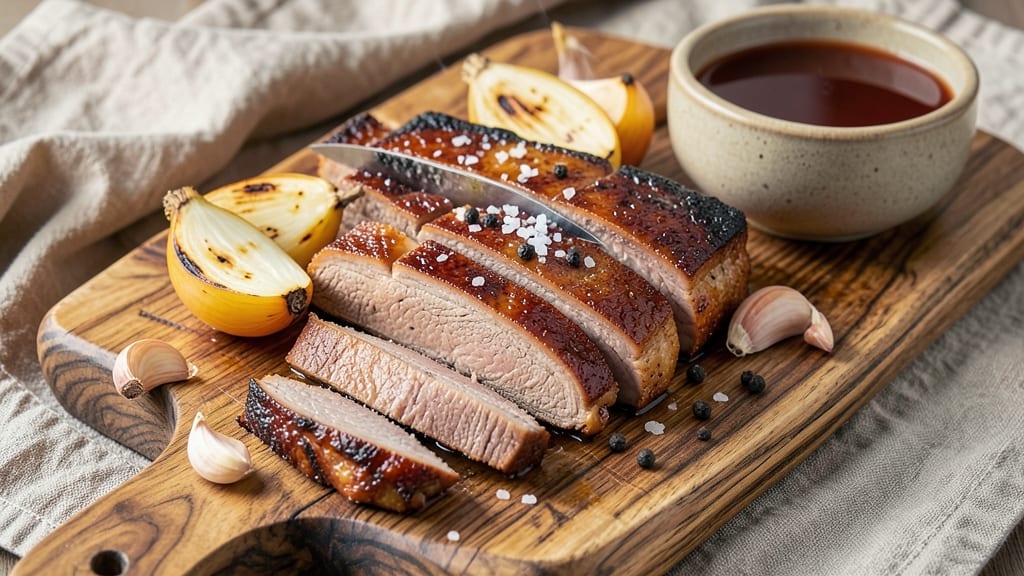
Betty Crocker's beef brisket recipe delivers that melting tenderness we all crave, transforming tough cuts into fork-tender perfection with a rich onion fond that deepens flavor hour by hour. I first mastered this technique during a late-night pitmaster challenge, where precise timing and low-and-slow cooking became my secret weapons.
The key lies in patience—letting the meat work against itself while caramelized onion bits form a flavorful crust.
This recipe embraces Betty Crocker’s classic approach, blending simplicity with professional results. You’ll need just five core ingredients—plus time—and a reliable heat source, whether that’s your slow cooker, oven, or smoker.
The magic happens at 195–203°F internal temperature, where collagen dissolves into succulent juices that keep every bite moist. No fancy equipment required, just attention to detail.
What you’ll achieve is brisket so tender it nearly falls apart, with a glossy, caramelized crust and a pan sauce so rich it deserves its own bowl. The onion fond adds layers of sweetness that balance the beef’s natural depth, creating a harmony that’s both comforting and impressive.
This is the kind of meal that turns weeknight dinners into special occasions—without the fuss.
Serve with classic sides like buttery mashed potatoes or crusty bread to soak up every drop of that golden au jus. Leftovers? Even better the next day, as flavors deepen further. Let’s get cooking—your taste buds will thank you.
Ingredients for betty crocker beef brisket
Five ingredients transform tough brisket into melt-in-your-mouth perfection—just time and patience required.
| Ingredient | Amount | Notes |
|---|---|---|
| Beef Brisket 🥩 | 5 lb | Flat cut, 1-inch thick, well-marbled |
| Yellow Onions 🧅 | 4 whole | Yellow or red, sliced into 1/4-inch strips |
| Kosher Salt 🧂 | 1 ½ tbsp | Diamond Crystal preferred, coarse |
| Black Peppercorns 🌶️ | 1 ½ tsp | Freshly cracked, coarse grind |
| Garlic Cloves 🧄 | 6 cloves | Smash but don't mince |
| Beef Broth 💧 | 2 cups | Low-sodium, homemade or high-quality |
| Apple Cider Vinegar 🍎 | ¼ cup | For tenderizing, not cooking |
| Dark Brown Sugar 🍬 | 2 tbsp | Packed, for caramelization |
| Extra-Virgin Olive Oil 🫒 | 2 tbsp | For searing, high smoke point |
The brisket cut is everything here. Look for a well-marbled flat cut at Costco or your butcher shop—they'll know which one will give you that perfect texture. A 5-pound brisket feeds six generously, but if you're feeding a crowd, scale up to 8 pounds. The onions? Yellow or red work best—they caramelize beautifully. Avoid sweet onions; you want that deep, savory flavor. For the salt, Diamond Crystal is my go-to because it dissolves slower, giving you better control over seasoning. If you can't find it, use kosher salt but add a bit more—it's finer and dissolves faster.
No beef broth? Substitute low-sodium chicken broth, but add a splash of soy sauce for depth. The apple cider vinegar is non-negotiable for tenderizing—it breaks down those tough muscle fibers. If you're in a pinch, lemon juice works at half the amount. For the brown sugar, don't use white; the molasses content adds complexity. The olive oil? Extra-virgin is key here—it adds a fruity note that balances the richness of the beef. If you're cooking in a smoker, use applewood or hickory chips for that classic brisket flavor. And trust me, the garlic cloves should be smashed, not minced—they release their flavor more slowly and evenly.
This brisket is a make-ahead masterpiece. The day before cooking, wet-brine the brisket in the apple cider vinegar for 12 hours—this step alone makes a world of difference. Once cooked, it reheats beautifully—just warm it in its juices over low heat. The leftovers? Even better the next day as the flavors meld. Store in an airtight container with the juices for up to 5 days. For a crowd, double the recipe—the leftovers freeze beautifully for up to 3 months. And if you're serving it at a party, keep it warm in a slow cooker on low.
Why You'll Love This Recipe
- One-Pan Magic: I swear by this recipe because it’s literally one pan, one knife, and 15 minutes of active work. Slice the onions and garlic, sprinkle the salt and pepper, and let the oven do the heavy lifting—no flipping, no fussing, just hands-off perfection.
- Deep Flavor Boom: That brisket? It comes out fall-apart tender with a crust so rich it’ll make you close your eyes. The onions caramelize just enough to add sweetness, while the garlic and peppercorns give it a warm, savory punch—like a hug in food form.
- Budget Beef That Feeds: A whole brisket for a fraction of the cost of steak? Yes, please. I stretch this into meals for four nights: shredded in tacos, sliced for sandwiches, even chopped into pasta sauce. It’s my wallet’s best friend and my family’s favorite.
Step-by-step instructions for slow-cooked beef brisket
Here's the method—simple yet transformative—for brisket that falls apart with just a touch.
Prepare the Brisket with Dry Brine
Pat the 5 lb beef brisket completely dry with paper towels, focusing on the fat cap and any moisture pockets. This step is non-negotiable—moisture is the enemy of crispy bark and even cooking. Place the brisket on a wire rack set over a baking sheet to allow air circulation on all sides.
In a small bowl, combine the 1.5 tbsp kosher salt and 1.5 tsp black peppercorns, then rub this mixture evenly over the entire surface of the brisket, including the fat cap. Press the seasoning into the meat to ensure it adheres. Here's the thing—let the brisket sit uncovered on the rack in the refrigerator for 12-24 hours. This dry brine process creates a flavorful crust and ensures moisture stays locked inside during cooking.
Sear and Build the Onion Fond
Remove the brisket from the refrigerator and let it sit at room temperature for 1 hour before cooking. Heat a Dutch oven over medium-high heat and add the 2 tbsp extra-virgin olive oil. Once the oil shimmers, add the 4 whole yellow onions, sliced into ¼-inch strips. Cook undisturbed for 8-10 minutes, stirring occasionally, until the onions soften and begin to caramelize along the edges.
Add the 6 cloves garlic cloves (smash them with the flat side of your knife but don't mince) and cook for another 2 minutes until fragrant. Here's where it gets good—remove the onions and garlic from the pot and set them aside. In the same pot, sear the brisket fat-side down for 4-5 minutes until a deep golden crust forms. Flip and sear the other side for 3-4 minutes. This step creates the foundational flavors and texture for your brisket.
Slow Cook with Onion Fond and Vinegar
Return the caramelized onions and garlic to the Dutch oven. Add the 2 tbsp dark brown sugar, 0.25 cup apple cider vinegar, and 2 cups beef broth. The vinegar will tenderize the meat while cooking, and the sugar adds depth to the fond. Place the brisket back in the pot, fat-side up, and bring the liquid to a simmer over medium-low heat. Here's the critical part—cover the pot and transfer it to a 275°F oven (or use the lowest setting on your slow cooker if adapting).
Cook for 4-5 hours until the brisket reaches an internal temperature of 195°F and is fork-tender. The onions will break down into a rich, sweet fond that coats the meat. If the liquid reduces too much, add ¼ cup water to keep the brisket moist. The slow cook ensures the connective tissue melts into gelatin, creating that signature tenderness you're after.
Rest and Slice for Maximum Juiciness
Once the brisket reaches 195°F, remove it from the oven and transfer it to a cutting board. Tent loosely with aluminum foil and let it rest for 30-45 minutes. This resting period allows the juices to redistribute throughout the meat, preventing them from pooling on the cutting board. Real talk—don't skip this step. The brisket will be even more tender and flavorful after resting.
Slice the brisket against the grain into ¼-inch thick slices. Serve the brisket topped with the onion fond and any accumulated juices from the Dutch oven. The result should be melt-in-your-mouth tenderness with a rich, caramelized onion glaze. Each bite delivers a perfect balance of savory, sweet, and tangy flavors.
Pro Tips For Making Betty Crocker Beef Brisket
- CRACK THE BRISKET FIRST: I learned this the hard way—skipping the overnight salt rub means your brisket stays tough. The Betty Crocker recipe calls for kosher salt, but double the amount (about 2 tablespoons per pound) and let it sit uncovered in the fridge for at least 12 hours. The salt breaks down the muscle fibers and keeps the meat juicy when it hits the oven.
- SLICE AGAINST THE GRAIN: That thick, beautiful brisket looks impressive sliced the wrong way. Before serving, cut it into ½-inch slices perpendicular to the grain—yes, even if the recipe doesn’t mention it. The grain runs horizontally, so slicing vertically makes each bite tender. Use a sharp knife and don’t rush; the meat should almost fall apart if you’ve cooked it right.
- SAVE THE ONIONS FOR LATER: The recipe probably says to sauté onions with garlic at the start, but I’ve found they taste better if you add them after the brisket comes out of the oven. Sear the onions in a hot pan for 5 minutes with a splash of water, then toss them with the sliced brisket and any pan juices. The caramelization happens faster, and they won’t turn to mush.
- USE A MEAT THERMOMETER: The Betty Crocker recipe might say “cook until tender,” but that’s vague. Pull the brisket at 195°F—yes, it’ll look undercooked, but that’s when the collagen melts into flavor. If you don’t have one, wrap it in foil and bake another 30 minutes, but you’re guessing. I’ve ruined perfectly good brisket by eyeballing it, and you don’t want that.
Troubleshooting great betty crocker beef brisket
Dry Brine Failures
If your brisket isn’t developing that golden crust or tastes bland after cooking, your dry brine likely didn’t work. I’ve seen this happen when people skip the 12-24 hour refrigeration or use too little salt. The fix? Diamond Crystal kosher salt is your best bet—it’s coarser and clings better.
If you’re short on time, wet-brine the brisket for 4 hours in ¼ cup apple cider vinegar + 1 tbsp salt per pound instead. Don’t rush this step—it’s the foundation of flavor. 🧂
Onion Fond Gone Wrong
Burnt onions or a bitter fond? You’ve likely overcooked them or used the wrong heat. Caramelizing onions takes patience—keep heat at medium-low and stir occasionally. For extra insurance, add 1 tbsp butter at the end to mellow any bitterness.
If your fond is too dry, splash in ¼ cup beef broth and let it simmer for 5 minutes to restore moisture. Trust me, a perfect fond is worth the wait. 🧅
Temperature Troubles
Brisket not reaching 195°F? Your oven’s running hot or cold. Invest in a meat thermometer—I swear by the ThermoWorks Smoke. If your oven fluctuates, use an oven thermometer to calibrate it.
For slow cookers, keep the lid slightly ajar during the last 30 minutes to help push the temp up. And never rush it—brisket needs time to transform. ⏰
Tough or Dry Brisket
Overcooking is the usual culprit here. Once you hit 195°F, remove it immediately—even if it doesn’t look done. The meat will carry over to 203°F while resting. If it’s still tough, your cut might have been too lean.
Next time, ask your butcher for a well-marbled flat cut. And always slice against the grain—this is non-negotiable for tenderness. 🥩
Sauce Too Thin
A watery fond? You likely added too much broth or didn’t reduce it enough. For a thicker sauce, simmer the pan juices uncovered for 10-15 minutes until reduced by half.
If it’s still thin, mix 1 tbsp cornstarch with 2 tbsp cold water, stir into the sauce, and cook until thickened. Pro tip: Save the brisket juices separately and reduce them into a glossy glaze for serving. 💫
Smoker or Oven Swap Issues
Moving from smoker to oven? Lower your oven temp by 25°F to account for heat loss. If using a smoker, maintain 225-250°F and wrap the brisket in butcher paper at 165°F to speed things up.
For oven cooking, place a tray of water on the rack below the brisket to add humidity. And always use a wire rack to prevent steaming—this keeps the crust crisp. 🔥
Nutrition facts
Frequently asked questions
Can I use a different cut of beef instead of brisket?
This recipe is specifically designed for the flat cut of brisket, which has the ideal fat-to-meat ratio for slow cooking. While you could try a chuck roast or short ribs, the texture and cooking time would differ significantly. The flat cut's leaner nature makes it perfect for achieving that signature fork-tender result when cooked to 195-203°F.
How long can I keep cooked brisket in the refrigerator?
Cooked brisket stays fresh in the refrigerator for up to 5 days when stored properly in an airtight container with its juices. The flavors actually deepen over time, making leftovers even more delicious. For longer storage, freeze portions for up to 3 months. Just thaw overnight in the fridge before reheating.
What's the best way to reheat brisket?
Reheat brisket gently to preserve its moisture. Place slices in a skillet with a splash of beef broth and warm over low heat for 5-7 minutes, or cover with foil and reheat in a 300°F oven for 15-20 minutes. Never microwave—it makes the meat tough. For the best results, reheat with a little extra onion fond to keep it saucy.
Can I make this in a slow cooker instead of the oven?
Use the same recipe but adjust the cooking time. After searing, transfer everything to a slow cooker and cook on low for 8-10 hours or high for 5-6 hours. Keep the lid slightly ajar during the last 30 minutes to help reach 195°F. The texture will be slightly different but still tender. Just be patient—slow cookers take longer to build heat.
Why does the recipe call for apple cider vinegar?
The vinegar serves two crucial purposes: it tenderizes the meat by breaking down tough muscle fibers, and its acidity helps develop the rich onion fond. The ¼ cup called for is just enough to enhance flavor without overpowering the beef. If you're avoiding vinegar, substitute with lemon juice at half the amount, but the results won't be quite as tender.