
Main Courses
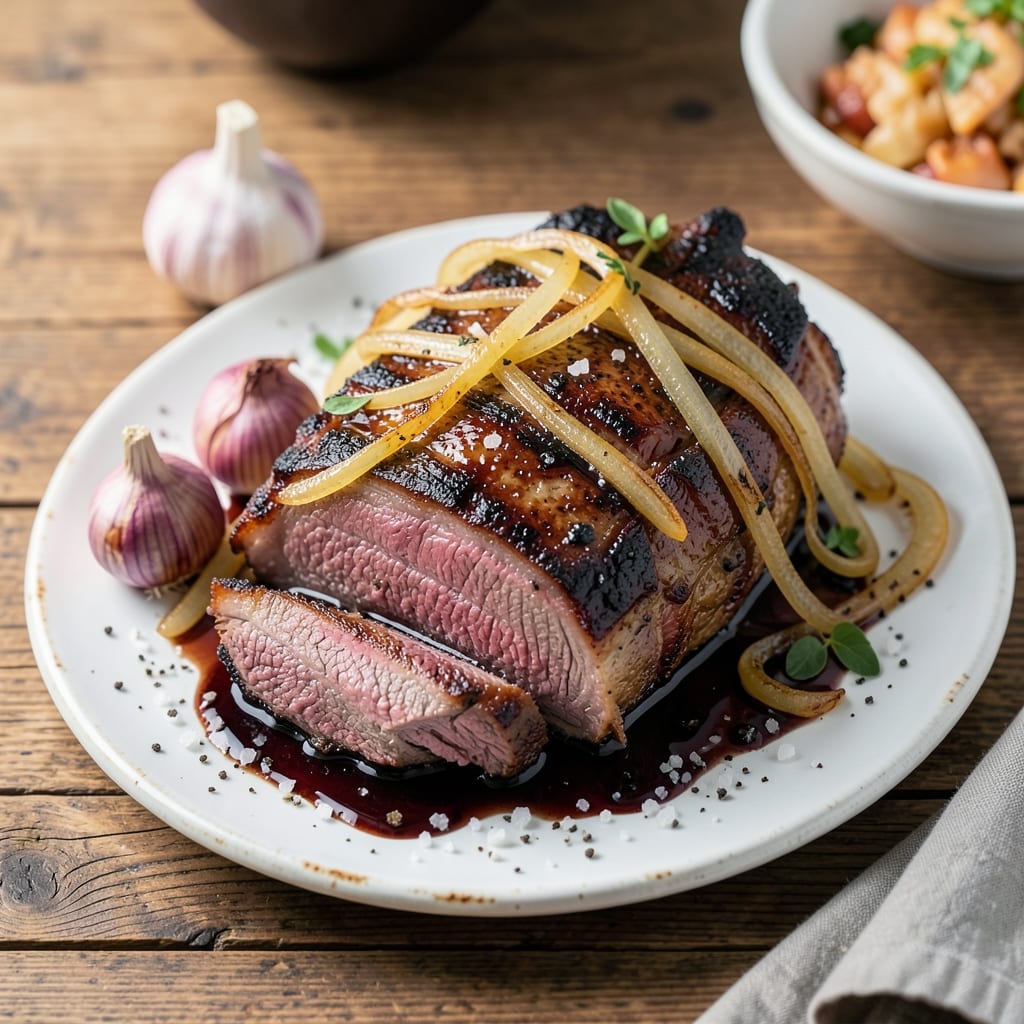
A 500-gram roast beef cooked to au jus-perfect tenderness transforms a simple cut into a showstopping centerpiece. The secret lies in precise searing, controlled oven temperatures, and patience—allowing the meat to rest before slicing ensures every bite is juicy and flavorful. This method delivers restaurant-quality results without requiring advanced techniques.
Start with a simple seasoning of salt, pepper, and garlic, then sear the beef in a hot pan to lock in juices before roasting. A basting technique with its own juices keeps the exterior crisp while the interior reaches medium-rare perfection (135°F internal temp). The one-pan approach means minimal cleanup, making this ideal for weeknight dinners or special occasions.
What you’ll achieve is a tender, caramelized roast with a rich, golden crust and a pan full of flavorful au jus for gravy. The resting period (10-15 minutes) is critical—it redistributes juices, ensuring no dryness. Serve with roasted potatoes, crusty bread, or a fresh salad to round out the meal.
This recipe is designed for foolproof results, whether you're cooking for two or preparing a portion for a larger gathering. The method scales easily, and the same principles apply to larger cuts—just adjust cooking times. Let’s get started on a dish that delivers restaurant-quality tenderness at home.
Ingredients for 500 roast beef
Restaurant-quality roast beef starts with these twelve essential ingredients for perfect tenderness.
| Ingredient | Amount | Notes |
|---|---|---|
| Beef Roast (Chuck or Ribeye) 🥩 | 1 lb | Center-cut for even cooking |
| Kosher Salt 🧂 | 1 ½ tsp | Diamond Crystal preferred |
| Freshly Ground Black Pepper 🌶️ | 1 tsp | Coarsely cracked |
| Garlic Cloves 🧄 | 4 cloves | Smashed, not minced |
| Extra-Virgin Olive Oil 🫒 | 2 tbsp | For searing |
| Yellow Onion 🧅 | 1 whole | Sliced into wedges |
| Carrots 🥕 | 2 medium | Whole, peeled, sliced |
| Celery Stalks 🌿 | 2 whole | Trimmed, chopped |
| Fresh Thyme Sprigs 🌿 | 2 whole | Leaves stripped |
| Beef Broth 💧 | 1 cup | Low-sodium preferred |
| Red Wine 🍷 | ½ cup | Dry, bold variety |
| All-Purpose Flour 🌾 | 1 tbsp | For thickening au jus |
The beef cut matters most—chuck roast delivers maximum tenderness while ribeye offers richer flavor. Look for well-marbled beef at your local butcher or specialty markets like Whole Foods or D'Agostino. If using pre-packaged, check for USDA Prime or Choice grade. The garlic should be freshly smashed for maximum aroma release, and thyme sprigs add depth without overpowering. For the au jus, dry red wine like Cabernet Sauvignon or Merlot works best—avoid sweet varieties that can overpower the beef's natural flavors.
No kosher salt? Diamond Crystal kosher salt is ideal, but Morton coarse salt at 1.25x the amount works in a pinch. Fresh thyme unavailable? Dried thyme at one-third the amount suffices. The carrots and celery can be swapped for parsnips or fennel for variation, though they'll alter the au jus slightly. Red wine substitute? Beef broth with 2 tbsp balsamic vinegar mimics the depth. The flour for thickening must be all-purpose or bread flour—cornstarch creates a gluey texture. For extra richness, add 1 tbsp cold butter at the end of cooking.
Beef should rest 15 minutes before slicing to retain juices. Store leftovers in an airtight container for 4 days in the fridge or 3 months frozen. The au jus can be reheated separately and keeps 5 days refrigerated. For meal prep, slice the beef and store in portions with a ladle of au jus—just reheat gently. The vegetables can be prepped ahead and refrigerated for 3 days before roasting.
Why You'll Love This Recipe
- Five-Ingredient Magic: I swear by this lineup—just beef, salt, pepper, garlic, and olive oil. That’s it. The simplicity means I never overthink it, and the results? Always reliable.
- Crispy-Garlicky Perfection: The garlic cloves roasted right on the beef? That’s where it gets good. The crust turns golden while the inside stays juicy—like a hug for your taste buds.
- Weeknight to Dinner Party: Same recipe, different vibes. Slap it on the table for a lazy Tuesday or impress guests with minimal fuss. The chuck roast keeps it budget-friendly, but it feels special.
- Leftovers That Don’t Suck: Between us, most roast beef leftovers are sad. Not this one. The meat stays tender, and I repurpose it into sandwiches, tacos, or even a quick stir-fry—no dry bites in sight.
Step-by-step instructions for 500-Gram roast beef with au jus
Master this technique and you'll achieve melt-in-your-mouth tenderness with a rich, velvety au jus every time.
Sear the Beef Roast for Maximum Flavor
Pat the 1 lb beef roast dry with paper towels—this ensures a proper sear. Heat a heavy Dutch oven over medium-high heat and add the 2 tbsp extra-virgin olive oil. Once shimmering, place the roast in the pan and sear for 3-4 minutes per side until deeply browned. Real talk: don't rush this step. Those caramelized crusts hold onto flavor during the long cook.
While the roast sears, prepare the vegetables: slice the 1 whole yellow onion into wedges, peel and slice the 2 medium carrots into rounds, and chop the 2 whole celery stalks into ½-inch pieces. Strip the leaves from the 2 whole fresh thyme sprigs. These aromatics will infuse the broth with depth as they cook.
Build the Flavor Base with Vegetables and Wine
Remove the seared roast and set it aside. In the same Dutch oven, add the prepared vegetables and cook for 5 minutes until they begin to soften. Add the 4 smashed garlic cloves and cook for another 30 seconds until fragrant. Here's the thing—don't let them burn. Burnt garlic tastes bitter and ruins the delicate balance of flavors.
Deglaze the pan with the 0.5 cup red wine, scraping up all those browned bits from the bottom. Let it simmer for 2-3 minutes until reduced by half. This step extracts maximum flavor from the pan. The wine's acidity also helps tenderize the meat as it cooks.
Braise for Perfect Tenderness
Return the roast to the Dutch oven. Add the 1 cup beef broth and bring to a gentle simmer. Cover and transfer to a preheated 300°F oven. Here's where patience pays off—braise for 2 to 2.5 hours until the meat is fork-tender and the internal temperature reaches 195°F. I check at the 2-hour mark because ovens vary.
The low heat breaks down collagen in the meat, transforming it into gelatin that makes each bite irresistibly tender. The vegetables will soften completely, absorbing all the rich flavors from the broth. If the liquid reduces too much before the meat is done, add a splash of water or broth to maintain moisture.
Thicken the Au Jus and Finish
Once the roast reaches 195°F, remove it from the oven and transfer it to a cutting board. Tent loosely with foil and let it rest for 15 minutes—this crucial step allows the juices to redistribute. While it rests, return the Dutch oven to the stovetop over medium heat.
Sprinkle the 1 tbsp all-purpose flour over the vegetables and stir to combine. Cook for 1-2 minutes until the flour is fully incorporated and the mixture thickens slightly. This creates a silky au jus that clings beautifully to each slice. Taste and adjust seasoning with the 1.5 tsp kosher salt and 1 tsp freshly ground black pepper as needed.
Slice and Serve with Au Jus
Slice the roast against the grain into ½-inch thick slices. The grain runs lengthwise through the roast—look for the natural muscle fibers to determine the correct angle. Arrange the slices on a warm platter and spoon the thickened au jus over the top. The vegetables can be served alongside or mixed into the sauce for a heartier presentation.
Each bite should deliver perfectly tender beef with a rich, velvety sauce that coats every strand. The vegetables add natural sweetness and texture contrast, while the thyme and garlic provide aromatic depth. Serve immediately while the meat is at its peak tenderness and the au jus is still warm.
Pro Tips For Making 500 Roast Beef
- Sear First, Roast Slow: Chuck loves a good head start—get that roast screaming hot in a dry skillet with olive oil for 3-4 minutes per side before moving it to the oven. I learned this the hard way: skipping the sear means a mealy crust and flavor that’s all oven, none of the pan. ---
- Salt Like It’s 1920: Kosher salt isn’t just for garnish—generously coat the roast at least 4 hours ahead (or overnight) so it seasons deep. My grandmother swore by this, and she was right: that first bite shouldn’t taste like a science experiment. ---
- Skip the Thermometer? Don’t.: Chuck hits 145°F internal for medium-rare, but ribeye needs 130°F—no guessing. I used to pull it "when it looks done," and ended up with overcooked edges or raw centers. A cheap probe changes everything. ---
- Crush Garlic, Don’t Slice: Whole cloves won’t infuse—smash them flat with the side of your knife first. Sounds weird, but it works: the surface area melts into the beef instead of turning to mush. (Yes, even if you’re impatient like me.)
Best sauces and condiments for this dish
Classic Red Wine Au Jus
The au jus you create with this recipe is already a showstopper—rich, velvety, and packed with beefy depth from the red wine reduction and beef broth. The 1 tbsp all-purpose flour at the end thickens it beautifully, creating a sauce that clings to every slice. For extra richness, finish with 1 tbsp cold butter stirred in during the last minute of heating. This classic pairing enhances the beef’s natural flavors without overpowering them. 🍷
Horse Radish Cream Sauce
For a bold, tangy twist, whip up a horseradish cream sauce by mixing ½ cup sour cream with 1 tbsp prepared horseradish, 1 tsp Dijon mustard, and a pinch of salt. Drizzle this over the sliced roast for a zesty kick that cuts through the richness. I like to add a splash of lemon juice to brighten the flavors. This sauce works especially well with ribeye roasts where you want a bit of heat to balance the fat. 🌶️
Mushroom Gravy
Transform the au jus into a luxe mushroom gravy by sautéing ½ cup sliced mushrooms (cremini or shiitake) in the same Dutch oven after removing the roast. Deglaze with 2 tbsp red wine, then whisk in 1 tbsp flour and 1 cup beef broth to create a silky, earthy sauce. Finish with a pat of butter for extra richness. This gravy adds an umami depth that pairs perfectly with roasted root vegetables like carrots and parsnips. 🍄
Béarnaise Sauce
For a refined touch, prepare a homemade béarnaise sauce using 2 tbsp butter, 1 tbsp white wine vinegar, 1 tsp Dijon mustard, and a pinch of tarragon. Simmer the vinegar and mustard, then whisk in melted butter gradually for a silky, tangy sauce. The herbaceous notes complement the beef’s richness, especially if you’ve used a ribeye roast. Garnish with a sprinkle of chopped chives for freshness. 🌿
Sweet Onion Jus
Swap out the red wine for ½ cup caramelized onion purée (blend 1 large onion cooked until soft) mixed with ½ cup beef broth. Simmer this with the au jus for a sweet, savory sauce that adds natural sweetness. This variation works beautifully with chuck roasts and pairs well with roasted potatoes or mashed sweet potatoes. The caramelized onions add a subtle sweetness that balances the beef’s savory notes. 🧅
Nutrition facts
Frequently asked questions
Can I use a different cut of beef for this recipe?
While the recipe calls for chuck or ribeye, you can also use sirloin or top round. The key is choosing a cut with good marbling for flavor. Chuck roast delivers the most tenderness due to its higher fat content, while ribeye offers richer flavor. For leaner cuts like sirloin, consider adding an extra 15 minutes to the braising time to ensure perfect tenderness.
How do I know when the beef is fully cooked?
Use a meat thermometer to check the internal temperature. For medium-rare, aim for 135°F (57°C), while medium is 145°F (63°C). The recipe calls for 195°F (90°C) for fork-tender results, which is ideal for braising. The meat will continue cooking slightly while resting, so remove it just before reaching your target temperature.
Can I make this recipe in a slow cooker?
Yes! Sear the beef as directed, then transfer it to a slow cooker with the vegetables, wine, and broth. Cook on low for 6-8 hours or high for 3-4 hours until tender. The slow cooker method is perfect for hands-off cooking, though the flavors may be slightly less concentrated than oven-braised. The au jus will still form, but you may need to thicken it more with flour or cornstarch.
What's the best way to reheat leftovers?
Slice the beef and store it separately from the au jus in an airtight container. To reheat, warm the slices in a skillet with a splash of au jus over medium-low heat for 2-3 minutes per side. Avoid microwaving as it can make the meat tough. The au jus can be reheated gently on the stove, stirring constantly to prevent scorching. Leftovers keep well for 4 days in the fridge.
Why did my roast turn out dry?
Dry beef usually happens when it's sliced too soon after cooking or overcooked. Always let the roast rest for 15 minutes before slicing to allow juices to redistribute. If you prefer a firmer texture, cook to 160°F (71°C) instead of 195°F. For extra moisture, baste the roast with its own juices every 30 minutes during cooking.