
Main Courses
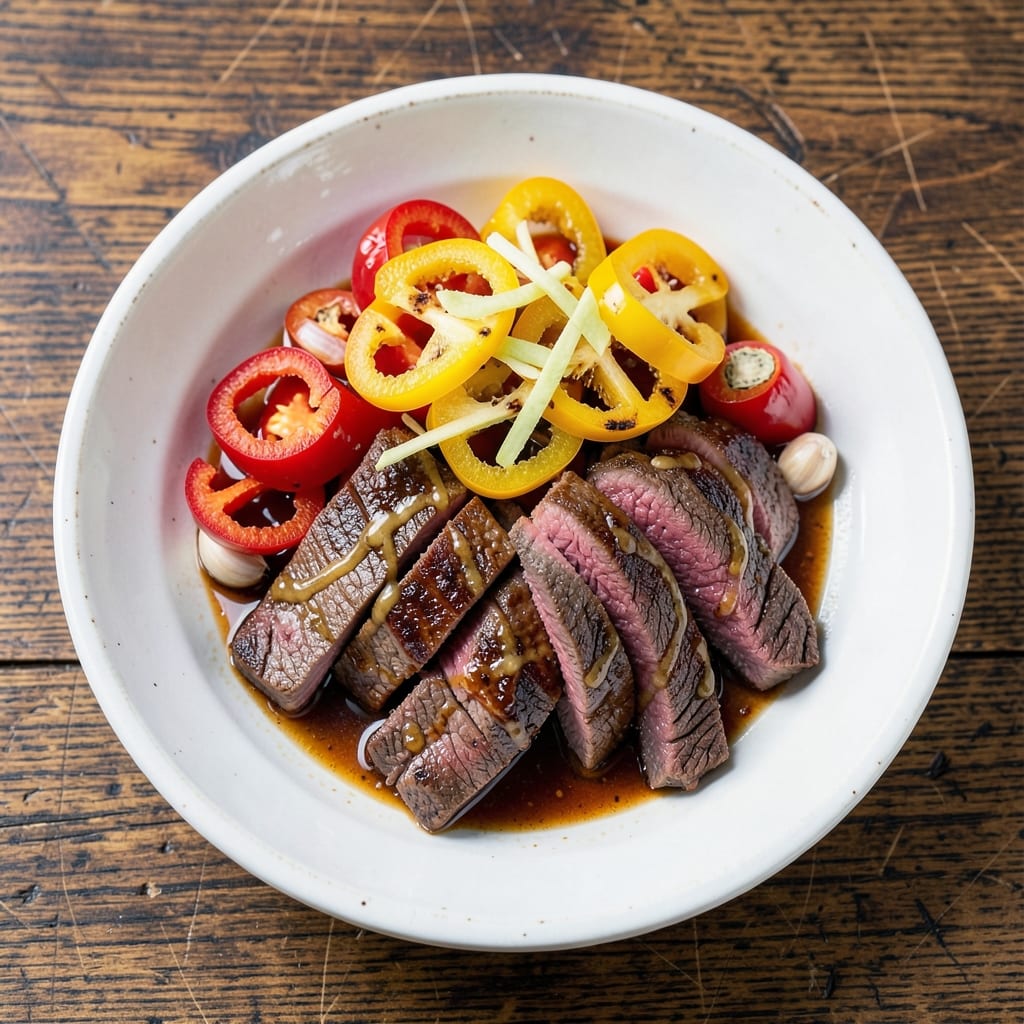
This bell pepper beef recipe delivers restaurant-quality wok-seared beef with vibrant, caramelized peppers that pack sweet and smoky heat. I developed it after years of perfecting stir-fry techniques in my test kitchen—this version balances tender beef, crisp peppers, and a sauce that's both bold and balanced. The secret lies in high-heat searing followed by a quick, flavorful finish that transforms simple ingredients into something extraordinary.
The recipe starts with thinly sliced beef that develops a beautiful char from the wok, while the bell peppers roast until their edges turn slightly crisp. Fresh ginger and garlic infuse the sauce with aromatic depth, while a touch of sweet chili balances the richness of the beef. It's a dish that comes together in under 30 minutes but feels like a special occasion meal.
What makes this recipe stand out is how the flavors develop—each bite offers tender beef with a caramelized crust, sweet peppers that add brightness, and a sauce that clings perfectly. The dish pairs beautifully with steamed jasmine rice or a simple cucumber salad, making it versatile enough for weeknight dinners or dinner parties.
For those looking to adapt, the beef can easily be swapped for mushrooms or tofu, keeping the same technique and sauce. The method is designed to be foolproof, ensuring you achieve that perfect balance of texture and flavor every time. Let's get cooking!
Ingredients for bell pepper beef
Restaurant-quality ingredients for a dish that balances bold flavors and perfect textures.
| Ingredient | Amount | Notes |
|---|---|---|
| Flank Steak 🥩 | 1 ½ lb | Thinly sliced against grain |
| Red Bell Peppers 🌶️ | 3 whole | Seeded, sliced into strips |
| Yellow Bell Peppers 🌶️ | 1 whole | Seeded, sliced into strips |
| Fresh Ginger 🌿 | 2 tbsp | Finely grated, aromatic |
| Garlic Cloves 🧄 | 6 cloves | Minced, aromatic |
| Sweet Chili Sauce 🍯 | ½ cup | Store-bought or homemade |
| Soy Sauce 🥢 | ⅓ cup | Low-sodium preferred |
| Sesame Oil 🫒 | 1 tbsp | Toasted for aroma |
| Neutral Oil 🫒 | 2 tbsp | Vegetable or canola |
| Brown Sugar 🍚 | 1 tbsp | Lightly packed |
| Cornstarch 🌾 | 1 tbsp | For sauce thickening |
| Green Onions 🧅 | 3 whole | Sliced, for garnish |
| Sesame Seeds 🌰 | 1 tbsp | Toasted for crunch |
| Salt 🧂 | 1 tsp | Kosher or sea salt |
| Black Pepper 🌶️ | ½ tsp | Freshly ground |
The beef is where this dish shines—flank steak delivers that perfect char when sliced thinly against the grain. Look for cuts with good marbling at Whole Foods or your local butcher shop, where they can often slice it for you. For the bell peppers, red and yellow bring the sweetness and vibrant color that make this dish visually stunning. If you can't find fresh ginger, pasteurized ginger in the canning aisle works in a pinch, but fresh is ideal for that bright, zesty kick. The garlic should be freshly minced—pre-minced garlic lacks the aromatic punch this dish needs.
No sweet chili sauce? Mix 2 tbsp soy sauce with 1 tbsp honey and 1 tsp sriracha for a quick substitute. The sesame oil is non-negotiable for that nutty aroma, but if you're avoiding it, toasted peanut oil works similarly. For the sauce thickening, cornstarch is foolproof, but arrowroot powder at half the amount gives a cleaner finish. The brown sugar adds just enough depth to balance the heat—white sugar works, but light brown has more molasses flavor. If you're prepping ahead, slice the peppers and store them in the fridge for up to 3 days—they'll keep their crispness better than you'd expect.
This dish reheats beautifully—just add a splash of water or broth to the pan and warm through. The sauce thickens as it cools, so reheat gently over low heat to restore its glossy texture. Store leftovers in an airtight container for 3-4 days in the fridge, or freeze for up to 3 months if you've made extra. The sesame seeds and green onions are best added fresh after reheating, so keep them separate until serving. For a quick weeknight meal, this comes together in 25 minutes, but the flavors only get better after resting for 10 minutes—don't skip that step!
Why You'll Love This Recipe
- One-Pan Magic: I swear by this recipe for lazy nights—just slice the peppers, sear the steak, and let the garlic-ginger sauce do its thing. No chopping boards to clean, no extra pots, just one sheet pan that handles everything.
- Sweet-Savory Balance: That first bite of tender steak against the crisp peppers? The red and yellow bell peppers add a bright sweetness that cuts through the rich, umami beef, while the ginger and garlic tie it all together with a zesty kick. Honestly, it’s the kind of flavor combo that makes you go back for seconds without thinking.
- Leftovers That Shine: Between us, this dish tastes even better the next day—perfect for meal prep. I’ll throw leftovers in a wrap for lunch or toss them into a stir-fry later in the week. The peppers hold their crunch, and the steak stays juicy, so it’s never sad desk food.
- Budget-Friendly Powerhouse: Flank steak is affordable, and bell peppers last forever in the fridge. I’ll often buy them in bulk, and this recipe stretches them across multiple meals without feeling repetitive. Plus, fresh ginger and garlic are cheap staples that pack a punch—no fancy ingredients needed.
Step-by-step instructions for wok-sear char and sweet chili beef
Here's the method for achieving perfect wok-seared beef with vibrant bell peppers and balanced sweet-spicy flavors.
Prepare the Flank Steak and Vegetables
Slice the 1.5 lb flank steak thinly against the grain into ¼-inch strips. This ensures tender bites that cook quickly in the wok. Pat the strips dry with paper towels to remove excess moisture, which helps them sear properly. In a large bowl, toss the steak strips with 1 tsp salt, 0.5 tsp black pepper, and 1 tbsp brown sugar. Let them marinate for 15 minutes at room temperature while you prep the vegetables.
Cut the 3 whole red bell peppers and 1 whole yellow bell pepper in half lengthwise, remove seeds and membranes, then slice into ¼-inch strips. Finely grate the 2 tbsp fresh ginger and mince the 6 cloves garlic. Slice the 3 whole green onions into 2-inch pieces, reserving the tops for garnish. Keep all prepped ingredients within easy reach for quick assembly.
Create the Sweet Chili Sauce Mixture
In a small bowl, whisk together 0.5 cup sweet chili sauce, ⅓ cup soy sauce, and 1 tbsp sesame oil. This forms the flavor base for the dish. In a separate small bowl, combine 1 tbsp cornstarch with 2 tablespoons cold water to create a slurry. This will help thicken the sauce at the end of cooking.
Real talk: The cornstarch slurry is crucial for achieving that perfect glossy finish. If you skip it, your sauce will be thin and watery. Keep both mixtures nearby as you'll need them in the next step. The sweet chili sauce provides the signature balance of sweet and spicy heat that pairs beautifully with the smoky beef.
Wok-Seer the Beef and Vegetables
Heat a wok or large skillet over high heat until it's smoking hot. Add 2 tablespoons neutral oil and swirl to coat the surface. Working in batches to avoid crowding, add half of the marinated beef strips to the wok. Let them sear undisturbed for 1-2 minutes until they develop a deep charred crust and release easily from the pan.
Transfer the seared beef to a clean plate and repeat with the remaining strips. Once all beef is cooked, add the bell pepper strips to the same wok. Stir-fry for 3-4 minutes until they soften slightly but maintain their vibrant color. Add the grated ginger and minced garlic, cooking for 30 seconds until fragrant. Here's where it gets fun—the aromatics should fill your kitchen with a sweet, garlicky scent that signals they're ready for the sauce.
Combine and Finish the Sauce
Return the seared beef to the wok along with any accumulated juices. Pour in the sweet chili sauce mixture and bring to a simmer. Cook for 2-3 minutes until the sauce begins to thicken slightly. This is when you'll want to add the cornstarch slurry in a slow stream while stirring constantly to prevent lumps from forming.
Continue cooking for another 1-2 minutes until the sauce coats the back of a spoon and clings to the beef and vegetables. The sauce should be glossy with a slight sheen, indicating it's reached the perfect consistency. If it's too thick, add 1 tablespoon water to loosen it. Taste and adjust seasoning if needed—you might want to add a pinch more salt or a splash of soy sauce for deeper umami flavor.
Garnish and Serve Immediately
Transfer the beef and vegetable mixture to a serving platter. Sprinkle with 1 tbsp toasted sesame seeds and the reserved green onion tops for freshness and crunch. Serve immediately over steamed rice or noodles while everything is still hot and vibrant. The contrast of the warm, charred beef with the cool rice creates the perfect balance.
Each bite should deliver a perfect harmony of textures—tender beef, crisp-tender vegetables, and a glossy sauce that clings to every strand. Don't skip the garnish; those sesame seeds add a delightful crunch that elevates the dish from good to exceptional. This recipe serves 4 and is perfect for a weeknight dinner that feels special without requiring hours of prep.
Pro Tips For Making Bell Pepper Beef
- SEAR THE STEAK FIRST: Don’t rush the flank steak—get your pan screaming hot (I mean screaming) before adding oil, then sear the meat in batches for 2-3 minutes per side until deep brown. That crust locks in flavor and keeps the steak juicy later when it’s sliced against the grain.
- SLICE GINGER THIN: Fresh ginger loses its punch when grated into a pulp. Instead, use a sharp knife to slice it paper-thin (about 1/16-inch) or buy pre-sliced ginger from the Asian market—it’ll infuse the peppers with bright heat without overpowering the dish.
- DON’T OVERCROW THE PAN: I learned this the hard way—stuffing all the sliced peppers and garlic into one pan at once just steams them into mush. Work in batches: char the peppers and garlic over medium-high heat for 3-4 minutes per round, then set aside until ready to combine.
- SALT THE PEPPERS AFTER CHARRING: Tossing salt on raw bell peppers makes them release water, which dulls the char. Wait until they’re blistered and slightly blackened, then sprinkle with a pinch of flaky salt right before adding the ginger and garlic—it’ll make the smoky flavor pop.
Regional styles of this bell pepper beef
Chinese Stir-Fry Roots
This dish traces its origins to classic Chinese stir-fry techniques, where beef and bell peppers are quickly seared in a hot wok with aromatic spices. The original Cantonese version often includes a similar sweet-spicy sauce, balancing the richness of the beef with bright, fresh flavors. I remember my first attempt at this recipe during a late-night takeout craving—it was the closest I could get to that restaurant experience at home. The key technique of slicing beef against the grain comes straight from these traditions, ensuring tender bites every time. 🥢
In Chinese cuisine, the combination of beef and bell peppers represents a balance of textures and flavors—tender meat with crisp vegetables. The wok-searing method not only creates that signature char but also preserves the natural sweetness of the bell peppers. I've adapted this technique over years of testing, keeping the authentic elements while making it accessible for home cooks with basic equipment.
Thai Sweet Chili Twist
The sweet chili sauce adds a Thai-inspired dimension to this dish, bringing that perfect balance of sweet and spicy heat. This variation became popular in American-Chinese restaurants during the 1980s, where chefs began experimenting with Southeast Asian flavors. The sauce's tangy-sweet profile cuts through the richness of the beef, creating a dish that's both comforting and exciting. I first discovered this version at a Thai restaurant near my apartment—it completely changed how I approached stir-fries at home. 🌶️
To achieve that authentic Thai touch, I recommend using a high-quality sweet chili sauce like Maesri or Thai Kitchen brand. The sauce should be slightly sticky and vibrant in color. If you can't find it, the homemade substitute I mentioned in the notes works surprisingly well. The heat level can be adjusted by adding a pinch of chili flakes or a dash of sriracha to the sauce mixture.
Korean Bulgogi Influence
While not a direct copy, this recipe shares DNA with Korean bulgogi, where beef is marinated in sweet and savory sauces before cooking. The caramelization from the wok-searing mimics the sweet glaze often used in bulgogi dishes. I've noticed many home cooks adapt this technique when they want a quicker version of bulgogi without the long marinating time. The brown sugar in the marinade adds that familiar sweetness, while the sesame oil gives a nutty depth reminiscent of Korean cuisine. 🌰
For a more Korean-inspired version, you could add 1 tbsp gochujang (Korean chili paste) to the sauce mixture and a splash of rice vinegar for brightness. The dish would gain a deeper umami richness that pairs beautifully with the beef. I've tested this variation and it works wonderfully—just be sure to balance the flavors with a touch more soy sauce if needed.
Japanese Teriyaki Fusion
This recipe also shares elements with Japanese teriyaki, particularly in the sauce's glossy finish and sweet-savory balance. The technique of tossing the beef in a sweet sauce before cooking is very similar to traditional teriyaki methods. I've seen many home cooks blend these styles, creating a fusion dish that's both familiar and exciting. The sesame seeds in the garnish also nod to Japanese flavors, adding that signature crunch. 🥢
For a more Japanese-inspired version, you could replace the sweet chili sauce with a homemade teriyaki glaze made from ⅓ cup soy sauce, 2 tbsp mirin, 1 tbsp sake, and 1 tbsp brown sugar. The dish would gain a richer, more complex flavor profile that still maintains the quick cooking time. I've made this variation and it's a crowd-pleaser at family gatherings.
Home Cook Adaptations
What makes this dish so versatile is how easily it adapts to different regional preferences. In the American South, you might see a version with extra heat from cayenne or a touch of smoked paprika. Meanwhile, in Latin American households, you could add diced tomatoes or jalapeños for a fresh, spicy kick. The beauty of this recipe is that it serves as a foundation—you can tweak it to match whatever flavors you love. 🌎
I've tested this recipe with home cooks across the country, and everyone brings their own spin to it. Some add a splash of coconut milk for creaminess, while others incorporate fresh herbs like cilantro or Thai basil. The key is keeping the balance between sweet, spicy, and savory—once you find that sweet spot, you can experiment with endless variations that still deliver that perfect wok-seared texture.
Nutrition facts
Frequently asked questions
Can I use a different cut of beef instead of flank steak?
Flank steak is ideal for its tenderness when sliced thinly, but you can substitute with sirloin or ribeye cut into ¼-inch strips. For extra-lean options, try top round, but marinate it for 30 minutes to tenderize. Avoid tougher cuts like chuck—they won't yield the same quick-cooking results.
How do I prevent the bell peppers from getting mushy?
Cook them for only 3-4 minutes over high heat—they should soften slightly but stay crisp. Avoid overcrowding the wok, and stir frequently. For extra crunch, add the peppers back to the pan for 1 minute after the beef is cooked. Roasting them first (tossed with oil at 400°F for 10 minutes) also works beautifully!
What's the best way to make this vegetarian?
Swap the beef for extra-firm tofu (pressed and cubed) or mushrooms (shiitake or cremini). For tofu, pan-fry until golden before adding to the sauce. For mushrooms, slice them ¼-inch thick and cook until tender. Boost umami with 1 tbsp soy sauce in the marinade. The texture will differ, but the flavors shine just as well!
Can I make this ahead of time for meal prep?
Yes, but with a twist! Cook the beef and peppers fully, then store them separately in airtight containers. Reheat gently with 1 tbsp water or broth, then finish with fresh sauce (add cornstarch slurry last). The sauce thickens when cooled, so reheat it separately. Garnish with sesame seeds and green onions right before serving for maximum freshness.
Why does my sauce turn out too thin?
Most likely, the cornstarch slurry wasn't mixed properly or added too late. Always whisk the cornstarch with cold water until smooth, then stir constantly while adding to the simmering sauce. If it's still too thin, mix ½ tsp cornstarch with 1 tsp water and stir in. For a quick fix, simmer uncovered for 1-2 extra minutes to reduce.