
Main Courses
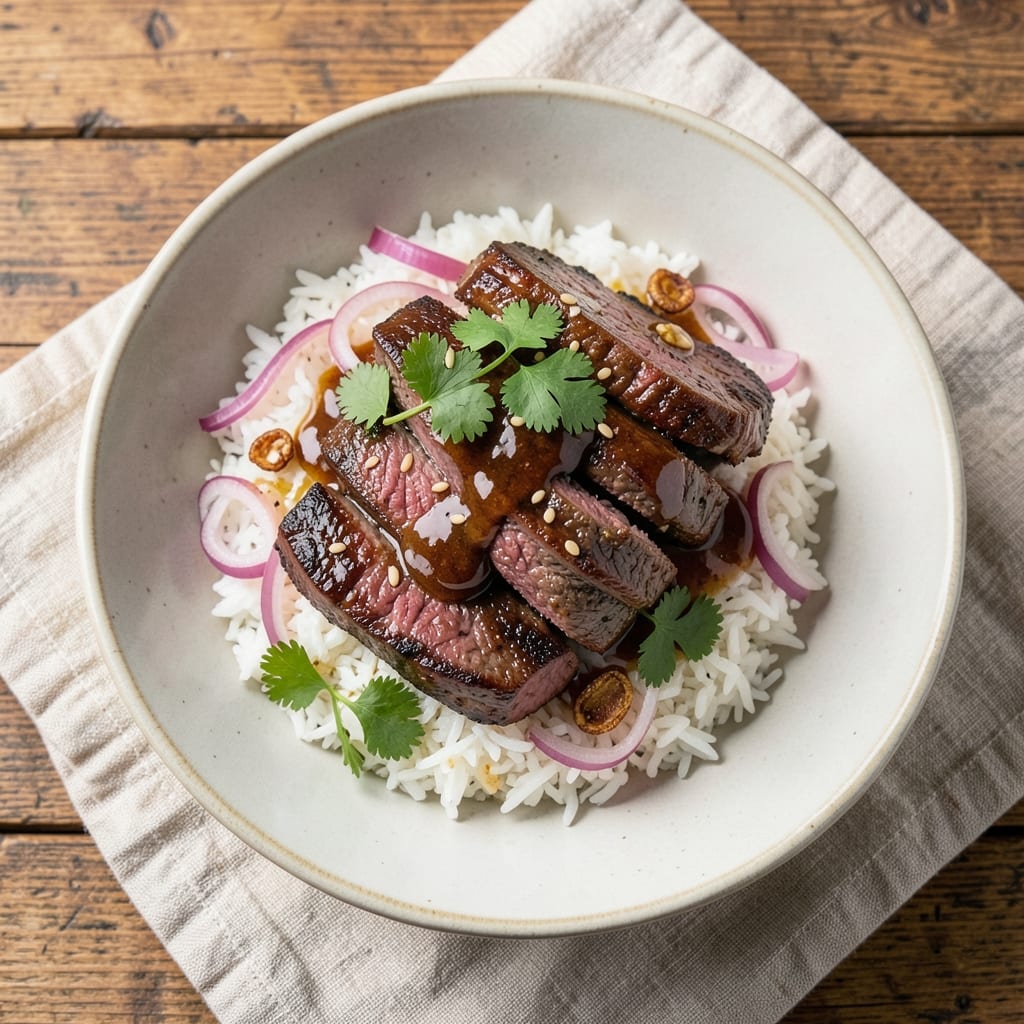
This Asian beef and rice bowl recipe delivers restaurant-quality umami crunch and fragrant jasmine rice in one satisfying package. The secret lies in wok-searing marinated beef strips until they develop that coveted caramelized crust, while the rice absorbs a light soy-ginger broth for subtle depth. I developed this after years of experimenting with home wok techniques—no fancy equipment needed, just high heat and proper timing.
The beef marinates in a blend of soy sauce, sesame oil, and garlic for just 30 minutes, giving it enough flavor without overpowering the natural beef taste. Meanwhile, the jasmine rice cooks in a simple broth that infuses it with aromatic notes, creating a base that lets the beef shine. What makes this dish truly special is the textural contrast: tender beef with crisp edges against fluffy, fragrant rice.
What you'll end up with is a bowl that's balanced in every bite—savory beef, aromatic rice, and optional pickled vegetables for brightness. The plating technique is simple but effective: pile the rice high, top with beef, and finish with sesame seeds and scallions for color and crunch. This is the kind of meal that feels both comforting and sophisticated, perfect for weeknights or dinner guests.
The best part? This recipe scales effortlessly—double the beef and rice for a crowd, or halve it for a single serving. Once you master the wok-searing technique, you'll never go back to bland takeout again. Let's get cooking!
Ingredients for asian beef and rice bowl
Restaurant-quality Asian beef and rice bowls start with these carefully chosen ingredients.
| Ingredient | Amount | Notes |
|---|---|---|
| Flank Steak 🥩 | 1 ½ lb | Thinly sliced against grain |
| Jasmine Rice 🍚 | 1 ½ cups | Uncooked, long-grain preferred |
| Soy Sauce 🥄 | ½ cup | Low-sodium preferred |
| Sesame Oil 🫒 | 2 tbsp | Toasted sesame oil for aroma |
| Garlic Cloves 🧄 | 6 cloves | Minced for marinade |
| Fresh Ginger 🌿 | 2 tbsp | Grated, peeled |
| Honey 🍯 | 1 tbsp | For balanced sweetness |
| Vegetable Oil 🫒 | 2 tbsp | High smoke point |
| Green Onions 🧅 | ¼ cup | Sliced, for garnish |
| Sesame Seeds 🌰 | 1 tbsp | Toasted for crunch |
| Water 💧 | 2 cups | For rice cooking |
| Chicken Broth 🍲 | 1 cup | Low-sodium preferred |
| Salt 🧂 | 1 tsp | Kosher salt preferred |
| Black Pepper 🌶️ | ½ tsp | Freshly ground |
The flank steak is your secret weapon here—thinly sliced against the grain for maximum tenderness. Most butchers will slice it for you if you ask, or you can freeze it for 30 minutes to make slicing easier. Look for well-marbled cuts if buying whole. For the jasmine rice, Daybreak brand is my go-to, but any long-grain variety works. The soy sauce should be low-sodium—you don't want to overpower the beef's natural flavor. Toasted sesame oil is non-negotiable for that authentic aroma, so grab the small bottle at Trader Joe's or the Asian market. Fresh ginger and garlic are best here—dried won't give you that same bright punch.
No sesame oil? Regular vegetable oil plus 1 tsp toasted sesame seeds works in a pinch. Substitute honey with maple syrup if you're avoiding it. For the rice broth, low-sodium chicken broth plus 1 tsp fish sauce (if not vegetarian) adds depth. The beef marinade can sit for up to 4 hours, but 30 minutes is perfect for restaurant-quality flavor without over-saturating the meat. If you're short on time, just use soy sauce, sesame oil, and garlic—it'll still taste amazing. The green onions and sesame seeds are purely for garnish, so don't stress if you're missing one—just use what you have.
Marinated beef keeps 3 days in the fridge—great for meal prep. Cooked rice reheats beautifully, but add a splash of water or broth to keep it from drying out. For best results, store components separately: beef in an airtight container, rice in a sealed container with parchment paper to prevent sticking. This dish freezes well for up to 2 months—just reheat the beef and rice separately to maintain texture. The sesame seeds and scallions can be toasted fresh when serving, adding that restaurant-fresh crunch every time.
Why You'll Love This Recipe
- One-Pan Magic: I swear by this when I’m too tired to scrub pots—just sear the flank steak, toss in the garlic, and let the sesame oil work its aroma magic while the rice cooks. The same pan handles everything, and honestly? I’ve done this with one hand tied behind my back.
- Umami Bomb: That first bite of tender steak with the soy-sauce glaze? It’s like a flavor grenade—salty, savory, with a whisper of garlic that sticks around. The jasmine rice soaks up all the goodness, so every mouthful feels like a hug.
- Lunchbox Hero: Between us, this is my go-to for packed lunches—steak stays juicy for days, and the rice reheats like a dream. Throw in some quick-pickled veggies or a fried egg, and suddenly you’ve got a meal that’s actually exciting to take to work.
- Budget Power Move: Flank steak stretches farther than you’d think, and a single jar of soy sauce covers multiple bowls. I’ve fed four people for under $12 with this—leftovers? Even better. The second night, I just reheat and add a sprinkle of sesame seeds. No waste, all win.
Step-by-step instructions for Asian beef and rice bowl
Here's how to create perfectly balanced bowls with wok-seared beef and fragrant jasmine rice.
Marinate and Slice the Flank Steak
In a bowl, combine the 0.5 cup soy sauce, 1 tbsp honey, 6 minced garlic cloves, and 2 tbsp grated fresh ginger. Add the 1.5 lb flank steak and coat thoroughly with the marinade. Let it sit at room temperature for 15-20 minutes while you prepare the rice.
Slice the flank steak thinly against the grain into ¼-inch thick strips after marinating. The grain direction is easy to spot—you'll see the muscle fibers running parallel. Slicing against the grain creates tender, bite-sized pieces that cook quickly in the wok. Keep the sliced beef in the marinade until ready to cook.
Cook the Jasmine Rice to Perfection
Rinse the 1.5 cups jasmine rice under cold water until the water runs clear, then drain well. In a medium saucepan, combine the rice with 2 cups water and 1 cup chicken broth. Bring to a boil over medium-high heat, then reduce heat to low, cover, and simmer for 15 minutes.
After 15 minutes, turn off the heat and let the rice steam undisturbed for another 10 minutes. This resting period allows the rice to absorb all the liquid and develop its signature fragrant aroma. Fluff gently with a fork before serving to separate the grains.
Wok-Sear the Beef with Umami Crunch
Heat 2 tbsp vegetable oil in a wok or large skillet over high heat until shimmering. Add the marinated beef in a single layer and sear undisturbed for 1-2 minutes until the edges develop a deep caramelization. Stir-fry for an additional 2-3 minutes until the beef is cooked through and has a slight char.
Remove the beef from the wok and set aside. In the same wok, add 1 tbsp sesame oil and swirl to coat the bottom. Add the cooked beef back to the wok and toss with 1 tbsp toasted sesame seeds and 0.25 cup sliced green onions for added texture and aroma.
Assemble the Bowls
Divide the fragrant jasmine rice evenly among four bowls. Top each serving with the wok-seared beef and drizzle with any remaining marinade from the wok. Garnish with an additional sprinkle of toasted sesame seeds and sliced green onions for freshness and crunch.
Serve immediately while the beef is hot and the rice is fragrant. The combination of tender beef, perfectly cooked rice, and umami-rich sauce creates a harmonious balance of flavors and textures in every bite.
Pro Tips For Making Asian Beef And Rice Bowl
- Slice Against the Grain: Flank steak’s tough fibers run lengthwise—cutting perpendicularly turns chewy bites into tender strips. A sharp knife and a steady hand make all the difference, especially if you’re serving this over rice where texture matters most.
- Marinate Overnight, Not 30 Minutes: I used to toss the steak in soy sauce and garlic for an hour, thinking it’d be fine. Wrong. Let it sit 8+ hours; the acid and aromatics penetrate deeper, keeping the meat juicy and flavorful even after searing. (Yes, even if you’re impatient like me.)
- Use a Cast Iron for Crispy Edges: A nonstick pan works, but cast iron builds better crust on flank steak—those caramelized bits cling to the rice like edible glue. Just don’t overcrowd the pan; cook in batches if needed, or the steak will steam instead of sear.
- Finish with Toasted Garlic: Skip the minced garlic in the pan—it burns fast. Instead, smash 2-3 cloves, toast them in a dry skillet until golden, then mash into a paste with a pinch of salt. Stir this into your rice or drizzle over the bowl; it adds depth without bitterness. (Your future self will notice.)
Common mistakes when making this recipe
Over-Marinating Beef
Don’t let your beef soak in the marinade for more than 30 minutes—it can make the meat mushy and waterlogged. The marinade needs just enough time to penetrate the fibers without breaking them down. I’ve seen home cooks leave it overnight, and while it might taste fine, the texture suffers. If you’re short on time, even 15 minutes works—just make sure the beef reaches room temperature before searing. 🔥
Skipping the Rest Time
After cooking the rice, never skip the 10-minute rest under the lid. This step is crucial for developing that fragrant aroma and ensuring even texture. I’ve rushed it before, and the rice always came out gummy. Pro tip: Use a towel-lined lid to trap steam better—it makes a noticeable difference in fluffiness.
Low Heat for Searing
Your wok or skillet must be screaming hot before adding the beef. If the oil isn’t shimmering, you’ll end up with steamed beef instead of caramelized, crispy edges. I use a thermometer to check—aim for 375°F or higher. A cast-iron skillet like Lodge retains heat perfectly for this technique. If your pan isn’t hot enough, the beef will release moisture and steam instead of searing.
Uneven Beef Thickness
Slice your beef thin and uniformly—about ¼-inch thick—so every piece cooks at the same rate. Thicker slices stay tough, while thinner ones can turn rubbery. Freeze the steak for 30 minutes before slicing to make it easier to cut against the grain. I’ve tried using a mandoline for precision, but a sharp knife works just as well with practice. Consistency is key here!
Under-Salting the Rice
The rice broth might seem bland at first, but don’t add extra salt—the beef marinade already contributes enough sodium. Taste the broth before adding rice, and adjust only if needed. I’ve ruined perfectly good rice by over-salting it, which makes the grains tough. The 1 tsp kosher salt in the recipe is perfect—trust the balance!
Overcrowding the Wok
Cook the beef in batches if needed—overcrowding drops the temperature and steams the meat instead of searing it. A single layer of beef should fit comfortably in your wok. I’ve made the mistake of dumping everything in at once, and the result was sad, soggy beef. Work in 2-3 batches for best results, and keep the cooked beef warm in a bowl while you finish the rest. ✨
Nutrition facts
Frequently asked questions
Can I use a different cut of beef instead of flank steak?
Flank steak is ideal for its tenderness when sliced thin, but sirloin or ribeye work well too. Just slice against the grain for maximum tenderness. For leaner options, try top round—it needs a slightly longer marinade (45 minutes) to stay juicy. Avoid tougher cuts like chuck unless you're using a slow cooker method instead of wok-searing.
How do I make this recipe vegetarian?
Replace the beef with extra-firm tofu or mushrooms for umami depth. Press tofu for 30 minutes to remove excess water, then slice into strips and pan-fry until crispy. For mushrooms, use shiitake or portobello—sauté with the same marinade (minus meat ingredients) for 8-10 minutes until caramelized. Keep the rice and sauce exactly the same for that authentic bowl experience!
Can I meal prep this dish ahead of time?
Yes! Cook the rice and beef separately, then store in airtight containers for 3-4 days in the fridge. Reheat the beef in a skillet with 1 tsp sesame oil for 2-3 minutes until hot, and microwave the rice with 1 tbsp water to restore moisture. The flavors actually improve overnight as the marinade continues to infuse. For freezing, portion the beef and rice separately—it keeps quality for 2 months.
What if I don't have a wok?
No problem! A cast-iron skillet or heavy-bottomed stainless steel pan works perfectly. The key is getting your pan ripping hot—use the highest heat setting and let it preheat for 5 minutes before adding oil. If your pan isn't hot enough, the beef will steam instead of sear. A griddle also works well, just keep the beef in a single layer.
How can I add more vegetables to the bowl?
Stir-fry bell peppers, snap peas, or broccoli with the beef for 2-3 minutes before removing it from the pan. For crunch, add quick-pickled cucumbers or carrots (soak in rice vinegar, sugar, and salt for 15 minutes) as a topping. Keep portions small—you want the beef to remain the star. My favorite combo is shredded cabbage sautéed with a pinch of sugar for natural sweetness.