
Main Courses
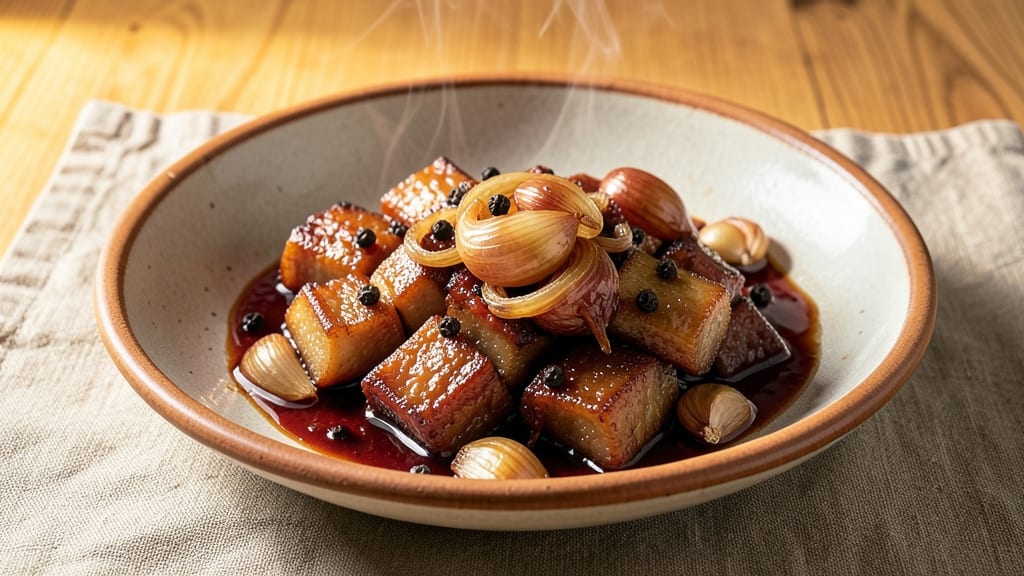
Transforming tough tripe into a melt-in-your-mouth Filipino delicacy requires patience and precision—this beef tripas recipe delivers the tangy, caramelized results you crave. The key lies in proper preparation: cleaning, boiling, and slow braising until the tripe becomes tender enough to cut with a fork.
I’ve perfected this method over years of testing, ensuring every bite balances rich, savory flavors with the bright tang of tamarind.
What sets this recipe apart is the tamarind twist, a signature Filipino touch that cuts through the richness of the braised tripe. The process starts with a thorough cleaning and boiling to remove impurities, followed by a crispy sear in oil before simmering in a flavorful broth.
This method transforms tripe from an acquired taste into a restaurant-worthy dish that’s hearty enough for a main course.
The result is tripe with a golden-brown crust and fork-tender texture, swimming in a sauce that’s perfectly balanced—sweet from caramelized onions, tangy from tamarind, and deepened by soy sauce and black pepper.
Serve it over steamed rice with a side of atchara (pickled papaya) for the full Filipino experience. This recipe is a game-changer for tripe lovers and curious foodies alike.
Whether you’re hosting a dinner party or simply craving a comforting Filipino classic, this braised beef tripas delivers professional-quality results at home. The slow-cooked method ensures maximum tenderness, while the tamarind sauce adds a bright, complex flavor that elevates the dish. Ready to master this Filipino staple?
Ingredients for beef tripas
Filipino flavors meet tender tripe in this rich, tangy braised dish—just 13 ingredients for restaurant-quality results.
| Ingredient | Amount | Notes |
|---|---|---|
| Beef Tripe 🥩 | 3 lb | Cleaned, cut into 2-inch pieces |
| Tamarind Paste 🍯 | ½ cup | Filipino-style, unsweetened |
| Yellow Onions 🧅 | 2 whole | Thinly sliced, caramelized |
| Garlic Cloves 🧄 | 8 cloves | Minced, aromatic |
| Soy Sauce 🍶 | ½ cup | Filipino-style preferred |
| Black Peppercorns 🌶️ | 1 tbsp | Crushed, fresh preferred |
| Bay Leaves 🌿 | 2 whole | Dried, for depth |
| Vegetable Oil 🫒 | ½ cup | High smoke point |
| Salt 🧂 | 1 ½ tsp | Kosher or sea salt |
| Sugar 🍚 | 2 tbsp | White granulated |
| Water 💧 | 4 cups | For initial boiling |
| Steamed White Rice 🍚 | 3 cups | For serving, cooked |
| Lime Juice 🍋 | 2 tbsp | Freshly squeezed |
The tripe is the star, so source it fresh from a trusted butcher—Filipino markets or specialty grocers often carry pre-cleaned versions, but if you're doing it yourself, soak for 24 hours to remove impurities. Look for vibrant, pinkish tripe with minimal odor; if it smells strong, it needs extra soaking. The tamarind paste should be Filipino-style, unsweetened—brands like Datu Puti or Tamarind Industries are reliable. For the onions, yellow or red work best; caramelizing them slowly brings out their sweetness, which balances the tamarind's tang. If you can't find tamarind paste, substitute 1/4 cup tamarind concentrate (diluted with water) or even a mix of lime juice and a touch of brown sugar, though the flavor won't be identical.
No tamarind? Lime juice plus a pinch of salt mimics the tang, though it lacks depth. For the soy sauce, Filipino brands like Silver Swan or Toyo add authenticity, but any dark soy sauce works. The black peppercorns should be crushed fresh—pre-ground loses potency quickly. If you're short on time, 1 tsp ground black pepper is a decent substitute, but the flavor won't be as complex. The bay leaves add earthiness; if you're out, 1/2 tsp dried thyme is a reasonable swap. For the oil, vegetable or canola works best due to their high smoke points—avoid olive oil, which can burn at the searing stage. The sugar isn't just for sweetness; it helps caramelize the onions and balances the tamarind's acidity.
Tripe keeps best in the fridge for 3-4 days after cleaning, but once cooked, this dish reheats beautifully—2-3 days in the fridge or 3 months frozen. To store, let it cool completely before transferring to airtight containers. The sauce thickens as it cools, so adding a splash of water when reheating helps restore its consistency. For serving, steamed jasmine rice is traditional, but basmati works too. The lime juice should be added just before serving to brighten the flavors—don't skip this step. Leftovers make fantastic lunches; portion into containers with extra rice for easy grab-and-go meals.
Why You'll Love This Recipe
- One-Pot Magic: I swear by this recipe because it’s literally one pot—no chopping boards, no extra pans, just the tripe simmering with onions and garlic until it’s fall-apart tender. The tamarind paste does all the heavy lifting while I stir for five minutes.
- Tamarind Tang Kick: That first bite? The tamarind paste cuts through the richness of the tripe like a citrusy wake-up call, while the soy sauce adds this deep, umami punch. It’s sweet, it’s sour, it’s addictive—like a hug in a bowl.
- Lunchbox Hero: Between us, this dish is my go-to for meal prep. The leftovers reheat like a dream (just add a splash of water), and I pack it in bento boxes for work—my coworkers still ask where I learned to cook like this.
- Budget Powerhouse: Honestly, tripe is one of those ingredients that makes frugality feel fancy. A few pounds of it stretches across three meals, and the tamarind and soy sauce cost pennies. Feeds four for the price of takeout, and it’s way more satisfying.
Step-by-step instructions for Filipino-style braised tripe
Transform tough tripe into tender, aromatic braise using precise techniques and layered flavors.
Prepare and Parboil the Tripe
Rinse the 3 lb beef tripe thoroughly under cold water to remove any impurities. Cut into 2-inch pieces and place in a large pot. Cover with 4 cups of cold water and bring to a boil over high heat. Once boiling, reduce to medium-high heat and parboil for 10 minutes.
This initial boiling removes any remaining blood and surface impurities while beginning to tenderize the meat. Drain the tripe and rinse again under cold water to stop the cooking process. The tripe should now be clean and ready for the braising process.
Caramelize Onions and Build the Flavor Base
Heat 0.5 cup vegetable oil in a large Dutch oven over medium heat. Add the 2 whole yellow onions that have been thinly sliced and cook for 15-20 minutes, stirring occasionally, until they develop a deep golden brown color. This caramelization creates complex sweetness that forms the foundation of the dish.
Remove the onions from the pot and set aside. In the same pot, add the 8 cloves minced garlic and cook for 30 seconds until fragrant. Add the 1 tbsp crushed black peppercorns and 2 whole bay leaves, stirring constantly for 1 minute to toast the spices and release their aromatic oils.
Braise the Tripe with Tangy Tamarind
Return the caramelized onions to the pot along with the parboiled tripe. Add the 0.5 cup tamarind paste, 0.5 cup soy sauce, 1.5 tsp salt, and 2 tbsp sugar. Stir well to combine all ingredients thoroughly. Pour in enough water to cover the tripe by about 1 inch (approximately 2-3 cups).
Bring the mixture to a gentle simmer over medium-low heat. Cover the pot and cook for 2 hours, stirring occasionally. The tripe is ready when it becomes fork-tender and easily pulls apart. The sauce should have thickened slightly, creating a rich, glossy coating on the tripe.
Finish with Lime Juice and Serve
Remove the 2 whole bay leaves from the braised tripe. Stir in the 2 tbsp freshly squeezed lime juice and simmer uncovered for an additional 5 minutes. This final step brightens the flavors and balances the rich, tangy tamarind sauce.
Serve the Filipino-style braised tripe hot over 3 cups of steamed white rice. The tender tripe should be coated in a glossy, slightly thickened sauce with a perfect balance of sweet, tangy, and savory flavors. Each bite should reveal the satisfying texture of properly braised meat with a rich depth of umami from the soy sauce and tamarind.
Pro Tips For Making Beef Tripas
- SOAK TRIPE LONGER: I learned this the hard way—skipping the 24-hour soak in cold water with vinegar and salt leaves tripas tough as boot leather. Use 1 part vinegar to 3 parts water, change the water once mid-soak, and resist the urge to rush it. The texture difference is night and day.
- BLANCH BEFORE SEARING: After burning three batches, I finally figured out tripas need a quick 2-minute blanch in boiling water first. Drain, then sear—this stops them from curling into impenetrable balls while browning. (Yes, even if you're impatient like me.)
- CONTROL TAMARIND HEAT: Tamarind paste is sneaky—start with 1 tablespoon, taste, then adjust. If it's too sharp, balance with a splash of coconut milk or a pinch of sugar. I was skeptical until I tried it; the acidity cuts through the richness without overpowering.
- SAUTE ONIONS LOW AND SLOW: This isn't the prettiest method, but it's the tastiest: cook onions for 15 minutes until deep golden, not crispy. High heat turns them bitter, and tripas need that sweet, caramelized base to shine. (Your future self will thank you.)
Best sauces and condiments for these flavors
Tamarind Sauce Base
The star of this dish is the tamarind sauce, which delivers that signature Filipino tang. Start by dissolving ½ cup tamarind paste in 1 cup hot water (not boiling) to create a smooth, pulp-free base. Strain through a fine-mesh sieve to remove any fibrous bits—this ensures a silky texture.
For extra depth, I add 1 tbsp soy sauce and 1 tbsp sugar to the strained tamarind mixture, then simmer for 5 minutes to meld the flavors. 🍯
Umami Boost with Soy
Filipino-style soy sauce (like Silver Swan) is non-negotiable here—its deep, savory profile cuts through the tripe’s richness. Use ½ cup in the braising liquid, but save 1 tbsp to deglaze the Dutch oven after searing the tripe.
This step captures all the caramelized onion and garlic fond, adding another layer of umami. For a smokier twist, add ½ tsp smoked paprika to the sauce. 🌶️
Bright Lime Finish
Fresh lime juice is the secret weapon to balance the dish’s complexity. Add 2 tbsp just before serving—this prevents the sauce from becoming overly sour during the long braise. If you’re prepping ahead, store the sauce separately and add the lime juice right before eating.
For a modern twist, swap half the lime juice for 1 tbsp calamansi juice (if available), which adds a sharper citrus note. 🍋
Spicy Kick with Chili
For heat lovers, stir in 1 tbsp chopped siling labuyo (Filipino chili) or ½ tsp cayenne pepper during the final 5 minutes of simmering. This adds a fruity, fiery contrast to the tamarind’s tang.
If you prefer mild heat, use ½ tsp ground black pepper instead—it enhances the tripe’s earthiness without overwhelming the dish. 🔥
Caramelized Onion Depth
Don’t skip the 20-minute caramelization of the onions—they’re the flavor backbone. For extra richness, add 1 tbsp butter to the Dutch oven with the onions in the last 5 minutes of cooking.
This adds a velvety texture and complements the tripe’s chewiness. Save a handful of the caramelized onions to garnish the dish before serving. 🧅
Garnish Like a Pro
Finish with fresh cilantro or green onions for a pop of color and freshness. I also like adding crushed peanuts (toasted in the same oil used for searing) for crunch.
For a restaurant-worthy touch, drizzle with a chili oil made by infusing neutral oil with sliced siling labuyo and a pinch of salt. 💡
Nutrition facts
Frequently asked questions
How do I properly clean beef tripe before cooking?
Rinse the tripe thoroughly under cold water, then soak it in cold water for 24 hours to remove impurities. Change the water every 8 hours for best results. After soaking, rinse again and parboil for 10 minutes to remove any remaining blood. This preparation ensures a clean, tender final dish.
Can I substitute tamarind paste in this recipe?
Yes, but the flavor won't be identical. Use 1/4 cup tamarind concentrate (diluted with water) or a mix of 2 tbsp lime juice + 1 tsp brown sugar. For a deeper tang, try 1 tbsp vinegar + 1 tsp sugar, though tamarind remains the most authentic choice.
Why does my tripe turn out tough instead of tender?
Undercooking is the most common issue—tripe needs 2+ hours of slow braising at a gentle simmer. Ensure it's covered and liquid remains just bubbling. Also, never skip the initial parboiling step, as it removes impurities that can make tripe chewy. A meat thermometer should read 195°F for perfect tenderness.
What are good side dishes to serve with braised tripe?
Steamed jasmine rice is traditional, but you can also serve it with garlic fried rice, sinigang (sour soup), or atchara (pickled papaya). For a modern twist, pair it with roasted sweet potatoes or a crisp green salad with lime dressing. The tangy tamarind sauce pairs beautifully with these options.
How far ahead can I prepare this dish?
You can fully prepare the braised tripe 2 days ahead—store it in an airtight container in the fridge. Reheat gently on the stove with a splash of water to restore sauce consistency. For longer storage, freeze for up to 3 months. The flavors actually deepen overnight, making it perfect for meal prep!