
Salads
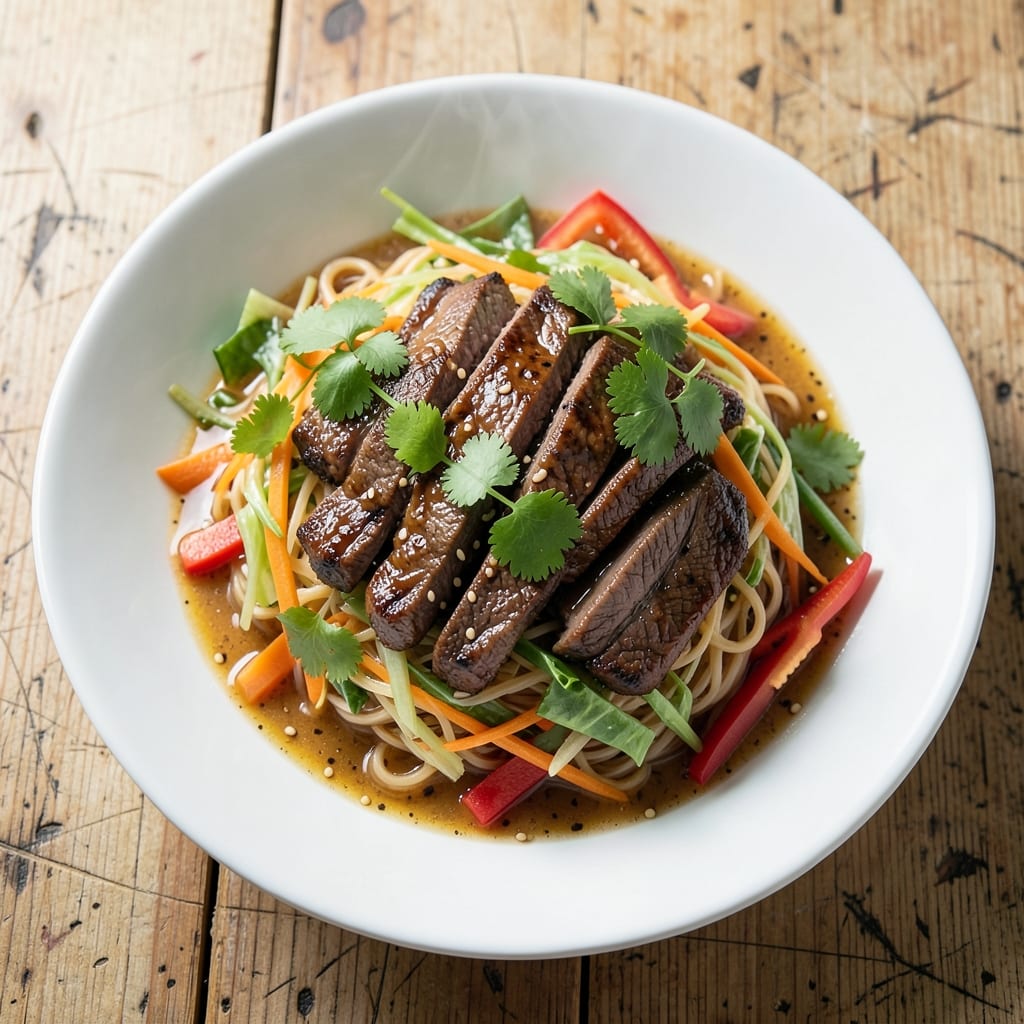
This Asian beef salad recipe transforms simple ingredients into a vibrant, restaurant-quality dish that balances tender beef, crisp vegetables, and a rich peanut dressing—all in under 30 minutes. The secret lies in thinly sliced beef marinated in a savory-sweet blend, then quickly seared for maximum tenderness, paired with crunchy rice noodles and fresh vegetables that stay crisp even after assembly. I developed this recipe after craving something light yet satisfying for a hot afternoon, and it quickly became a go-to for weeknight dinners and potlucks alike.
The crunchy noodles are the star here, absorbing the tangy peanut dressing while adding texture that keeps every bite exciting. You'll use a mix of rice noodles and shredded cabbage for that signature Asian salad crunch, while the beef—marinated in soy sauce, garlic, and ginger—picks up deep, caramelized flavors from a quick stir-fry. The dressing, a creamy peanut sauce with lime and chili, ties everything together with a perfect balance of sweet, spicy, and nutty notes.
What makes this dish truly special is how effortlessly it comes together: the beef cooks in 10 minutes, the noodles soak while you prep, and the dressing mixes in seconds. The result is a salad that's hearty enough to stand alone but fresh enough to feel like a light summer meal. Serve it immediately for the best texture, or pack it for lunch the next day—just hold off on the dressing until you're ready to eat.
For extra flair, top with toasted peanuts, fresh cilantro, or a sprinkle of sesame seeds. This recipe scales perfectly for crowds, making it ideal for parties or meal prep. Let's get started—your taste buds will thank you.
Ingredients for asian beef salad
Pantry staples meet fresh market finds for this vibrant Asian-inspired salad.
| Ingredient | Amount | Notes |
|---|---|---|
| Flank Steak 🥩 | 1 lb | Thinly sliced against grain |
| Rice Noodles 🍜 | 8 oz | Medium-width, uncooked |
| Green Cabbage 🥬 | 4 cups | Shredded, outer leaves removed |
| Carrots 🥕 | 1 medium | julienned into matchsticks |
| Red Bell Pepper 🌶️ | 1 medium | thinly sliced |
| Fresh Cilantro 🌿 | ¼ cup | Chopped, stems removed |
| Peanuts 🥜 | ½ cup | Toasted, unsalted |
| Sesame Seeds 🌱 | 1 tbsp | Toasted for garnish |
| Soy Sauce 🥢 | ¼ cup | Low-sodium preferred |
| Hoisin Sauce 🍶 | 1 tbsp | For depth of flavor |
| Garlic Cloves 🧄 | 4 cloves | Minced, fresh preferred |
| Fresh Ginger 🌿 | 1 tbsp | Grated, peeled |
| Peanut Butter 🥜 | ⅓ cup | Creamy, unsalted |
| Lime Juice 🍋 | ¼ cup | Freshly squeezed |
| Sesame Oil 🫒 | 1 tbsp | Toasted, for aroma |
| Sriracha 🌶️ | 1 tbsp | Adjust for heat preference |
| Vegetable Oil 🫒 | 2 tbsp | For stir-frying |
| Salt 🧂 | 1 tsp | Kosher or sea salt |
| Black Pepper 🌶️ | ½ tsp | Freshly ground |
The beef is everything here. Flank steak gives you that perfect chew—ribeye or sirloin work too, but stay away from tougher cuts. Thinly slicing it against the grain is key (use a sharp knife or meat slicer). Costco or your local butcher usually have pre-sliced packages, but if you're slicing yourself, freeze the steak for 20 minutes first. The cabbage? Green cabbage from the store's refrigerated section stays crisp longer than pre-shredded bags. For the carrots and bell pepper, organic is worth it—they're easier to julienne and taste fresher.
No rice noodles? Vermicelli or soba noodles work in a pinch, but the texture changes. Short on peanuts? Cashews or almonds add a different but delicious crunch. The peanut butter in the dressing should be creamy, not crunchy—natural peanut butter works but may separate. For extra tang, add a splash of fish sauce (if you're okay with it) or more lime juice. The sesame oil adds depth, but if you're avoiding it, toasted sesame seeds in the dressing give a similar nutty note. And for the love of all things crispy, don't overcook the noodles—they should be tender but still hold their shape.
Prep ahead like a pro: marinate the beef and make the dressing the night before—both keep well in the fridge. Store the noodles separately until ready to serve (they'll soften if dressed too early). This salad tastes even better the next day—3-4 days in the fridge, actually. The dressing can be made 1 week ahead and keeps in a sealed jar. For meal prep, portion the beef and veggies in containers, then add dressing when ready to eat. The peanuts and sesame seeds? Toast them fresh before serving for maximum crunch—takes 5 minutes in a dry pan.
Why You'll Love This Recipe
- Here’s what sold me: this salad holds up perfectly for packed lunches. The noodles stay chewy (not soggy), the veggies keep their crunch, and the beef stays flavorful—no sad, wilted leftovers here. I make a double batch every Sunday and eat it all week.
- No-Fuss Prep: I swear by this recipe on days when I’d rather not slave over a stove—just slice the steak thin, sear it fast, and toss with pre-shredded cabbage and carrots. The rice noodles cook in boiling water while I prep everything else, so it’s basically hands-off after that.
- Umami Bomb: That flank steak, marinated in soy, sesame oil, and a splash of fish sauce? It’s the star—juicy, tender, and packed with that deep, savory punch. The crunch from the bell pepper and cabbage cuts through the richness like a fresh breeze.
- Lunchbox Hero: Here’s what sold me: this salad holds up perfectly for packed lunches. The noodles stay chewy (not soggy), the veggies keep their crunch, and the beef stays flavorful—no sad, wilted leftovers here. I make a double batch every Sunday and eat it all week.
Step-by-step instructions for crunchy noodle salad with tangy peanut dressing
Here's how to assemble this vibrant, textured salad with perfectly seared beef and a creamy peanut dressing.
Prepare the Peanut Dressing
In a small bowl, whisk together the 0.33 cup peanut butter, 0.25 cup lime juice, 0.25 cup soy sauce, 1 tbsp hoisin sauce, 1 tbsp sesame oil, and 1 tbsp sriracha until completely smooth. The mixture should be thick but pourable. If it's too stiff, add 1-2 teaspoons of warm water to loosen it to your preferred consistency.
Next, add the 4 cloves minced garlic and 1 tbsp grated fresh ginger. Stir well to combine all ingredients thoroughly. Taste and adjust seasoning with additional soy sauce for saltiness or lime juice for brightness if needed. The dressing should have a rich, nutty flavor with a tangy kick—this is the foundation of your salad's irresistible taste.
Cook the Rice Noodles
Bring a pot of water to a rolling boil. Add the 8 oz rice noodles and cook according to package instructions, typically 4-6 minutes, until fully tender and translucent. I like to drain them in a colander and immediately rinse under cold water for 30 seconds to stop the cooking process and prevent them from becoming mushy.
Drain well and transfer the noodles to a large mixing bowl. While they're still warm, drizzle with 1 tbsp toasted sesame oil and toss gently to coat evenly. This step ensures each noodle gets that nutty aroma and slight crispness that makes this salad so satisfying. Let them cool slightly before adding other ingredients.
Sear the Flank Steak
Heat 2 tbsp vegetable oil in a large skillet over high heat until shimmering. Add the 1 lb flank steak, sliced thinly against the grain, and cook for 2-3 minutes until the edges are deep golden brown and slightly charred. The steak should be cooked to your preferred doneness—medium-rare is ideal for this dish.
Transfer the cooked steak to a cutting board and let it rest for 5 minutes before slicing against the grain into ¼-inch thick strips. This resting period is crucial—it allows the juices to redistribute, ensuring each bite remains tender and flavorful. Once sliced, add the steak strips to the bowl with the noodles.
Assemble the Crunchy Vegetable Mix
In the same bowl with the noodles and steak, add the 4 cups shredded green cabbage, 1 medium julienned carrot, and 1 medium thinly sliced red bell pepper. Toss everything together gently but thoroughly to combine all ingredients. The cabbage should be evenly distributed throughout the noodles for that perfect crunch in every bite.
Finally, fold in the 0.25 cup chopped fresh cilantro and 0.5 cup toasted peanuts. These additions bring freshness and texture—each bite should offer a satisfying contrast of creamy dressing, tender beef, crisp vegetables, and crunchy peanuts. The salad is now ready to be served immediately or chilled for 30 minutes to let the flavors meld together even more.
Combine and Garnish
Pour the peanut dressing over the salad and toss gently to coat all ingredients evenly. The dressing should cling to the noodles and vegetables, creating a glossy, flavorful coating. If the salad seems too dry, add 1-2 tablespoons of water or lime juice to loosen the dressing slightly.
Transfer the salad to serving plates and sprinkle with the 1 tbsp toasted sesame seeds for an extra layer of nutty flavor and visual appeal. Serve immediately while the noodles are still warm and the dressing is perfectly balanced. This dish is best enjoyed fresh, where the textures and flavors are at their peak!
Pro Tips For Making Asian Beef Salad
- Slice Against the Grain: Flank steak’s fibers run long—chopping perpendicular to them makes every bite tender. I used to ignore this and ended up with a chewy mess; now I mark the grain with a quick cut first, then slice thinly after cooking.
- Blanch Cabbage First: Shred the green cabbage, then plunge it into boiling water for 30 seconds before draining. This softens it just enough to hold up in the salad without turning mushy later (yes, even if you’re impatient like me).
- Don’t Overcook the Noodles: Rice noodles turn to glue when overcooked. Test one strand at a time—it should sink but still hold its shape. Drain immediately and rinse with cold water to stop cooking; this keeps them light and separate.
- Use a Hot Pan for Beef: Sear the flank steak in a screaming-hot skillet with oil until deeply browned—this builds flavor crust. After flipping once, pull it off the heat before it hits 130°F; it’ll carryover cook to 135°F (medium-rare) while resting, not dry out.
Common mistakes when making perfect results
Overcooking the Beef
The biggest mistake I see is letting the beef overcook, especially when it's sliced thin. Flank steak should be cooked to medium-rare at most—any hotter, and it turns tough and chewy. I've ruined this salad more times than I'd admit by walking away from the pan. The key is constant attention: 2-3 minutes max over high heat, then immediately transferring it to a cutting board. Use a meat thermometer if you're nervous—130°F internal temperature is perfect for medium-rare. 🔥
Skipping the Rest
Here's where I learned my lesson: never, ever skip the 5-minute rest before slicing. That brief pause lets the juices redistribute, keeping each slice tender. I once sliced immediately after cooking and ended up with dry, stringy beef. The rest also lets the meat relax from the stress of cooking, which is especially important for tougher cuts like flank steak. Set a timer—trust me, it's worth the wait.
Underseasoning the Dressing
Many people hold back on the soy sauce or sriracha in the peanut dressing, thinking they can add more later. But once you toss it with the salad, the flavors get diluted. Taste the dressing before adding it to the salad and adjust to your preference—soy sauce for saltiness, lime juice for brightness, or more sriracha for heat. I like mine bold: the dressing should be the star, not just a mild glaze. 💛
Using Pre-Shredded Cabbage
Pre-shredded cabbage from bags is convenient, but it's also pre-wilted and loses that essential crunch. Freshly shredded cabbage stays crisp longer and adds the perfect texture contrast. If you're short on time, buy a whole head and shred it yourself—it takes 5 minutes with a sharp knife. For extra crunch, store the cabbage in an airtight container with a paper towel to absorb moisture. This simple step makes all the difference in texture.
Overmixing the Salad
Once you add the dressing, it's tempting to toss everything vigorously. But overmixing can turn the noodles mushy and make the salad soggy. Instead, gently fold the ingredients together—just enough to coat everything. I like to use two large spoons to combine everything without overworking the noodles. The goal is a harmonious mix, not a muddy mess. This is where the salad's delicate balance lives.
Ignoring the Noodle Texture
Rice noodles are delicate, and their texture changes quickly. If you cook them too long, they turn to mush; if you undercook them, they stay hard and chewy. Rinse them with cold water after cooking to stop the cooking process immediately, then toss with a little sesame oil while still warm. This keeps them tender but prevents them from becoming a gluey mass. The noodles should be al dente—firm to the bite but not rock-hard. ⚡
Nutrition facts
Frequently asked questions
Can I use a different type of beef for this salad?
Flank steak is ideal, but you can also use ribeye, sirloin, or even pre-cooked rotisserie chicken for a quicker version. For best results, choose a tender cut that slices thinly. If using pre-cooked chicken, shred it instead of slicing.
How do I make this salad spicier?
Add 1-2 extra tablespoons of sriracha to the peanut dressing or sprinkle red chili flakes on top. For heat lovers, include 1 teaspoon of gochujang (Korean chili paste) in the dressing. Always taste first—the flavors intensify after mixing!
Can I prepare this salad ahead of time?
Yes! Marinate the beef and make the dressing 1 day ahead—both keep well in the fridge. Store the noodles separately until serving to prevent sogginess. Assemble the salad 30 minutes before eating and toss with dressing just before serving for maximum crunch.
What if I don't have peanut butter?
Use 0.33 cup tahini (sesame paste) or 0.25 cup almond butter for a similar nutty flavor. For a dairy-free option, blend 0.25 cup roasted cashews with 2 tablespoons water until smooth. The texture will be slightly thinner but still delicious.
Is this salad gluten-free?
Mostly! Check your soy sauce and hoisin sauce labels for gluten. Use tamari instead of soy sauce, and opt for gluten-free hoisin. The rest of the ingredients are naturally gluten-free. Always verify packaging for hidden gluten.