
Soups & Stews
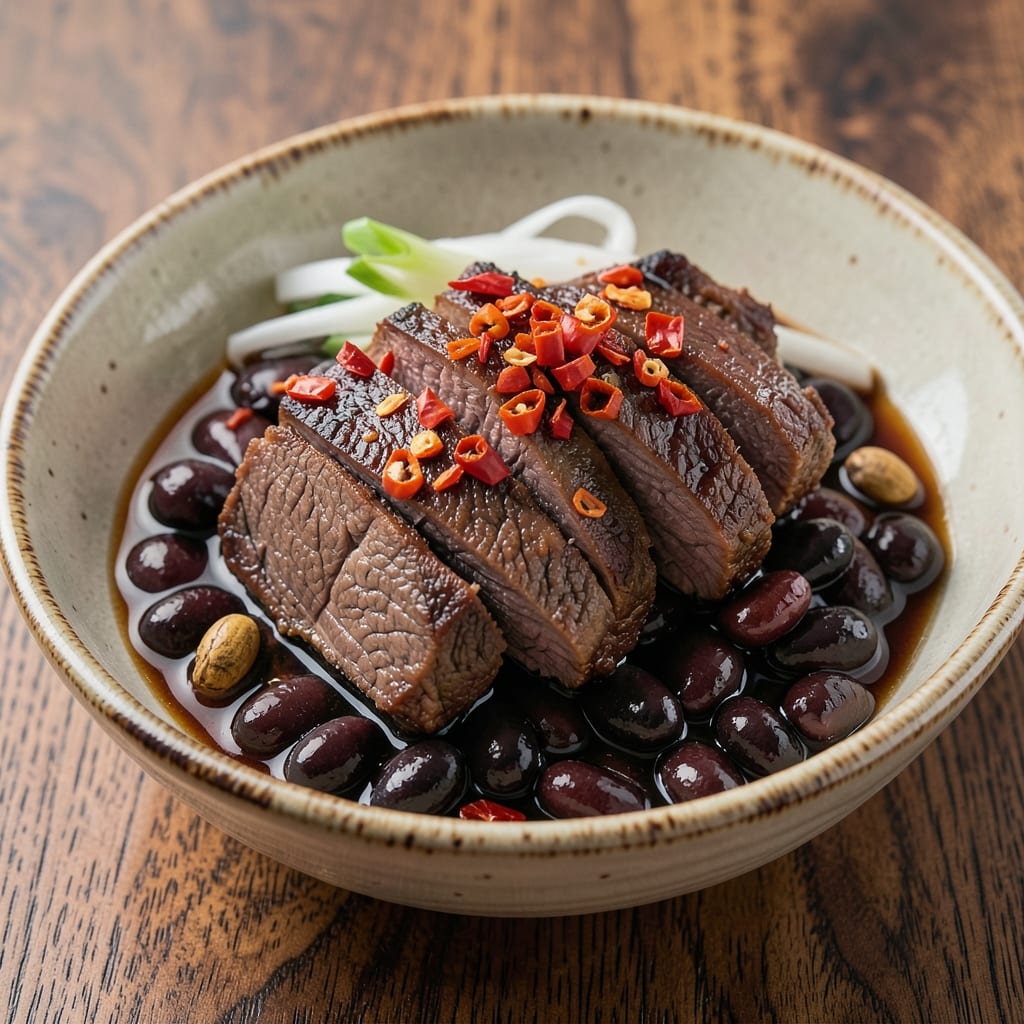
Beef à la Sichuan transforms humble beef into a masterpiece of texture and flavor—silky braised meat encased in a fiery peppercorn crust that tingles and tantalizes. This dish balances Sichuan’s signature heat with deep umami, where every bite delivers a symphony of spice, richness, and tender beef. The secret lies in the marinade and crust: Sichuan peppercorns and chili oil create that signature "málà" (numbing-spicy) sensation, while fermented black beans and soy add complexity.
The process begins with a 30-minute marinade that tenderizes the beef while infusing it with aromatic spices. After stir-frying to develop a crispy, peppercorn-encrusted exterior, the beef braises in a reduced sauce of soy, star anise, and a touch of sugar—creating a dish that’s both restaurant-worthy and deeply satisfying. The result? A plate where the beef melts in your mouth while the crust delivers layers of heat and numbing spice.
What makes this recipe stand out is its precision: the crust must be crispy yet tender, the sauce glossy and balanced, and the flavors harmonious without overpowering. Whether serving over steamed rice or with noodles, this dish delivers a restaurant-quality experience at home. The key is patience—letting the flavors meld and the textures develop.
Perfect for spice lovers who crave depth, this Sichuan classic transforms a simple cut of beef into a showstopper. The dish reheats beautifully, making it ideal for meal prep or entertaining. Ready to master the art of Sichuan? Let’s begin.
Ingredients for beef a la sichuan
Precision-crafted ingredients balance Sichuan’s signature heat with umami richness for restaurant-quality beef.
| Ingredient | Amount | Notes |
|---|---|---|
| Beef Chuck Roast 🥩 | 1 ½ lb | Cut into 1-inch cubes, trimmed of fat |
| Sichuan Peppercorns 🌶️ | 2 tbsp | Whole, lightly toasted for aroma |
| Dried Chili Flakes 🔥 | 1 tbsp | Adjust for preferred heat level |
| Fermented Black Beans 🫘 | ½ cup | Rinsed, drained, chopped |
| Light Soy Sauce 🥄 | ⅓ cup | High-quality brand preferred |
| Dark Soy Sauce 🥄 | 1 tbsp | For color depth and sweetness |
| Shaoxing Wine 🍷 | ¼ cup | Substitute dry sherry if unavailable |
| Star Anise Pods 🌟 | 2 whole | Crushed lightly for flavor infusion |
| Garlic Cloves 🧄 | 6 cloves | Minced for aromatic depth |
| Fresh Ginger 🌿 | 1 tbsp | Grated, for bright citrusy note |
| Brown Sugar 🍯 | 1 tbsp | Balances heat and umami |
| Sesame Oil 🫒 | 1 tbsp | Toasted, for nutty aroma |
| Cornstarch 🌾 | 1 tbsp | For sauce thickening |
| Green Onions 🧅 | ¼ cup | Sliced, for garnish |
| Vegetable Oil 🫒 | ½ cup | High smoke point for stir-frying |
The beef cut is critical—chuck roast delivers the ideal texture, breaking down into tender morsels while maintaining structure. For Sichuan peppercorns, whole, high-quality from Asian markets or specialty stores like Whole Foods or H Mart ensures authentic numbing-spicy flavor. Fermented black beans should be sour and funky—avoid sweetened varieties. The soy sauces must be light and dark for proper color contrast and depth. Shaoxing wine, if unavailable, can be substituted with dry sherry, though the flavor profile will differ slightly. Star anise pods should be lightly crushed to release their anise notes without becoming bitter.
No Sichuan peppercorns? Substitute with a blend of black pepper and cayenne (1:1 ratio), though the numbing effect will be lost. Fresh ginger can be swapped for powdered ginger at half the amount, but fresh provides superior brightness. The brown sugar can be replaced with white sugar, though it lacks the caramel notes. For a deeper umami profile, add 1 tsp of fish sauce (ensure vegetarian if needed). The cornstarch can be substituted with arrowroot powder for a slightly clearer sauce. If using pre-minced garlic, toast it first to remove moisture and enhance flavor. The vegetable oil should have a high smoke point (like avocado or peanut oil) to prevent burning during stir-frying.
Store the marinade in an airtight container in the refrigerator for up to 3 days, though it’s best used fresh. The cooked beef reheats beautifully—steam or microwave with a splash of water to maintain moisture. The dish keeps for 4-5 days in the fridge, with flavors deepening over time. For meal prep, portion into individual containers with a small amount of sauce to prevent drying. Freeze for up to 3 months, though texture may slightly degrade. Garnish with green onions and sesame seeds just before serving to preserve freshness.
Why You'll Love This Recipe
- One-Pan Magic: I swear by this recipe—just sear the beef, toss in the fermented black beans and Sichuan peppercorns, then let it slow-cook. No chopping, no fuss, and that deep, smoky aroma fills the kitchen while you’re still deciding what to watch on TV.
- Numb & Tingling Bliss: Between us, the Sichuan peppercorns aren’t just for show—they deliver that signature tingle that lingers like a good memory. That first bite? The chili flakes add heat, the soy sauce ties it all together, and suddenly, you’ve got a dish that’s both comforting and exciting.
- Leftovers That Shine: This beef gets better the next day. I’ll be real: I often make a double batch because reheating it turns the meat impossibly tender, and the sauce thickens into this glossy, addictive glaze. Pack it for lunches or freeze portions—no one will guess it’s yesterday’s dinner.
- Budget-Friendly Feast: A chuck roast and a handful of pantry staples? That’s all it takes. Fermented black beans add depth without costing a fortune, and the spices stretch across multiple meals. Honestly, it’s the kind of dish that makes me feel like I’m feeding a houseful of people without breaking the bank.
Step-by-step instructions for beef À la Sichuan
Master this Sichuan classic with precise technique and bold flavors that balance heat with depth.
Prepare the Sichuan Peppercorn Crust
Lightly toast the 2 tablespoons Sichuan peppercorns in a dry skillet over medium heat for 1-2 minutes until fragrant and slightly darkened. Immediately grind them coarsely in a spice grinder or mortar and pestle - the aroma should be intense and citrusy. Set aside.
Cut the 1.5 lb beef chuck roast into 1-inch cubes, trimming any excess fat. In a large bowl, combine the beef with the toasted Sichuan peppercorn powder, 1 tablespoon dried chili flakes, and 1 tablespoon sesame oil. Toss thoroughly until every piece is evenly coated. Let the seasoned beef rest for 15 minutes at room temperature - this ensures even cooking and maximum flavor penetration.
Sear the Beef for Deep Flavor
Heat 0.5 cup vegetable oil in a heavy-bottomed Dutch oven over high heat until shimmering. Working in batches to avoid crowding, sear the beef cubes for 2-3 minutes per side until deeply browned with a dark crust. The oil should sizzle vigorously - if it smokes excessively, reduce heat slightly. Transfer the seared beef to a plate and set aside.
In the same pot, add the 0.5 cup fermented black beans, 6 cloves minced garlic, and 1 tablespoon grated fresh ginger. Stir-fry for 1-2 minutes until the black beans soften slightly and release their deep umami essence. This step builds the aromatic foundation for the braise.
Build the Braising Sauce
Return all the seared beef to the pot. Add 0.33 cup light soy sauce, 1 tablespoon dark soy sauce, 0.25 cup Shaoxing wine, 2 lightly crushed star anise pods, and 1 tablespoon brown sugar. Bring to a simmer over medium-high heat, then reduce to low heat. Partially cover and let it cook for 1 hour, stirring occasionally, until the beef is tender but not falling apart.
After 1 hour, check the sauce consistency. If it's too thin, mix 1 tablespoon cornstarch with 2 tablespoons cold water and stir into the braise. Simmer for an additional 10-15 minutes until the sauce thickens to a glossy, velvety consistency that coats the back of a spoon.
Finish and Garnish
Remove the star anise pods. Taste and adjust seasoning - you may need to add a splash more light soy sauce for saltiness or a touch of Shaoxing wine for brightness. The sauce should be complex with layers of heat, umami, and sweetness.
Stir in 1 tablespoon toasted sesame oil and 0.25 cup sliced green onions. Ladle the beef and sauce into serving bowls, garnishing each portion with additional green onions. Serve immediately with steamed jasmine rice to soak up the rich, peppery sauce.
Pro Tips For Making Beef A La Sichuan
- Crisp the Black Beans First: The fermented black beans need a quick sear in oil—about 30 seconds—before adding anything else. I learned this the hard way: skipping this step makes them release bitterness instead of deep, nutty flavor. Use a dry pan and listen for that sizzle; it’s your cue they’re ready.
- Bloom the Sichuan Peppercorns: Toast the whole peppercorns in a dry pan for 10 seconds until fragrant, then crush them lightly with a mortar or rolling pin. This releases their numbing, citrusy oils—crushing them raw just makes the dish taste like sawdust. Do this before adding them to the beef, or you’ll regret it.
- Braise Low and Slow: After the initial sear, drop the heat to a simmer and cover the pot. If you rush it, the beef stays tough and the sauce turns greasy. I used to walk away after 2 hours, but the magic happens at 3–4 hours, when the collagen melts into a velvety broth. Patience here makes all the difference.
- Deglaze with Soy Sauce Last: Add the light soy sauce only in the final 10 minutes of cooking. Too early, and it burns, turning the sauce bitter. Instead, scrape up all the browned bits with a splash of water first, then let the sauce reduce before adding the soy. This keeps the balance bright and savory.
Common mistakes when making your beef a la sichuan
Overcrowding the Pan
When searing the beef, resist the urge to toss all the cubes into the pan at once. Crowding causes the temperature to drop, leading to steamed rather than seared beef. I've ruined many batches by overloading the pan—always work in batches of 4-5 pieces at a time. The goal is a deep, caramelized crust, not just warm beef. 🔥
Skipping the Rest Time
Letting the seasoned beef rest for 15 minutes before cooking seems minor, but it's crucial. Room-temperature beef cooks evenly, while cold beef releases moisture that steams instead of sears. I once skipped this step and ended up with unevenly cooked beef—some pieces were raw inside while others were overcooked. Patience here prevents frustration later.
Using Low-Quality Sichuan Peppercorns
Not all Sichuan peppercorns are created equal. Cheap, pre-ground versions lose their signature numbing-spicy kick. Toast whole, high-quality peppercorns from a specialty store like Whole Foods or H Mart—they should smell intensely citrusy and fragrant. I learned this the hard way when a budget brand left my dish tasting bland and one-dimensional. The crust won't deliver that signature "málà" sensation without them.
Neglecting the Sauce Reduction
The braising sauce needs time to develop depth. Rushing the 1-hour simmer results in a thin, flavorless liquid. I've made this mistake by checking the beef too early—only to find it still tough. Let the sauce reduce naturally; the beef will tenderize as the flavors meld. If it's too thin, thicken with cornstarch slurry, but never skip the initial reduction.
Overcooking the Beef
Beef à la Sichuan should be tender but still hold its shape. Overcooking turns it mushy, ruining the texture. Test doneness by piercing a piece with a fork—it should feel tender but not fall apart. I once let mine cook for 2 hours and ended up with beef that resembled ground meat. Stick to the 1-hour braise time and adjust based on your beef's tenderness.
Ignoring the Garnish
Fresh green onions and sesame oil aren't just for looks—they elevate the dish. Skipping them means missing the final layer of brightness and aroma. I've served this dish without garnish, and while it was still delicious, it lacked that restaurant-quality finish. Add them right before serving to preserve their freshness and enhance the overall experience. ✨
Nutrition facts
Frequently asked questions
Can I substitute chuck roast with another beef cut?
Yes, but choose wisely! Flank steak or sirloin work well for a quicker cook (reduce braising time to 45 minutes), while brisket needs longer (2 hours) due to its toughness. Avoid lean cuts like tenderloin—they dry out. For best results, stick with chuck roast for that signature tender-yet-firm texture.
How do I adjust the spice level for sensitive eaters?
Start by reducing the dried chili flakes to ½ tablespoon and omit half the Sichuan peppercorns. For extra mildness, add 1 teaspoon of sugar to balance heat. The numbing-spicy effect comes from the peppercorns, so you can't fully remove it—but you can certainly dial it back!
Can I make this dish in a slow cooker?
Sear the beef first, then transfer everything to a slow cooker and cook on low for 6-7 hours or high for 3-4 hours. The texture will be slightly softer, but the flavors deepen beautifully. Just skip the cornstarch thickening—slow cooking reduces the sauce naturally. The result is perfect for meal prep!
What’s the secret to that perfect peppercorn crust?
Three things: toast the peppercorns until fragrant, coat the beef thoroughly (no dry spots!), and sear at high heat until deeply browned. The crust should crackle slightly when you bite into it. Pro tip: Use a wire whisk to toss the beef in the oil for even coating.
How long will leftovers keep, and how should I reheat them?
Leftovers stay fresh for 4-5 days in the fridge. Reheat gently in a skillet with 1 tablespoon of oil over low heat for 5-7 minutes, adding a splash of water to prevent drying. Microwave reheating works too, but the sauce may thicken—stir in a teaspoon of water or soy sauce to restore glossiness.