
Soups & Stews
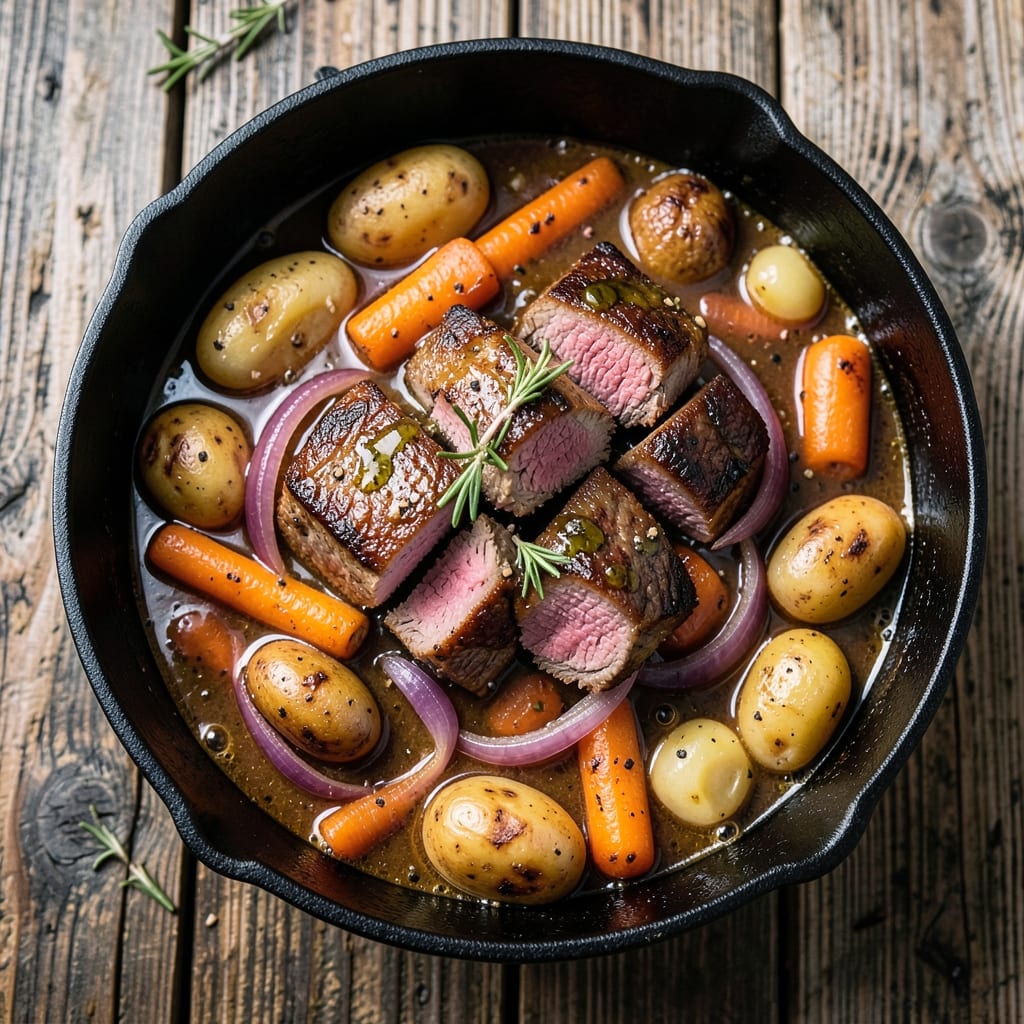
This beef stew with beer recipe transforms tough cuts into melt-in-your-mouth tenderness using the deep malty richness of beer as its secret weapon. The slow braising process unlocks layers of flavor—caramelized beef, tender vegetables, and a sauce that's thick, velvety, and packed with umami from the beer's natural depth. I developed this recipe after years of experimenting with different braising liquids, and beer consistently delivers that restaurant-quality depth you can't get with broth alone.
The key to success lies in proper browning and deglazing—this creates the flavor foundation that beer enhances. Start with a dark beer like stout or porter for maximum richness, but any beer with at least 5% ABV works. The long, low simmer (3-4 hours) breaks down collagen in the beef, transforming it into tender, fork-shreddable pieces while vegetables soften to perfect bite. This isn't just a stew; it's a hearty, comforting meal that tastes even better the next day.
What makes this recipe truly special is how the beer's maltiness interacts with the meat's natural flavors. The alcohol cooks off during simmering, leaving behind sweet, toasty notes that balance the stew's savory depth. Each bite delivers perfectly tender beef, caramelized onions, and potatoes that soak up the rich, beer-infused sauce. The aroma alone will have everyone gathering around your table—this is the kind of meal that turns ordinary weeknights into special occasions.
Serve with crusty bread for soaking up every last drop of that malty goodness, or pair with buttered noodles for a heartier presentation. The beauty of this recipe is its versatility—it works equally well as a weeknight dinner or holiday centerpiece. Let's get started on creating this deeply satisfying beef stew that will become your new go-to comfort food.
Ingredients for beef stew with beer
Six hearty ingredients plus beer's malty magic create this restaurant-quality beef stew.
| Ingredient | Amount | Notes |
|---|---|---|
| Beef Chuck Roast 🥩 | 3 lb | Cut into 1.5-inch cubes |
| Yellow Onions 🧅 | 3 whole | Cut into large chunks |
| Carrots 🥕 | 4 whole | Cut into 2-inch pieces |
| Russet Potatoes 🥔 | 3 lb | Cut into 2-inch chunks |
| Dark Beer 🍺 | 2 cups | Stout or porter, 5%+ ABV |
| Beef Broth 💧 | 2 cups | Low-sodium preferred |
| Tomato Paste 🍅 | 2 tbsp | For depth of flavor |
| Garlic Cloves 🧄 | 4 cloves | Minced for aroma |
| Fresh Thyme 🌿 | 2 tbsp | Chopped sprigs |
| Fresh Rosemary 🌿 | 1 tbsp | Chopped sprigs |
| Olive Oil 🫒 | ½ cup | For browning beef |
| Salt 🧂 | 1 ½ tsp | Kosher or sea salt |
| Black Pepper 🌶️ | 1 tsp | Freshly ground |
| Bay Leaves 🍃 | 2 whole | For subtle flavor |
| Worcestershire Sauce 🍯 | 1 tbsp | For umami depth |
The beef is non-negotiable—chuck roast has the perfect fat-to-meat ratio for braising. Costco or local butchers usually have it pre-cut, but if you're buying a whole roast, ask for the chuck section. Look for good marbling (white flecks in the meat)—that's where the flavor hides. The beer? Dark stouts or porters from local breweries add the most depth, but any beer with at least 5% ABV works. I always grab a six-pack when I make this—you'll want extra for drinking too.
No dark beer? Substitute beef broth plus 1 tbsp balsamic vinegar for similar depth. Fresh thyme and rosemary are ideal, but dried works at one-third the amount. The tomato paste can be skipped if you're short, but trust me on keeping it—it adds that caramelized richness. For the Worcestershire, Lea & Perrins is the gold standard, but any quality brand works. If you're using baby carrots, leave them whole—they'll soften perfectly without falling apart.
This stew tastes even better the next day—3-4 days in the fridge, 3 months frozen. I always make a double batch because it reheats beautifully. Store in airtight containers with the lid slightly loose so flavors can meld. The potatoes will soften further overnight, soaking up all that malty goodness. For serving, I like to sprinkle with fresh parsley right before eating—adds a bright pop of color and freshness.
Why You'll Love This Recipe
- One-Pot Magic: I swear by this—just dump everything in a Dutch oven and walk away. The chuck roast practically melts itself, while the onions caramelize in the beer without a single extra pan to scrub.
- Beer-Braised Bliss: That dark beer isn’t just for drinking—it’s the secret weapon. It deepens the beef’s richness and cuts through the fat, leaving you with tender chunks and a sauce so good you’ll want to spoon it straight from the pot.
- Budget-Buster with Bragging Rights: A chuck roast stretches across meals, and potatoes soak up all the flavor without breaking the bank. Serve it at game day, a cozy night in, or even as a potluck showstopper—no one will guess it’s this easy.
Step-by-step instructions for beef stew with beer
Here's how to build a hearty, malty stew that gets richer with every bite.
Sear the Beef Chuck Roast for Deep Flavor
Heat the 0.5 cup olive oil in a large Dutch oven over medium-high heat until shimmering. Pat the 3 lb beef chuck roast dry with paper towels and cut it into 1.5-inch cubes. Working in batches, add the beef to the pot and sear for 3-4 minutes per side until deeply browned.
Don't crowd the pan—this is where the magic happens. The caramelized crust creates layers of flavor that'll dissolve into the stew. Once all the beef is browned, remove it from the pot and set it aside on a plate. You'll notice the beef releases easily when properly seared—that's your signal it's ready.
Build the Flavor Base with Onions, Carrots, and Aromatics
In the same Dutch oven, add the 3 whole yellow onions cut into large chunks and the 4 whole carrots cut into 2-inch pieces. Cook for 8-10 minutes until the onions soften and begin to caramelize, stirring occasionally. Add the 4 cloves minced garlic, 2 tbsp chopped fresh thyme, and 1 tbsp chopped fresh rosemary, cooking for another 1 minute until fragrant.
Here's the thing—don't rush this step. The deeper the caramelization on the onions, the more complex the stew's flavor. If the onions start to brown too quickly, reduce heat slightly. Once the aromatics are ready, stir in the 2 tbsp tomato paste and cook for 1 minute to deepen the sauce.
Deglaze and Combine All Liquid Ingredients
Pour in the 2 cups dark beer and scrape up all the browned bits from the bottom of the pot with a wooden spoon. This deglazing step captures all that meaty flavor. Add the 2 cups beef broth, 1.5 tsp salt, 1 tsp black pepper, 1 tbsp Worcestershire sauce, and 2 whole bay leaves. Bring the mixture to a gentle simmer over medium heat.
Return the seared beef to the pot and stir to combine. The liquid should just barely cover the beef—if it looks too thin, don't worry, it'll thicken as it cooks. The bay leaves will infuse subtle earthy notes, while the Worcestershire sauce adds that unmistakable umami depth that makes this stew sing.
Simmer Until Tender and Potatoes Are Perfect
Cover the pot and transfer it to a 325°F oven. Let it cook for 2 hours to render fat from the beef and begin breaking it down. After 2 hours, add the 3 lb russet potatoes cut into 2-inch chunks. Return to the oven and cook uncovered for another 45-60 minutes until the potatoes are fork-tender and the beef is fork-tender with no resistance.
Real talk: your oven might run hot, so start checking at the 45-minute mark. The potatoes should be soft enough to pierce easily with a fork but still hold their shape. The stew should have thickened to a rich consistency with just enough liquid to coat the back of a spoon.
Adjust Seasoning and Serve Warm
Remove the 2 whole bay leaves and taste the stew. Adjust seasoning with additional salt or black pepper if needed. The beer and broth should have mellowed into a deep, malty flavor with just a hint of bitterness. If the stew is too thick, whisk in 1-2 tablespoons of water or broth to reach your preferred consistency.
Ladle the stew into bowls and serve immediately with crusty bread. Each bite should deliver tender beef, caramelized vegetables, and that perfect balance of malty beer flavor. The potatoes should be creamy inside with a slightly crisp edge from the long simmer. Leftovers actually taste better the next day as the flavors meld even more.
Pro Tips For Making Beef Stew With Beer
- SEAR THE ROAST FIRST: That beef chuck won’t tenderize itself—get it deep brown in a hot Dutch oven with 2 tablespoons of oil before adding anything else. I used to skip this, and the stew always tasted like it needed more depth. High heat. Seriously, crank it up until you see a crust, then back off.
- CUT POTATOES LARGE: Russets break down fast, so chop them into 2-inch chunks—they’ll soften perfectly without turning to mush. Small dice? You’ll end up with a gluey mess. Trust me, I’ve served that to guests. (They didn’t ask for seconds.)
- DEGLAZE WITH BEER IMMEDIATELY: As soon as you remove the roast, pour that dark beer into the hot pan right away—scrape up every browned bit stuck to the bottom. Waiting even 30 seconds means losing half the flavor. This is the thing that matters most for that rich, caramelized taste.
- ADD POTATOES LAST: Toss them in during the final 20 minutes of cooking—any earlier, and they’ll turn to paste. If you’re short on time, parboil them for 5 minutes first, but drain well. (Your future self will thank you when they’re still holding shape.)
Wine and beer pairings for this beef stew with beer
Beer Selection Guide
For maximum depth, choose a dark beer with at least 5% ABV—think stouts, porters, or amber ales. I love using Guinness for its roasted maltiness or Allagash Dark Ale for a smoother profile. The higher the alcohol content, the more flavor it contributes before evaporating during cooking. Avoid light lagers—they lack the body and malt sweetness that enriches the stew. 🍺
Wine Pairings
A bold red wine complements the stew's richness perfectly. Try a Cabernet Sauvignon from Napa Valley—its dark fruit and tannins stand up to the beer's maltiness. For something lighter, a Syrah from the Rhône Valley offers spicy notes that cut through the stew's depth. Avoid overly oaky whites or delicate rosés—they'll get lost in the stew's robust flavors.
Beer Pairing Tips
If you're drinking the same beer you cooked with, save a separate bottle—stale beer ruins the stew. For a different beer pairing, opt for a hoppy IPA or Belgian-style ale to contrast the stew's richness. The carbonation cleanses your palate between bites. I often pair this stew with a local craft IPA to highlight the beer's complexity in both the dish and drink. 🍻
Non-Alcoholic Options
Skip the beer entirely? Use 2 cups beef broth plus 1 tbsp balsamic vinegar for similar depth. For a non-alcoholic beer alternative, try O'Doul's Amber—it mimics the maltiness without the alcohol. The key is balancing the stew's richness with a drink that enhances, not overpowers, its flavors. A crisp sparkling water with lemon also works beautifully for contrast.
Serving with Beer
Serve the stew with a freshly poured glass of the same beer you cooked with—it creates a cohesive dining experience. The beer's bitterness balances the stew's sweetness, while its carbonation refreshes your palate. For a fun twist, offer mini beer flights with different styles (stout, porter, amber) to let guests explore flavor pairings. 🍺
Nutrition facts
Frequently asked questions
Can I use any beer in this recipe?
While any beer works, dark beers with at least 5% ABV like stouts or porters deliver the best flavor. The maltiness and body enhance the stew's richness. Light lagers lack the depth needed for this dish. For a non-alcoholic option, use O'Doul's Amber or beef broth with balsamic vinegar.
Why does the beef need to be seared?
Searing creates a flavorful crust that dissolves into the stew during cooking. This step develops deep, caramelized notes that beer enhances beautifully. Skipping it results in bland-tasting beef. Work in batches to avoid crowding the pan—this ensures proper browning.
How do I know when the potatoes are done?
Potatoes should be fork-tender with slight resistance—pierce them easily but not mushy. Start checking at 45 minutes of the final cooking time. They'll continue softening slightly while resting. The stew's sauce should coat the back of a spoon but not be watery.
Can I make this stew on the stovetop instead of the oven?
Yes, but it requires more attention. Simmer uncovered on low heat for 3-4 hours, stirring occasionally to prevent sticking. The oven method is preferred as it maintains even heat and allows for hands-off cooking. For stovetop, check the beef's tenderness every 30 minutes.
What's the best way to reheat leftovers?
Reheat gently on the stovetop over low heat with a splash of water or broth to prevent drying. Microwave in short bursts, stirring between each. The stew actually tastes better reheated as flavors meld further. Store in airtight containers for up to 4 days or freeze for 3 months.