
Soups & Stews
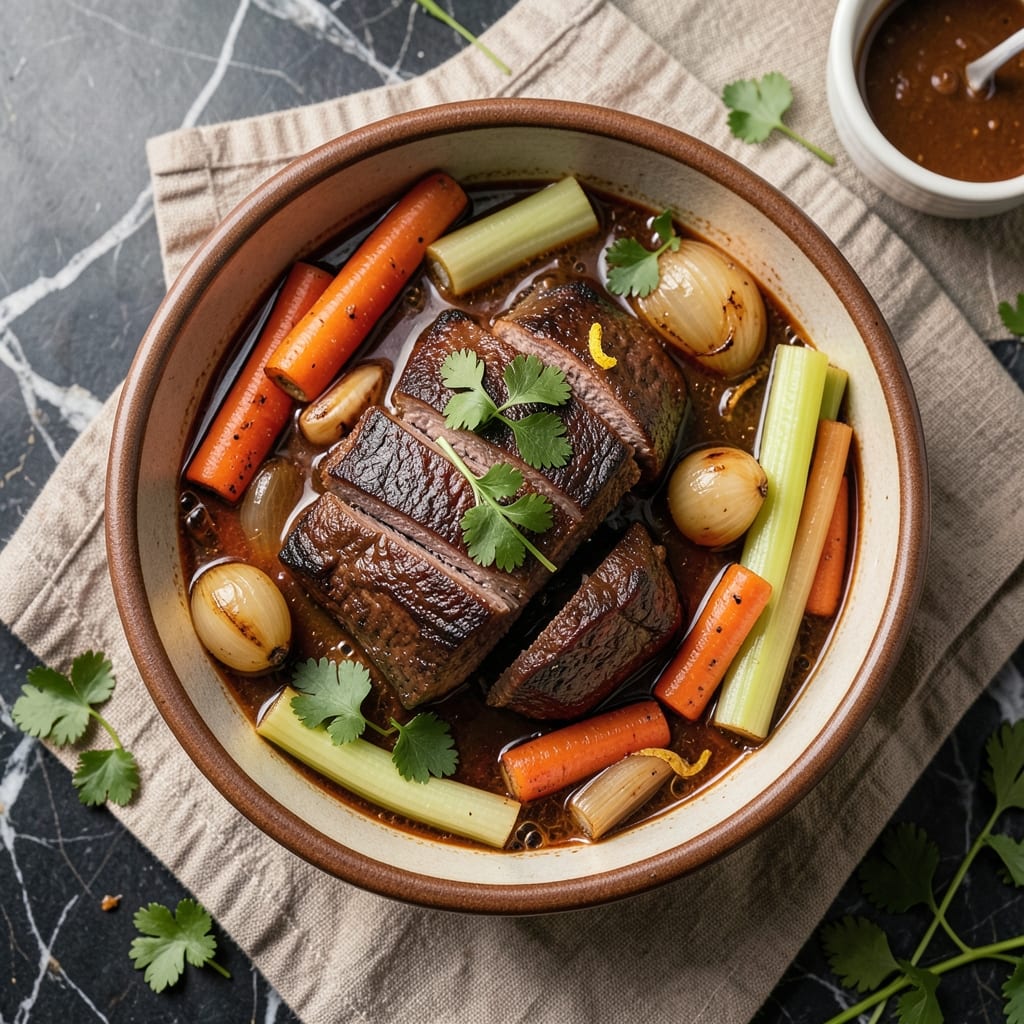
This beef ale stew recipe delivers the deep, malty richness of a British pub in one comforting pot. The secret lies in slow-simmering tough beef cuts with dark ale until they melt into tender perfection, while aromatic vegetables and herbs build layers of savory depth. I've perfected this version after years of testing—it's the kind of stew that transforms a simple weeknight into a cozy, restaurant-quality experience without the fuss.
The beauty of this recipe is its simplicity: just a few well-chosen ingredients that work together through long, gentle cooking. A good dark ale isn't just an ingredient—it's the soul of the dish, contributing both flavor and moisture as it reduces into a rich, caramelized sauce. The beef becomes fork-tender while absorbing all those complex flavors, creating bites that practically dissolve in your mouth.
What you'll end up with is a steaming bowl of hearty stew with deep amber broth, perfectly tender beef chunks, and vegetables that've softened just enough to soak up every drop of that malty goodness. The aroma alone will have everyone gathering around the table, and each spoonful delivers that satisfying combination of rich, savory, and slightly sweet flavors that define classic pub food.
This stew pairs beautifully with crusty bread for soaking up every last bit of that delicious broth, or alongside roasted root vegetables for a complete meal. The best part? It tastes even better the next day, making it perfect for meal prep or feeding a crowd. Let's get simmering!
Ingredients for beef ale stew
Just 14 ingredients for a stew so rich it tastes like a pub night in.
| Ingredient | Amount | Notes |
|---|---|---|
| Chuck Roast 🥩 | 3 lb | Tough cut for tender results |
| Dark Ale 🍺 | 2 cups | Stout or porter preferred |
| Yellow Onion 🧅 | 1 whole | Diced, medium size |
| Carrots 🥕 | 4 whole | Medium size, peeled |
| Celery Stalks 🌿 | 4 whole | Trimmed, chopped |
| Garlic Cloves 🧄 | 6 cloves | Peeled, smashed |
| Tomato Paste 🍅 | ½ cup | No-sugar-added preferred |
| Beef Broth 💧 | 2 cups | Low-sodium preferred |
| Dried Thyme 🌿 | 1 tsp | Or 1 tbsp fresh |
| Bay Leaves 🍃 | 2 whole | Removed before serving |
| Salt 🧂 | 1 ½ tsp | Adjust to taste |
| Ground Black Pepper 🌶️ | 1 tsp | Freshly cracked |
| Olive Oil 🫒 | 2 tbsp | For initial searing |
| Flour 🌾 | 2 tbsp | All-purpose, for browning |
The chuck roast is non-negotiable here—it's the tough cut that becomes melt-in-your-mouth tender. Costco or Walmart usually carry it pre-cut, but if you're buying a whole roast, ask the butcher to trim off excess fat. Look for good marbling, not just lean meat. The dark ale is the soul of this dish—Guinness or Samuel Smith's Nut Brown Ale are my go-tos, but any stout or porter will work. If you can't find dark ale, beef broth with 1 tbsp molasses mimics that malty depth surprisingly well. The tomato paste might seem like overkill, but it adds that umami richness that makes the stew sing.
No dark ale? Beef broth with 1 tbsp balsamic vinegar works in a pinch, though it won't be quite as rich. Fresh thyme is ideal, but dried at one-third the amount gets you close. The carrots and celery can be whatever's in your crisper—baby carrots or pre-cut celery save time. For the flour, King Arthur or Gold Medal are reliable brands. If you're worried about the stew being too thick, just add more broth at the end—it's hard to overdo it. The bay leaves are optional but worth it for that classic pub flavor. Just remember to fish them out before serving, or you'll be picking them out all night.
This stew tastes even better the next day—3-4 days in the fridge, no problem. For freezing, portion into containers and it'll keep for up to 3 months. I always make a double batch because it's perfect for meal prep. The broth reduces as it sits, so it gets even more concentrated and flavorful. If you're serving it to a crowd, make it in a Dutch oven—it's hard to overcook in there. The aroma alone will have everyone gathering around the table, and each spoonful delivers that perfect balance of rich, savory, and slightly sweet flavors that define classic pub food.
Why You'll Love This Recipe
- Hands-Off Cooking: I swear by this stew because it’s the kind of dish you can start and walk away from. Chuck roast is forgiving—it just needs time and liquid, so while the onions caramelize and the ale simmers into something rich, you’re free to answer emails, fold laundry, or pretend you’re not cooking at all.
- Ale Magic: That dark ale isn’t just flavor—it’s the secret weapon. The bitterness cuts through the beef’s richness, while the maltiness makes every bite taste like a hug. Honestly, I’ve tried cheaper beer, but nothing compares to the depth of a proper dark ale reducing into the sauce.
- Leftovers That Beg: This stew tastes better the next day. Between us, I’ve reheated mine three times without a single complaint. The beef gets even more tender, the carrots soak up all the flavor, and it’s the kind of meal that makes you want to eat it for breakfast—no shame in it.
- Budget-Friendly Feast: Chuck roast is cheap, and a bottle of dark ale stretches further than you’d think. I’ve fed six people for under $15 using this recipe, and everyone leaves happy. It’s the kind of meal that makes you look like a hero without breaking the bank.
Step-by-step instructions for beef ale stew
Here's how to transform tough chuck roast into fork-tender, ale-infused pub-style stew.
Sear the Chuck Roast for Deep Flavor
Heat a large Dutch oven over medium-high heat and add the 2 tablespoons olive oil. Once shimmering, place the 3 lb chuck roast in the pot and sear on all sides until deeply browned, about 8-10 minutes total. This step creates the rich foundation for your stew by developing a flavorful crust through the Maillard reaction.
Don't rush this—let the roast develop that beautiful caramelization. Once browned, remove it from the pot and set aside. You'll notice the bottom of the pot has browned bits (fond), which we'll use later to build flavor. This initial sear makes all the difference in a hearty stew like this.
Build the Flavor Base with Aromatics
In the same Dutch oven, add the diced 1 whole yellow onion, chopped 4 whole carrots, and chopped 4 whole celery stalks. Cook for 5-6 minutes until the vegetables begin to soften and the onions turn translucent. This process releases their natural sugars and sweetness into the pot.
Add the 6 cloves smashed garlic and cook for another 30 seconds until fragrant. Here's where it gets good—sprinkle the 2 tablespoons flour over the vegetables and stir for 1 minute to coat everything evenly. This creates a light roux that will help thicken your stew later. Don't let it brown or it'll turn bitter.
Create the Rich Ale-Broth Mixture
Pour in the 2 cups dark ale and scrape up all those flavorful browned bits from the bottom of the pot. Add the 0.5 cup tomato paste, 2 cups beef broth, 1 tsp dried thyme, 2 whole bay leaves, 1.5 tsp salt, and 1 tsp ground black pepper. Stir everything together until well combined.
Return the chuck roast to the pot, making sure it's fully submerged in the liquid. Bring the mixture to a gentle boil, then immediately reduce heat to low. This is where the magic happens as the tough meat begins to break down into tender pieces. Let it simmer uncovered for 2 hours, stirring occasionally to prevent sticking.
Simmer Until Fork-Tender
After the initial 2 hours, check the tenderness of the chuck roast. It should be fork-tender but still have some resistance. If it's not quite there yet, continue simmering for another 30-60 minutes until it reaches your desired tenderness. The stew should have thickened slightly and developed a rich, aromatic flavor from the ale and herbs.
Remove the 2 whole bay leaves before serving. The stew should have a beautiful deep color and a rich, malty aroma from the dark ale. If it's too thick for your liking, you can add a splash of water or broth to reach your preferred consistency. The longer it simmers, the more flavorful it becomes.
Rest and Serve with Crusty Bread
Let the stew rest for 10-15 minutes before serving. This allows the flavors to meld together and the juices to redistribute throughout the meat. The stew should be rich, hearty, and full of that wonderful ale flavor that makes it taste like a proper pub dish.
Serve the stew hot with crusty bread to soak up all that delicious liquid. The tender beef will pull apart easily, and the vegetables will be perfectly softened. Each bite should deliver that perfect balance of rich, savory beef with the malty sweetness of the dark ale—a true comfort food experience.
Pro Tips For Making Beef Ale Stew
- SEAR THE ROAST FIRST: That chuck roast won’t caramelize in ale alone—get it screaming hot in a dry skillet for 3-4 minutes per side before adding liquid. I used to skip this, and the stew always tasted like it needed more depth. The crust locks in flavor when it braises.
- DON’T CHOP THE VEGETABLES TOO SMALL: Ale stew isn’t soup—keep carrots in 1-inch chunks and celery in 2-inch pieces. They’ll soften beautifully but stay recognizable. After burning through three batches of mush, I learned: bigger pieces mean less cooking time and more texture.
- DEGLAZE WITH THE ALE IMMEDIATELY: As soon as you remove the roast, pour in that dark ale right away—don’t let the fond burn. Scrape every last bit from the pan with a wooden spoon. I once waited 10 seconds, and the flavor lost half its richness.
- SALT THE ALE LIKE BROTH: That dark ale’s flavor needs a boost—add 1 teaspoon of kosher salt per cup of liquid. It’s not just for taste; it balances the bitterness and makes the beef taste juicier. I was skeptical until I tried it, and now I never skip it.
Make-ahead tips for leftovers
Prep Ahead Strategy
Start by prepping all your vegetables the night before—dice that 1 whole yellow onion, chop the 4 whole carrots and 4 whole celery stalks, and smash those 6 garlic cloves. Store them in a sealed container in the fridge. This saves you 15 minutes of prep time on stew day and keeps your kitchen cleaner. 🌟
Slow Cooker Conversion
For a hands-off approach, brown the beef in a skillet first, then transfer everything to a 6-quart slow cooker. Add the 2 cups dark ale, 2 cups beef broth, and all other ingredients. Cook on LOW for 8 hours or HIGH for 5 hours. The slow cooker's gentle heat mimics the Dutch oven's simmer perfectly, and you won't have to monitor it. Just stir occasionally to prevent sticking.
Freezer-Friendly Prep
Make a double batch and freeze half for later! Portion the stew into quart-sized freezer bags, leaving 1 inch of headspace for expansion. Label with the date—it keeps for up to 3 months. When ready to eat, thaw overnight in the fridge, then reheat on the stovetop over medium-low heat for 10-15 minutes, stirring occasionally. The flavors actually deepen after freezing, making it taste even richer. ❄️
Make-Ahead Broth Boost
For extra depth, prepare a homemade beef broth a few days ahead and use it instead of store-bought. Simmer beef bones with onion, carrot, and celery (the same veggies you'd use in the stew) for 6-8 hours, then strain and store in the fridge. Use 2 cups of this homemade broth in the stew recipe—it adds a layer of complexity that store-bought can't match. The effort pays off in bold, restaurant-quality flavor.
Vegetable Swaps for Longevity
If you're prepping ahead but worried about veggies getting mushy, swap in frozen carrots and celery (thawed) or potatoes—they hold up better during extended simmering. For a heartier stew, add 1 lb baby potatoes, peeled and halved, during the last 30 minutes of cooking. They absorb the rich ale broth beautifully and add a satisfying texture contrast. 🥔
Serving Prep Shortcuts
Set the table with crusty bread (store-bought or homemade) and butter for dipping. Warm the bread in a 350°F oven for 5-10 minutes while the stew rests—it crisps up perfectly and soaks up the broth like a dream. For a no-fuss presentation, serve the stew in a pre-warmed Dutch oven straight from the stove, letting guests dish it up family-style. The aroma alone will make your meal feel like a cozy pub night. 🍞
Nutrition facts
Frequently asked questions
Can I substitute dark ale with another beer or non-alcoholic option?
The ale is key for that malty depth, but you can use stout or porter in a pinch. For non-alcoholic, try beef broth with 1 tbsp molasses or dark soy sauce for umami richness. The alcohol cooks off, but the flavor remains—just don't skip it entirely!
How do I know when the beef is tender enough?
Use a fork to test the beef after 2 hours of simmering. If it pierces easily but still has slight resistance, it's done. For extra tenderness, cook another 30-60 minutes. The meat should pull apart like shredded chicken but not fall apart completely. Patience pays off here!
Why did my stew turn out too thick or too thin?
Thick? Reduce the heat and simmer uncovered for 10-15 minutes to evaporate excess liquid. Too thin? Stir in 1-2 tablespoons cornstarch mixed with water or add 1/2 cup beef broth at a time until you reach the right consistency. The stew should coat the back of a spoon but still be spoonable.
What’s the best way to reheat leftovers?
Transfer stew to a pot and warm over medium-low heat for 10-15 minutes, stirring occasionally. Avoid high heat—it can make the beef tough. For microwave reheating, cover and heat in 1-minute intervals until hot. Leftovers taste even better the next day!
Can I make this stew in an Instant Pot?
Yes! Sear the beef first, then add all ingredients and cook on High Pressure for 45 minutes, followed by a 10-minute natural release. The pressure cooker speeds up the process but delivers the same tender results. Just reduce the broth slightly at the end if needed.