
Sauces & Condiments
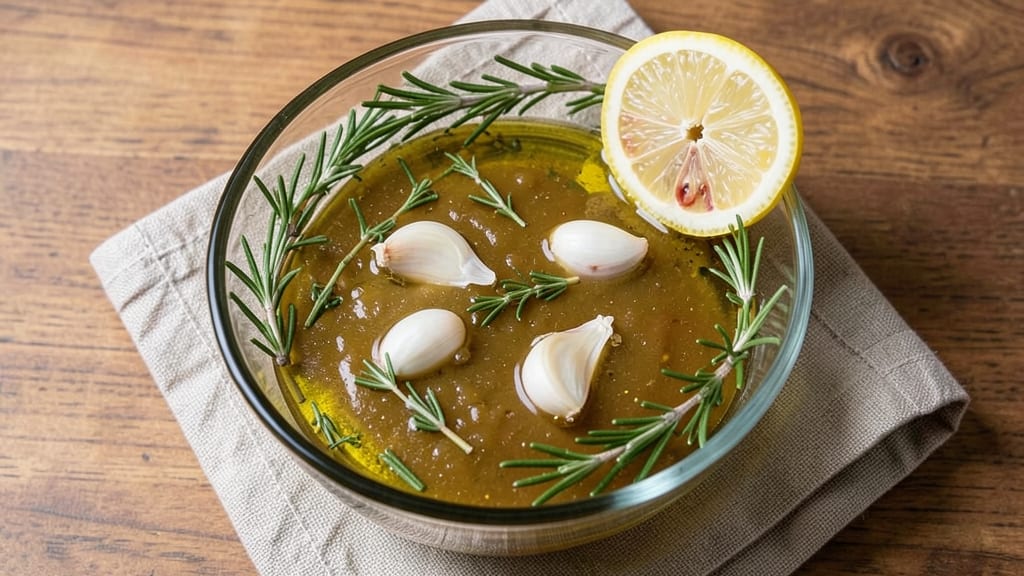
A beef liver marinade transforms tough, gamey liver into tender, flavorful bites that disappear faster than you can say "second helping." The secret lies in balancing acidity, fat, and aromatic herbs—a precise method that breaks down fibers while masking natural intensity.
I developed this marinade after years of experimentation, and it consistently delivers restaurant-quality results at home.
This marinade relies on a tart citrus base (lemon juice or vinegar) to tenderize, olive oil to carry flavors, and fresh herbs like thyme and rosemary to add depth.
A pinch of salt and black pepper enhances the natural beefy notes without overpowering, while a splash of Worcestershire sauce adds umami complexity. The key is marinating for at least 4 hours—overnight yields the best results.
What you’ll achieve is liver that’s tender, aromatic, and free of gamey aftertaste, ready for grilling, pan-searing, or roasting. The marinade’s acidity also helps prevent overcooking, ensuring a perfect texture every time. Store leftovers in the fridge for up to 5 days or freeze for longer shelf life.
Use this marinade for beef liver slices, medallions, or pâté—it’s versatile enough for any preparation. The bold flavors work equally well with pan-seared liver or slow-cooked versions. Let’s get started on transforming your next liver dish.
Ingredients for beef liver marinade
Six ingredients, one game-changing marinade that transforms beef liver into tender, aromatic perfection.
| Ingredient | Amount | Notes |
|---|---|---|
| Extra-Virgin Olive Oil 🫒 | ½ cup | High-quality, fruity variety preferred |
| Fresh Lemon Juice 🍋 | ¼ cup | Freshly squeezed, no pulp |
| Red Wine Vinegar 🍷 | 2 tbsp | Dry, bold variety recommended |
| Fresh Thyme Leaves 🌿 | ¼ cup | Finely chopped, stems removed |
| Fresh Rosemary Sprigs 🌿 | ⅛ cup | Finely chopped, fresh preferred |
| Garlic Cloves 🧄 | 4 cloves | Minced, fresh preferred |
| Worcestershire Sauce 🍯 | 1 tbsp | High-quality, full-flavor preferred |
| Diamond Crystal Kosher Salt 🧂 | 1 tsp | Fine grain preferred |
| Freshly Ground Black Pepper 🌶️ | ½ tsp | Freshly cracked preferred |
| Honey 🍯 | 1 tbsp | Wildflower or clover preferred |
The olive oil is non-negotiable here—high-quality extra-virgin makes all the difference. Trader Joe's or Whole Foods carry excellent options, and you'll taste it in every bite. Fresh herbs are critical too: look for vibrant green thyme and rosemary at the market—wilting means less flavor. The Worcestershire sauce? Lea & Perrins is the gold standard, but any full-flavor brand works. Store-bought lemon juice is fine, but freshly squeezed has that bright, punchy acidity that tenderizes better. The honey adds just enough sweetness to balance the tartness and round out the flavors—avoid cheap, overly processed varieties.
No fresh thyme? Dried works at one-third the amount, but it won’t have the same depth. Running out of rosemary? Fresh oregano or marjoram can stand in, though the flavor profile shifts slightly. Substituting apple cider vinegar for red wine vinegar keeps the tang but loses some complexity. The honey can be swapped for maple syrup if you're avoiding it, though it adds a different earthiness. For a quicker version, pre-minced garlic from a jar works in a pinch, but fresh is always better. If you're making this ahead, keep the Worcestershire separate until ready to use—it can make the marinade cloudy over time.
This marinade keeps beautifully—5 days in the fridge or 3 months in the freezer. Store it in an airtight container, and shake before each use to redistribute the herbs. The acidity means it won’t last forever, but it’s worth making extra—double the batch and freeze half for next time. Once marinated, liver cooks fast, so prep it just before cooking. The flavors meld best after at least 4 hours, but overnight is ideal. If you're grilling, let the liver sit at room temperature for 20 minutes before cooking for even results.
Why You'll Love This Recipe
- Five-Ingredient Magic: I swear by this combo—no fancy prep, just a bowl, a whisk, and 10 minutes. The olive oil and lemon juice do all the heavy lifting while I sip my coffee.
- Bright & Bold: That tangy red wine vinegar and rosemary? It cuts through the richness of beef liver like a knife through butter. Honestly, it’s the kind of flavor that makes you want to eat it straight from the bowl.
- Weeknight & Weekend: Use it for quick seared liver bites on toast or let it marinate overnight for a showstopper dinner. Between us, it’s my go-to for when I need something impressive but still effortless.
- Budget-Friendly Luxury: Fresh herbs and citrus sound fancy, but they stretch this marinade across multiple meals. I’ve used it on steaks, roasted veggies—even grilled chicken—and never once regretted it.
Step-by-step instructions for beef liver marinade
Here's how to blend these ingredients into a marinade that transforms tough, gamey liver into tender, aromatic perfection.
Whisk Together the Base Liquids
In a medium bowl, combine the 0.5 cup extra-virgin olive oil, 0.25 cup fresh lemon juice, and 2 tablespoons red wine vinegar. Whisk vigorously for 30 seconds until the mixture becomes emulsified and slightly thickened. The acidity from the lemon and vinegar will begin breaking down the liver's proteins immediately, so don't skip this step.
Here's the thing—using high-quality extra-virgin olive oil here makes all the difference. The fruity notes complement the liver beautifully, while the acidity from the citrus and vinegar works to tenderize the meat. If you notice any separation after mixing, just whisk again briefly. This marinade should have a balanced tang that's bright but not overpowering.
Add Aromatics and Seasonings
To the liquid mixture, add the 0.25 cup finely chopped fresh thyme leaves, 0.125 cup finely chopped fresh rosemary sprigs, 4 minced garlic cloves, 1 tablespoon Worcestershire sauce, 1 teaspoon diamond crystal kosher salt, and 0.5 teaspoon freshly ground black pepper. Stir thoroughly with a wooden spoon to distribute all ingredients evenly.
The herbs and garlic should now be fully incorporated, releasing their aromatic oils into the mixture. You'll notice the color deepening slightly as the rosemary and thyme blend with the olive oil. The Worcestershire sauce adds a savory depth that balances the acidity, while the honey (which we'll add next) will round out the flavors. This is where the magic happens—each ingredient plays its part in creating a harmonious blend that will transform the liver's texture and taste.
Sweeten and Emulsify
Finally, stir in the 1 tablespoon honey until completely dissolved. The honey will not only add sweetness but also help create a glossy finish on the liver after marinating. Give the mixture one final stir to ensure everything is well combined. At this point, the marinade should have a rich, aromatic smell with bright citrus notes, herbal depth, and a touch of sweetness.
Let the marinade rest for 10 minutes before using. This brief resting period allows the flavors to meld together more fully. The color should be a vibrant golden-brown with flecks of green from the herbs. If you're marinating the liver immediately, give it a good shake or stir before applying to ensure all surfaces are coated evenly with the flavorful mixture.
Apply and Marinate
Pour the marinade into a resealable plastic bag or shallow dish, then add the beef liver. Make sure each piece is thoroughly coated with the marinade. If using a bag, seal it tightly and massage the liver gently to distribute the marinade evenly. For best results, marinate the liver in the refrigerator for 4 to 8 hours, turning occasionally. This marinating time is crucial—it's what transforms the texture and tames those gamey notes.
Real talk: Don't exceed 8 hours of marinating time, as the acidity can start to "cook" the liver slightly, making it mushy. You'll know it's ready when the liver has absorbed the marinade's vibrant colors and the surface appears glossy. The marinade should cling to the meat, creating a protective barrier that enhances flavor and tenderness during cooking.
Pro Tips For Making Beef Liver Marinade
- Trim the Fat First: DESCRIPTION: Beef liver marinades work best when the fat is gone—it can turn rancid fast and ruin your olive oil. Use a sharp knife to slice off the white fat cap before marinating; it’s tedious but makes a real difference in flavor and texture.
- Balance the Acids: DESCRIPTION: Lemon juice and red wine vinegar are both acidic, but too much of either will overpower the liver’s rich flavor. Start with equal parts (say, 1 tablespoon each) and taste—adjust slowly. I learned this the hard way when my first marinade tasted like a salad dressing.
- Bruise the Liver: DESCRIPTION: Skip the knife and use a meat mallet to gently pound the liver—this tenderizes it and helps the marinade penetrate faster. Aim for even thickness (about ½-inch) so it cooks uniformly. (Yes, it’s messy, but worth it.)
- Marinate 2 Hours Max: DESCRIPTION: Beef liver is delicate, and marinating overnight or even 4+ hours can turn it mushy. Two hours is plenty—just enough for the flavors to sink in without breaking down the texture. Cover and refrigerate, but set a timer.
Make-ahead tips for leftovers
Prep Ahead Strategy
Make this marinade up to 3 days in advance and store it in an airtight glass jar in the fridge. The flavors actually deepen over time, making it perfect for meal prep.
I like to double the batch and freeze half for future use—just thaw overnight in the fridge before using. The acidity keeps it fresh longer than you'd expect. 💪
Liver Prep Timeline
For best results, marinate liver for 4-8 hours—never overnight. The acidity can break down the meat too much after 8 hours, leading to a mushy texture. I recommend prepping the marinade the night before, then applying it to the liver in the morning.
This gives you flexibility for grilling or pan-searing whenever you're ready. 🕒
Storage Containers
Use glass jars with tight-sealing lids for fridge storage—they preserve flavors better than plastic. For freezing, I prefer quart-sized silicone molds (like Stasher bags) because they prevent freezer burn and thaw quickly.
Label everything with the date to track freshness. The marinade stays good for 3 months frozen without losing potency. ❄️
Thawing Frozen Marinade
Thaw frozen marinade in the fridge overnight for even results. If you're in a hurry, transfer the jar to a bowl of cool water (not hot) and let it sit for 20-30 minutes).
Never microwave—it destroys the delicate herb oils and alters the texture. Once thawed, give it a good stir to redistribute any settled ingredients. 💡
Liver Pre-Marination
Pat liver dry with paper towels before marinating—this helps the marinade adhere better. I like to use resealable plastic bags for marinating because they allow the liver to absorb flavors evenly without drying out.
Massage the bag gently every 2 hours if marinating longer than 4 hours. This keeps the meat tender and flavorful. 🌿
Cooking Prep Day
Remove liver from the fridge 30 minutes before cooking to bring it to room temperature. This ensures even cooking and prevents overcrowding your pan. Keep the marinade in the fridge until ready to use—it's best when fresh.
The liver should be glossy and vibrant when ready to cook, indicating it's properly marinated. 🔥
Nutrition facts
Frequently asked questions
Why does beef liver need marinating?
Beef liver has a naturally strong, gamey flavor and dense texture that can be tough to work with. A marinade like this one uses acid (lemon juice and vinegar) to break down proteins and tenderize the meat, while herbs and spices mask the gamey taste. The olive oil also helps create a flavorful crust during cooking. Without marinating, liver can turn out dry or overly intense.
Can I use this marinade for other meats?
This marinade works beautifully on other rich, gamey meats like lamb chops, venison, or even duck. The citrus and herbs help tenderize tough cuts while adding bright, complementary flavors. For delicate proteins like chicken or fish, reduce the acidity (vinegar/lemon) by half to avoid over-tenderizing.
What if I don't have fresh herbs?
Dried herbs work in a pinch—use 1/3 the amount (e.g., 1/8 tsp dried thyme instead of 1/4 cup fresh). For rosemary, dried oregano or marjoram can substitute, though the flavor will differ slightly. If you're missing Worcestershire sauce, try a dash of soy sauce or fish sauce for umami depth. The marinade will still work, just with a different profile.
How do I know when the liver is properly marinated?
The liver should appear glossy and vibrant after marinating, with the marinade clinging to its surface. Gently press a piece—if it feels slightly softer and absorbs the marinade's color, it's ready. Over-marinating (beyond 8 hours) can make it mushy, so check it at the 4-hour mark if you're unsure. The aroma should be bright, herby, and slightly sweet from the honey.
Can I reuse leftover marinade?
Never reuse marinade that has touched raw meat—it may contain harmful bacteria. However, you can save the unused portion (strained of herbs) for dressing salads, drizzling over roasted veggies, or as a quick sauce for grilled meats. Store it in the fridge for up to 5 days or freeze for 3 months. The flavors are too good to waste!