
Main Courses
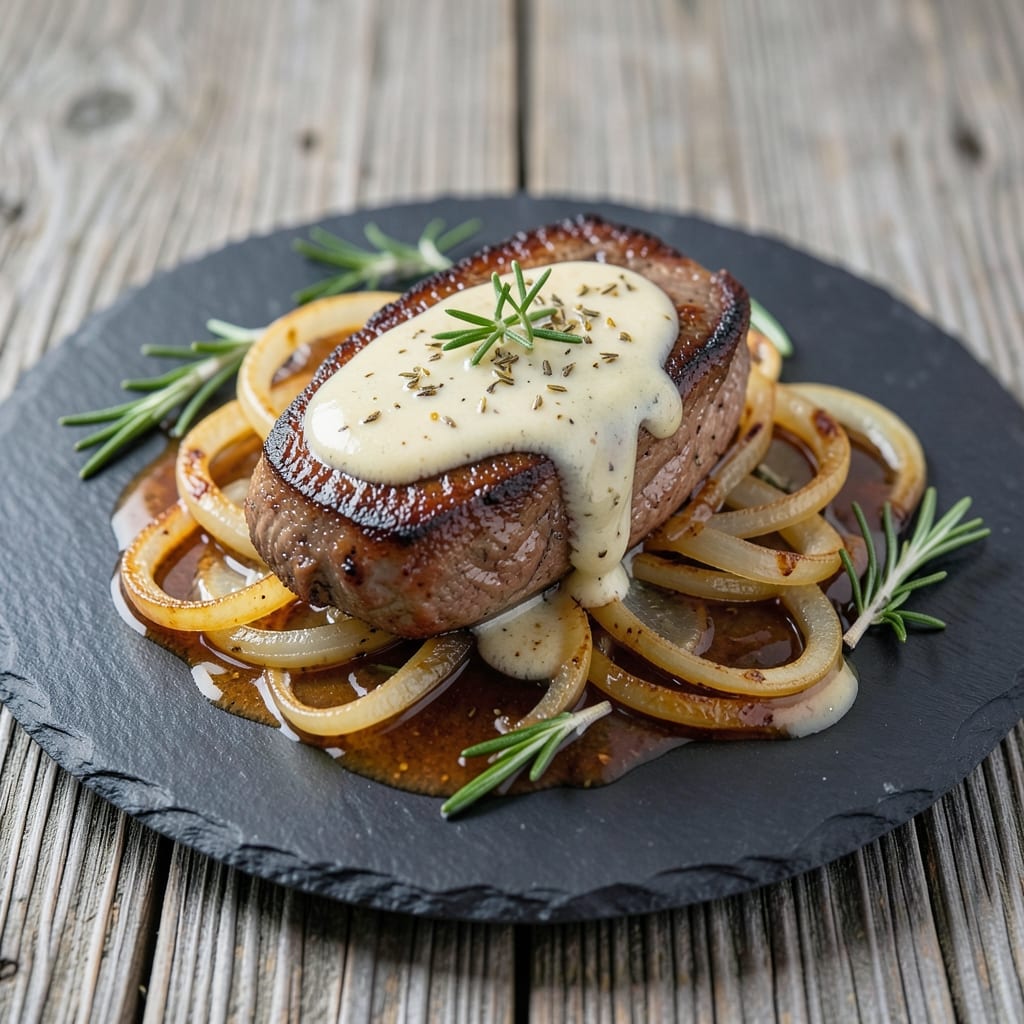
This baked beef liver and onions recipe transforms a classic into a luxurious one-pan dish with buttery-caramelized onions and perfectly tender liver. The secret lies in slow baking—no frying required—to preserve moisture while developing deep, savory flavors. I’ve perfected this method after years of testing, ensuring the liver stays juicy and the onions achieve that perfect balance of sweetness and richness.
The process begins with caramelizing onions in butter until golden, then layering them with seasoned liver in a single dish. A light dusting of flour before baking creates a delicate crust, while herbs and a splash of broth keep everything moist. This approach eliminates the risk of dryness while delivering restaurant-quality results at home.
What you’ll end up with is a dish that’s rich yet refined—the liver tender and flavorful, the onions deeply caramelized with a touch of sweetness. The aromas alone will have everyone gathering around the table, and the first bite delivers that perfect harmony of textures and tastes.
Perfect for a special dinner or when you want to elevate a weeknight meal, this recipe proves that beef liver doesn’t have to be intimidating. The technique is straightforward, and the results are unforgettable. Let’s get started—your taste buds will thank you.
Ingredients for baked beef liver and onions
Buttery caramelized onions meet perfectly tender liver in this luxurious one-pan creation.
| Ingredient | Amount | Notes |
|---|---|---|
| Beef Liver 🥩 | 1 ½ lb | Fresh, trimmed of connective tissue |
| Yellow Onions 🧅 | 3 large | Thinly sliced for even caramelization |
| Unsalted Butter 🧈 | ½ cup | Cold, cubed for caramelizing onions |
| All-Purpose Flour 🌾 | 2 tbsp | Light dusting for crust formation |
| Fresh Thyme Leaves 🌿 | ½ cup | Chopped, stems removed for flavor |
| Fresh Rosemary 🌿 | 1 tbsp | Chopped, for earthy depth |
| Beef Broth 💧 | ½ cup | Low-sodium, for moisture balance |
| Granulated Sugar 🍚 | 1 tbsp | Enhances caramelization |
| Kosher Salt 🧂 | 1 ½ tsp | Diamond Crystal preferred |
| Freshly Ground Black Pepper 🌶️ | ½ tsp | Cracked for robust flavor |
| Garlic Cloves 🧄 | 4 cloves | Minced, for aromatic base |
| Dijon Mustard 🍯 | 1 tsp | For subtle tang |
The liver is the star—freshness is non-negotiable. Grab the thickest cuts from your butcher (they’ll know exactly what you need), and ask for it to be trimmed of any connective tissue. The onions? Yellow onions from Trader Joe's caramelize beautifully, but any sweet or yellow variety works. The butter should be cold and unsalted—this ensures proper caramelization without salt interference. For the herbs, fresh thyme and rosemary make all the difference. If you're short on time, dried works at half the amount, but fresh delivers that restaurant-quality aroma.
No beef broth? Chicken broth with a splash of soy sauce works in a pinch—just don’t skip the umami boost. Running low on Dijon? Whole-grain mustard at double the amount gives similar depth. The sugar is key for caramelizing the onions—brown sugar works too, but granulated dissolves more smoothly. For the flour, all-purpose is perfect, but if you’ve got bread flour, it’ll create an even crispier crust. The garlic? Fresh is ideal, but if you’re using jarred, drain it well to avoid watery onions. And trust me on the cold butter—microwave it for 40 seconds to just soften before caramelizing for best results.
This dish reheats beautifully—even better the next day as flavors meld. Store leftovers in an airtight container for up to 3 days in the fridge, or freeze for 2 months. For make-ahead prep, caramelize the onions and season the liver up to 24 hours ahead. The onions keep well in the fridge for 5 days if stored in a sealed container with a paper towel to absorb moisture. Fresh herbs? Wrap them in damp paper towels and store in a plastic bag—they’ll last up to a week this way.
Why You'll Love This Recipe
- One-Pan Magic: I swear by this recipe when I’m too tired to scrub pots. Just toss the liver and onions on a sheet pan, drizzle with butter, and let the oven do the work—no skillet, no mess, no stress.
- Rich Without Effort: That flour-butter coating? It turns plain liver into something luxurious, almost steakhouse-worthy, with just 10 minutes of hands-off baking. The thyme leaves add this earthy, herbal punch that makes it taste like a fancy dinner.
- Leftovers That Don’t Suffer: I make a double batch on Sundays because reheated liver stays tender and the onions caramelize even more—perfect for quick lunches or sandwiches. (Yes, even my picky teenage son sneaks bites.)
- Budget Protein Power: Liver is one of the cheapest cuts of meat, and this recipe stretches it further with onions and butter. For under $10, I feed four people a meal that feels special—no overpriced steak needed.
Step-by-step instructions for baked beef liver and onions
Here's how to transform rich beef liver into a luxurious, caramelized masterpiece with golden onions.
Prepare the Liver and Onions
Begin by trimming any visible connective tissue from the 1.5 lb beef liver using a sharp knife. Pat it completely dry with paper towels—this ensures maximum browning and prevents steaming. While the liver rests, thinly slice the 3 large yellow onions (about ⅛-inch thick) for even caramelization.
In a large bowl, combine the sliced onions with 1 tbsp granulated sugar and 1.5 tsp kosher salt. Toss gently to distribute evenly. The sugar will help develop deep caramel notes while the salt enhances the onions' natural sweetness. Let them sit at room temperature for 15 minutes—this jumpstarts the caramelization process and prevents them from absorbing too much moisture from the liver.
Build the Flavor Base
Heat a large oven-safe skillet over medium heat and add the 0.5 cup unsalted butter, cubed. Let it melt completely, then add the 4 cloves minced garlic and cook for 30 seconds until fragrant—this prevents burning while building aromatic depth. Immediately add the prepared onions and cook for 8-10 minutes, stirring occasionally, until they soften and begin to caramelize at the edges.
Here's the thing—don't rush this step. You want those onions to develop a deep golden color and sweet, jammy texture. If they stick, add a splash of 0.25 cup beef broth to deglaze and keep them moving. Once the onions are tender with caramelized spots, transfer the skillet to a preheated 375°F oven to maintain heat while you prepare the liver.
Sear and Layer the Liver
Increase the skillet heat to medium-high and add the 2 tbsp all-purpose flour, stirring to coat the onions evenly. This creates a light crust that will help thicken the sauce later. Immediately add the beef liver in a single layer, pressing down gently to ensure even contact with the pan. Sear for 2-3 minutes per side until deeply browned—this is where the rich, meaty flavors develop.
I press down gently on the liver during the first minute—this prevents it from curling and ensures even contact with the pan. You'll know it's ready to flip when the edges release easily from the skillet. Once browned, remove the skillet from the stovetop and return it to the 375°F oven for 10-12 minutes until the liver reaches an internal temperature of 135°F (medium-rare).
Finish with Herbs and Broth
Remove the skillet from the oven and stir in the 0.5 cup chopped fresh thyme leaves, 1 tbsp chopped fresh rosemary, and 1 tsp Dijon mustard. The mustard adds a subtle tang that balances the richness of the liver. Pour in the remaining 0.25 cup beef broth, then increase the oven temperature to 400°F. Return the skillet to the oven for 5-7 minutes to let the flavors meld and the sauce thicken.
Watch closely during this final stage—the sauce should reduce to a glossy, velvety consistency that coats the back of a spoon. The liver should be just cooked through, with a tender yet slightly springy texture. If the sauce thickens too much, add another splash of broth to loosen it. The herbs will infuse the dish with aromatic depth, while the mustard ties everything together.
Rest and Serve
Transfer the liver and onions to a warm serving platter, tented loosely with foil. Let it rest for 5 minutes—this allows the juices to redistribute, ensuring each bite is moist and flavorful. The liver should be tender enough to slice easily with a sharp knife but still hold its shape.
Serve immediately, spooning the rich, caramelized onions and herb-infused sauce over the top. The contrast of silky liver and sweet, jammy onions creates a luxurious dining experience. Pair with crusty bread to soak up every last bit of that buttery, herby sauce—trust me, you'll want every drop.
Pro Tips For Making Baked Beef Liver And Onions
- Salt the Liver First: I learned this the hard way—skip salting the liver until after it’s seared and you’ll end up with a bland, rubbery mess. Pat the slices dry, then sprinkle generously with salt (about 1 teaspoon per pound) and let them sit for 10 minutes before cooking. The salt breaks down the proteins just enough to make the texture tender.
- Sear Onions Low and Slow: High heat turns onions mushy in this dish. Instead, cook them on medium-low in the butter until they’re deep golden and caramelized—about 20 minutes, stirring occasionally. The slow process builds flavor without burning, and you’ll get that sweet, jammy texture that pairs perfectly with the liver.
- Don’t Overcrowd the Pan: I used to dump all the liver and onions in at once, thinking it’d cook faster. Wrong—it steams instead of sears, leaving you with a soggy, uneven result. Work in batches: sear half the liver first, then set it aside while you finish the rest. The same goes for onions if you’re doing them separately.
- Use Cold Butter for Flour Coating: This isn’t the prettiest method, but it works: mix the flour with cold, cubed butter (about 2 tablespoons per cup of flour) until it looks like coarse crumbs. Toss the seared liver and onions in this mix before baking—it creates a crisp, buttery crust that soaks up the juices without turning to glue. (Yes, even if you’re impatient like me.)
Pro cooking tips for this dish
Moisture Control Secrets
Beef liver is notoriously delicate, so I always start by patting it completely dry with paper towels—this prevents steaming and ensures maximum browning. The key is to cook it just until it reaches 135°F internal temperature (medium-rare). Overcooking turns it tough, so I use a meat thermometer for precision. For extra insurance, I add 0.5 cup beef broth during the final oven stage—this keeps everything moist while building rich sauce. 💧
Onion Caramelization Mastery
Caramelizing onions properly takes patience, but it’s worth it for that sweet, jammy texture. I slice them ⅛-inch thick for even cooking and toss them with 1 tbsp sugar and 1.5 tsp salt before cooking. The sugar jumpstarts the caramelization, while the salt enhances sweetness. Cook them over medium heat for 8-10 minutes, stirring occasionally—don’t rush! If they stick, deglaze with a splash of broth. 🧅
Flour Crust Technique
Lightly coating the onions with 2 tbsp flour before adding the liver creates a delicate crust that thickens the sauce beautifully. I stir it in right after searing the liver, letting it toast for 1 minute before adding the broth. This step is non-negotiable—it adds body to the sauce and prevents a watery finish. For best results, use all-purpose flour and keep the heat at medium-high during this stage. 🌾
Herb Infusion Timing
Adding fresh herbs—0.5 cup thyme and 1 tbsp rosemary—in the final 5-7 minutes of cooking ensures they release their aromatic oils without burning. I also include 1 tsp Dijon mustard for a subtle tang that cuts through the richness. The mustard should be stirred in just before adding the broth, so it melds seamlessly into the sauce. 🌿
Resting for Juicy Perfection
Never skip the 5-minute rest after baking! This allows the liver’s juices to redistribute, ensuring each slice is tender and flavorful. I tent it loosely with foil to keep it warm while it rests. The onions stay warm too, so they’re ready to be spooned over the liver when serving. Trust me, this step makes all the difference in texture and taste. ✨
Equipment Essentials
You’ll need a large oven-safe skillet (I use a 12-inch Lodge cast iron) and a meat thermometer for accuracy. A sharp knife is a must for trimming the liver and slicing onions evenly. If you don’t have a thermometer, use the finger test: press gently—it should feel tender but still slightly springy. For extra flavor, I recommend Trader Joe’s yellow onions—they caramelize beautifully. 🔥
Nutrition facts
Frequently asked questions
Why does beef liver need to be patted completely dry before cooking?
Patting the liver dry prevents steaming and ensures maximum browning, which develops rich flavors. Moisture on the surface creates steam instead of a proper sear, leading to a dull exterior and potential dryness. This step is especially critical for baked preparations where you can't control heat as precisely as with pan-searing.
Can I substitute chicken or vegetable broth for beef broth?
While chicken broth works in a pinch, beef broth adds deeper umami flavor that complements the liver's richness. For a vegetarian option, use vegetable broth plus 1 tsp soy sauce to mimic the meaty depth. The key is balancing the dish's savory notes—chicken broth will work but may make the flavors slightly lighter.
How do I know when the liver is perfectly cooked?
Use a meat thermometer for precision—135°F (medium-rare) is ideal for tender yet firm liver. Without a thermometer, press gently: it should feel tender but still slightly springy. Overcooking beyond 140°F will make it tough and dry. The internal color should be a rich, deep brown throughout.
What's the best way to reheat leftovers?
Reheat gently in a skillet over low heat with a splash of broth to maintain moisture. Microwaving is possible but can make the liver rubbery. For best results, reheat just until warmed through (1-2 minutes) and serve immediately. Leftovers actually improve overnight as flavors meld!
Can I make this recipe with pork or chicken liver?
While the technique works for other livers, beef liver has a unique richness that pairs perfectly with caramelized onions. Pork liver cooks faster and has a stronger flavor, while chicken liver is more delicate. For best results, stick with beef liver, but reduce cooking time by 2-3 minutes if using pork. The onion preparation remains the same.