
Sauces & Condiments
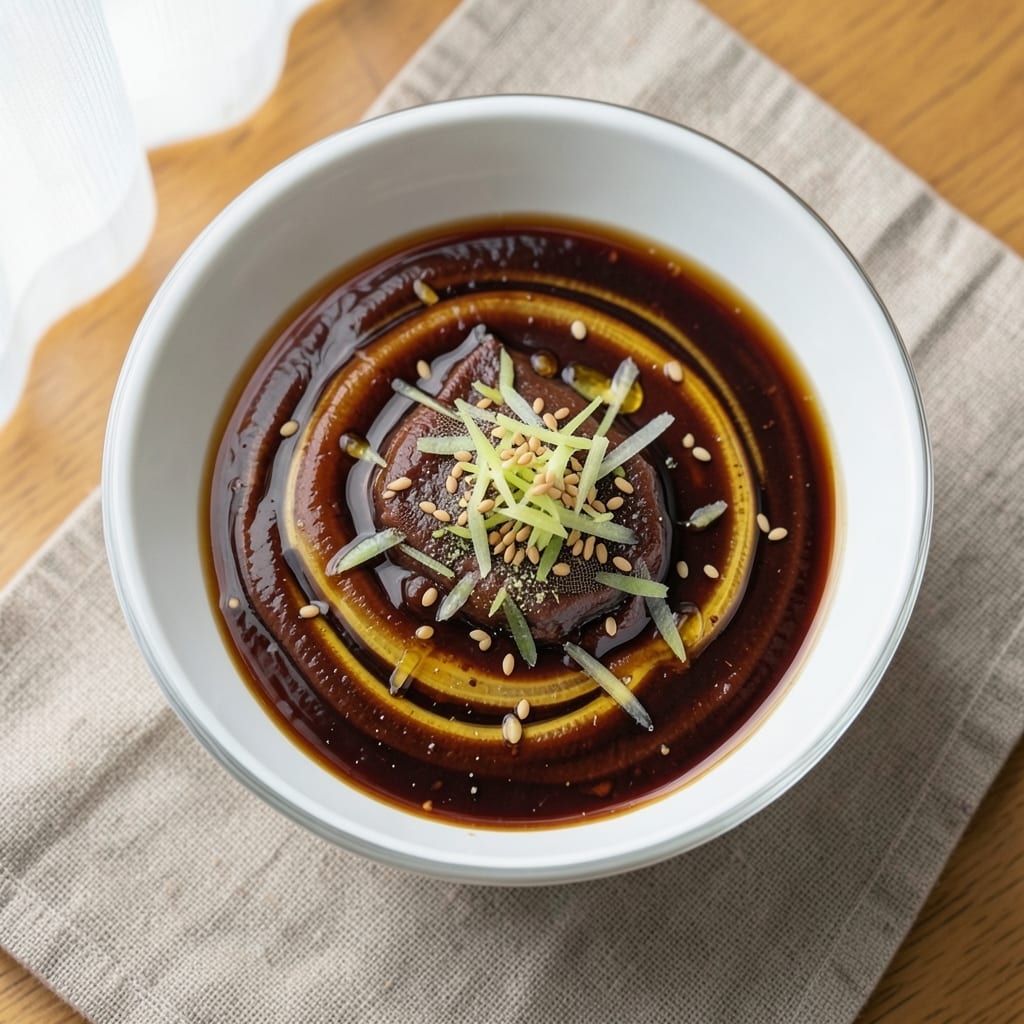
This Asian beef salad dressing recipe transforms simple ingredients into a bold, umami-packed vinaigrette that elevates every bite. The perfect balance of soy sauce, ginger, and sesame oil creates a rich, savory foundation that clings beautifully to beef strips and crisp vegetables. I developed this dressing after craving that restaurant-quality tang without the heavy cream—it’s lighter, brighter, and packed with layers of flavor.
The secret lies in the harmony of components: a touch of honey or sugar to balance the acidity, fresh garlic for depth, and a splash of rice vinegar for that signature tang. This dressing isn’t just for salads—it works as a marinade for beef, a dipping sauce for spring rolls, or even a glaze for grilled proteins. The versatility makes it a staple in my kitchen, ready to be shaken and poured whenever inspiration (or hunger) strikes.
What sets this recipe apart is its ability to stay vibrant in the fridge for up to a week, so you can make a batch ahead and have it on hand for quick meals. The texture is silky yet clings perfectly, ensuring every leaf of lettuce or strip of beef gets that signature umami punch. Whether you’re prepping for a weeknight dinner or a weekend feast, this dressing delivers restaurant-quality results with minimal effort.
For best results, whisk all ingredients together thoroughly before using, and give it a good shake before each application to distribute the flavors evenly. The balance of sweet, salty, and tangy notes makes it irresistible—once you try it, you’ll never go back to store-bought again.
Ingredients for asian beef salad dressing
Simple pantry staples create this restaurant-worthy dressing—no fancy ingredients needed.
| Ingredient | Amount | Notes |
|---|---|---|
| Soy Sauce 🥢 | ½ cup | Low-sodium preferred for balance |
| Rice Vinegar 🍶 | ¼ cup | Seasoned works too |
| Sesame Oil 🫒 | 1 ½ tbsp | Toasted for authentic flavor |
| Fresh Ginger 🌿 | 1 ½ tbsp | Finely grated, fresh only |
| Garlic Cloves 🧄 | 2 cloves | Minced, fresh preferred |
| Honey 🍯 | 1 ½ tbsp | Or light maple syrup |
| Toasted Sesame Seeds 🌾 | 1 tbsp | For texture and crunch |
| Olive Oil 🫒 | ¼ cup | Light for balance |
| Salt 🧂 | ½ tsp | Adjust to taste |
| Black Pepper 🌶️ | ¼ tsp | Freshly ground preferred |
The soy sauce is the backbone here—Kikkoman or Pearl River Bridge are my go-tos, but any good-quality brand works. Rice vinegar should smell bright and clean, not stale. If you can't find toasted sesame oil, regular sesame oil works (just add a pinch of sugar to mimic the toasted flavor). Fresh ginger is non-negotiable—dried lacks the zing. Trader Joe's and Asian markets usually have the best selection, but the regular grocery store works too. For the sesame seeds, toast them in a dry pan for 30 seconds until fragrant—worth the extra minute.
No honey? Maple syrup or agave works perfectly. Short on sesame oil? Avocado oil plus a pinch of sugar mimics the toasted flavor. The garlic can be roasted for a sweeter note if you prefer. For extra depth, add a dash of fish sauce (1/2 tsp) if you're not avoiding it. If you're making this ahead, store the dressing without the sesame seeds—toss them in right before serving to keep that fresh crunch. The olive oil should be light, not extra-virgin, to avoid overpowering the delicate balance.
This keeps beautifully for 1 week in the fridge, sealed tightly. The flavors actually deepen over time, so make a batch and have it ready. For extra vibrancy, add a splash of water before shaking before using. The sesame seeds can be toasted fresh each time you use it, or you can toast a big batch and store in a jar. If the dressing thickens, thin with a splash of water or rice vinegar. Perfect for beef salads, spring rolls, or grilled proteins—just shake and pour!
Why You'll Love This Recipe
- Pantry Magic: I swear by this recipe because it’s all from my pantry—no special shopping trips. That jar of soy sauce and bottle of rice vinegar? Already there. A quick minced garlic and a thumb-sized ginger chunk later, and boom—dressing ready. Honestly, it’s the kind of recipe that makes me feel like a chef without the stress.
- Umami Bomb: The garlic and ginger hit different—like a warm, spicy hug in your mouth. That sesame oil finish? Pure magic. It’s the kind of dressing where every spoonful makes you think, “Why don’t I make this more often?” (Yes, even on a Tuesday night.)
- Salad’s Best Friend: This isn’t just for beef salads—it’s my go-to for grilled chicken, noodles, or even drizzled over roasted veggies. I keep a jar in the fridge because it turns anything into a flavor upgrade. Between us, it’s my secret weapon for lazy dinners.
- Budget Booster: A little goes a long way, and the ingredients won’t break the bank. That jar of soy sauce? It’ll last for months, and I’ve made gallons of this dressing from it. Plus, it’s one of those recipes where leftovers just get better—like a flavorful, second-day gift.
Step-by-step instructions for Asian beef salad dressing
This umami-packed vinaigrette comes together in minutes with bold flavors.
Grate and Mince Aromatics
Start by finely grating the 1.5 tablespoons fresh ginger using a microplane or the smallest holes on a box grater. The goal is to create a paste-like texture that will dissolve smoothly into the dressing. I like to press the grated ginger through a fine-mesh sieve to remove any fibrous bits—this ensures a silky finish.
Next, mince the 2 cloves garlic as finely as possible. For best results, use a sharp knife and chop quickly to prevent the garlic from turning bitter. I always like to taste the raw garlic at this stage—it should be pungent but not overpowering. If using pre-minced garlic, drain it well to remove any excess liquid that could dilute your dressing.
Whisk Wet Ingredients Together
In a medium bowl, combine the 0.5 cup soy sauce, 0.25 cup rice vinegar, 1.5 tablespoons honey, 0.25 cup olive oil, 0.5 teaspoon salt, and 0.25 teaspoon black pepper. Start by whisking the soy sauce, rice vinegar, and honey together until the honey is fully incorporated and the mixture looks smooth.
Slowly drizzle in the olive oil while continuing to whisk vigorously. This gradual addition prevents the dressing from breaking or separating. You'll know you're on the right track when the mixture starts to emulsify slightly, becoming thicker and more cohesive. The dressing should have a glossy sheen—this indicates proper emulsification.
Add Aromatics and Sesame Oil
Now add the freshly grated ginger and minced garlic to the bowl. Whisk everything together until the aromatics are completely dissolved and the dressing is uniform in color. You might need to press the ginger and garlic against the side of the bowl with the whisk to help them break down.
Finally, stir in the 1.5 tablespoons sesame oil using a spoon rather than whisking. The sesame oil adds depth of flavor and a nutty aroma, but it's delicate—overmixing can make it separate. Give it just a few gentle stirs until it's evenly distributed throughout the dressing. At this point, taste and adjust the seasoning if needed.
Finish with Toasted Sesame Seeds
Transfer the dressing to a clean jar or airtight container. Sprinkle the 1 tablespoon toasted sesame seeds on top, giving them a gentle shake to distribute them throughout the dressing. The seeds add a delightful crunch and visual contrast to the smooth vinaigrette.
Let the dressing sit at room temperature for 10-15 minutes before using. This resting time allows all the flavors to meld together, creating a more harmonious taste. Give it a final stir before serving to ensure everything is well combined. This dressing keeps well in the refrigerator for up to 5 days, making it perfect for meal prep.
Pro Tips For Making Asian Beef Salad Dressing
- MINCE THE GINGER FINE: I learned this the hard way—chunky ginger in dressing looks lazy and tastes like you didn’t try. Use the flat side of your knife to smash it first, then mince into tiny rice-sized pieces. This way, it blends smoothly and infuses flavor without texture surprises.
- TOAST SESAME OIL FIRST: Skip the raw oil—it’ll taste bitter and overpower the dressing. Heat 1 teaspoon in a dry pan over medium-low until it just shimmers (about 30 seconds), then cool before mixing. The nutty aroma jumps out, and the bitterness fades completely.
- BALANCE THE SOY: Too much soy sauce turns this into a gluggy sauce, not a dressing. Start with 1 tablespoon per ¼ cup liquid, then taste as you go. If it’s too salty, add a splash of vinegar or a pinch of sugar to cut through—trust me, your salad will thank you.
- GRATE GARLIC WITH THE PEEL: Peeling garlic cloves first is a hassle, and you’ll end up with uneven bits. Hold the clove in your palm, press down with a knife to crack the skin, then grate directly over the dressing. No peels, no waste, and the garlic blends like a pro. (Yes, even if you’re impatient like me.)
Perfect pairings for this dish
Salad Pairings
This dressing shines with Asian-inspired beef salads featuring crisp Napa cabbage, shredded carrots, and thinly sliced scallions. I love adding 1 cup cooked jasmine rice for texture, or mandarin orange segments for a sweet-tart contrast. For extra protein, toss in seared flank steak strips or crispy wonton strips. 🥗
For a lighter option, pair it with mixed greens like butter lettuce, thinly sliced cucumbers, and edamame. The dressing's umami depth balances the freshness perfectly. I often add crispy fried shallots on top for an extra crunch that complements the sesame seeds in the dressing.
Protein Pairings
Use this dressing as a marinade for grilled or seared beef—I like ribeye or sirloin steaks marinated for 30-60 minutes before cooking. The soy-ginger flavors caramelize beautifully on the grill. For pork or chicken, reduce the marinating time to 20-30 minutes to prevent overpowering the meat.
It also works as a dipping sauce for spring rolls, egg rolls, or fresh summer rolls. The balance of sweet, tangy, and umami makes it irresistible. I keep a small jar in my fridge for quick dipping whenever I crave takeout flavors at home. 🍜
Beverage Pairings
Pair this dressing with light Asian beers like Asahi Super Dry or Sapporo—their crisp, clean profiles let the dressing's bold flavors shine. For a non-alcoholic option, try jasmine green tea or yuzu soda to complement the citrusy notes in the dressing.
For wine lovers, a dry Riesling or Pinot Grigio works beautifully. The acidity in both wines mirrors the dressing's tangy rice vinegar, while their crisp finish cleanses the palate between bites. Avoid heavy reds—they'll clash with the dressing's delicate balance. 🍷
Global Adaptations
For a Thai-inspired twist, add 1 teaspoon fish sauce and ½ teaspoon chili flakes to the dressing. This turns it into a perfect companion for Thai beef salad (Yum Neua) with tomatoes, cucumbers, and herbs. The extra umami and heat take it to another level.
In a Korean-inspired version, swap the rice vinegar for 1 tablespoon gochujang (Korean chili paste) and add 1 teaspoon toasted sesame oil. This works perfectly with bulgogi beef or kimchi fried rice. The dressing becomes thicker and slightly spicy, adding depth to any dish. 🌶️
Nutrition facts
Frequently asked questions
Can I make this dressing without sesame oil?
Yes! If you don't have sesame oil, substitute with 1 tablespoon neutral oil (like avocado or grapeseed) plus ½ teaspoon sugar to mimic the toasted flavor. For extra depth, add ½ teaspoon toasted sesame paste if available. The dressing will still taste delicious—just slightly less nutty.
How do I adjust the sweetness level?
The honey provides natural sweetness, but you can easily tweak it. For less sweetness, reduce honey to 1 tablespoon or omit entirely. For more, add ½ teaspoon extra or swap in 1 teaspoon maple syrup. Taste as you go—this dressing balances perfectly with 1 teaspoon honey per ½ cup dressing.
Will this dressing work for non-beef dishes?
This versatile dressing elevates chicken skewers, tofu stir-fries, or even cold noodle salads. The soy-ginger base works with any protein, and it's fantastic as a dipping sauce for spring rolls or crispy wontons. Just shake well before using to distribute flavors evenly.
Why did my dressing separate?
Separation usually happens when oil and vinegar aren't properly emulsified. To fix it, whisk vigorously or blend briefly. For prevention, always whisk the wet ingredients first, then gradually add oil. If it happens again, add 1 teaspoon cornstarch mixed with 1 tablespoon water and whisk until smooth.
Can I make this dressing spicier?
Yes! Add ½ teaspoon chili flakes or 1 teaspoon sriracha for heat. For a smoky kick, include ½ teaspoon smoked paprika. Start with small amounts—you can always add more. The dressing's balance will still hold, but the flavor profile will shift toward bold, spicy umami.