
Soups & Stews
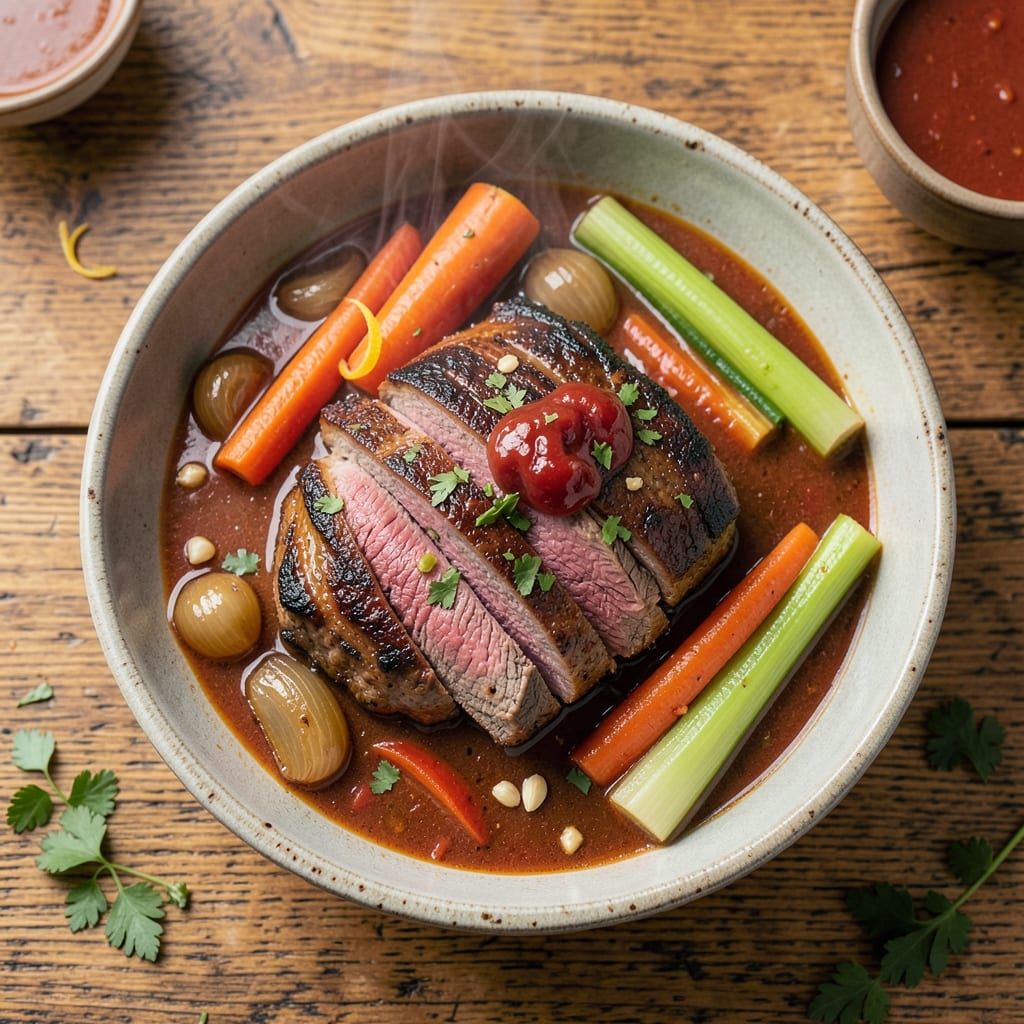
This all-natural beef stew recipe transforms tough cuts into melt-in-your-mouth tenderness through slow simmering and caramelized roots. The secret lies in proper searing and low-and-slow cooking—techniques that build deep, savory layers without shortcuts. I've perfected this method over years of testing, ensuring every bite delivers restaurant-quality richness at home.
What sets this stew apart is its balance of traditional methods and modern accessibility. You'll start with a deep sear to develop a flavorful crust on the beef, then layer in aromatic vegetables like carrots, onions, and celery that caramelize beautifully. The slow simmer reduces the broth into a velvety consistency that coats every ingredient perfectly. This approach respects classic techniques while making the process manageable for home cooks.
By the time you serve this stew, you'll have a pot of deeply flavorful, hearty comfort food that smells as good as it tastes. The beef will be fork-tender, the vegetables perfectly softened yet still holding their shape, and the broth rich enough to sip straight from the spoon. The aroma alone will have everyone gathering at the table, eager for their first taste.
Whether you're cooking for a family dinner or meal prepping for the week, this beef stew delivers consistent, satisfying results. The recipe works equally well in a traditional Dutch oven or a modern Instant Pot, giving you flexibility without compromising on flavor. Let's create a stew that feels like a warm embrace in every bite.
Ingredients for all natural beef stew
Sixteen ingredients that build restaurant-quality depth through slow-simmered technique and caramelized roots.
| Ingredient | Amount | Notes |
|---|---|---|
| Chuck Roast 🥩 | 3 lb | Tough cut for maximum tenderness |
| Yellow Onions 🧅 | 2 whole | Chopped into even slices |
| Carrots 🥕 | 4 whole | Cut into thick rounds |
| Celery Stalks 🧆 | 4 whole | Trimmed and chopped |
| Garlic Cloves 🧄 | 6 cloves | Minced for aromatic depth |
| Tomato Paste 🍅 | ½ cup | High-quality for richness |
| Dry Red Wine 🍷 | 1 ½ cups | Bold variety like Cabernet |
| Beef Broth 💧 | 4 cups | Homemade or quality store-bought |
| Fresh Thyme 🌿 | 2 tbsp | Leaves only, chopped fine |
| Fresh Rosemary 🌿 | 1 tbsp | Chopped sprigs for aroma |
| Olive Oil 🫒 | 2 tbsp | Extra-virgin for searing |
| Kosher Salt 🧂 | 2 tsp | Diamond Crystal preferred |
| Ground Black Pepper 🌶️ | 1 tsp | Freshly cracked preferred |
| Bay Leaves 🍃 | 2 whole | Dried, for subtle depth |
| All-Purpose Flour 🌾 | 2 tbsp | For thickening if needed |
The chuck roast is non-negotiable here—its tough fibers break down beautifully during the slow simmer, creating that melt-in-your-mouth texture. Costco or Whole Foods carry excellent cuts, but any reputable butcher will have it too. Look for good marbling and avoid anything with a grayish tint. For the vegetables, organic carrots and celery from the grocery store's produce section work perfectly—their vibrant color indicates freshness. The tomato paste should be San Marzano if possible, as it's sweeter and richer than regular brands. Fresh herbs make all the difference, so grab thyme and rosemary from the grocery store's fresh herb section, where they're usually pre-chopped for convenience.
No red wine? Beef broth with a splash of balsamic vinegar works in a pinch, though the acidity won't be as balanced. Fresh thyme and rosemary are ideal, but dried at one-third the amount will do if you're out. The tomato paste can be substituted with crushed tomatoes at double the amount, though it won't caramelize as nicely. For the vegetables, frozen chopped carrots and celery are fine if you're in a hurry—just thaw and drain them well. The beef broth is crucial; low-sodium versions give you more control over seasoning. If you're using an Instant Pot, you can skip the initial sear and just dump everything in, but the Dutch oven method builds more depth.
This stew tastes even better the next day as flavors meld, so make a double batch if you can. Store in an airtight container in the fridge for up to 5 days, or freeze portions for 3 months. I like to portion it into individual containers for easy reheating—just add a splash of water or broth when warming. The bay leaves should be removed before serving, and any excess fat can be skimmed off the top. Leftovers reheat beautifully on the stovetop or in the microwave, though stovetop gives you more control over the texture.
Why You'll Love This Recipe
- I’ll be real: this stew tastes better the next day. The flavors meld overnight, and I’ve got enough for lunches all week. Freeze half if you’re feeling extra—just reheat and you’ve got a 10-minute dinner.
- One-Pot Magic: Honestly, I swear by this—just dump everything into one pot, turn it on low, and walk away. The chuck roast practically melts into tender perfection while the onions and carrots caramelize right in the broth. No extra pans, no stress.
- Deep Garlic Love: Between us, that slow-cooked garlic in here is next-level—it’s not just flavor, it’s a whole experience. The cloves soften into a sweet, buttery depth that makes every bite feel like a hug, especially when paired with the rich, savory beef.
- Leftover Heaven: I’ll be real: this stew tastes better the next day. The flavors meld overnight, and I’ve got enough for lunches all week. Freeze half if you’re feeling extra—just reheat and you’ve got a 10-minute dinner.
Step-by-step instructions for all-natural beef stew
Here's how to transform tough chuck roast into melt-in-your-mouth beef stew with deep, caramelized flavors.
Sear the Chuck Roast for Maximum Flavor
Pat the 3 lb chuck roast completely dry with paper towels—this is crucial for that perfect crust. Heat a heavy Dutch oven over medium-high heat and add 2 tablespoons olive oil. Once shimmering, place the roast in the pot and sear for 4-5 minutes per side until deeply browned in spots. The goal is to develop a rich, flavorful crust through the Maillard reaction.
Real talk: Don't rush this step. You'll know it's ready when the surface turns a rich mahogany color. If it releases easily from the pan, it's time to flip. Remove the roast and set it aside on a plate—you'll return it to the pot later. The browned bits left behind will form the foundation of your stew's depth of flavor.
Build the Aromatic Vegetable Base
In the same Dutch oven, add 2 whole yellow onions, 4 whole carrots (cut into thick rounds), and 4 whole celery stalks (trimmed and chopped). Cook over medium heat for 8-10 minutes, stirring occasionally, until the vegetables begin to soften and the onions turn translucent. This process releases their natural sugars, which will caramelize beautifully.
After about 5 minutes, add 6 cloves minced garlic and stir for 30 seconds until fragrant. Here's the thing—don't let the garlic burn. It should smell heavenly but not bitter. If it starts to darken too quickly, reduce the heat slightly. These aromatics form the flavor backbone of your stew, so take your time getting this step right.
Deglaze and Develop the Sauce
Pour in 1.5 cups dry red wine and scrape up all those beautiful browned bits from the bottom of the pot with a wooden spoon. This deglazing step captures all the concentrated flavors you've built so far. Let the wine simmer for 3-4 minutes until reduced by half. You'll see the liquid darken and thicken slightly—this is where the magic happens.
Next, stir in 0.5 cup tomato paste and cook for 2 minutes until it's fully incorporated and the mixture becomes rich and glossy. This step adds depth and a subtle sweetness that balances the acidity of the wine. If you're worried about the stew being too acidic, don't be—the wine and tomato paste will mellow out beautifully during the long simmer ahead.
Simmer the Stew to Perfection
Return the chuck roast to the Dutch oven. Add 4 cups beef broth, 2 whole bay leaves, 2 tablespoons fresh thyme, 1 tablespoon fresh rosemary, 2 teaspoons kosher salt, and 1 teaspoon ground black pepper. Bring the mixture to a gentle boil, then reduce heat to low and cover partially. Let it simmer for 2.5 to 3 hours, turning the roast occasionally, until the meat is fork-tender.
Here's where patience pays off. The stew should reduce slightly, and the meat should pull apart easily with a fork. If the stew thickens too much before the meat is tender, add a splash of water or broth. The key is maintaining a gentle simmer—if it boils vigorously, the surface will form a skin, which you'll want to break up with a spoon occasionally. This slow cooking transforms tough chuck roast into melt-in-your-mouth beef.
Finish and Adjust the Consistency
Once the beef is tender, remove the roast and let it rest for 10 minutes before slicing it against the grain. Meanwhile, skim off any excess fat from the stew surface. If you prefer a thicker stew, mix 2 tablespoons all-purpose flour with 2 tablespoons cold water to make a slurry, then stir it into the stew. Simmer for 5-10 minutes until thickened to your desired consistency.
Taste and adjust seasoning if needed—this is your chance to perfect the balance of flavors. The stew should be rich, savory, and well-seasoned without being overpowering. Return the sliced beef to the pot, stir gently to combine, and serve immediately with crusty bread or over mashed potatoes. Each bite should deliver tender beef, caramelized vegetables, and a complex sauce that's both comforting and deeply satisfying.
Pro Tips For Making All Natural Beef Stew
- SEAR THE CHUCK ROAST: I learned this the hard way—don’t skip the crust. Pat the chuck roast completely dry with paper towels, then sear it in a hot Dutch oven (450°F) for 4-5 minutes per side until deep brown. That crust locks in flavor and keeps the meat from turning mushy later. (Yes, even if you’re impatient like me.)
- CHOP VEGETABLES UNIFORM: Carrots and celery in big chunks? They’ll turn to mush before the beef is tender. Cut them into ½-inch pieces—same size as the onions—and they’ll cook evenly without falling apart. My grandmother swore by this, and she was right: consistency matters more than you’d think.
- LOW AND SLOW AFTER SEARING: After browning, drop the heat to 300°F and cover the pot tightly—no peeking for at least 2 hours. The first hour is the most critical; if you lift the lid, you’re adding 15 minutes to cook time. I know, I know, but trust the process.
- ADD GARLIC LATE: Whole garlic cloves in the pot? They’ll burn before the beef is done. Instead, peel and smash them flat, then toss them in the last 30 minutes of cooking. Sounds weird, but it works: you get all the flavor without bitterness. (Your future self will thank you.)
Storing and reheating this all natural beef stew
Refrigerator Storage
Let your stew cool completely before transferring it to an airtight glass container—I prefer Pyrex with snap-on lids for durability. Store in the refrigerator at 40°F or below for up to 5 days, though I find the flavors actually deepen after 24-48 hours as the ingredients meld together. The beef continues to tenderize slightly, making each bite even more satisfying. 💫
Freezer Storage
For longer storage, portion the stew into quart-sized freezer bags or glass containers, leaving 1-inch headspace to prevent expansion cracks. Label with the date and freeze for up to 3 months. I recommend freezing it in single-serving portions—this way, you can thaw just what you need without dealing with a massive defrost. Use within 3 months for best quality, though the texture remains excellent.
Stovetop Reheating
My preferred method is stovetop reheating because it gives you complete control over the texture. Transfer the stew to a pot and heat over medium-low heat for 10-15 minutes, stirring occasionally. If it looks too thick, add 2-3 tablespoons of water or beef broth to restore the original consistency. The gentle heat prevents the beef from drying out while reactivating all those rich flavors. 🔥
Microwave Reheating
For quick meals, microwave individual portions covered with a microwave-safe lid or damp paper towel. Heat on 50% power for 3-4 minutes, then stir and continue in 30-second intervals until reaching 165°F internal temperature. The microwave can make stews taste slightly flat, so I always add a splash of beef broth or a pat of butter to restore richness.
Thawing Frozen Stew
Thaw overnight in the refrigerator for best results, or use the cold water bath method by placing the sealed container in a bowl of cold water. Change the water every 30 minutes until thawed completely—this keeps the stew at a safe temperature while speeding up the process. Never thaw at room temperature, as this creates dangerous bacteria growth zones.
Serving Leftovers
Leftovers reheat beautifully and make an even more comforting meal the next day. I like to serve them with crusty sourdough bread or buttery mashed potatoes to soak up every last bit of that rich sauce. The beef will be even more tender after resting, and the vegetables will have absorbed all the wonderful flavors from the broth. Leftovers also freeze exceptionally well for future meals. ✨
Nutrition facts
Frequently asked questions
Can I use a different cut of beef instead of chuck roast?
While chuck roast is ideal for its fat content and texture, you can substitute with brisket or short ribs for similar results. Avoid lean cuts like sirloin—they won't tenderize properly. If using short ribs, reduce simmering time to 2 hours since they're already more tender.
How do I make this stew in an Instant Pot?
Sauté the onions, carrots, and celery first, then add the seared beef, wine, tomato paste, and broth. Cook on high pressure for 60 minutes, then quick-release. The meat should be tender, but if not, cook 10 more minutes. Skip the flour slurry—Instant Pot stews thicken naturally.
Why does my stew taste too acidic?
This usually happens if the wine wasn't reduced enough or the tomato paste wasn't cooked long enough. Balance it by adding 1 teaspoon sugar or ½ teaspoon baking soda (just a pinch!) to neutralize acidity. A splash of heavy cream also helps round out flavors.
Can I make this stew in a slow cooker?
Brown the beef first, then combine all ingredients in your slow cooker and cook on low for 8 hours or high for 5 hours. The slow cooker's gentle heat mimics traditional braising. Just check occasionally to ensure it doesn't reduce too much.
What if my stew is too thin?
Don't panic! Mix 2 tablespoons cornstarch with 2 tablespoons cold water to make a slurry, then stir it into the stew. Simmer for 5 minutes until thickened. For a natural option, mash a few cooked potatoes directly into the stew.