
Soups & Stews
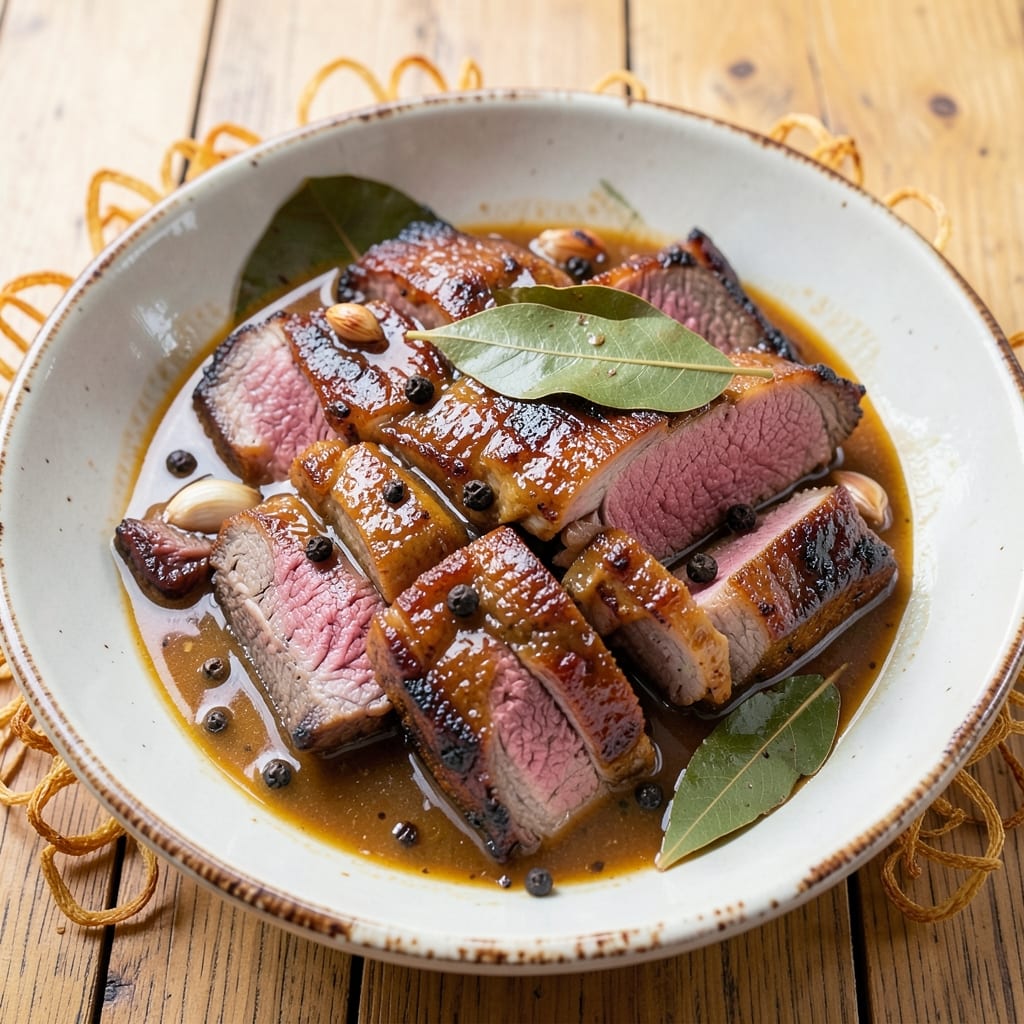
This Filipino-style beef adobo recipe delivers tender, vinegar-braised beef with a perfect balance of tangy, sweet, and savory flavors. The secret lies in slow cooking with soy sauce, garlic, and black peppercorns—transforming tough cuts into melt-in-your-mouth perfection. I’ve perfected this dish over years of testing, ensuring every bite delivers that authentic Filipino restaurant taste at home.
The magic happens during the 30-minute marinade and 2-hour braise, where the vinegar tenderizes the meat while the soy sauce adds depth. Traditional black peppercorns and bay leaves infuse warmth, creating a sauce that’s rich yet bright. Unlike quick recipes, this method builds flavor gradually, resulting in beef that’s so tender it nearly falls apart.
By the time you serve it, you’ll have restaurant-quality beef adobo with a glossy, caramelized sauce that clings to every forkful. The aroma alone—garlicky, vinegary, and slightly sweet—will have everyone at the table asking for seconds. Serve it over steamed rice to soak up every last drop of that irresistible sauce.
This dish is versatile enough for weeknight dinners or special occasions, yet simple enough to make regularly. The leftovers reheat beautifully, making it a foolproof meal prep option. Let’s get cooking!
Ingredients for beef adobo recipe filipino style
Authentic Filipino flavors start with these 13 ingredients—simple yet transformative.
| Ingredient | Amount | Notes |
|---|---|---|
| Chuck Roast 🥩 | 2 lb | Tough cut for braising, cut into 2-inch cubes |
| Coconut Aminos 🍶 | ½ cup | Or substitute with soy sauce if unavailable |
| White Vinegar 🍶 | ½ cup | Distilled white preferred for tang |
| Garlic Cloves 🧄 | 8 cloves | Smashed for intense flavor infusion |
| Black Peppercorns 🌶️ | 1 tbsp | Whole, lightly crushed |
| Bay Leaves 🍃 | 2 whole | Fresh preferred for aromatic depth |
| Brown Sugar 🍚 | ¼ cup | Light or dark, packed |
| Olive Oil 🫒 | 2 tbsp | Extra-virgin for richness |
| Yellow Onion 🧅 | 1 whole | Cut into wedges, skin on |
| Water 💧 | 1 ½ cups | Enough to barely cover meat |
| Salt 🧂 | 1 ½ tsp | Diamond Crystal preferred |
| Jasmine Rice 🍚 | 1 ½ cups | Uncooked, for serving |
| Fresh Cilantro 🌿 | ¼ cup | Chopped, for garnish |
The chuck roast is non-negotiable—its collagen-rich fat renders into the sauce, creating that signature silky texture. Costco or Trader Joe's often carry pre-cut chuck at great prices, but if you're buying whole, ask the butcher to cube it for you. For the coconut aminos, Thai Kitchen brand is my go-to—it's widely available and delivers that perfect umami without the harshness of regular soy sauce. If you can't find it, soy sauce works, but reduce the amount by half to avoid overpowering the dish. The garlic needs to be fresh—no powdered shortcuts here. Smash those cloves with the flat side of your knife before adding them to the pot for maximum flavor extraction.
No coconut aminos? Soy sauce plus 1 tbsp lime juice gets you close, though the sauce will be slightly less complex. Running out of white vinegar? Apple cider vinegar or rice vinegar both work, but add an extra teaspoon of sugar to balance the acidity. The brown sugar caramelizes beautifully during the braise, so don't skip it—it's what gives the sauce that glossy, restaurant-quality finish. For the onion, leaving the skin on adds color and texture to the dish, but it's not required. If you're using dried bay leaves, double the amount since they're less potent than fresh. The olive oil is where you want to splurge—use something with good acidity like Colavita or Bertolli.
This sauce gets better with time—3-4 days in the fridge, actually. Portion it out in airtight containers with a layer of oil on top to preserve freshness. The rice? Cook it the night before and reheat with a splash of water for perfect texture. For meal prep, freeze the beef and sauce separately—thaw overnight in the fridge before reheating gently on the stove. The cilantro wilts fast, so add it last minute or store the stems separately. Leftovers taste even better the next day as the flavors meld further—trust the process.
Why You'll Love This Recipe
- Foolproof Simplicity: I swear by this—no fancy techniques, just a big pot, a few minutes of chopping garlic, and letting time do the work. The chuck roast practically melts into tender perfection while you sip coffee, no babysitting required.
- Umami Bomb: That tangy-sweet balance from coconut aminos and vinegar? Chef’s kiss. The garlic and peppercorns deepen into this rich, savory punch that sticks with you long after the last bite—like a flavor hug you didn’t know you needed.
- Meal Prep MVP: Between us, this is my lazy Sunday secret. Cook a big batch, and you’ve got lunch for the week—reheat slices in a pan for crispy edges, toss into rice bowls, or even stuff it in wraps. My kids beg for leftovers, and honestly, so do I.
- Budget Hero: A chuck roast stretches further than you’d think, and coconut aminos? Way cheaper than soy sauce for the same bold punch. I make this for date nights, potlucks, or just because—no guilt, all flavor, and my wallet thanks me.
Step-by-step instructions for beef adobo Filipino style
Here’s how to transform tough chuck roast into melt-in-your-mouth beef adobo with deep, balanced flavors.
Sear the Chuck Roast for Depth of Flavor
Heat the 2 tablespoons olive oil in a large Dutch oven over medium-high heat until shimmering. Pat the 2 lb chuck roast dry with paper towels—this ensures a proper sear. Add the meat in a single layer and cook undisturbed for 4-5 minutes per side until deeply browned. You’ll see the edges develop a rich mahogany crust, which locks in juices and builds flavor.
Remove the roast and set it aside. In the same pot, add the 1 whole yellow onion cut into wedges (skin on) and cook for 3-4 minutes until slightly charred. This caramelization adds sweetness to the adobo. Transfer the onions to a plate and set aside with the meat.
Build the Adobo Marinade and Braise
Return the Dutch oven to medium heat and add the 8 smashed garlic cloves, 1 tablespoon black peppercorns, and 2 whole bay leaves. Toast for 30 seconds until fragrant—this releases their essential oils. Pour in the 0.5 cup coconut aminos and 0.5 cup white vinegar, scraping up any browned bits from the bottom. Let it simmer for 2 minutes to meld the flavors.
Add the 0.25 cup brown sugar, 1.5 cups water, and 1.5 teaspoons salt. Stir until the sugar dissolves completely. Return the seared chuck roast and charred onions to the pot, ensuring the meat is mostly submerged. Bring to a gentle simmer, then reduce heat to low and cover partially with a lid. Braise for 2-2.5 hours until the beef is fork-tender and the sauce thickens to a glossy consistency.
Finish and Serve with Jasmine Rice
Once the beef is tender (a fork should slide in easily), uncover the pot and increase heat to medium. Simmer uncovered for 10-15 minutes to reduce the sauce further and deepen its flavor. The sauce should coat the back of a spoon and cling to the meat. Taste and adjust seasoning—add a splash of vinegar if it needs more tang or a pinch of sugar if it’s too sharp.
While the adobo simmers, cook the 1.5 cups jasmine rice according to package instructions. To serve, spoon the beef and sauce over the rice, garnish with 0.25 cup chopped fresh cilantro, and drizzle any remaining sauce on top. The contrast of tender beef, sweet-savory sauce, and fragrant rice makes every bite unforgettable.
Pro Tips For Making Beef Adobo Recipe Filipino Style
- Sear the Chuck First: I learned this the hard way—skipping the sear means a bland sauce. Heat your pot until it’s smoking hot, then brown the chuck roast in batches for 2-3 minutes per side. The crust locks in flavor and keeps the meat from turning mushy later.
- Use Whole Garlic Cloves: Peeling garlic cloves is a pain, but crushing them whole (no mincing) keeps them from burning and adds a deeper, nuttier flavor. Just smash them with the flat side of your knife—no need to go fancy.
- Simmer Slow and Low: After the initial boil, drop the heat to a gentle simmer. High heat makes the vinegar evaporate too fast, leaving your adobo harsh and one-dimensional. Aim for tiny bubbles—this is where the magic happens.
- Balance the Vinegar: Taste your sauce before serving—if it’s too sharp, add a splash of coconut aminos (about 1-2 tablespoons) to mellow it out. I used to ignore this, but now I adjust as I go. The goal is tangy, not puckery.
Regional styles of this dish
Luzon-Style Adobo
This is the most classic version, using white vinegar and soy sauce for a tangy, savory profile. The black peppercorns and bay leaves are essential here—they create a warm, aromatic base that balances the acidity. I’ve found that Costco chuck roast works perfectly for this style, as its fat content renders beautifully into the sauce. In Luzon, this version often includes potatoes or eggplant for extra texture, but I keep it simple with just the beef and onions for a cleaner presentation. 🌶️
Visayan Adobo
The Visayan region takes adobo in a slightly sweeter direction, often using coconut milk or brown sugar to mellow the vinegar’s sharpness. For this version, I add 1 cup coconut milk to the braising liquid and reduce the vinegar to 0.3 cup. The result is a richer, creamier sauce that still maintains the signature tang. This style pairs beautifully with garlic fried rice on the side, as the coconut notes complement the garlic’s intensity. Fresh chili peppers are also common in Visayan adobo, so
Nutrition facts
Frequently asked questions
Can I use regular soy sauce instead of coconut aminos?
Yes, but reduce the amount by half—coconut aminos are sweeter and less salty than soy sauce. For this recipe, use 0.25 cup soy sauce plus 1 tablespoon lime juice to mimic the tang. The flavor will be slightly less complex, but still delicious. If you're using tamari, reduce to 0.2 cup since it's saltier.
Why does my adobo sauce turn out too thin?
This usually happens if you didn't reduce the sauce long enough or used too much liquid. After braising, always simmer uncovered for 10-15 minutes to thicken it. For extra richness, remove the beef, reduce the sauce to a glaze, then return the meat. If it's still too thin, mash 1 tablespoon cornstarch with water and stir it in at the end.
What's the best cut of beef for adobo?
Chuck roast is ideal because its fat content tenderizes during braising, creating a silky sauce. Other great options include short ribs or brisket. Avoid lean cuts like sirloin—they dry out. If using bone-in beef, increase cooking time by 30 minutes to account for the extra mass.
How long can I store leftovers?
Leftovers keep well for 4-5 days in the fridge or 3 months in the freezer. For best results, store in airtight containers with a layer of oil on top to preserve freshness. Reheat gently on the stove with a splash of water to maintain sauce consistency. The flavors actually improve overnight as the vinegar and soy sauce meld further.
Can I make this in an Instant Pot?
Sear the beef first, then add all ingredients and cook on high pressure for 45 minutes. Quick-release the pressure, then reduce the sauce on the stove for 10 minutes to thicken. The Instant Pot version cooks 1.5 hours faster but requires careful monitoring to avoid overcooking. Use the same ingredients—just adjust the cooking time.