
Main Courses
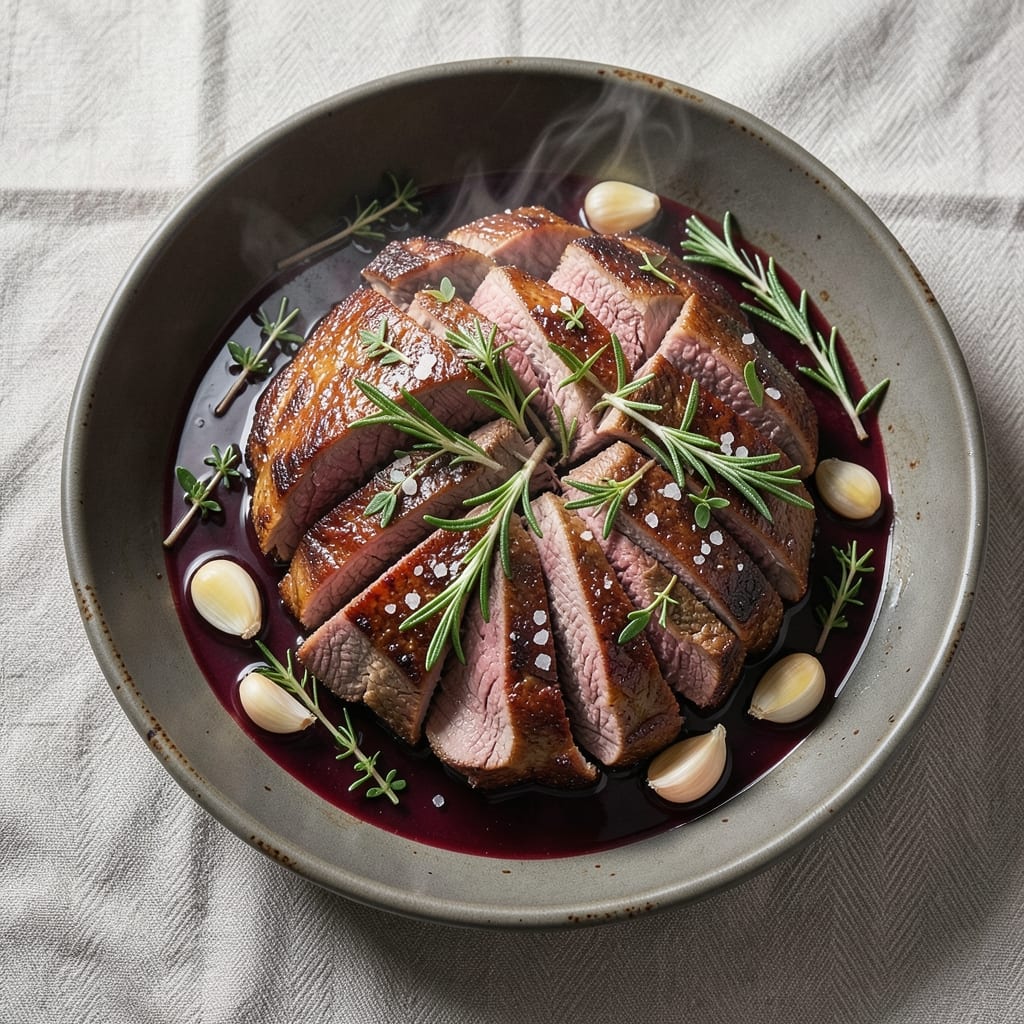
This Baron beef roast recipe transforms tough cuts into melt-in-your-mouth perfection with a slow-cooked, wine-infused approach that elevates Sunday dinners. The secret lies in a carefully balanced blend of herbs, garlic, and red wine that tenderizes the meat while building deep, complex flavors—no fancy techniques required, just patience and precision. What sets this apart is the 325°F low-and-slow method, which ensures even cooking and a juicy center without overcooking the crust.
The preparation begins with a herb-crusted sear that locks in flavors, followed by a wine reduction that bastes the roast throughout cooking. This isn’t just another beef roast—it’s a wine-braised masterpiece where every bite delivers rich, savory depth with a hint of acidity from the wine. The key is letting the roast rest before slicing, allowing the juices to redistribute for maximum tenderness.
By the time you serve this, you’ll have a fork-tender roast with a caramelized crust and a pan sauce so flavorful it deserves a place at the center of your table. The wine-infused method ensures the meat stays moist, while the herb crust adds aromatic layers that pair beautifully with roasted vegetables or a classic Yorkshire pudding. This is the kind of dish that makes guests ask for seconds—and leaves your kitchen smelling like a French bistro.
Perfect for holidays, family gatherings, or a special weeknight dinner, this recipe delivers restaurant-quality results with minimal effort. The slow-cooked approach means you can focus on other sides while the oven does the work, ensuring a stress-free cooking experience. Let’s get started on creating a roast that will become your new signature dish.
Ingredients for baron beef roast
Six ingredients transform tough chuck into a wine-braised masterpiece—just patience and a 325°F oven.
| Ingredient | Amount | Notes |
|---|---|---|
| Chuck Roast 🥩 | 4 lb | Well-marbled for tenderness |
| Dry Red Wine 🍷 | 1 ½ cups | Bold Cabernet Sauvignon preferred |
| Fresh Rosemary 🌿 | ½ cup | Chopped, stems removed |
| Fresh Thyme 🌿 | ¼ cup | Leaves only, stems discarded |
| Garlic Cloves 🧄 | 8 cloves | Smashed for maximum flavor |
| Diamond Crystal Kosher Salt 🧂 | 1 ½ tbsp | For seasoning and crust |
| Ground Black Pepper 🌶️ | 1 tbsp | Freshly cracked preferred |
| All-Purpose Flour 🌾 | ½ cup | For herb crust adhesion |
| Olive Oil 🫒 | ¼ cup | Extra-virgin for searing |
| Beef Broth 💧 | 1 cup | Low-sodium preferred |
| Yellow Onion 🧅 | 1 whole | Sliced for wine reduction |
| Carrots 🥕 | 2 whole | Baby carrots work too |
| Fresh Parsley 🌿 | ¼ cup | Chopped, for garnish |
The beef is everything here—chuck roast with good marbling is non-negotiable. Costco or your butcher shop will have the best cuts, but most grocery stores carry pre-cut chuck roast in the meat case. Look for pieces with visible fat streaks; that's where the flavor hides. If you're buying whole, trim excess fat but leave the marbling intact. The wine? Cabernet Sauvignon is ideal, but any bold, dry red will work—whatever's open in your fridge. Fresh herbs are worth the splurge: the rosemary and thyme should smell vibrant, not dusty. If you're using dried, reduce to one-third the amount.
No red wine? Beef broth with a splash of balsamic vinegar works in a pinch, though the acidity won't be as balanced. Fresh herbs wilt fast—store them in a damp paper towel in the fridge if you're not using them all at once. The garlic can be pre-minced from a jar (convenience wins sometimes), but freshly smashed cloves add depth. For the crust, Diamond Crystal kosher salt dissolves better than table salt. If you're short on time, skip the flour in the crust—just use extra herbs and olive oil. The carrots and onion? Baby carrots and pre-sliced onions save prep time without sacrificing flavor.
This roast tastes even better the next day—plan ahead. The leftovers keep for 4-5 days in the fridge, and freezes beautifully for up to 3 months. I like to portion mine into individual containers so lunches are sorted for the week. The pan sauce? Save half of it for next time—it reheats like a dream. Store it in a jar in the fridge, and you'll have instant flavor for future meals. The roast itself? Wrap tightly in foil before freezing to prevent freezer burn.
Why You'll Love This Recipe
- One-Pot Magic: I swear by this recipe when I don’t want to wash a million dishes. Chuck roast, wine, and herbs all simmer together—just sear, pour, and slow-cook. The aromatics cling to the meat like it’s their job, and I’m left with one pot to scrape, not a sink full of pans.
- Wine-Inspired Richness: That dry red wine isn’t just for show—it tenderizes the chuck while adding depth you won’t find in store-bought gravy. Between us, the rosemary and thyme turn this into something that tastes like a fancy dinner, not a weeknight hack. (Yes, even on a Tuesday night.)
- Leftovers That Don’t Suck: I make this on Sundays because the flavor only gets better after a day or two. Slice it thin for sandwiches, toss it into pasta, or just reheat with a splash of broth—it’s always better than takeout. Honestly, my freezer’s full of it.
- Budget-Friendly Feast: Chuck roast is cheap, but this recipe makes it feel luxurious. A bottle of wine and a handful of herbs stretch one cut of meat into meals for days. I’ll be real: my grocery budget thanks me every time I pull this off.
Step-by-step instructions for Baron beef roast
Here's the method that transforms tough chuck roast into melt-in-your-mouth perfection with rich wine notes.
Create the Herb Crust and Sear the Roast
In a small bowl, combine the 0.5 cup fresh rosemary, 0.25 cup fresh thyme, 8 cloves garlic cloves, 1.5 tbsp diamond crystal kosher salt, and 1 tbsp ground black pepper. Pulse in a food processor until finely chopped, or finely mince by hand. This creates a fragrant herb paste that will cling beautifully to the roast.
Pat the 4 lb chuck roast dry with paper towels—this is crucial for developing that perfect crust. Rub the herb mixture all over the roast, pressing firmly so it adheres. Then, in a separate bowl, mix the 0.5 cup all-purpose flour with 0.25 cup olive oil until it forms a thick paste. Spread this evenly over the herb-coated roast, creating a protective barrier that will help lock in moisture during cooking.
Heat a Dutch oven over medium-high heat and add the roast. Sear on all sides for 4-5 minutes per side until deeply browned. This initial sear builds flavor and creates a beautiful crust. Don't rush this step—you'll know it's ready when the roast releases easily from the pan and the crust is rich, dark brown.
Build the Wine Reduction and Braise
Remove the seared roast and set it aside. In the same Dutch oven, add the 1 whole yellow onion and 2 whole carrots, sliced into ½-inch thick rounds. Cook for 5-6 minutes until they begin to soften and caramelize slightly.
Pour in the 1.5 cups dry red wine and scrape up all the browned bits from the bottom of the pan with a wooden spoon. This deglazing step captures all the flavor you've built. Let the wine simmer for 3-4 minutes until reduced by about half and slightly syrupy. Add the 1 cup beef broth and bring to a gentle simmer.
Return the roast to the Dutch oven, placing it in the liquid. The liquid should come about halfway up the sides of the roast. Cover with a tight-fitting lid and transfer to a 325°F oven. This low temperature ensures tender, even cooking without drying out the meat.
Slow Cook to Fork-Tender Perfection
Cook the roast for 3 hours, then carefully flip it over and cook for another 3 hours. This long, slow process breaks down the tough muscle fibers, transforming the chuck roast into something so tender it practically falls apart.
Here's the thing—don't peek or move the roast during cooking. Every time you open the lid, you let heat escape and add time to the cooking process. Instead, trust the timing and the thermometer. When the internal temperature reaches 200°F (use a meat thermometer inserted into the thickest part of the roast), it's ready.
Remove the roast from the oven and let it rest for 20 minutes before slicing. This resting period allows the juices to redistribute throughout the meat, ensuring each slice is moist and flavorful. The sauce in the Dutch oven can be reduced further if you prefer a thicker consistency, or used as-is for serving.
Serve with Herb Garnish
Slice the roast against the grain into ½-inch thick slices. The grain direction will be visible—look for the lines running through the meat. Spoon the rich wine reduction over the top and garnish with the 0.25 cup fresh parsley, chopped finely. This herb garnish adds a pop of color and freshness that balances the deep, savory flavors of the roast.
Serve immediately with the sauce spooned over the top. Each bite should deliver tender, juicy meat with layers of herb and wine flavor. The slow cooking process ensures the roast is fork-tender, while the sear and herb crust add depth and complexity. This is the kind of dish that tastes even better the next day, so don't be surprised if you find yourself sneaking leftovers for lunch!
Pro Tips For Making Baron Beef Roast
- SEAR THE ROAST FIRST: Chuck roast needs a proper crust to hold up during slow cooking—don’t skip the high-heat sear. After patting it dry, hit it with oil and let it brown for 3-4 minutes per side until deep golden. I used to rush this, and the sauce would turn greasy instead of rich.
- USE A SPLASH OF WATER: When deglazing the pan with red wine, add ¼ cup water first—it helps lift those stuck-on bits without scorching. The wine will reduce faster, and your sauce won’t taste like alcohol. (Yes, even if you’re impatient like me.)
- CHOP HERBS COARSELY: Fresh rosemary and thyme lose flavor when minced too fine—chop them into ½-inch pieces so they perfume the roast without turning to mush. I learned this the hard way after my first batch tasted like herbal wallpaper.
- REST THE MEAT UNDER FOIL: After pulling the roast from the oven, tent it loosely with foil and let it sit for 10-15 minutes. This traps heat so it stays juicy while you reduce the sauce—no one wants dry slices, especially after all that slow cooking. (Your future self will thank you.)
Wine and beer pairings for this recipe
Red Wine Pairings
The bold, rich flavors of this wine-braised roast demand a wine with equal intensity. I reach for a Cabernet Sauvignon from Napa Valley—its dark fruit notes and firm tannins complement the herb crust beautifully. A 2018 Robert Mondavi Reserve or Opus One (around $60-$100) delivers the perfect balance of power and elegance. For a more budget-friendly option, try a California Cabernet under $30 like Bogle Vineyards—it won’t disappoint.
If you prefer Old World wines, a Bordeaux blend like Château Montelena works wonders, with its earthy undertones harmonizing with the rosemary and thyme. Avoid high-acid whites or light reds—they’ll clash with the roast’s depth. Serve the wine slightly chilled (60-65°F) to enhance its fruitiness. 🍷
Beer Complements
For beer lovers, a dark amber ale or English stout cuts through the richness without overpowering. I love Guinness or Samuel Smith’s Nut Brown Ale—their roasted malt notes mirror the caramelized crust. A Belgian dubbel like Westmalle Trappist adds a touch of spice that pairs surprisingly well with the wine reduction.
Skip the hoppy IPAs or light lagers—they’ll compete with the roast’s depth. Instead, opt for malty beers with 4-6% ABV to let the beef shine. Serve beers at 50-55°F to preserve their flavor. For a fun twist, try a barrel-aged stout like Founders Kentucky Breakfast Stout—its vanilla and coffee notes add unexpected complexity. 🍺
Non-Alcoholic Options
Non-drinkers shouldn’t miss out! A sparkling grape juice like Martinelli’s Sparkling mimics wine’s acidity, while a ginger beer (like Feather’s) adds a refreshing zing. For a savory touch, serve with a black cherry soda—its tartness echoes the wine’s acidity.
Herbal teas like hibiscus or rosemary-infused chamomile (brew with 1 tbsp fresh rosemary per cup) tie into the dish’s flavors. Chill the tea and serve over ice for a sophisticated non-alcoholic pairing. 💧
Nutrition facts
Frequently asked questions
Why does this recipe use chuck roast instead of a more expensive cut?
Chuck roast is perfect for slow cooking because its high fat content and connective tissue break down beautifully during the 6-hour braising process, creating a fork-tender result. More expensive cuts like ribeye would dry out at these low temperatures. The wine and herbs transform what could be a tough cut into a luxurious, flavorful dish.
Can I make this recipe in a regular oven instead of a Dutch oven?
Yes, but you'll need to adjust the method. Use a roasting pan with a rack and place the roast on top. Pour the wine reduction into the bottom of the pan, then cover tightly with foil. The key is maintaining moisture—check the liquid level periodically and add beef broth if it reduces too much.
What's the best way to reheat leftovers without drying them out?
Slice the roast and store it separately from the sauce. Reheat slices in a skillet over medium-low heat with a splash of beef broth or water for 2-3 minutes per side. Warm the sauce separately and combine just before serving. Microwaving works too—use a microwave-safe dish with a splash of liquid and cover with a damp paper towel.
How do I know when the roast is done if I don't have a meat thermometer?
While a thermometer is ideal, you can use the 200°F rule as a guide: after 6 hours of cooking, insert a long knife into the thickest part. If it slides in easily and the juices run clear (not pink), it's done. For extra safety, cut into a small section—if it's fork-tender, the rest will be too.
Can I substitute the red wine with something else?
Yes, but the flavor will differ. Use 1 cup beef broth + 1 tbsp balsamic vinegar for similar acidity, or 1 cup tomato juice + 1 tbsp soy sauce for umami depth. For a non-alcoholic version, try 1 cup cranberry juice + 1 tbsp Worcestershire sauce. Remember, wine adds complexity that's hard to replicate—use these as backups only.