
Main Courses
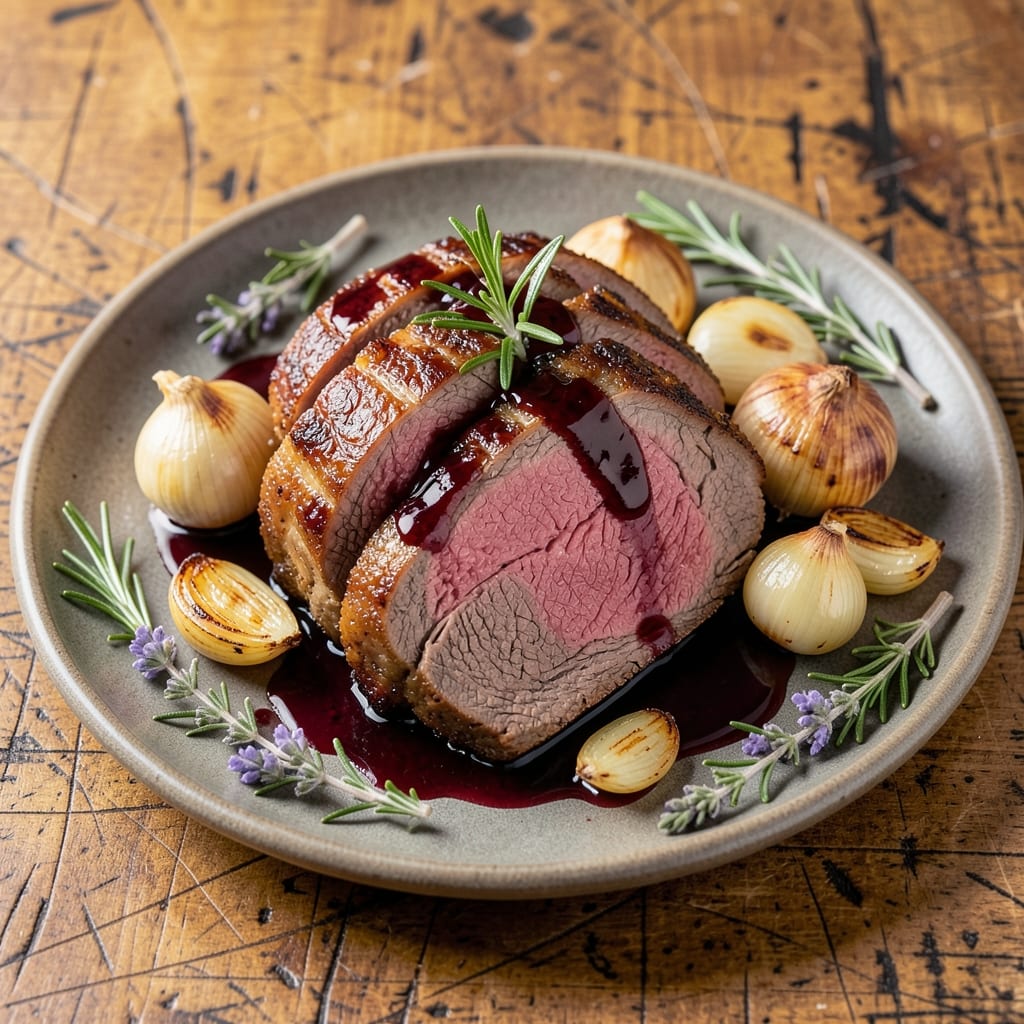
This amazing roast beef recipe delivers a restaurant-quality centerpiece with a perfectly seared crust and impossibly juicy core—no fancy equipment required. 💛 I've been perfecting this technique for years, and the secret lies in a simple dry-brine and reverse-sear method that guarantees foolproof results every time. What makes this recipe truly special is how it transforms a simple cut of beef into a showstopping main dish that smells like Sunday dinner the moment it hits the oven.
The magic happens in three key steps: dry-brining overnight for maximum flavor penetration, reverse-searing to control doneness, and letting the beef rest before slicing. This isn't your grandma's slow-roasted beef—it's tender yet firm, with a caramelized crust that cracks when you cut into it, releasing all that delicious au jus underneath. The beauty of this method is that it works with any cut of beef (ribeye, sirloin, or even chuck roast), making it incredibly versatile for different occasions.
By the time you're done, you'll have a roast beef that's so tender it practically melts in your mouth, with a rich, flavorful crust that's worth the wait. The au jus that collects in the pan is perfect for drizzling over slices or using as a dipping sauce for crusty bread. This is the kind of meal that makes you feel like you've earned a standing ovation—even if you're just cooking for your family.
Whether you're hosting a holiday feast or just craving a special dinner, this recipe delivers perfect, juicy beef that's sure to impress. The best part? It's easier than it sounds, and the results are worth every minute. Let's get started on creating your next centerpiece-worthy roast!
Ingredients for amazing roast beef
Six ingredients transform ordinary beef into a showstopping centerpiece—juicy, caramelized, and dripping with au jus.
| Ingredient | Amount | Notes |
|---|---|---|
| Beef Roast (Ribeye or Sirloin) 🥩 | 4 lb | Center-cut, 1.5-inch thick slices |
| Kosher Salt 🧂 | 2 tbsp | Diamond Crystal preferred |
| Freshly Ground Black Pepper 🌶️ | 1 ½ tbsp | Cracked peppercorns preferred |
| Fresh Rosemary 🌿 | ½ cup | Needles finely chopped |
| Fresh Thyme 🌿 | ¼ cup | Leaves only, stems removed |
| Garlic Cloves 🧄 | 8 cloves | Smashed, not minced |
| Extra-Virgin Olive Oil 🫒 | ¼ cup | High-quality, fruity |
| Yellow Onion 🧅 | 1 whole | Large, sliced into wedges |
| Carrots 🥕 | 4 whole | Large, peeled, cut into chunks |
| Celery Stalks 🥬 | 4 whole | Cut into 2-inch pieces |
| Beef Broth 💧 | 2 cups | Homemade or high-quality store-bought |
| Red Wine 🍷 | 1 cup | Bold dry red, like Cabernet Sauvignon |
| Tomato Paste 🍅 | 2 tbsp | High-quality, no sugar added |
| Balsamic Vinegar 🍶 | 1 tbsp | Aged, dark variety |
| Fresh Parsley 🌿 | ¼ cup | Chopped, for garnish |
The beef is everything here. Ribeye or sirloin—center-cut, 1.5-inch thick slices—delivers that perfect balance of tenderness and sear. Costco or Whole Foods carry premium cuts, but your local butcher can source even better. Look for vibrant red meat with good marbling—it's the secret to that melt-in-your-mouth texture. Fresh herbs matter too: rosemary and thyme from the grocery store's produce section (not dried) add that restaurant-quality aroma. Smash those garlic cloves—don't mince them. The texture change makes all the difference when they caramelize against the beef.
No ribeye? Sirloin or chuck roast works just fine—adjust cooking time if needed. Running out of red wine? Beef broth with a splash of balsamic mimics the depth perfectly. Fresh herbs wilt fast? Dried thyme at one-third the amount keeps the flavor, though fresh is always better. The tomato paste can be swapped for crushed San Marzano tomatoes if you prefer a chunkier au jus. And if you're feeling fancy, add a bay leaf to the pan—it disappears but adds layers of flavor. The key is balancing the acidity: if your wine is dry, the balsamic adds just enough tang to cut through the richness.
This roast is a make-ahead masterpiece. Dry-brine the beef overnight—it's non-negotiable for that deep flavor. The au jus? Make it ahead and reduce it on the stovetop later. Store both in airtight containers for up to 5 days in the fridge. For holidays, freeze the au jus in ice cube trays—thaw and reheat for instant flavor. The beef reheats beautifully: wrap tightly in foil and warm in a 300°F oven for 20 minutes. Leftovers? Slice thin and serve on crusty bread with extra au jus—game-day perfection.
Why You'll Love This Recipe
- Five-Ingredient Magic: The secret’s in the simplicity—just a hunk of beef, salt, pepper, and two herbs. That’s it. No fancy sauces or last-minute scrambling. The rosemary and thyme cling to the crust while the pepper cracks into something irresistible. I swear, I’ve made this with my eyes closed.
- Crust That Sings: The moment that seared edge hits your plate? Pure satisfaction. Kosher salt and black pepper work their magic while the oven does the rest, giving you that perfect balance of crispy outside and tender inside. It’s the kind of bite that makes people pause mid-chew.
- Leftovers That Win: This roast actually gets better the second day—shredded for sandwiches, sliced for salads, or thrown into a hash. Honestly, I’ve eaten it cold straight from the fridge, and my kids still ask for it. That’s a win in my book.
- Weeknight Hero: No brining, no basting, no stress. You season, you roast, you rest. That’s it. It’s the kind of dish that lets you actually enjoy dinner instead of standing over the stove. And between us? That’s exactly what we all need.
Step-by-step instructions for au jus-perfect roast beef
Here's how to transform your roast into a restaurant-quality masterpiece with a crackling crust and melt-in-your-mouth tenderness.
👨🍳 Step 1: Prep and Season the Beef Like a Pro
Remove the beef roast from the refrigerator and let it sit at room temperature for 30-45 minutes—this ensures even cooking. Pat it dry thoroughly with paper towels, especially focusing on the fat cap and any moisture-prone areas. I like to use two layers of paper towels for this step; the drier the surface, the better the crust will develop.
In a small bowl, mix together the 2 tbsp kosher salt, 1.5 tbsp freshly ground black pepper, 0.5 cup finely chopped fresh rosemary, and 0.25 cup fresh thyme leaves. Rub this mixture all over the beef, pressing firmly so the seasoning penetrates the surface. Don't forget to season the fat cap—this will render beautifully and baste the meat during cooking. For extra flavor, place the 8 smashed garlic cloves inside the cavity of the roast.
🔥 Step 2: Sear for Maximum Flavor and Crust
Preheat your oven to 450°F for this crucial step. Heat a heavy Dutch oven or roasting pan over medium-high heat until it's screaming hot. Add the 0.25 cup extra-virgin olive oil and let it shimmer for 1 minute—this ensures proper searing. Place the seasoned beef roast fat-side down in the pan and sear for 8-10 minutes until a deep golden-brown crust forms.
Here's the thing—don't move the beef around. Let it develop that beautiful crust undisturbed. If it releases easily from the pan after 5-6 minutes, flip it and sear the other side for another 5-6 minutes. The goal is to create a flavorful crust while keeping the interior juicy. Remove the beef from the pan and place it on a plate, leaving all that precious rendered fat behind.
🥘 Step 3: Build the Vegetable Base and Deglaze
In the same pan (don't wipe out that flavor!), add the sliced yellow onion wedges, 4 peeled carrot chunks, and 4 celery stalks. Sauté for 5-6 minutes until they begin to soften and take on color. This step develops the foundation of your au jus and adds depth to the final dish.
Pour in the 1 cup bold red wine and scrape up all those browned bits from the bottom of the pan with a wooden spoon—this is where all the flavor lives! Let the wine simmer for 3-4 minutes until it reduces by half. Stir in the 2 tbsp tomato paste and 1 tbsp balsamic vinegar, cooking for another 1 minute to meld the flavors.
🔥 Step 4: Roast to Perfection with Au Jus Magic
Return the beef to the pan, fat-side up, and transfer everything to the preheated 450°F oven. Roast for 20 minutes to start searing the top, then reduce the oven temperature to 325°F. This is where the magic happens—low and slow cooking ensures a juicy interior while that beautiful crust stays intact.
After 20 minutes, add the 2 cups beef broth to the pan. The liquid should come about halfway up the sides of the beef. Continue roasting for an additional 2-2.5 hours, or until the internal temperature reaches 130-135°F (for medium-rare). The vegetables will be tender and the au jus will have reduced to a rich, flavorful sauce. Here's my secret: tent the pan loosely with foil during the last 30 minutes to prevent the top from drying out.
⏰ Step 5: Rest and Serve with Showstopping Au Jus
Remove the beef from the oven and transfer it to a cutting board. Tent it loosely with foil and let it rest for 20-30 minutes—this crucial step allows the juices to redistribute throughout the meat. During this time, carefully strain the au jus through a fine-mesh sieve into a saucepan, pressing on the vegetables to extract all the flavor. Skim off any excess fat that rises to the surface.
Return the au jus to the stove and simmer gently for 5-7 minutes until it reaches your desired consistency. Taste and adjust seasoning with additional salt and pepper if needed. To serve, slice the beef against the grain into ½-inch thick slices and arrange on a platter. Spoon the glorious au jus over the top and garnish with 0.25 cup chopped fresh parsley. Each bite should deliver that perfect combination of crispy crust, tender meat, and rich, flavorful sauce!
Pro Tips For Making Amazing Roast Beef
- Sear First, Roast Slow: Get that pan screaming hot—cast iron or stainless steel—and sear the beef for 3-4 minutes per side before transferring to the oven. I used to skip this, thinking it was extra work, but that crust locks in flavor and keeps the juices from escaping when you slice. Ribeye especially benefits from this; sirloin’s leaner cut needs that sear to hold together. ---
- Trim the Fat, Not the Flavor: Pat the beef dry, then trim just the thickest fat caps down to about ¼-inch—enough to baste but not so much it steams instead of browns. I learned this the hard way with a sirloin that turned greasy; rosemary and thyme need room to stick to the meat, not melt into a pool of rendered fat. ---
- Skip the Overcrowded Pan: If you’re searing multiple pieces, do it in batches—even if it takes 10 minutes longer. I once jammed two roasts in a pan, and the second one just sat in its own juices, turning out gray and sad. A hot pan + space = proper crust. Your future self will notice the difference when slicing. ---
- Baste with Confidence: Every 20 minutes, spoon that rendered beef fat and rosemary-thyme infusion over the roast—generously. I used to dab it on like I was painting a fence, but this isn’t decorating; it’s flavor-bombing. Use a spoon with a long handle, and don’t be shy. The crust will thank you.
Flavor customization for this recipe
Herb Variations
Swap out the rosemary and thyme for other fragrant herbs to match your taste. Try 1 tbsp fresh sage with 1 tsp dried marjoram for a Mediterranean twist—this combo works beautifully with ribeye. For a French-inspired touch, use 1 tbsp fresh tarragon and 1 tsp dried savory.
Spice Infusions
Add warmth with 1 tsp smoked paprika or ½ tsp cayenne pepper when seasoning the beef—just mix it into your salt and pepper blend. For depth, try 1 tsp ground coriander and ½ tsp cinnamon (yes, really!) with chuck roast. These spices caramelize beautifully during roasting, adding complexity to the crust. Start with half the amount and taste before committing.
Umami Boosters
Elevate the au jus by adding 1 tbsp soy sauce or 1 tsp fish sauce to the wine reduction—trust me, it deepens the flavor without overpowering. For a vegetarian-friendly version, replace the beef broth with mushroom broth and add 1 tsp miso paste to the au jus. The umami punch will make your roast taste even more luxurious. 💛
Sweet-Savory Balance
Brighten the dish with 1 tbsp honey or 1 tbsp maple syrup in the au jus—just stir it in with the balsamic vinegar. This works surprisingly well with red wine's acidity, creating a glossy, slightly sweet sauce that pairs beautifully with the beef's richness. For a smoky-sweet twist, add ½ tsp liquid smoke to the au jus after straining.
Regional Twists
For a Texas-style roast, add 1 tbsp chipotle powder and ½ tsp cumin to the seasoning. In Carolina, swap the red wine for 1 cup apple cider and add 1 tsp mustard powder to the au jus. Each region brings its own bold character—experiment to find your favorite! 🗺️
Finishing Touches
Garnish with unexpected toppings like crispy fried shallots or toasted breadcrumbs for texture contrast. A sprinkle of fresh parsley or chopped chives adds freshness. For a showstopper, drizzle with truffle oil or a swirl of whipped cream cheese—perfect for holiday feasts. The right garnish can turn good beef into unforgettable beef!
Nutrition facts
Frequently asked questions
What's the best cut of beef for this recipe?
This recipe works beautifully with ribeye or sirloin roasts, both center-cut with 1.5-inch thickness. For budget-friendly options, chuck roast also delivers great results—just extend the cooking time by 30-45 minutes since it has more connective tissue. The key is choosing a well-marbled cut with good fat distribution for maximum flavor and juiciness.
Can I make this roast ahead of time?
This is a make-ahead masterpiece. Dry-brine the beef overnight in the fridge—this step is non-negotiable for deep flavor. For the au jus, make it a day ahead and reduce it on the stovetop later. Store both in airtight containers for up to 5 days in the fridge. To reheat, wrap the beef tightly in foil and warm in a 300°F oven for 20 minutes. The au jus reheats beautifully too—just warm it gently on the stove.
How do I know when the roast is done?
Use a meat thermometer for perfect results. For medium-rare (the ideal doneness for this recipe), aim for an internal temperature of 130-135°F. Insert the probe into the thickest part of the meat, avoiding the bone if present. The roast will continue rising 5-10°F while resting, so pull it out just before reaching your target temperature. For medium, shoot for 140-145°F, and well-done is 155-160°F.
What if my roast turns out dry?
Dry beef usually means it was overcooked or didn't rest properly. First, always let the roast rest for 20-30 minutes before slicing—this redistributes the juices. If it's still dry, try slicing thinner (¼-inch instead of ½-inch) and serving with extra au jus. For next time, reduce your oven temperature by 25°F and check the internal temp more frequently. A meat thermometer is your best friend here!
Can I use this method for a holiday feast?
This recipe is perfect for holidays! The reverse-sear method ensures juicy beef even for large cuts, and the au jus makes an elegant presentation. For a crowd, consider making two smaller roasts instead of one large one—they'll cook more evenly. Serve with classic sides like creamy mashed potatoes, roasted root vegetables, and a fresh green salad. The au jus can be frozen in ice cube trays for easy reheating later in the week.