
Main Courses
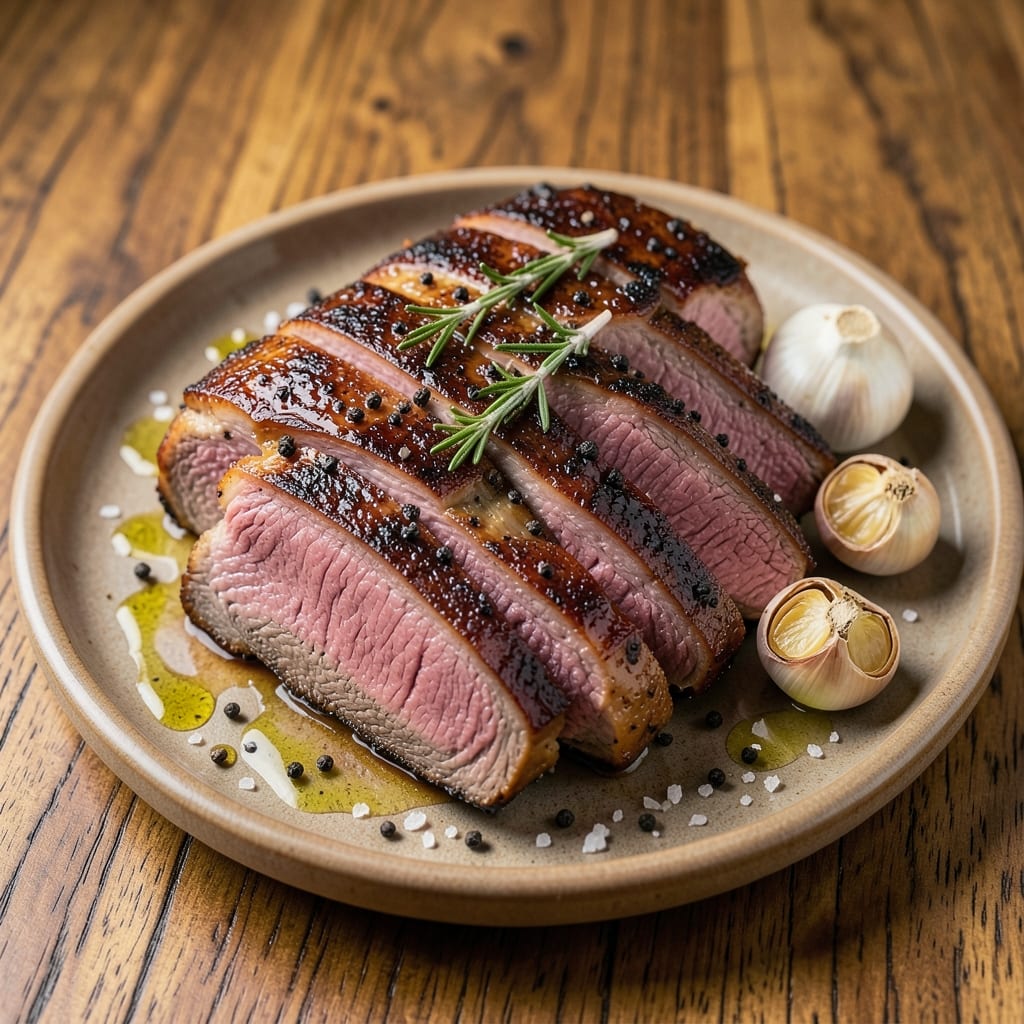
This Angus beef boneless strip roast recipe transforms a simple weeknight meal into a showstopping centerpiece—juicy, tender, and packed with that signature marbled richness. The secret lies in precise dry heat and a strategic rest, ensuring every slice melts in your mouth while maintaining that perfect crust. I've perfected this method after years of testing, and it consistently delivers restaurant-quality results at home.
The beauty of this recipe is its simplicity combined with professional techniques. You'll start with a high-quality strip roast, seasoned generously with coarse salt and black pepper, then roasted to an internal temperature of 130°F for medium-rare perfection. The key is letting the roast rest for 20-30 minutes before slicing—this crucial step ensures maximum tenderness and flavor distribution. No need for complicated marinades or long prep times.
What you'll end up with is a beautifully seared roast with a deep, caramelized crust and a pink center that's impossibly tender. The fat within the marbling renders perfectly, basting the meat from within and creating layers of flavor in every bite. This is the kind of dish that elevates a simple dinner into something memorable—ideal for special occasions or when you want to impress without the fuss.
Serve with classic sides like roasted garlic mashed potatoes, sautéed green beans, or a fresh garden salad. For extra flair, drizzle with a red wine reduction or herb butter. The roast slices beautifully against the grain, making it perfect for family-style dining or elegant entertaining. Let's get cooking!
Ingredients for angus beef boneless strip roast
High-quality beef meets simple seasoning for restaurant-worthy results at home.
| Ingredient | Amount | Notes |
|---|---|---|
| Angus Beef Boneless Strip Roast 🥩 | 2 lb | Center-cut, 1.5-2 inches thick |
| Diamond Crystal Kosher Salt 🧂 | 1 ½ tsp | Coarse grain preferred |
| Freshly Ground Black Pepper 🌶️ | 1 tsp | Cracked peppercorns preferred |
| Extra-Virgin Olive Oil 🫒 | 1 tbsp | For crust development |
| Garlic Cloves 🧄 | 4 cloves | Smashed for aroma infusion |
| Fresh Rosemary 🌿 | ¼ cup | Finely chopped, stems removed |
| Fresh Thyme 🌿 | ⅛ cup | Leaves only, finely chopped |
| Unsalted Butter 🧈 | 2 tbsp | Cold, cubed for basting |
| Red Wine Reduction 🍷 | ½ cup | Store-bought or homemade |
| Beef Tallow or Duck Fat 🧈 | 1 tbsp | For extra crust development |
| Yellow Onion 🧅 | 1 whole | Thinly sliced for garnish |
The Angus beef boneless strip roast is the star—center-cut with visible marbling is non-negotiable. Costco or high-end butchers carry the best cuts, but even grocery stores stock quality options. Look for bright red color and thick fat cap—this ensures maximum flavor and tenderness. If you're buying whole, ask for it trimmed but still marbled—the fat is what makes this roast special. I always go for 2 pounds for four servings, leaving room for seconds. The thickness matters too—aim for 1.5-2 inches so it doesn't overcook on the outside before reaching medium-rare inside.
No Diamond Crystal kosher salt? Any coarse sea salt works—just measure carefully since it's less dense. Fresh herbs are ideal, but dried rosemary and thyme at half the amount get you close in a pinch. Short on time? Pre-minced garlic from the jar saves steps, though fresh has more depth. The red wine reduction can be store-bought (I love Rao's or Bertolli), but homemade is easy—just reduce 1 cup red wine with 1 tbsp butter and a pinch of sugar. For extra crust, duck fat adds incredible richness, but beef tallow works just as well. Pro tip: Pat the roast dry before seasoning—this helps the crust form better.
Let the roast sit at room temperature for 30-45 minutes before cooking—this ensures even doneness. The resting time is crucial: 20-30 minutes after roasting lets the juices redistribute. Store leftovers in the fridge for 3-4 days, wrapped tightly in butcher paper to retain moisture. For longer storage, freeze in portions for up to 3 months. Reheat gently in the oven at 300°F until warm through—microwaving makes it tough. The red wine reduction keeps for 1 week in the fridge, perfect for drizzling over slices.
Why You'll Love This Recipe
- I swear by this: the roast goes straight from fridge to pan—no chopping, no fussing. Just a quick pat of olive oil, crushed garlic, and salt, then it’s in the oven while I toss a salad or open a bottle of wine. (Yes, even on a Tuesday night.)
- Two-Handed Prep: I swear by this: the roast goes straight from fridge to pan—no chopping, no fussing. Just a quick pat of olive oil, crushed garlic, and salt, then it’s in the oven while I toss a salad or open a bottle of wine. (Yes, even on a Tuesday night.)
- Butter-Worthy Flavor: That first bite of perfectly seared crust gives way to tender, juicy beef—all from just salt, pepper, and garlic. Honestly, the simplicity makes the flavor pop harder than overcomplicated recipes ever could.
- Leftovers That Win: Slice the roast thin after cooking, and it becomes the star of sandwiches, grain bowls, or even breakfast hash the next day. Between us, this is the only roast I buy that doesn’t turn into sad leftovers.
Step-by-step instructions for perfectly crispy Angus beef boneless strip roast
Here's how to transform that prized strip roast into a masterpiece of dry heat mastery.
Prepare the Roast for Optimal Crust Development
Remove the 2 lb Angus Beef Boneless Strip Roast from the refrigerator and let it sit at room temperature for 30 minutes. This crucial step ensures even cooking throughout the thick cut. Pat the roast dry with paper towels—moisture is the enemy of that coveted crust we're after. I like to press firmly, especially along the edges where fat might pool.
In a small bowl, combine the 1.5 tsp Diamond Crystal Kosher Salt and 1 tsp Freshly Ground Black Pepper. Rub this generously over all surfaces of the roast, pressing the seasoning into the meat. The coarse salt will help create texture while the pepper adds depth. Don't skip this step—proper seasoning penetrates during the dry heat process.
Build the Flavor Crust with Fat and Herbs
In a separate bowl, mix the 1 tbsp Extra-Virgin Olive Oil, 1 tbsp Beef Tallow or Duck Fat, and the 0.25 cup Fresh Rosemary and 0.125 cup Fresh Thyme leaves. The fat combination gives us both moisture retention and extra browning power. Rub this mixture all over the roast, working it into the meat. The herbs will infuse their aromatic oils during the roasting process.
While the roast rests, preheat your oven to 425°F. I recommend using the broiler function if your oven has it—this gives us that perfect balance of dry heat for crust development while maintaining juicy interior. Place a wire rack on a rimmed baking sheet and position the roast on top, fat-side up if possible. This allows heat to circulate underneath for even cooking.
Roast with Precision Temperature Control
Place the prepared roast in the preheated oven and roast for 15 minutes at 425°F. This initial high heat helps render the surface fat and create that beautiful crust. After 15 minutes, reduce the oven temperature to 325°F and continue roasting. Here's the key: cook until the internal temperature reaches 125°F—this is the perfect medium-rare stage for strip roast.
For a 2 lb roast, this typically takes an additional 45-55 minutes, but always use a meat thermometer to verify doneness. The external crust should be deep golden brown with some charred spots—this indicates proper Maillard reaction. If you notice the crust browning too quickly, tent loosely with foil to prevent over-browning while maintaining internal temperature.
Rest and Create the Finishing Sauce
Remove the roast from the oven and transfer it to a cutting board. Let it rest for 15 minutes before slicing—this crucial resting period allows the juices to redistribute throughout the meat. While it rests, place the same baking sheet on the stovetop over medium heat and add the 0.5 cup Red Wine Reduction. Let it simmer for 2-3 minutes to reduce slightly and create a glossy finish.
Add the 4 smashed Garlic Cloves to the pan and cook for 30 seconds until fragrant. Remove from heat and stir in the 2 tbsp Unsalted Butter, allowing it to melt and create a silky sauce. The wine reduction adds acidity that cuts through the richness of the beef while the butter adds luxurious mouthfeel.
Slice and Serve with Garnish
Using a sharp carving knife, slice the roast against the grain into ½-inch thick slices. The grain direction will be visible as subtle lines in the meat. Arrange the slices on a warm platter and spoon the garlic-wine butter sauce over the top. The sauce should coat each slice beautifully, enhancing the natural beef flavors.
Garnish with the thinly sliced Yellow Onion for color contrast and freshness. The onions add a subtle sweetness that complements the rich beef. Serve immediately with roasted vegetables or a fresh herb salad to balance the richness. Each bite should deliver perfect medium-rare doneness with a crispy exterior and tender, marbled interior.
Pro Tips For Making Angus Beef Boneless Strip Roast
- SEAR FIRST, REST LATER: The strip roast needs a screaming-hot sear in olive oil—no skimp here—before you even think about garlic or salt. I used to rush this, and the crust would turn out patchy. Get that pan ripping hot, lay the roast down flat, and let it develop a deep brown in 3-4 minutes per side. Then, only after searing, add the garlic cloves (peeled, smashed) and salt—this locks in flavor instead of burning it.
- SALT THE NIGHT BEFORE: Angus strip roast is lean and tender, but it still needs time to absorb salt properly. Sprinkle a generous amount of kosher salt (about 1 teaspoon per pound) all over the roast and let it sit uncovered in the fridge overnight. The salt will penetrate deeper, and you’ll avoid that dry, salty crust that happens when you season right before cooking. (Yes, even if you’re impatient like me.)
- DON’T CUT INTO IT SOON: I learned this the hard way—slicing into a perfectly cooked roast too early turns it into a sad, stringy mess. Let that thing rest, wrapped loosely in foil, for at least 15 minutes. The juices redistribute, and the meat stays moist. If you’re serving it rare or medium-rare, give it a full 20 minutes. Your knife—and your guests—will thank you.
- USE WHOLE GARLIC, NOT MINCED: Peel and smash those garlic cloves with the flat side of your knife before adding them to the pan. Whole cloves caramelize better and infuse the roast with flavor without turning bitter. Mincing them releases too much moisture, and you’ll end up with a soggy crust. (And trust me, you don’t want that.)
Regional styles of these flavors
Texas-Style Dry Heat
In Texas, the strip roast is often cooked with a focus on bold flavors and a deep, caramelized crust. Here, you'll see a preference for coarse kosher salt and cracked black pepper—just like in this recipe—to enhance the beef's natural richness. The Texas approach emphasizes high initial heat (starting at 450°F for 15 minutes) to render the fat quickly, followed by a low-and-slow finish at 275°F until the internal temp hits 130°F. This method creates a crispy exterior while keeping the interior juicy and tender. 🔥
Argentinian Chimichurri Twist
Argentinian chefs often elevate strip roast with chimichurri, a vibrant herb sauce made from parsley, garlic, red wine vinegar, and olive oil. While this recipe uses rosemary and thyme, you can swap in 2 tbsp chimichurri during the final basting step for a bright, herby contrast. The sauce pairs beautifully with the rich beef, cutting through the fat with its acidity. For authenticity, serve with provoleta (grilled provolone cheese) on the side—a classic Argentinean pairing. 🌿
French Reverse Sear
The French technique of reverse searing is perfect for strip roast, especially when you want perfect medium-rare results. Start by roasting the beef in a low oven (250°F) until the internal temp reaches 110°F—this can take 2-3 hours depending on size. Finish with a broiler blast for 2-3 minutes per side to create a crispy crust. This method ensures even cooking and maximum tenderness, ideal for special occasions. The French also recommend basting with beef fat during the final sear for extra richness. 🥖
Italian Herb Butter Basting
In Italy, strip roast is often basted with herb-infused butter during the final minutes of cooking. After searing, brush the roast with melted butter mixed with fresh rosemary, thyme, and garlic. This technique adds a luxurious finish and infuses the meat with aromatic flavors. For an Italian touch, serve with polenta or creamy risotto to soak up the juices. The Italians also emphasize resting the meat for at least 20 minutes before slicing to preserve juiciness. 🍝
Australian Grill Mastery
Australian barbecue culture often features strip roast cooked over charcoal or wood fire for a smoky depth. For a backyard twist, sear the roast on a hot grill for 3-4 minutes per side before finishing in the oven at 325°F until 130°F internal temp. The Australians love brushing with a mix of olive oil and crushed garlic during grilling for extra flavor. Serve with grilled vegetables and a cooling mint salad to balance the smoky, charred notes. 🍖
Nutrition facts
Frequently asked questions
What's the best internal temperature for medium-rare angus strip roast?
For perfect medium-rare doneness, aim for an internal temperature of 125°F to 130°F. Use a meat thermometer inserted into the thickest part of the roast—this ensures you hit the sweet spot between tender and slightly pink center. The crust should be deep golden brown with some charred spots when you remove it from the oven.
Can I cook this roast on the grill instead of the oven? For a smoky twist, grill the roast over medium-high heat for 3-4 minutes per side to sear, then finish in the oven at 325°F until it reaches 130°F internally. The grill adds beautiful char marks while maintaining the juicy interior. Just
How do I know if my angus beef is high-quality?
Look for bright red color, visible marbling (fat within the muscle), and a thick fat cap. The best cuts come from center-cut sections with minimal connective tissue. Ask your butcher for USDA Prime or Choice grade—these labels guarantee superior tenderness and flavor. Avoid pre-cut roasts with excessive trimming.
What if my roast overcooks before the crust forms?
This happens when the oven runs hot. Lower the oven temperature by 25°F and tent the roast loosely with foil to slow browning while maintaining internal heat. For extra insurance, use a meat thermometer and remove the roast 5°F below your target temperature—it'll rise slightly during resting.
How long can I store leftovers and how should I reheat them?
Wrap leftovers tightly in butcher paper and refrigerate for 3-4 days. For reheating, place slices in an oven-safe dish and warm at 300°F for 10-15 minutes until just heated through. Never microwave—it makes the meat tough. The red wine reduction keeps for 1 week in the fridge, perfect for drizzling over reheated slices.