
Soups & Stews
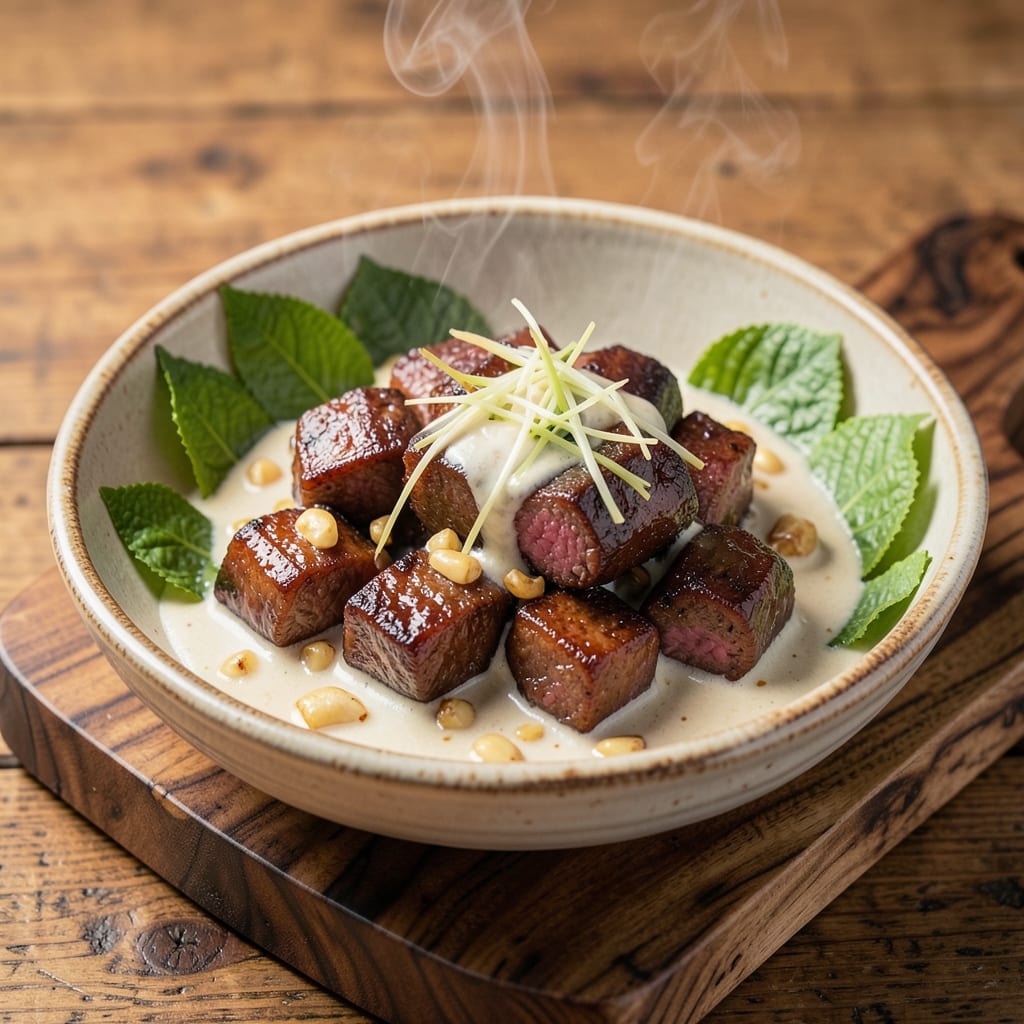
Bangkok beef recipe delivers restaurant-quality Thai coconut curry that transforms tough beef into melt-in-your-mouth bites with a rich, aromatic sauce. The secret lies in marinating the beef overnight and caramelizing the coconut milk to deepen its natural sweetness while balancing traditional Thai flavors—sweet, sour, and umami. This dish isn’t just about the tender beef; it’s about the layers of flavor that come together in every spoonful.
The recipe begins with a simple yet effective marinade of garlic, lemongrass, and galangal, which infuses the beef with fragrant depth. After stir-frying to lock in those flavors, the beef simmers in a velvety coconut curry sauce until it’s fork-tender. The sauce reduces just enough to thicken slightly, creating a glossy, clinging consistency that coats every bite. This method ensures the beef stays juicy while the sauce develops a caramelized richness that’s impossible to resist.
What you’ll end up with is a dish that’s as visually stunning as it is delicious—golden-brown beef pieces nestled in a glossy, aromatic sauce with just the right balance of heat, sweetness, and tang. The sauce’s depth comes from a blend of traditional Thai ingredients like kaffir lime leaves, Thai basil, and a touch of palm sugar, all simmered until the flavors meld into harmony. Serve it over fragrant jasmine rice, and you’ve got a meal that feels like a trip to Bangkok without leaving your kitchen.
This Bangkok beef recipe is designed to be approachable yet impressive, perfect for weeknight dinners or special occasions. The marinade can be prepped ahead, and the curry sauce develops even more flavor as it sits, making it ideal for meal prep. Pair it with a simple cucumber salad or a fried egg for a full Thai-inspired feast. Let’s get cooking—your taste buds will thank you.
Ingredients for bangkok beef
These aromatic ingredients transform tough beef into restaurant-quality Thai coconut curry.
| Ingredient | Amount | Notes |
|---|---|---|
| Beef Chuck Roast 🥩 | 1 ½ lb | Cut into 1-inch cubes |
| Coconut Milk 🥥 | 1 can (13.5 oz) | Full-fat for creaminess |
| Lemongrass 🌿 | 3 whole | Bruised stems only |
| Galangal 🌿 | 1 piece (3-inch) | Substitute ginger if unavailable |
| Garlic Cloves 🧄 | 6 cloves | Minced for marinade |
| Kaffir Lime Leaves 🍋 | 2 whole | Bruised for aroma |
| Thai Basil Leaves 🌿 | ½ cup | Packed, stems removed |
| Palm Sugar 🍯 | 2 tbsp | Substitute brown sugar |
| Fish Sauce 🍶 | 2 tbsp | Red Boat preferred |
| Red Curry Paste 🌶️ | 2 tbsp | Maesri brand ideal |
| Olive Oil 🫒 | 2 tbsp | For stir-frying beef |
| Jasmine Rice 🍚 | 1 ½ cups | Uncooked, long-grain |
| Lime Juice 🍋 | 2 tbsp | Freshly squeezed |
| Salt 🧂 | 1 tsp | Kosher or sea salt |
| Black Pepper 🌶️ | ½ tsp | Freshly ground |
The beef is everything here—chuck roast gives you that melt-in-your-mouth texture, while cubing it evenly ensures consistent cooking. For the Thai flavors, lemongrass and galangal are non-negotiable (though ginger works in a pinch). I grab mine at Asian markets—they have fresh stalks, not those sad pre-packaged bundles. The Red Boat fish sauce is worth the splurge—it's the secret to authentic umami. If you can't find palm sugar, brown sugar works just fine, though it won't have that same caramel depth.
No kaffir lime leaves? Substitute lime zest plus a splash of lime juice—it's not the same, but close. The Thai basil is the star of the dish, so don't skip it if you can find it. Most grocery stores carry it now, usually near the regular basil. For the coconut milk, full-fat is essential—light versions won't give you that creamy texture. If you're short on time, pre-minced garlic works, but fresh is always better. The curry paste? Maesri brand is the gold standard, but any good-quality Thai red curry paste will do.
This dish tastes even better the next day—make extra and freeze portions for up to 3 months. Store the curry in airtight containers with a layer of oil on top to preserve freshness. The rice? Cook it ahead and reheat with a splash of water—it reheats beautifully. For leftovers, reheat gently over low heat to keep the sauce from breaking. I always serve it with a side of cucumber salad or a fried egg to balance the richness.
Why You'll Love This Recipe
- One-Pot Magic: I swear by this—just sear the beef, toss in the aromatics, and let the coconut milk do its thing. No chopping boards full of mess, no endless stirring. The galangal and lemongrass infuse the beef right in the pot, so you’re basically hands-off after the initial prep.
- Flavor Bomb: That first bite? Rich, tangy, and layered—like a hug from Bangkok. The garlic cloves caramelize into sweet pockets, while the coconut milk keeps it velvety. It’s the kind of dish that makes you pause mid-bite just to savor it.
- Weeknight Workhorse: I’ve served this to date-night guests, lazy Sunday lunches, and even my picky teen’s friends. The leftovers? Just as good reheated the next day (yes, really). It’s fancy enough for company but simple enough to make when you’re in pajamas.
- Budget Stretch: A whole chuck roast feeds my family for days, and the spices cost pennies. The coconut milk adds luxury without breaking the bank, and I always have galangal and lemongrass on hand now—worth it for this alone. No sad, expensive takeout nights here.
Step-by-step instructions for Thai-inspired coconut curry with tender beef bites
Here's how to create restaurant-quality Thai beef curry with perfectly tender beef and rich coconut flavors.
Prepare the Aromatic Base
First, cut the 1.5 lb beef chuck roast into 1-inch cubes—this size ensures even cooking and maximum tenderness. Set aside. In a large pot or Dutch oven, heat the 2 tbsp olive oil over medium heat. Add the 6 cloves minced garlic cloves and cook for 30 seconds until fragrant—you'll smell that fresh garlic aroma filling your kitchen.
Next, add the 2 tbsp red curry paste and stir constantly for 1 minute until it darkens slightly and releases its deep, spicy aroma. This is where all the complex flavors begin to develop. Be careful not to let it burn—just until it's fully incorporated and smells heavenly. Here's the thing—this step builds the foundation for your entire dish, so don't rush it.
Build the Curry Sauce
Add the 3 whole lemongrass (bruised stems only) and 1 piece (3-inch) galangal (peeled and sliced if needed) to the pot. These aromatic ingredients will infuse the sauce with their signature Thai flavors. Cook for 2 minutes until the galangal softens slightly and the lemongrass releases its citrusy fragrance.
Pour in the 1 can (13.5 oz) coconut milk and stir gently to combine. Let it simmer for 5 minutes over medium-low heat—this allows the coconut milk to warm through and begin developing its creamy texture. The mixture should be smooth and fragrant, with a subtle coconut aroma. If you notice any curry paste settling at the bottom, gently stir to distribute it evenly throughout the sauce.
Cook the Beef to Perfection
Add the beef cubes to the pot along with the 2 tbsp fish sauce, 2 tbsp palm sugar, 1 tsp salt, and 0.5 tsp black pepper. Stir gently to coat each piece of beef in the aromatic sauce. Bring the mixture to a gentle simmer, then reduce heat to low and cover the pot. Let it cook for 45 minutes, stirring occasionally, until the beef is fork-tender.
Here's the crucial part: the beef should be tender enough to pierce easily with a fork but still hold its shape. If you press a piece with your fork and it falls apart, it's done. If it's still slightly firm, give it another 10-15 minutes of cooking time. The sauce should have thickened slightly and coat the beef beautifully—this is where the magic happens.
Finish with Fresh Herbs and Lime
Once the beef is tender, remove the pot from heat and stir in the 2 whole bruised kaffir lime leaves and 0.5 cup packed Thai basil leaves. Let the mixture steep for 5 minutes—this allows the herbs to infuse their bright, aromatic flavors into the sauce. The basil will add a fresh, slightly peppery note that balances the richness of the coconut.
Finally, stir in the 2 tbsp freshly squeezed lime juice. This brightens the entire dish and cuts through the richness of the coconut milk. Taste and adjust seasoning if needed—you might want to add a bit more fish sauce for saltiness or palm sugar for sweetness. The sauce should be perfectly balanced with a touch of heat, sweetness, and acidity.
Serve Over Jasmine Rice
While the curry is simmering, cook the 1.5 cups jasmine rice according to package instructions—it should be fluffy and slightly sticky when done. To serve, spoon the beef and sauce over the rice, making sure each bite gets a generous portion of both. Garnish with additional Thai basil leaves if desired, and serve immediately while everything is hot and fragrant.
This dish is all about the balance of flavors and textures—tender beef, creamy coconut sauce, and fragrant herbs coming together in every bite. The rice soaks up the delicious sauce, making each mouthful even more satisfying. Enjoy your homemade Bangkok beef curry with a side of steamed vegetables or a simple cucumber salad for a complete meal!
Pro Tips For Making Bangkok Beef
- Sear First, Simmer Slow: Bangking beef isn’t just about flavor—it’s about texture. After browning the chuck roast in batches (don’t overcrowd the pan), transfer it to a pot and cover with water. Bring to a boil, then immediately reduce to a gentle simmer. Too much heat now, and you’ll end up with stringy beef. Think "barely bubbling" like a lazy Sunday morning.
- Slice Galangal Thin: Galangal’s the backbone of this dish, but most people slice it like ginger. Wrong. Use a sharp knife and slice it paper-thin—almost translucent. If your knife isn’t up for it, freeze the root for 15 minutes first. Thinner slices release their citrusy punch without turning the sauce bitter.
- Save the Coconut Water: When opening the can of coconut milk, don’t dump the watery bit down the drain. Strain it through a fine-mesh sieve, then add it back to the pot after the beef simmers. That extra liquid balances the richness and keeps the sauce from curdling. Yes, it’s an extra step—but it’s the difference between "good" and "restaurant-quality."
- Rest the Beef Twice: First, let the roast rest for 10 minutes after browning—this keeps it juicy. Then, after simmering, turn off the heat and let it sit another 15 minutes off the stove. I learned this the hard way: cutting into it too soon turns the tender meat into a sad, dry mess. Patience here makes all the difference.
Wine and beer pairings for this bangkok beef
Thai White Wine Pairings
For Bangkok beef, I reach for Thai white wines that complement the dish’s coconut sweetness and spicy depth. A crisp Riesling from Thailand’s Chang Wine brand—like their Chardonnay or Sauvignon Blanc—works beautifully. The wine’s citrus notes mirror the lime in the curry while its slight sweetness balances the heat. Serve it slightly chilled (45-50°F) to enhance its refreshing qualities. 🍷
Light-Bodied Reds
If you prefer red, opt for Pinot Noir from Thailand’s Banyan Tree vineyard. Its delicate berry flavors and low tannins won’t overpower the dish’s complexity. Look for bottles labeled "Thai Pinot Noir"—they’re often lighter and more aromatic than their French counterparts. Pair with a splash of Thai iced tea (like Thai Lion Tea) for a local twist. 🍇
Beer Pairings
A Thai lager like Singha or Leo cuts through the richness without competing. The crisp, slightly malty profile refreshes your palate between bites. For craft beer lovers, try a Thai-style pale ale from Bangkok Beerworks—its tropical notes echo the curry’s coconut and lemongrass. Serve both drinks well-chilled (38-42°F) to highlight their clean, refreshing qualities. 🍺
Non-Alcoholic Options
For a non-alcoholic match, Thai iced tea (sweetened with condensed milk) is a must. Its caramelized sugar and creamy texture mirror the curry’s sweet-savory balance. Alternatively, a sparkling lime soda (like Thai 7Up) adds effervescence to cleanse your palate. Both options are widely available at Asian markets or can be made at home with Thai tea bags and fresh lime juice. 🥤
Wine Service Tips
Serve white wines in chilled (45-50°F) Thai-inspired glassware—like a lotus-shaped wine glass—to elevate the experience. For beer, use tall, narrow glasses to preserve carbonation. I like to garnish drinks with Thai basil leaves or lime wheels to tie back to the dish. Always taste the wine/beer alongside the curry to adjust pairings to your preference. ✨
Nutrition facts
Frequently asked questions
Can I substitute regular ginger for galangal in this recipe?
Yes, you can! Galangal has a citrusy, peppery flavor that's distinct from ginger, but fresh ginger works well as a substitute. Use about 1 tablespoon of grated ginger for every 1-inch piece of galangal in the recipe. The dish will still be delicious, though it'll have a slightly different aromatic profile.
How do I make this Bangkok beef dish spicier?
For extra heat, add 1-2 teaspoons of chili flakes or 1/2 teaspoon of cayenne pepper to the curry paste before cooking. You can also stir in 1-2 sliced Thai chilies (remove seeds for milder heat) while simmering. Taste as you go and adjust to your preferred spice level!
Can I make this recipe in an Instant Pot or slow cooker?
For the Instant Pot, sauté the garlic and curry paste first, then add all ingredients except the herbs and lime juice. Cook on high pressure for 20 minutes, then do a natural release. For a slow cooker, combine everything (including herbs) on low for 6-7 hours or high for 3-4 hours. Finish with lime juice and fresh basil before serving.
What's the best way to store leftovers?
Store leftovers in an airtight container in the fridge for up to 4 days. To reheat, gently warm over low heat on the stove, adding a splash of water or coconut milk if the sauce thickens too much. For longer storage, freeze portions in freezer-safe containers for up to 3 months.
Why did my sauce separate?
This happens when coconut milk isn't warmed gradually or when the sauce cooks too vigorously. To fix it, whisk in 1 tablespoon of coconut cream or a splash of warm water while stirring constantly. For prevention, always simmer the sauce on low heat and stir occasionally. The key is patience—let the flavors meld slowly!