
Main Courses
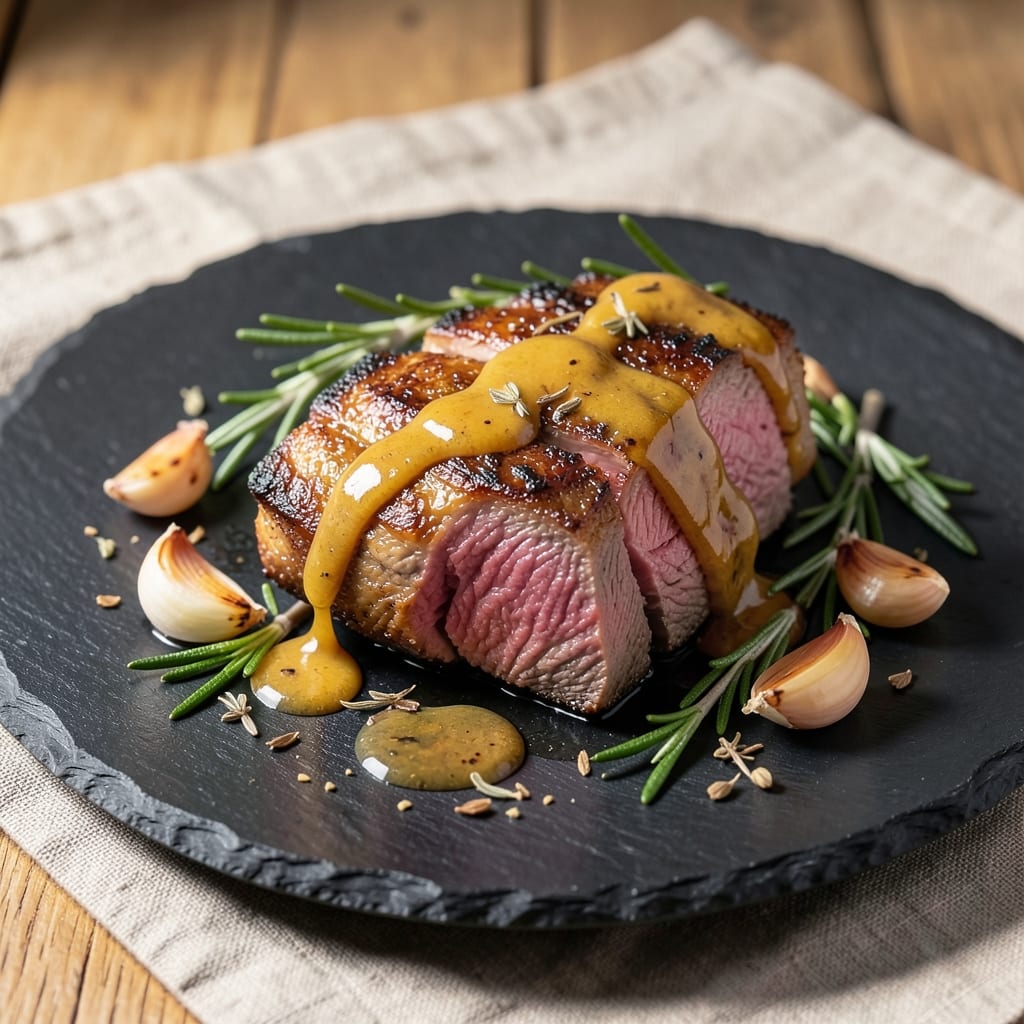
This baked beef heart recipe transforms what many consider an intimidating cut into a restaurant-worthy centerpiece with herb-crusted tenderness and charred depth. The secret lies in proper preparation—trimming connective tissue and marinating to break down natural fibers—before baking at a precise temperature to achieve that perfect balance of juicy interior and flavorful crust. What starts as a challenging ingredient becomes a showstopping main course that rivals traditional cuts.
What sets this recipe apart is its ability to deliver tender results without lengthy marinating or complicated techniques. A simple blend of garlic, rosemary, and Dijon mustard creates an aromatic crust that seals in moisture while adding layers of flavor. The high-heat bake ensures a caramelized exterior that contrasts beautifully with the melt-in-your-mouth texture inside—proof that even less familiar cuts can shine with the right approach.
By the time you serve this dish, your guests will experience beef heart in a way that feels familiar yet exciting—rich, savory, and deeply satisfying. The herb crust adds visual appeal, while the charred edges promise a depth of flavor that elevates it beyond typical beef preparations. This is the kind of recipe that turns a weeknight dinner into a memorable meal.
Perfect for adventurous home cooks or anyone looking to expand their culinary repertoire, this method ensures foolproof tenderness while keeping the process straightforward. Pair with roasted vegetables or a bold red wine to complete the experience. Let’s get started on transforming this unique cut into a standout dish.
Ingredients for baked beef heart
Transform intimidating beef heart into a restaurant-worthy centerpiece with these precisely chosen ingredients.
| Ingredient | Amount | Notes |
|---|---|---|
| Beef Heart 🥩 | 2 lb | Whole, trimmed of connective tissue |
| Extra-Virgin Olive Oil 🫒 | ½ cup | For marinade and crust |
| Garlic Cloves 🧄 | 8 cloves | Minced for marinade and crust |
| Fresh Rosemary 🌿 | ⅓ cup | Finely chopped, stems removed |
| Dijon Mustard 🍯 | 2 tbsp | For crust and marinade |
| Dried Thyme 🌿 | 1 tbsp | Or 1 tbsp fresh thyme leaves |
| Coarse Sea Salt 🧂 | 2 tbsp | Diamond Crystal preferred |
| Freshly Ground Black Pepper 🌶️ | 1 tbsp | Freshly cracked for best flavor |
| Red Wine Vinegar 🍷 | ¼ cup | For marinade acidity |
| Fresh Parsley 🌿 | ¼ cup | Chopped for garnish |
| Balsamic Glaze 🍷 | 2 tbsp | For finishing drizzle |
The beef heart is the star, and proper preparation makes all the difference. Source from a trusted butcher—look for hearts that are bright red and firm to the touch, indicating freshness. Whole Foods or specialty meat counters often carry high-quality cuts. Trim any visible connective tissue or silver skin before use, as these can make the meat tough. The herb crust requires fresh rosemary and parsley—farmers markets often have superior quality compared to grocery store herbs. For the olive oil, Californian or Italian varieties provide the best flavor profile, with a fruity, peppery finish that complements the beef heart's natural richness.
No fresh rosemary? Dried thyme at twice the amount works as a substitute, though the flavor will be subtler. Short on balsamic glaze? Red wine reduction made from 1 cup red wine simmered to half its volume will deliver similar depth. The Dijon mustard adds complexity—Grainy varieties provide better texture than smooth. For the marinade, if red wine vinegar is unavailable, white wine vinegar or apple cider vinegar can be used, though the flavor profile will shift slightly. The sea salt should be coarse—Diamond Crystal dissolves more slowly, enhancing flavor as it clings to the meat's surface.
Beef heart marinates best when refrigerated for 4-6 hours, though overnight works too. Store any unused marinade separately—it's not safe to reuse after contact with raw meat. The crust ingredients can be prepped ahead and stored in an airtight container for up to 3 days in the fridge. Once baked, the dish holds well for 3 days refrigerated, though the texture becomes slightly drier. For longer storage, wrap tightly in foil and freeze for up to 3 months. Reheat gently in a skillet or oven to restore moisture.
Why You'll Love This Recipe
- One-Pan Magic: I swear by this recipe on busy nights—just slice the heart, toss it in oil, garlic, and rosemary, then bake. No chopping boards, no messy sauces, just hands-off perfection while you sip wine or scroll through your phone.
- Herb-Crusted Richness: That rosemary and Dijon mustard combo? It’s like a hug for your taste buds—earthy, bright, and just salty enough. The beef heart stays tender but gets this irresistible crust that makes every bite worth it.
- Meal Prep MVP: Between us, this is my go-to for batch cooking. Slice it up, bake a big tray, and you’ve got protein for salads, sandwiches, or even tacos all week. Honestly, it’s the only recipe that actually makes meal prep feel rewarding.
- Budget Game-Changer: Beef heart is a secret weapon for stretching meals without sacrificing flavor. A pound feeds four, and the cost? A fraction of steak. I’ll be real: my wallet thanks me every time I make this instead of ordering takeout.
Step-by-step instructions for herb-crusted beef heart
Transform tough beef heart into melt-in-your-mouth tenderness with this precise baking method.
Prepare the Beef Heart for Maximum Tenderness
Begin by trimming the beef heart of any visible connective tissue or silver skin using a sharp boning knife. I find it helpful to work on a cutting board with the heart placed fat-side down for stability. The goal is to remove any tough membranes while preserving the muscle fibers that will become tender during cooking.
Slice the heart into four even portions, each weighing about 8 ounces. For best results, cut against the grain direction—this shortens the muscle fibers and creates a more tender final texture. Place the trimmed pieces in a large bowl and set aside. This preparation ensures even cooking and optimal flavor penetration in the next steps.
Create the Herb-Crust Marinade
In a separate bowl, combine the 0.5 cup extra-virgin olive oil, 0.25 cup red wine vinegar, 2 tbsp Dijon mustard, 1 tbsp dried thyme, 2 tbsp coarse sea salt, and 1 tbsp freshly ground black pepper. Whisk vigorously until the salt and thyme dissolve completely. This marinade serves dual purposes: tenderizing the meat and creating a flavorful crust.
Add the 8 cloves minced garlic and 0.33 cup finely chopped fresh rosemary to the marinade. Stir well to distribute the aromatics evenly. Pour this mixture over the beef heart pieces in the bowl, ensuring each piece is thoroughly coated. Cover and refrigerate for at least 4 hours, or preferably overnight. The acidity in the vinegar and the enzymes in the mustard will work together to break down muscle fibers, resulting in remarkably tender meat.
Build the Herb Crust and Bake
Preheat your oven to 375°F and position a rack in the middle position. Line a baking sheet with parchment paper for easy cleanup. After marinating, remove the beef heart pieces and arrange them on the prepared baking sheet, spacing them about 1 inch apart to allow for even browning.
Create the herb crust by mixing together 0.25 cup chopped fresh parsley, 1 tbsp coarse sea salt, and 1 tbsp freshly ground black pepper in a small bowl. Sprinkle this mixture evenly over each beef heart piece, pressing gently to adhere. Drizzle each piece with about 1 teaspoon of the reserved marinade to help the crust stick. Bake for 30-35 minutes until the internal temperature reaches 145°F and the crust is golden brown and crispy.
Rest and Finish with Balsamic Glaze
Remove the beef heart from the oven and transfer it to a cutting board. Let it rest for 10-15 minutes before slicing. This resting period allows the juices to redistribute throughout the meat, preventing them from escaping when you cut into it. The crust will remain crispy while the interior stays juicy and tender.
While the beef heart rests, heat the 2 tbsp balsamic glaze in a small saucepan over low heat until it becomes slightly runny, about 2-3 minutes. Drizzle this warm glaze over each serving of beef heart just before serving. The acidity of the balsamic complements the rich, herby flavors while adding a beautiful glossy finish. Serve immediately with your choice of sides to enjoy the perfect balance of texture and flavor.
Pro Tips For Making Baked Beef Heart
- Trim the Fat First: Beef heart has a thick layer of fat on the outside—slice it off with a sharp knife before seasoning. I learned this the hard way when my first batch turned greasy instead of crispy, and the crust stuck like glue. Thin slices cook faster and get that perfect golden crust. ---
- Start with Cold Oil: Add your olive oil to the pan cold—no need to heat it first. After browning the heart, pour in the oil while the pan is still hot, then add garlic and rosemary. The oil will sizzle and infuse flavor without burning, and you’ll avoid that bitter taste from overcooked garlic. ---
- Don’t Overcrowd the Pan: If you’re searing before baking, work in batches—even if it feels slow. I once tried to rush it and ended up with steamed heart instead of caramelized edges. A single layer in the pan makes all the difference for that restaurant-quality crust. ---
- Bake at 375°F, Not Higher: Beef heart dries out fast, so resist the urge to crank the oven to 425°F. 375°F lets the mustard and rosemary meld without turning the outside into leather. After 20 minutes, flip or rotate the pan—just don’t skip this step, or you’ll miss the juicy center.
Essential equipment for great baked beef heart
Precision Tools
Start with a sharp boning knife—I recommend the Victorinox Fibrox—for trimming beef heart cleanly. A heavy-duty cutting board (like Maple Hollow's cherry board) prevents slipping while you work with the heart's dense fibers. For measuring marinade ingredients, a stainless steel measuring cup ensures accuracy with liquids like olive oil and vinegar. 🔪
Oven Essentials
Your oven needs a reliable thermometer—I trust the Thermoworks Oven Thermometer—to confirm it reaches 375°F without hot spots. A half-sheet baking tray (like Wilton's heavy-duty pan) distributes heat evenly, while parchment paper prevents sticking. For crispy crusts, I use two racks—one in the middle, one in the lower third—to rotate pans if needed. 🌡️
Marinating Gear
Marinate in a large glass bowl (like Pyrex) for easy cleanup and even coating. A whisk (I prefer OXO Good Grips) blends the marinade smoothly, while a fine-mesh strainer helps drain excess liquid before baking. For garlic and herbs, a microplane (like Berghof) minces garlic finely without bruising. Store leftovers in airtight containers (such as Glasslock) to preserve freshness. 🍯
Finishing Touches
Use a meat thermometer (I love Thermoworks Smoke) to check 145°F internal temp—critical for safe, tender results. A small saucepan (like All-Clad Stainless) warms balsamic glaze evenly, while a pastry brush (such as Westcott) applies it artistically. For serving, rectangular platter (like Le Creuset) elevates presentation. 🍽️
Nutrition facts
Frequently asked questions
Why does beef heart need special preparation before cooking?
Beef heart contains dense muscle fibers and connective tissue that require proper trimming and marinating to become tender. The marinade's acidity (from vinegar) and enzymes (in Dijon mustard) break down these fibers, while cutting against the grain shortens the muscle fibers for a more tender result. Skipping this step can leave the meat tough and chewy, even after baking.
Can I substitute beef heart with another organ meat?
While this recipe works best with beef heart, you can try beef liver or kidney with adjustments. Liver benefits from shorter cooking times (20-25 minutes at 375°F) and pairs well with lemon or soy marinades. Kidney needs a longer marinade (6-8 hours) and responds well to garlic and thyme. However, each organ meat has unique textures and flavors that may alter the final dish.
How do I know when the beef heart is fully cooked?
Use a meat thermometer to check for an internal temperature of 145°F—this ensures the meat is fully cooked while remaining tender. The crust should also be golden brown and crispy. Overcooking can dry out the meat, so remove it from the oven immediately when it reaches temperature. Let it rest for 10-15 minutes before slicing to retain juices.
What are the best sides to serve with baked beef heart?
Pair this rich dish with complementary flavors and textures: roasted root vegetables (carrots, parsnips), creamy mashed potatoes, or a fresh arugula salad with lemon vinaigrette. For contrast, try crispy polenta or buttery egg noodles. The herb crust's intensity pairs beautifully with bold red wines like Cabernet Sauvignon or Syrah.
What if I don't have fresh rosemary for the crust?
No problem! Substitute with 2 tbsp dried rosemary or a mix of 1 tbsp dried thyme + 1 tbsp dried oregano for similar earthy notes. For extra freshness, try 1 tbsp finely chopped sage or 1 tbsp marjoram. The key is maintaining the herb's aromatic profile—just adjust quantities to taste.