
Soups & Stews
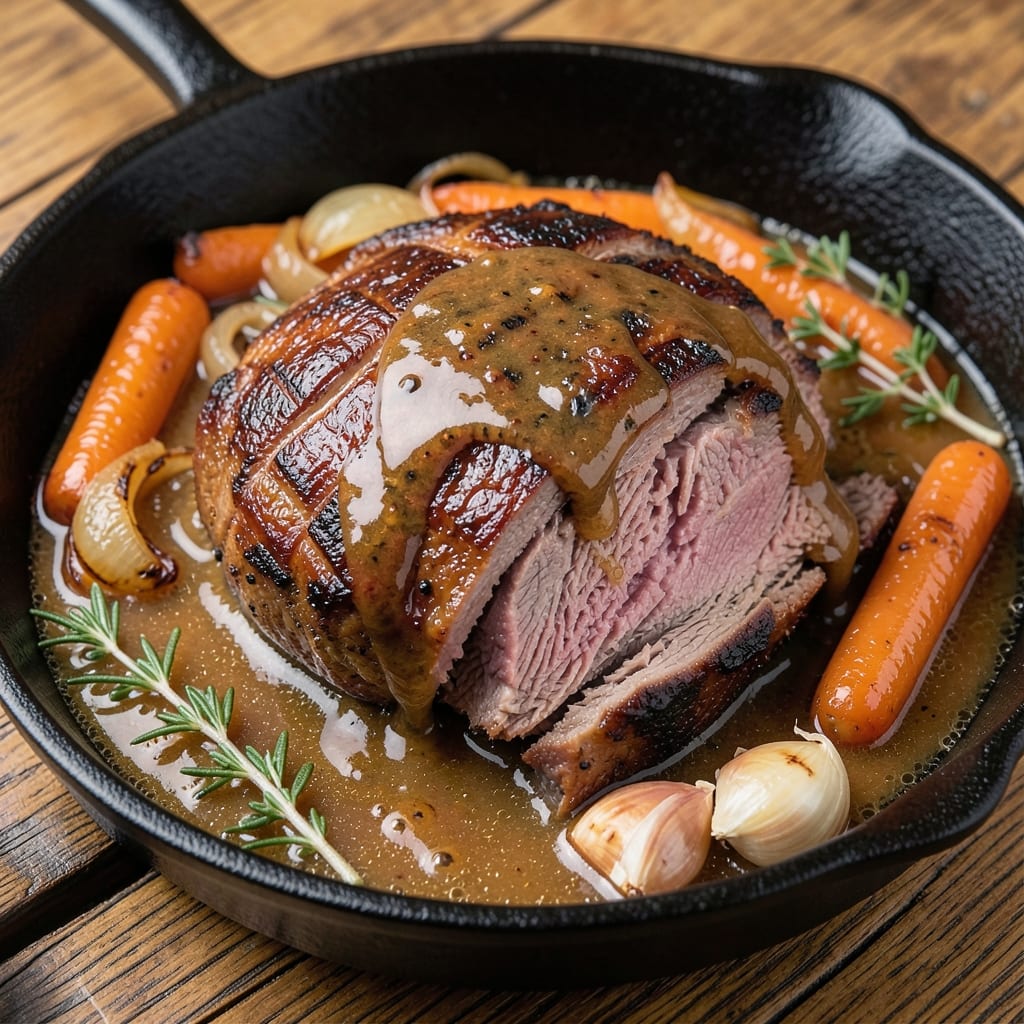
This apple cider beef brisket recipe transforms tough cuts into melt-in-your-mouth perfection with a slow-braised approach that infuses deep, caramelized flavors. The apple cider glaze adds a sweet-tangy contrast that cuts through the rich beef, creating a balance that's both comforting and sophisticated. I developed this method after years of perfecting slow-cooked brisket, ensuring every bite delivers tender texture and complex seasoning.
The secret lies in the braising process, where the brisket cooks low and slow in a flavorful liquid that includes apple cider, garlic, and aromatic herbs. This technique breaks down connective tissue while allowing the spices to penetrate deeply, resulting in beef that's fork-tender and packed with flavor. The apple cider glaze, reduced to a glossy finish, adds a touch of elegance that elevates this classic dish to restaurant-quality.
What you'll achieve is a brisket so tender it practically falls apart, coated in a glossy apple cider glaze that's sweet yet balanced with warm spices. The slow cooking process creates a rich, aromatic broth that can be used for gravy or served alongside the brisket. This dish is perfect for special occasions or cozy family dinners, where the combination of tender beef and sweet-tangy glaze creates an unforgettable experience.
Serve with roasted potatoes, crusty bread, or a simple green salad to complement the rich flavors of the brisket. Pair with a bold red wine or a crisp apple cider cocktail for the ultimate dining experience. The instructions will guide you through each step, ensuring professional results with minimal effort. Let's get started on this timeless recipe that's sure to impress.
Ingredients for apple cider beef brisket
Sixteen ingredients for a brisket that melts like butter and glistens with apple cider richness.
| Ingredient | Amount | Notes |
|---|---|---|
| Beef Brisket 🥩 | 4 lb | Flat cut preferred, trimmed of excess fat |
| Unsalted Butter 🧈 | ½ cup | Cold, cubed for browning |
| Yellow Onion 🧅 | 2 whole | Large, chopped into even pieces |
| Carrots 🥕 | 4 whole | Medium, peeled and sliced |
| Garlic Cloves 🧄 | 6 cloves | Peeled and smashed |
| Apple Cider 🍎 | 2 cups | Unfiltered, preferably organic |
| Beef Broth 🥄 | 2 cups | Low-sodium, homemade preferred |
| Dried Thyme 🌿 | 1 tbsp | Or 1 tbsp fresh, finely chopped |
| Ground Black Pepper 🌶️ | 1 ½ tsp | Freshly cracked preferred |
| Kosher Salt 🧂 | 1 ½ tsp | Diamond Crystal preferred |
| Brown Sugar 🍚 | ½ cup | Packed, light or dark |
| Balsamic Vinegar 🍷 | 2 tbsp | Aged, for glaze reduction |
| Fresh Rosemary 🌿 | ¼ cup | Chopped, stems removed |
| Fresh Parsley 🌿 | 0.15 cup | Chopped, for garnish |
The brisket is non-negotiable here—flat cut gives you the most even cooking surface. Look for a well-marbled piece with good fat distribution, which translates to flavor and tenderness. Costco or Whole Foods often carry high-quality briskets, but your local butcher can trim it perfectly for you. Trim excess fat to about 1/4-inch thickness—this renders beautifully during cooking. For the apple cider, unfiltered varieties have more depth of flavor, though any good-quality cider will work. The brown sugar adds caramelization to the glaze, so don't skip it—even if you're watching sugar intake, the small amount here makes a difference.
No fresh thyme? Dried works at the same amount, but fresh has that bright aroma. The beef broth can be swapped for water plus 1 tbsp soy sauce if you're out, though homemade adds more depth. For the glaze, if you don't have balsamic vinegar, red wine vinegar at double the amount works in a pinch. The rosemary and parsley can be swapped for fresh sage if you prefer, though rosemary's piney note pairs beautifully with apple cider. The carrots can be baby carrots if that's what's in your fridge—no need to peel them unless they're particularly dirty. And if you're feeling ambitious, add a splash of apple brandy when reducing the glaze for extra depth.
This dish tastes even better the next day, so make it ahead if you can. The brisket keeps 4-5 days in the fridge, wrapped tightly in foil. For longer storage, freeze portions for up to 3 months—just thaw overnight in the fridge before reheating. The glaze can be made a day ahead and reheated gently. I like to portion the brisket into individual servings with a small cup of glaze on the side so everyone can drizzle to taste. The leftovers make incredible sandwiches the next day—just pile on crusty bread with a smear of mustard and extra glaze.
Why You'll Love This Recipe
- One-Pot Magic: I swear by this—just toss the brisket, onions, carrots, and garlic into a pot with apple cider and butter, then walk away. No flipping, no fussing, just hands-off perfection.
- Fall in Love Fast: That caramelized brisket with the sweet-tart cider glaze? It’s the kind of dish that makes people ask, "What’s in this?" (Spoiler: mostly butter and love.)
- Leftovers That Win: This recipe actually improves the next day—shred the brisket for sandwiches, toss it into pasta, or reheat slices for breakfast. Honestly, I’ve eaten it three times in a row without getting sick of it.
- Budget Beef Boost: A whole pack of brisket feeds my crew for days, and the cider adds depth without breaking the bank. Between us, this is how I stretch my grocery money and impress guests.
Step-by-step instructions for apple cider beef brisket
Master this slow-braised technique for tender, flavorful brisket with a perfect apple cider glaze.
Sear the Brisket for Deep Flavor
Heat a large Dutch oven over medium-high heat until very hot. Add the cold cubed unsalted butter and let it foam for about 1 minute. This preheating ensures maximum browning.
Place the 4 lb beef brisket, fat-side down, in the Dutch oven. Press down gently with a metal spatula for 30 seconds to create good contact with the pan. Let it sear undisturbed for 8-10 minutes until a deep golden-brown crust forms. Flip the brisket and repeat on the second side for another 8-10 minutes.
During searing, you'll notice the butter bubbling vigorously and the brisket developing a rich crust. This step is crucial—it locks in juices and creates the foundation for your apple cider glaze. Remove the brisket and set it aside on a plate.
Build the Flavor Base with Vegetables and Aromatics
In the same Dutch oven, add the chopped yellow onion and sliced carrots. Cook over medium heat for 6-8 minutes, stirring occasionally, until the vegetables begin to soften and caramelize slightly. This process develops their natural sweetness.
Add the 6 smashed garlic cloves, 1 tbsp dried thyme, 1.5 tsp ground black pepper, and 1.5 tsp kosher salt. Stir for 1 minute until the garlic becomes fragrant. You should smell the warm, earthy aromas of thyme and garlic filling your kitchen.
Pour in the 2 cups apple cider and scrape up any browned bits from the bottom of the pan. These bits, called fond, are packed with flavor. Bring the mixture to a simmer and let it cook for 5 minutes to allow the cider to reduce slightly and intensify its flavor.
Braise the Brisket Low and Slow
Return the brisket to the Dutch oven, placing it on top of the vegetables. Pour in the 2 cups beef broth and sprinkle the 0.5 cup packed brown sugar evenly over the top. The sugar will caramelize during cooking, adding depth to the sauce.
Bring the liquid to a gentle simmer, then reduce heat to low (around 300°F) to maintain a slow cook. Cover the Dutch oven with a tight-fitting lid. This low-and-slow method breaks down the tough connective tissue in the brisket, transforming it into tender, fork-tender meat.
Cook for 2.5-3 hours, checking occasionally to ensure there's enough liquid in the pot. If it reduces too much, add ¼ cup hot water to maintain moisture. The brisket is ready when it reaches an internal temperature of 200-203°F and a meat thermometer inserted into the thickest part slides in easily.
Create the Apple Cider Glaze
Once the brisket reaches the proper temperature, remove it from the Dutch oven and tent it loosely with aluminum foil. This resting period allows the juices to redistribute throughout the meat.
Increase the heat to medium-high and add the 2 tbsp balsamic vinegar to the braising liquid. Bring to a boil and let it simmer for 5-7 minutes until the liquid reduces by about half and thickens into a glossy glaze. The aroma should be rich and slightly tangy from the balsamic.
Stir in the 0.25 cup chopped fresh rosemary and let it heat through for 1 minute. Remove from heat and let the glaze cool slightly. This reduction creates a concentrated, flavorful sauce that will complement the tender brisket beautifully.
Rest and Serve with Fresh Garnish
Slice the brisket against the grain into ¼-inch thick slices. Arrange the slices on a serving platter and spoon the apple cider glaze evenly over the top. The glaze should coat each slice, adding a sweet-tangy contrast to the rich beef.
Garnish with the 0.15 cup chopped fresh parsley just before serving. The bright green parsley provides a visual contrast and fresh finish to the dish. Let the brisket rest for 5 minutes before serving to allow the juices to settle, ensuring each bite is moist and flavorful.
Pro Tips For Making Apple Cider Beef Brisket
- SEAR THE BRISKET FIRST: I learned this the hard way—skipping the sear means your brisket will taste like it’s been simmering in butter and cider the whole time, not caramelized at the edges. Sear it hard on all sides (5-7 minutes per side) before adding the cider and onions. The crust locks in flavor and keeps the meat from turning mushy when it hits the liquid.
- USE WHOLE CARROTS: Cutting carrots into matchsticks might look pretty, but whole carrots (peeled, halved lengthwise) stay intact and actually infuse the cider with sweetness as they cook. They also make the dish look heartier—no one wants a brisket swimming in floating carrot bits.
- DON’T SKIP THE FAT CAP: That white layer of fat on the brisket? Leave it on. It renders slowly into the cider, turning it into a rich, golden sauce instead of a watery broth. If you’re worried about it being too greasy, just trim the edges—just don’t go full fat-free.
- BASTE WITH CIDER, NOT JUICES: I used to baste with the pan juices, but that just dilutes the apple flavor. Instead, spoon the cider mixture over the brisket every 20-30 minutes—it keeps the meat moist and deepens the tangy-sweet aroma. (Yes, even if you’re impatient like me.)
Essential equipment for apple cider beef brisket
Dutch Oven
This is your workhorse for this recipe—a heavy-bottomed Dutch oven with a tight-fitting lid is non-negotiable. I swear by the Le Creuset Signature Dutch Oven (2.5 or 3-quart size) because it distributes heat evenly and handles the long braising time without hot spots. For budget-friendly options, All-Clad Stainless Steel or Calphalon work beautifully too. The deep sides prevent spills, and the lid locks in moisture for that perfect tender brisket. 🔥
Meat Thermometer
You absolutely need a meat thermometer with a probe—no guessing games here. I recommend the Thermoworks Smoke for its accuracy and durability, especially when cooking brisket to 200-203°F internal temperature. The probe lets you monitor the brisket without opening the lid, which would release precious steam. A budget-friendly alternative is the Taylor Precision Digital Thermometer, which gives reliable readings and lasts for years.
Heavy-Duty Tongs
For flipping and handling the brisket, invest in heavy-duty tongs—I use OXO Good Grips because they have a comfortable grip and strong enough to handle the weight of a 4 lb brisket without bending. Look for tongs with siliconized grips to prevent slipping, especially when the brisket is wet from the braising liquid. Avoid flimsy kitchen tongs—they’ll snap under the weight.
Whisk for Glaze
A balloon whisk is essential for creating your apple cider glaze. I prefer the Cuisinart Stainless Steel Whisk because it’s lightweight yet sturdy, and the fine wires help dissolve the brown sugar smoothly. Use it to stir the glaze vigorously as it reduces—this prevents scorching and ensures an even, glossy finish. A regular spoon won’t give you the same control over the reduction process.
Knife Skills Kit
For slicing the brisket against the grain, you’ll need a sharp chef’s knife and a long, flexible slicing knife like the Dexter-Russell 12-inch. The long blade gives you leverage to cut through the tough fibers cleanly, while the sharp edge ensures ¼-inch thick slices without tearing. Keep your knife sharp—dull blades crush the meat instead of slicing it, which ruins the texture. A Wüsthof Ikon or Mac Knife Pro are great choices if you’re investing in quality.
Storage Containers
Leftovers deserve proper storage. Use glass Pyrex containers with tight-sealing lids to keep the brisket and glaze fresh for up to 5 days in the fridge. For longer storage, vacuum-sealed bags (like FoodSaver) preserve the texture and flavor for up to 3 months in the freezer. Avoid plastic containers—they can absorb odors and don’t seal as well as glass or vacuum-sealed options. 💫
Nutrition facts
Frequently asked questions
Can I use store-bought apple cider instead of fresh?
Store-bought apple cider works perfectly—just opt for unfiltered, organic varieties when possible for richer flavor. Avoid pre-sweetened ciders, as they can make the glaze too syrupy. The key is using 2 cups of good-quality cider, whether homemade or store-bought.
How do I know when the brisket is done?
Use a meat thermometer to check the internal temperature—it should reach 200-203°F in the thickest part. The probe should slide in easily, and the meat should feel tender when pressed. If it's not quite there, add ¼ cup hot water and cook another 30 minutes. Never rush this step—patience is key for fork-tender beef.
Can I make this in a slow cooker instead of a Dutch oven?
Yes, but with adjustments! Brown the brisket first in a skillet, then transfer it to your slow cooker with all ingredients except the glaze components. Cook on low for 8-10 hours or high for 5-6 hours. For the glaze, reduce the braising liquid separately on the stovetop after removing the brisket. The texture will be slightly different but still delicious.
What if my glaze isn't thick enough?
Simmer the glaze uncovered on medium-high heat for another 3-5 minutes, stirring constantly with a whisk. If it still needs more thickness, mix 1 tsp cornstarch with 1 tbsp water, stir into the glaze, and cook for 1 more minute. Avoid boiling—just keep it at a gentle simmer to prevent burning.
How should I serve the leftovers?
Slice the cooled brisket thinly and serve on toasted crusty bread with extra glaze, mustard, and pickles for classic sandwiches. For a warm meal, reheat slices in a skillet with a splash of beef broth until heated through. The glaze reheats beautifully—just warm it gently and drizzle over the top. Leftovers keep 4-5 days in the fridge.