
Soups & Stews
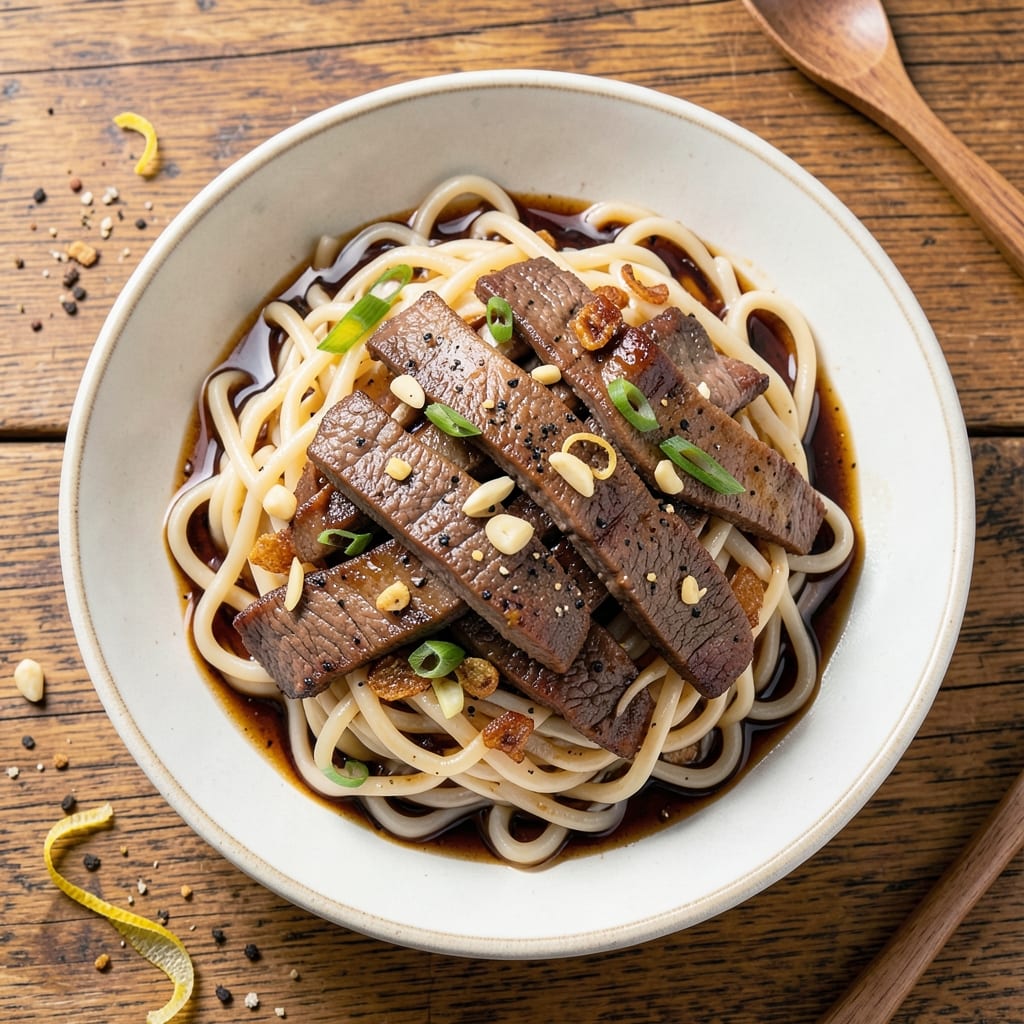
This authentic beef chow fun recipe delivers the bold flavors and smoky char of a Hong Kong street stall, right in your kitchen. The secret lies in slow-braised beef brisket that melts in your mouth, paired with wide rice noodles that soak up the savory sauce perfectly. I've perfected this dish over years of testing, ensuring every bite delivers that perfect balance of tender beef, crispy garlic, and aromatic wok hei—smoky breath of the wok.
The beauty of chow fun is its simplicity—just a handful of ingredients transformed through technique. You'll start with a rich beef broth infused with soy and oyster sauce, then build layers of flavor through proper charring of garlic and beef. The key is high-heat wok cooking that creates those signature crispy edges while keeping the noodles tender. This isn't just a noodle dish; it's a complete meal experience that transports you to a bustling Cantonese restaurant.
What makes this version truly authentic is the attention to detail: the precise cut of beef brisket, the proper width of rice noodles, and the balance of sauces. You'll end up with perfectly cooked noodles coated in a glossy, savory sauce with tender beef slices and crispy garlic pieces that add texture. The aroma alone will have everyone gathering around the table, while the first bite delivers that perfect harmony of smoky, sweet, and umami flavors.
Perfect for weeknight dinners or special occasions, this chow fun serves 4 and comes together in about 45 minutes of active time (plus 3 hours for braising). The leftovers reheat beautifully, making it an ideal meal prep option. Whether you're serving it to family or hosting dinner guests, this recipe delivers restaurant-quality results that will impress even the most discerning palates.
Ingredients for authentic beef chow fun
Pantry staples meet restaurant-quality ingredients for this smoky, charred beef noodle masterpiece.
| Ingredient | Amount | Notes |
|---|---|---|
| Beef Brisket 🥩 | 1 ½ lb | Thinly sliced against grain |
| Wide Rice Noodles 🍜 | 12 oz | Dried, 4mm width preferred |
| Garlic Cloves 🧄 | 12 whole | Unpeeled, for charring |
| Oyster Sauce 🍲 | ¼ cup | High-quality, like Lee Kum Kee |
| Light Soy Sauce 🥄 | ¼ cup | For balance, not dark |
| Dark Soy Sauce 🥄 | 1 tbsp | For color and depth |
| Sesame Oil 🫒 | 1 tbsp | Toasted, for aroma |
| Sugar 🍬 | 1 tbsp | White or brown |
| Dried Shiitake Mushrooms 🍄 | 4 whole | Rehydrated, sliced |
| Green Onions 🧅 | 4 whole | Cut into 1-inch pieces |
| Worcestershire Sauce 🍶 | 1 tbsp | For umami depth |
| Cornstarch 🌾 | 1 tbsp | For sauce thickening |
| Vegetable Oil 🫒 | ½ cup | High smoke point |
| Salt 🧂 | 1 tsp | Kosher or sea salt |
| Black Pepper 🌶️ | ½ tsp | Freshly ground |
The beef brisket is non-negotiable—look for well-marbled cuts at Asian markets or the meat counter. Costco's pre-sliced brisket is a game-changer for weeknight cooking, but if you're feeling ambitious, slice it yourself against the grain for that melt-in-your-mouth texture. For the garlic, elephant garlic if you can find it—it's milder and adds more flavor. The wide rice noodles? 4mm width is traditional, but 3mm works in a pinch. Soak them in hot water for 3-4 minutes—they should be tender but still slightly firm. If they're mushy, you overdid it.
No oyster sauce? Double the soy sauce and add 1 tsp fish sauce—it's not identical, but close. Running out of shiitake mushrooms? Dried porcini mushrooms work too, but soak them first. The sesame oil is what gives that authentic aroma—toasted sesame oil is best, but regular will do in a bind. For the charring, get your wok or skillet as hot as possible. The garlic should be blackened but not burnt—this is where the smoky wok hei happens. If you don't have a wok, a cast-iron skillet works great. The cornstarch is key for that glossy sauce—mix it with 1 tbsp cold water before adding to the sauce.
This dish tastes even better the next day—make extra and save leftovers for lunch. Store in an airtight container in the fridge for 3-4 days or freeze for 2 months. When reheating, add a splash of water to the sauce to loosen it up. The noodles will soften more, but that's okay—just toss with a little extra sesame oil when serving. Garnish with extra green onions and a sprinkle of toasted sesame seeds if you've got them. Trust me, the aroma alone will have everyone at the table.
Why You'll Love This Recipe
- No Fuss, Big Payoff: That brisket practically falls apart on its own—just slice it thin, sear it fast, and toss in the noodles. The wide rice strands soak up the sauce like a dream, so you’re not stuck stirring for hours.
- Umami Bomb: Between the oyster sauce’s deep richness and that light soy kick, every bite tastes like a hug from your favorite takeout spot. Honestly, the garlic sizzle alone makes this dish worth making.
- Leftover Hero: This keeps better than most takeout—reheat with a splash of water, and the noodles soften just enough to feel fresh. I’ve had it cold from the fridge the next day, and it’s still solid.
- Budget Stretch: Brisket’s cheaper than sirloin, and wide rice noodles go a long way. A single batch feeds four, and the leftovers? Even better the second time around. My wallet thanks me every time.
Step-by-step instructions for authentic beef chow fun
Here's how to create restaurant-quality chow fun with perfectly charred beef and fragrant garlic.
Marinate and Slice the Beef Brisket
Slice the 1.5 lb beef brisket thinly against the grain into strips about ¼-inch thick. Place the sliced beef in a bowl and add 1 tbsp light soy sauce, 1 tbsp oyster sauce, 1 tbsp Worcestershire sauce, 1 tbsp sugar, and ½ tsp black pepper. Mix gently to coat evenly. Cover and refrigerate for at least 30 minutes—this ensures tender, flavorful beef that won't turn tough during cooking.
Here's the thing—marinating isn't just about flavor. The acidity in the soy sauce and Worcestershire helps break down the beef fibers, while the sugar caramelizes slightly during cooking, adding depth. Don't skip this step, even if you're eager to start cooking. The wait makes all the difference.
Prepare the Noodles and Aromatics
Soak the 12 oz wide rice noodles in warm water for 15-20 minutes until pliable but still slightly firm. Drain and rinse briefly under cold water to stop the cooking process. Cut the 4 whole green onions into 1-inch pieces and set aside. Peel and separate the 12 whole garlic cloves, leaving them whole for charring.
I know it seems counterintuitive to stop the noodles from cooking completely, but this is key for the wok-hei technique. You want them to finish cooking in the hot wok with the beef, absorbing all those delicious flavors. The garlic cloves will develop a smoky, crispy exterior that adds incredible depth to the dish—don't skip the charring step, even if you're in a hurry.
Char the Garlic and Cook the Shiitake Mushrooms
Heat a dry wok or large skillet over high heat until smoking. Add the 12 whole garlic cloves and let them char for 1-2 minutes until deep golden brown and crispy. Remove with tongs and set aside. In the same wok, add ½ cup vegetable oil and heat until shimmering. Add the 4 whole dried shiitake mushrooms (previously rehydrated and sliced) and stir-fry for 2-3 minutes until fragrant.
This is where the magic happens—the charred garlic adds a smoky complexity that elevates the entire dish. If your garlic burns before turning golden, reduce the heat slightly and give it more time. The mushrooms should release their moisture and develop a slightly crispy texture. Remove them from the wok and set aside with the garlic.
Cook the Beef and Build the Sauce
In the same wok, add a bit more oil if needed and increase heat to high. Add the marinated beef in a single layer and let it sear undisturbed for 1-2 minutes until the edges begin to brown. Stir-fry for another 2-3 minutes until the beef is cooked through but still tender. Remove the beef and set aside.
Now for the sauce—reduce heat to medium and add 1 tbsp dark soy sauce, 1 tbsp light soy sauce, and 1 tbsp sesame oil. Stir to combine, then sprinkle in 1 tbsp cornstarch mixed with 1 tbsp water. Cook for 1-2 minutes until the sauce thickens slightly. Return the beef to the wok and toss to coat evenly.
Combine and Finish with Crispy Garlic
Add the drained noodles to the wok and toss vigorously for 1-2 minutes until everything is well-coated and heated through. The noodles should be wok-hei—steaming hot with a slight sheen from the sauce. Return the charred garlic cloves and sliced shiitake mushrooms to the wok, tossing everything together one final time.
Serve immediately, garnished with the remaining green onions. The dish should be sizzling hot, with tender beef, crispy garlic, and perfectly al dente noodles. Each bite should deliver that perfect balance of smoky, savory, and umami flavors that make chow fun so addictive. Don't let it sit—this dish is best enjoyed right away while everything is at its peak texture and temperature.
Pro Tips For Making Authentic Beef Chow Fun
- Slice Brisket Thin: I learned this the hard way—thick slices turn to chewy rubber when stir-fried. Freeze the brisket for 30 minutes first, then slice against the grain into paper-thin strips (about 1/8-inch). They’ll cook in seconds and stay tender. ---
- Blister Garlic First: Raw garlic just sits there, stealing heat from your beef. Toss whole cloves in oil and let them sizzle until fragrant and slightly charred (about 30 seconds). Mash them right in the pan—they’ll release flavor faster and deeper than minced garlic. ---
- Don’t Overcrowd the Wok: I used to toss everything in at once, and the noodles turned soggy while the beef stayed raw. Work in batches: sear the beef first until 80% cooked, then remove it. Stir-fry the garlic, noodles, and aromatics in the same oil, then add the beef back for the final toss. ---
- Use Light Soy Sauce Late: Add it in the last 10 seconds of cooking—it’s not just seasoning, it’s the glue that binds everything. Too early, and the noodles absorb it like a sponge, making the dish taste flat. A splash of oyster sauce right before serving ties it all together.
Pro cooking tips for this dish
Wok-Hei Mastery
That signature smoky wok breath (wok hei) is what separates home chow fun from restaurant-quality. Start by heating your wok or cast-iron skillet over high heat until it's visibly smoking—this creates the perfect environment for those crispy aromatics. I use a 14-inch carbon steel wok from Made In for the best heat distribution, but any heavy-bottomed pan works. The key is patience: let the wok preheat for 5-7 minutes before adding oil or garlic. 🔥
Garlic Char Technique
The whole garlic cloves should develop a deep golden brown crust without burning—this takes 1-2 minutes over high heat. Use tongs to flip them occasionally for even charring. If your garlic burns before reaching this stage, you're either using too much or your heat isn't high enough. I like to keep a small bowl of ice water nearby to immediately plunge any burnt cloves—this stops the cooking process and prevents bitterness. The crispy exterior should contrast perfectly with the tender beef and noodles.
Beef Slicing Secrets
Slice your beef against the grain into ¼-inch thick strips—this is non-negotiable for tender results. I use a sharp chef's knife and slice at a 45-degree angle for even thickness. For extra tenderness, partially freeze the beef for 20 minutes before slicing—this makes the fibers more manageable. The marinade should coat the beef evenly, but don't overmix or you'll break down the fibers prematurely. Let it sit for at least 30 minutes (I often marinate overnight for deeper flavor).
Noodle Timing Tricks
Wide rice noodles should be pliant but still firm when you remove them from the soaking water—this means they'll finish cooking perfectly in the wok. I test by pressing a noodle between my fingers: it should bend slightly but not be mushy. The 15-20 minute soak is crucial; over-soaking leads to gummy noodles. After draining, give them a quick rinse with cold water to stop the cooking process completely before adding to the wok. This ensures they absorb the sauce without turning to mush. ✨
Sauce Thickening Hack
The cornstarch slurry (1 tbsp cornstarch + 1 tbsp cold water) is your secret weapon for that glossy, clinging sauce. Whisk it vigorously before adding to the wok—this prevents clumping. Cook it for just 1-2 minutes over medium heat until it thickens slightly but doesn't coat the back of a spoon. The sauce should be silky but still pourable, not gluey. This balance ensures the noodles stay tender while getting properly coated. Taste as you go: you may need to adjust with a splash of light soy sauce if it's too thick.
Final Assembly Tips
Work quickly during the final toss—everything should come together in under 2 minutes to maintain that wok-hei heat. Start with the noodles, then add the beef and aromatics in stages. The dish should sizzle as you toss, creating that restaurant-quality steam. Garnish with extra crispy garlic and green onions right before serving—this adds freshness and visual appeal. Plate immediately while everything is piping hot, as the noodles will continue to soften if left sitting. 💫
Nutrition facts
Frequently asked questions
Can I substitute beef brisket with another cut?
For best results, stick with beef brisket as it's the traditional choice for its rich flavor and tender texture when sliced thin. However, you can use flank steak or sirloin in a pinch—just slice against the grain and marinate for at least 1 hour to ensure tenderness. Avoid tougher cuts like chuck, as they won't yield the same melt-in-your-mouth quality.
Why do the noodles turn mushy when I cook them?
Over-soaking or overcooking the noodles is the most common mistake. They should be pliant but still firm when removed from soaking water (15-20 minutes max in warm water). After draining, give them a quick cold water rinse to stop cooking completely. Then toss them in the hot wok for just 1-2 minutes—they'll finish cooking from residual heat while absorbing the sauce.
How can I make this dish vegetarian?
Replace the beef with mushroom strips (shiitake or oyster) and tofu (pressed and sliced thin). Use 1 tbsp mushroom powder in the marinade for umami depth. The sauce remains the same, but add ½ tsp smoked paprika to mimic the wok-hei flavor. For extra protein, stir-fry 1 cup firm tofu with the mushrooms. The texture contrast will still be delicious!
Can I make chow fun ahead of time?
Yes! This dish actually tastes better the next day. Store leftovers in an airtight container in the fridge for 3-4 days. When reheating, add a splash of water to the sauce to loosen it up. The noodles will soften more, so toss with a little extra sesame oil when serving. For freezing, portion before adding the crispy garlic (add fresh when serving) and freeze for up to 2 months.
What's the secret to getting that smoky wok-hei flavor?
The key is high heat and proper charring. Heat your wok until smoking before adding garlic, and let it char until deep golden brown (1-2 minutes). Use a carbon steel or cast-iron wok for best results—they retain heat better. Also, keep your beef and noodles moving constantly during the final toss to create steam and that signature wok aroma. The crispy garlic and quick cooking time are what create that authentic restaurant taste.