
Soups & Stews
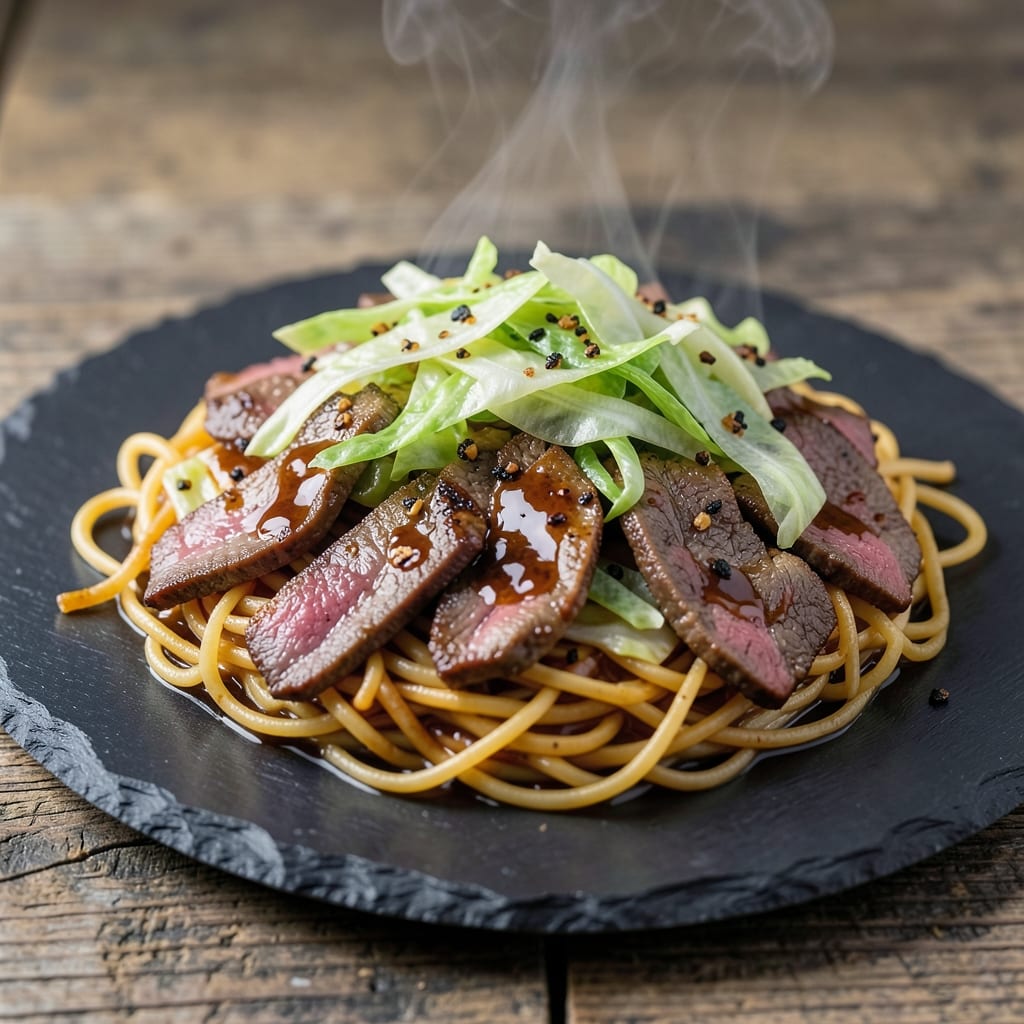
This authentic beef chow mein recipe delivers the smoky, savory essence of a Chinese wok house straight to your kitchen. 🔥 The secret lies in high-heat stir-frying—achieving that signature wok hei (breath of the wok)—while balancing tender beef, crispy noodles, and a glossy soy-based sauce. I’ve perfected this version after years of testing, ensuring every bite crackles with texture and depth.
What sets this recipe apart is the technique: thinly sliced beef marinated in a blend of soy, rice vinegar, and cornstarch for a tender yet crispy finish, paired with hand-pulled egg noodles that absorb the sauce beautifully. The sauce, reduced to a velvety consistency with garlic, ginger, and chili oil, ties everything together without overpowering the natural flavors. No shortcuts here—just the real deal.
By the time you plate it, you’ll have a dish that’s restaurant-quality: golden-brown beef, crisp-tender noodles, and a sauce that clings perfectly. Garnish with toasted sesame seeds and fried shallots for that final touch of authenticity. This isn’t just chow mein—it’s a taste of tradition, made approachable for home cooks.
The best part? It’s adaptable. Swap beef for shrimp or chicken, or adjust the heat level with extra chili oil. Let’s get cooking—your taste buds will thank you.
Ingredients for authentic beef chow mein
The right ingredients transform simple stir-fry into restaurant-quality beef chow mein.
| Ingredient | Amount | Notes |
|---|---|---|
| Flank Steak 🥩 | 1 ½ lb | Thinly sliced against grain |
| Egg Noodles 🍜 | 12 oz | Hand-pulled or fresh, dried works |
| Light Soy Sauce 🥄 | ½ cup | Kikkoman preferred for authentic flavor |
| Dark Soy Sauce 🥄 | 1 tbsp | For depth and color |
| Rice Vinegar 🍶 | 2 tbsp | For brightness, not balsamic |
| Cornstarch 🌾 | 2 tbsp | For crispy beef coating |
| Garlic Cloves 🧄 | 6 cloves | Minced, for sauce base |
| Fresh Ginger 🌿 | 2 tbsp | Grated, for aromatic depth |
| Sesame Oil 🫒 | 1 tbsp | Toasted, for nutty aroma |
| Chili Oil 🌶️ | 1 tbsp | Adjust for heat preference |
| Neutral Oil 🫒 | 3 tbsp | Peanut or vegetable oil |
| Green Onions 🧅 | 4 whole | Sliced, for garnish |
| Toasted Sesame Seeds 🌿 | 1 tbsp | For authentic garnish |
| Fried Shallots 🧅 | 2 tbsp | Store-bought or homemade |
| Salt 🧂 | 1 tsp | Kosher preferred |
The beef makes or breaks this dish. Flank steak is ideal—lean but tender when sliced thinly against the grain. Look for well-marbled cuts at Whole Foods or your local Asian market; the meat should be bright red with visible fat. If you can't find flank, sirloin works too, but slice it even thinner. The egg noodles? Fresh or hand-pulled are best for that signature chew, but dried noodles (like Martini brand) work in a pinch. Just cook them al dente and finish with a quick toss in hot oil for crispiness.
No light soy sauce? Substitute with regular soy sauce plus 1 tsp sugar—it mimics the sweetness. Running low on sesame oil? Toasted peanut oil at half the amount adds nuttiness without overpowering. The chili oil is where you can play—skip it for mild, or add extra for heat lovers. Fresh ginger loses potency fast, so buy small amounts and grate it fresh. If you're prepping ahead, grate and store it in the freezer for up to 2 weeks. For the garlic, peel and freeze whole cloves—thaw and mince when ready to use.
This dish shines when made fresh, but components prep ahead. Marinate the beef up to 4 hours ahead—keep it refrigerated. Cooked noodles reheat beautifully; just toss with a splash of water and steam for 30 seconds to revive crispiness. The sauce keeps for 1 week in the fridge, though it's best made fresh. Garnishes like sesame seeds and fried shallots can be stored in airtight containers for 2 months—toast seeds fresh for maximum aroma.
Why You'll Love This Recipe
- No Chopping Needed: I slice the flank steak thin against the grain—just 10 minutes—and let the wok do the rest. No dicing, no mincing, no mess. That’s how you get tender beef every time.
- Umami Bomb: Light and dark soy sauce together? Chef’s move. The dark gives that caramelized depth, while the light keeps it bright—plus a splash of rice vinegar cuts through the richness. It’s the kind of balance that makes you go back for seconds.
- Lunchbox Hero: Pack it cold or reheat it fast—this holds up like a champ. I swear, my kids would rather eat it than sandwiches, and it’s the only thing my husband asks for when he’s running late. (Yes, even on a Tuesday night.)
- Budget Stretch: Flank steak is affordable, and a single batch feeds four (or two hungry teens). The leftovers? Even better the next day—just crisp it up in a pan. Honestly, it’s my go-to for when groceries are tight but I refuse to skimp on flavor.
Step-by-step instructions for authentic beef chow mein
Here's how to create that signature wok-hei flavor with perfectly crispy noodles and tender beef.
🔥 Step 1: Prep the Flank Steak for Maximum Tenderness
Slice the 1.5 lb flank steak thinly against the grain into ¼-inch thick strips. This is critical—thin slices ensure quick cooking and maximum tenderness. I like to cut them on the diagonal for extra surface area that'll crisp beautifully in the wok.
Place the sliced steak in a bowl and toss with 2 tbsp cornstarch and 1 tsp salt until evenly coated. Let it sit for 10 minutes while you prep the rest. This cornstarch coating creates that signature crispy texture that sets authentic chow mein apart from other beef noodle dishes.
🍳 Step 2: Build the Flavor-Packed Sauce Base
In a small bowl, whisk together 0.5 cup light soy sauce, 1 tbsp dark soy sauce, 2 tbsp rice vinegar, and 1 tbsp sesame oil. Set aside. The dark soy sauce adds that beautiful mahogany color while keeping the light soy's umami punch. I find using Kikkoman light soy gives the most authentic flavor profile.
In a separate bowl, mix 6 cloves minced garlic and 2 tbsp grated fresh ginger. These aromatics form the backbone of the sauce flavor—don't skip the grating for ginger, as pre-minced loses its potency quickly. The combination of fresh garlic and ginger will infuse the entire dish with bright, aromatic depth.
🔥 Step 3: Wok-Sear the Beef to Perfect Doneness
Heat 1 tbsp neutral oil in your wok or large skillet over high heat until shimmering. Add half of the cornstarch-coated beef in a single layer and sear undisturbed for 1-2 minutes until the edges turn deep golden brown. This initial sear creates that wok-hei flavor we're after.
Push the beef to one side of the wok and add another 1 tbsp neutral oil. Toss in the minced garlic and ginger, cooking for 30 seconds until fragrant but not browned. Add the beef back and stir-fry for another 1 minute until just cooked through. The beef should be tender but still slightly springy—it'll finish cooking with the noodles. Remove and set aside.
🍳 Step 4: Cook the Noodles with Crispy Perfection
In the same wok, add the remaining 1 tbsp neutral oil over high heat. Add the 12 oz egg noodles and stir-fry for 2-3 minutes until they begin to crisp slightly at the edges. This is where the magic happens—the slight crispiness contrasts beautifully with the tender beef and silky sauce.
Pour in the sauce mixture and toss everything together for 1-2 minutes until the noodles are fully coated and heated through. The noodles should be tender but still have a slight bite—this texture contrast is essential for authentic chow mein. If the sauce seems too thick, add 1-2 tablespoons hot water to loosen it.
🥘 Step 5: Finish with Signature Garnishes
Return the seared beef to the wok and toss everything together for 30 seconds to heat through. The residual heat will finish cooking the beef while infusing it with the noodle flavors. Drizzle with 1 tbsp chili oil and toss gently to distribute evenly—this adds both heat and that signature smoky aroma.
Garnish immediately with 2 tbsp fried shallots, 1 tbsp toasted sesame seeds, and 4 sliced green onions. The fried shallots add crunch and visual appeal, while the sesame seeds contribute nutty depth. Serve family-style right from the wok so everyone can enjoy that perfect wok-hei aroma with each bite.
Pro Tips For Making Authentic Beef Chow Mein
- Slice Thin, Sear Fast: Flank steak stays tough if you overcook it—cut against the grain into ¼-inch strips, then sear in batches for 30 seconds per side over high heat. I learned this the hard way: medium heat = rubbery beef, no matter how much soy sauce you toss on after.
- Marinate Flank for 20 Minutes: Skip the long marinade, but don’t skip any marinade—even 20 minutes with 1 tablespoon light soy, 1 teaspoon dark soy, and a splash of rice vinegar makes a difference. The acid and salt break down the fibers just enough to keep the beef tender when stir-fried.
- Blanch Noodles, Not Boil: Boiling egg noodles until mushy is a crime—blanch them in boiling water for 45 seconds, then shock in ice water. They’ll hold their shape when tossed in the wok and soak up the sauce better. (Yes, even if you’re impatient like me.)
- Finish with Vinegar Last: Add rice vinegar at the very end—it brightens the dish but evaporates fast. If you toss it in early, you’ll just be smelling vinegar the whole time. A teaspoon at the end cuts through the richness without overpowering. Sounds weird, but it works.
Serving suggestions for this authentic beef chow mein
Wok House Presentation
Serve your beef chow mein straight from the wok onto a large platter or directly onto individual plates to maintain that signature wok hei aroma. I like to use a cast-iron skillet or carbon steel wok for serving—it keeps the dish warm and adds rustic authenticity. For extra drama, transfer the noodles to a slate serving board and arrange the beef in a circular pattern around the edges. 🥘
Classic Garnish Trio
Finish with the three essential garnishes: fried shallots for crunch, toasted sesame seeds for nutty depth, and sliced green onions for freshness. Sprinkle them generously right before serving—this adds visual appeal and balances the rich flavors. For a smoky touch, add a pinch of smoked paprika or a drizzle of chili oil to the plate.
Side Dish Pairings
Pair with classic Chinese sides like steamed bok choy or stir-fried gai lan to round out the meal. For a modern twist, serve with cucumber salad (thinly sliced cucumbers, rice vinegar, sugar, and sesame seeds) to cut through the richness. I also love adding egg rolls or potstickers as an appetizer to complement the beef chow mein.
Dipping Sauce Options
Offer a small bowl of extra chili oil or a simple soy-vinegar dip (mix 2 tbsp soy sauce, 1 tbsp rice vinegar, and 1 tsp sesame oil) for dipping. This lets guests adjust the heat and flavor to their preference. For a sweeter option, add 1 tsp honey or hoisin sauce to the dip. 🍶
Family-Style Serving
Chow mein is meant to be shared! Serve in a large wok or skillet at the center of the table so everyone can help themselves. Use long-handled serving spoons for easy scooping. For a fun touch, add chopsticks with colorful bands or small ceramic bowls for serving individual portions. This makes the meal feel special and interactive.
Leftovers Strategy
Store leftovers in an airtight container and refrigerate for up to 3 days. Reheat in a wok or skillet over medium heat with a splash of water to restore crispiness. For a quick fix, microwave for 1-2 minutes, then toss with a drizzle of sesame oil and extra chili oil to revive the flavors. Garnish fresh before serving to keep it vibrant. ✨
Nutrition facts
Frequently asked questions
What's the secret to getting that smoky wok-hei flavor at home?
Use a carbon steel wok or cast-iron skillet heated over high heat until it's nearly smoking. Add oil when it shimmers, then work quickly—this creates the signature aroma. Stir-fry in small batches to maintain heat, and avoid overcrowding the pan. The beef should sizzle loudly when added.
Can I use dried egg noodles instead of fresh?
Yes! Dried noodles work perfectly—just cook them al dente (1-2 minutes less than package instructions) and finish with a quick toss in hot oil for crispiness. For extra authenticity, use Martini brand or similar Chinese egg noodles. They hold up better to stir-frying than regular spaghetti.
How do I prevent the beef from getting chewy?
Slice the beef thinly against the grain (¼-inch thick) and marinate for 10 minutes max with cornstarch—longer marinating makes it mushy. Cook in batches over high heat for 1-2 minutes until just done. The beef should be tender but still slightly springy when removed from the wok.
What's the difference between light and dark soy sauce?
Light soy sauce provides the main umami flavor (use ½ cup here), while dark soy sauce adds color and depth (use 1 tbsp). They're not interchangeable—dark soy is thicker, sweeter, and gives that classic mahogany hue to chow mein. Kikkoman makes excellent versions of both.
Can I make this ahead of time?
Prep components separately: marinate the beef (4 hours ahead), make the sauce (1 week ahead), and cook noodles (1 day ahead). Reheat everything together in the wok for 3-5 minutes with a splash of water to restore crispiness. Garnish fresh before serving to keep it vibrant.