
Soups & Stews
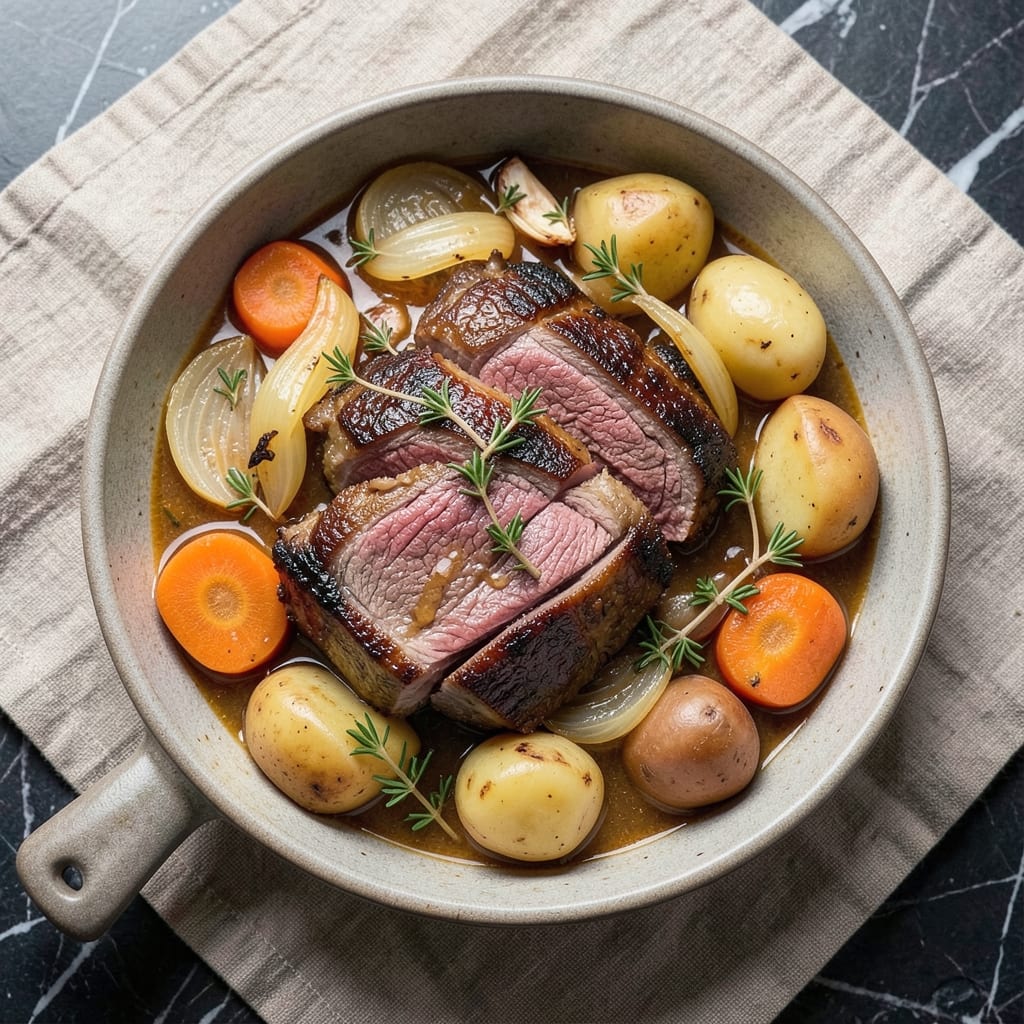
This Au Bon Pain beef stew recipe captures the essence of French bistro cooking with deep-simmered richness and caramelized vegetables that transform tough beef into melt-in-your-mouth perfection. 🔥 The secret lies in slow cooking beef chuck with red wine, aromatic herbs, and root vegetables until the flavors meld into a velvety, hearty broth that's impossible to resist. What sets this recipe apart is the balance of tender meat, crisp edges on the potatoes, and the deep, savory complexity from the wine reduction.
The technique mirrors Au Bon Pain's signature style—starting with a rich browned beef base that forms the foundation for layers of flavor. We'll use beef chuck for its marbling, which breaks down beautifully during the long simmer, while carrots, onions, and potatoes develop caramelized edges that add texture contrast. The addition of thyme and bay leaf infuses the broth with earthy depth, while a splash of red wine adds acidity that brightens the rich flavors.
By the time you serve this stew, you'll have a restaurant-quality dish with fork-tender beef, perfectly softened vegetables, and a glossy broth that coats every spoonful. The aroma alone will have everyone gathering around the table, while the first bite delivers that satisfying combination of tender meat and rich, savory sauce. This recipe is designed to impress without requiring advanced skills—just patience and attention to the slow cooking process.
The beauty of this beef stew is its versatility—serve it with crusty bread to soak up every last drop of the flavorful broth, or pair it with a simple green salad for balance. Leftovers reheat beautifully, making it perfect for meal prep or feeding a crowd. Let's create this comforting classic that brings bistro-quality dining to your home table.
Ingredients for au bon pain beef stew
Pantry staples meet bistro-quality beef for a stew that simmers into restaurant-worthy perfection.
| Ingredient | Amount | Notes |
|---|---|---|
| Beef Chuck Roast 🥩 | 3 lb | Well-marbled, cut into 1.5-inch cubes |
| Yellow Onions 🧅 | 2 whole | Medium, sliced into half-moons |
| Carrots 🥕 | 4 whole | Medium, cut into 1-inch chunks |
| Russet Potatoes 🥔 | 2 lb | Cut into 2-inch chunks, skin on |
| Garlic Cloves 🧄 | 6 cloves | Smashed, not minced |
| Fresh Thyme 🌿 | 2 sprigs | Or 2 tsp dried thyme |
| Bay Leaves 🌿 | 2 whole | Remove after simmering |
| Dry Red Wine 🍷 | 1 ½ cups | Bold Cabernet or Merlot |
| Beef Broth 💧 | 4 cups | Low-sodium preferred |
| Tomato Paste 🍅 | 2 tbsp | Squeeze tube or canned |
| Olive Oil 🫒 | 2 tbsp | Extra-virgin for browning |
| All-Purpose Flour 🌾 | 2 tbsp | For dusting beef |
| Salt 🧂 | 1 ½ tsp | Kosher or sea salt |
| Ground Black Pepper 🌶️ | 1 tsp | Freshly cracked |
| Fresh Parsley 🌿 | ¼ cup | Chopped, for garnish |
The beef is everything here—chuck roast with good marbling breaks down beautifully during the long simmer. Costco or your butcher shop will have the best cuts; look for bright red meat with visible fat. If you're buying a whole roast, cube it yourself for even cooking. The potatoes? Russets hold up best—their floury texture soaks up all that rich broth. Carrots should be firm and bright orange, not rubbery. Thyme and bay leaves are non-negotiable for that classic French bistro flavor—fresh thyme if you've got it, but dried works in a pinch (just use half the amount).
No red wine? Beef broth with a splash of balsamic works, though you'll lose some depth. The tomato paste can be skipped if you're sensitive to acidity, but it adds that umami punch. Trader Joe's has great tomato paste in squeeze tubes—no mess, lasts forever. For the flour, King Arthur or Bob's Red Mill are reliable. If you're prepping ahead, brown the beef the day before and refrigerate it—it'll still taste amazing. The potatoes can be parboiled ahead too, saving you time on simmer day.
This stew tastes even better the next day, so plan ahead. 4-5 days in the fridge, or freeze for 3 months—just thaw overnight in the fridge. I always make a double batch because it reheats beautifully. Store in glass containers if you can; the flavors stay fresher. The broth reduces as it sits, so add a splash of water or broth when reheating. Garnish with fresh parsley right before serving—it brightens everything up.
Why You'll Love This Recipe
- Fewer Chores, More Stew: Honestly, the only real work is searing the beef chuck—no chopping onions into oblivion or peeling carrots until your fingers ache. Toss everything into one pot, add the broth, and let it do the heavy lifting. (Yes, even on a Tuesday night.)
- Garlic-Caramel Magic: That slow simmer turns the onions into sweet, jammy pools while the beef chuck melts into tender, pull-apart perfection. The garlic? It’s not just flavor—it’s the secret weapon that makes this taste like a hug from a French bistro.
- Leftovers That Beg for Seconds: Between us, this stew only gets better the next day. The potatoes soak up all the rich broth, and the beef stays juicy—no sad, dry slices here. Pack it for lunch or freeze half; you’ll be grateful when you’re too tired to cook.
- Budget-Friendly Crowd-Pleaser: A beef chuck roast stretches for a week of meals, and the veggies (onions, carrots, potatoes) are cheap staples. Serve it to guests, your kids, or your roommate who “doesn’t eat carbs”—they’ll all ask for more. No pretentious ingredients, just pure satisfaction.
Step-by-step instructions for deep-simmered beef stew
Here's how to build layers of flavor in this classic French-inspired stew.
🔥 Step 1: Sear the Beef for Maximum Flavor
Pat the 3 lb Beef Chuck Roast dry with paper towels—this helps create that perfect crust. Heat 1 tablespoon olive oil in a large Dutch oven over high heat until shimmering. Working in batches, add the beef cubes and sear for 2-3 minutes per side until deeply browned. You want that rich, caramelized crust that dissolves into the stew later.
As you sear, sprinkle each batch with ½ teaspoon salt and ⅓ teaspoon black pepper. Remove the beef and set aside. Here's the thing—don't crowd the pan. Working in batches ensures you get that perfect sear instead of steaming the meat.
🍳 Step 2: Caramelize the Vegetables
In the same Dutch oven, add the remaining 1 tablespoon olive oil and swirl to coat. Add the sliced 2 whole Yellow Onions and 4 whole Carrots (cut into 1-inch chunks). Cook over medium-high heat for 8-10 minutes, stirring occasionally, until the onions are golden brown and the carrots start to soften.
Push the vegetables to one side of the pan and add the 6 smashed garlic cloves. Cook for 30 seconds until fragrant—this prevents burning. Stir everything together, then sprinkle with the 2 tbsp All-Purpose Flour and cook for another 1 minute to remove the raw flour taste. This creates a perfect foundation for the rich sauce.
🍳 Step 3: Deglaze and Build the Base
Pour in the 1.5 cups Dry Red Wine and scrape up all those browned bits from the bottom of the pan with a wooden spoon. This deglazing step captures all that concentrated flavor. Let it simmer for 3-4 minutes until reduced by half, until you can smell that deep, winey aroma developing.
Add the 2 tbsp Tomato Paste and stir to combine. Pour in the 4 cups Beef Broth and bring to a gentle boil. Add the 2 sprigs Fresh Thyme and 2 whole Bay Leaves, then return the beef to the pot. Here's where the magic starts—the liquid should just barely cover the beef, allowing it to cook slowly and tenderly.
⏰ Step 4: Simmer Until Fork-Tender
Reduce heat to low and bring to a gentle simmer. Cover and cook for 2 hours, stirring occasionally. You want to maintain a gentle simmer—not a rolling boil—that keeps the beef tender without toughening it. After 2 hours, add the 2 lb Russet Potatoes (cut into 2-inch chunks) to the pot.
Continue simmering uncovered for another 45-60 minutes until the beef is fork-tender and the potatoes are easily pierced with a fork. The stew should be thick and rich, with the vegetables soft but still holding their shape. If it gets too thick, add a splash of water or broth to reach your desired consistency.
🥘 Step 5: Finish and Serve
Remove the 2 whole Bay Leaves and discard them. Taste and adjust seasoning with additional salt and black pepper if needed. Let the stew sit off the heat for 10 minutes to allow the flavors to meld together—this is when all the magic happens.
Ladle the stew into bowls and garnish with 0.25 cup Fresh Parsley chopped. Serve immediately with crusty bread to soak up all that rich sauce. The beef should be falling apart tender, the vegetables perfectly cooked, and the sauce thick enough to coat the back of a spoon. This is comfort food at its finest!
Pro Tips For Making Au Bon Pain Beef Stew
- SEAR THE ROAST FIRST: I learned this the hard way—skipping the sear means flavorless beef. Hit the chuck roast with high heat until deep brown crust forms (about 5 minutes per side), then pull it out. That crust locks in juices and builds the stew’s depth—no one’s tasting the raw beef after hours of simmering.
- PEEL AND CUT POTATOES LAST: Russets break down fast in liquid. Add them only in the final 20 minutes of cooking—whole, unpeeled, and cut into 1-inch chunks. The skins stay intact, and the flesh absorbs flavor without turning to mush. (Yes, even if you’re impatient like me.)
- DON’T SKIP THE DEGLAZE: After browning the onions and carrots, those stuck-on bits are pure flavor. Splash in ½ cup of the stew’s liquid (or a splash of red wine if you’re fancy) and scrape the pan like your life depends on it. Ignore this, and you’re basically eating a watered-down version of the dish.
- USE COLD POTATOES: Toss the cut potatoes in ice water for 5 minutes before adding them to the stew. The cold shock stops them from pre-cooking and turning gluey in the hot liquid. Drain well, then add—your future self will notice the difference in texture. (Trust me, I’ve made the mistake of skipping this.)
Perfect pairings for this au bon pain beef stew
Bread Pairings
Serve this rich beef stew with crusty French baguettes from your local bakery—I love Au Bon Pain’s classic loaf for that perfect balance of crunch and soft interior. The crust soaks up the thick, savory broth beautifully. For a heartier option, try sourdough bread with a crisp crust and tangy flavor that cuts through the richness. 🥖
Wine Pairings
A bold Cabernet Sauvignon or Merlot mirrors the stew’s deep, wine-infused flavors while complementing the beef’s richness. I recommend a Napa Valley Cabernet with its dark fruit notes and smooth tannins. For a lighter option, a Pinot Noir from Oregon adds bright acidity that refreshes your palate between bites.
Beer Pairings
A malty amber ale or brown ale works wonderfully with this stew. Try Allagash Brown Ale—its caramel and toasty notes enhance the beef’s depth. For a hoppier option, a Belgian Dubbel like Westmalle Trappist adds fruity complexity that stands up to the wine and herbs in the stew. 🍺
Side Dish Ideas
A simple arugula salad with lemon vinaigrette balances the stew’s richness with peppery freshness. Toss 4 cups arugula with 2 tbsp olive oil, 1 tbsp lemon juice, and a pinch of salt. For a heartier side, roasted Brussels sprouts with balsamic glaze add sweetness and texture that complements the caramelized vegetables in the stew.
Garnish Finishes
Brighten the stew with a sprinkle of fresh parsley just before serving—I use about ¼ cup chopped parsley for a pop of color and freshness. For extra richness, drizzle with truffle oil (just ½ teaspoon) or a swirl of crème fraîche for a creamy contrast. A few toasted breadcrumbs add crunch and help thicken the sauce slightly. ✨
Nutrition facts
Frequently asked questions
Why does this recipe use beef chuck instead of a leaner cut?
Beef chuck is perfect for stews because its marbling (fat within the meat) breaks down during slow cooking, creating a rich, velvety sauce. Leaner cuts like sirloin would dry out—the fat is what makes this dish so tender and flavorful. The long simmer transforms tough fibers into melt-in-your-mouth perfection.
Can I make this stew in a slow cooker instead of a Dutch oven?
Brown the beef and vegetables first in a skillet, then transfer everything to a 6-quart slow cooker. Add all remaining ingredients and cook on low for 8 hours or high for 5 hours. The potatoes will absorb more broth, so add ½ cup extra beef broth halfway through if needed. The texture will be slightly different but still delicious.
How do I prevent the stew from getting too watery?
Start with the right liquid ratio—this recipe uses 5.5 cups total liquid (wine + broth) for 3 lbs beef. If it's still thin, simmer uncovered for 10-15 minutes to reduce. For extra thickness, mix 1 tbsp cornstarch with 2 tbsp cold water, stir into the stew, and simmer 2 minutes until thickened.
What's the best way to reheat leftovers?
Reheat gently in a saucepan over medium-low heat until warmed through (about 10-15 minutes). Never microwave—it makes the potatoes mushy. If the stew seems thick, add 1-2 tbsp beef broth to restore moisture. For extra richness, stir in 1 tsp butter or a splash of red wine while reheating.
Can I substitute the red wine with something else?
Yes! For a non-alcoholic version, use 1.5 cups beef broth + 1 tbsp balsamic vinegar. Or try 1 cup beef broth + ½ cup tomato juice for acidity. The wine adds depth—if substituting, increase herbs (thyme/bay leaf) by 50% to compensate.