
Main Courses
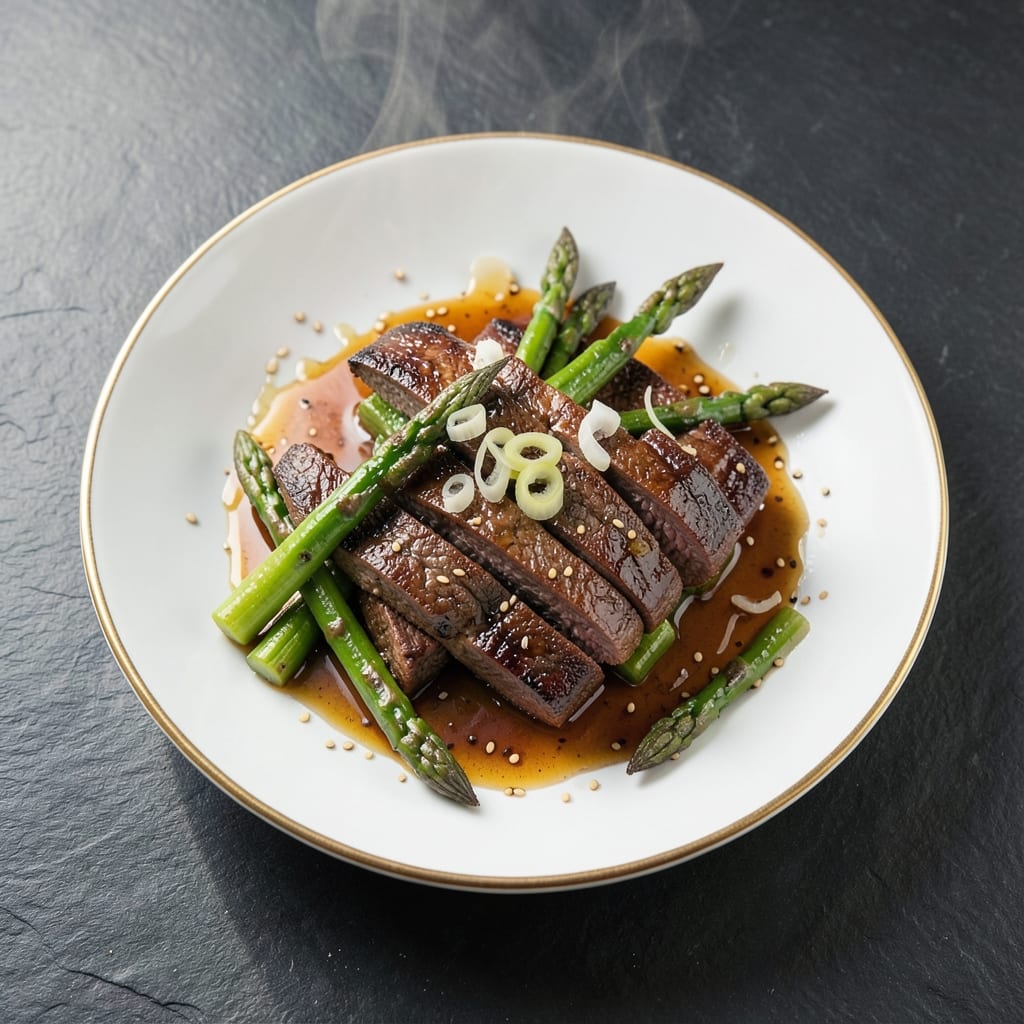
This asparagus beef Chinese recipe delivers the perfect balance of smoky wok hei, tender beef, and crisp-tender asparagus—all achieved with a high-heat sear and umami-packed sauce. The secret lies in quick cooking over blazing heat, which creates those coveted charred edges while keeping the beef juicy and the asparagus bright green with a satisfying crunch. I developed this dish after years of experimenting with stir-fry techniques, and it never fails to impress—whether you're serving it for a weeknight dinner or a special occasion.
The recipe combines tender flank steak sliced against the grain for maximum tenderness, with fresh asparagus that holds its crispness through the cooking process. A simple yet flavorful sauce made from soy sauce, oyster sauce, and a touch of honey ties everything together, adding depth without overpowering the natural flavors. The key is working quickly—prep all ingredients ahead of time so you can focus on that all-important wok hei, or smoky breath of the wok, that defines authentic Chinese stir-fries.
What you'll end up with is a dish that's restaurant-quality at home—golden-brown beef with a caramelized crust, crisp-tender asparagus spears, and a glossy sauce that clings to every bite. The aroma alone will have everyone gathering around the table, and the first taste will confirm why this recipe has become a favorite. Serve it over steamed jasmine rice or with a side of egg rolls for the full experience.
This recipe is designed to be foolproof and adaptable—whether you're using a wok, cast-iron skillet, or even a high-sided pan. The technique ensures you achieve that perfect balance of smoky, charred edges and tender interiors, even if you're not a seasoned stir-fry chef. Once you master this dish, you'll have a go-to recipe for quick, flavorful dinners that taste like they came from your favorite Chinese restaurant.
Ingredients for asparagus beef chinese
Here's what you need for that perfect wok-seared asparagus beef with charred edges and umami crunch.
| Ingredient | Amount | Notes |
|---|---|---|
| Flank Steak 🥩 | 1 lb | Sliced against grain, 1/4-inch thick |
| Asparagus 🌱 | 1 lb | Fresh, tough ends trimmed |
| Soy Sauce 🥄 | 3 tbsp | Light or dark, quality brand |
| Oyster Sauce 🍲 | 2 tbsp | Thick, rich variety preferred |
| Honey 🍯 | 1 tbsp | For balanced sweetness |
| Sesame Oil 🫒 | 1 tbsp | Toasted, for aroma |
| Garlic Cloves 🧄 | 4 cloves | Minced, fresh preferred |
| Fresh Ginger 🌿 | 1 tbsp | Grated, aromatic |
| Neutral Oil 🫒 | 2 tbsp | Vegetable or canola |
| Cornstarch 🌾 | 1 tbsp | For tenderizing beef |
| Salt 🧂 | 1 tsp | Kosher or sea salt |
| Black Pepper 🌶️ | ½ tsp | Freshly ground |
| Green Onions 🧅 | 2 whole | Sliced, for garnish |
| Sesame Seeds 🌾 | 1 tsp | Toasted, for crunch |
The flank steak is your star—look for well-marbled cuts at the butcher counter or Costco for the best quality. Slice it against the grain for tenderness, and trim any large fat deposits before cooking. Asparagus should be bright green and firm—avoid anything woody or limp. Trader Joe's often has great pre-trimmed bundles, but fresh is always better. The soy sauce matters too—Lee Kum Kee is my go-to, but any quality brand works. For the oyster sauce, avoid the watery kind—you want something thick and rich like Kikkoman.
No sesame oil? Toasted peanut oil works in a pinch, though it won't have that same nutty aroma. Short on honey? Maple syrup at half the amount gives a similar depth. The cornstarch is key for tenderizing—don't skip it. If you can't find fresh ginger, powdered works at half the amount, but fresh is ideal. For the garlic, peel and mince it right before cooking to preserve freshness. The green onions can be subbed with chives or scallions if that's what you've got.
Prep everything ahead—this dish is all about speed. The asparagus keeps 3-4 days in the fridge wrapped in damp paper towels, and the steak can marinate for up to 4 hours in the cornstarch mix. Once cooked, it reheats beautifully—just 2 minutes in a hot pan with a splash of water to steam. Store leftovers in airtight containers for 3 days. The sauce thickens as it cools, so thin with a splash of water if needed.
Why You'll Love This Recipe
- One-Pan Magic: I swear by this recipe when I’m too tired to wash dishes—just sear the flank steak, toss in the asparagus, and let the soy and oyster sauce work their magic. The honey glaze caramelizes right on the pan, so you don’t even need to scrape. (Yes, even on a Tuesday night.)
- Umami Bomb: That combo of soy, oyster sauce, and a touch of honey? It’s like a flavor explosion in your mouth—savory, slightly sweet, with the asparagus adding a fresh crunch. The beef stays tender but gets this perfect chewy bite that makes it impossible to stop eating.
- Leftover Hero: This dish actually tastes better the next day. I make a double batch on Sundays, and by Wednesday, it’s still my go-to lunch—just reheat with a splash of soy sauce, and it’s like eating at a restaurant. (My coworkers have started asking for leftovers.)
- Budget Steakhouse Feel: You’d pay $30 for this at a restaurant, but here? Flank steak is affordable, and the asparagus stretches far when you cut it into bite-sized pieces. Honestly, it’s my secret weapon for impressing guests without breaking the bank—plus, the honey keeps it from feeling heavy.
Step-by-step instructions for wok-seared beef with charred asparagus
Here's how to create restaurant-quality Chinese beef stir-fry with perfectly seared edges and tender asparagus.
Prep the Flank Steak for Maximum Tenderization
Place the 1 lb flank steak between two sheets of plastic wrap and pound it to an even ¼-inch thickness using a meat mallet. This ensures even cooking and prevents toughness. In a small bowl, combine the 1 tablespoon cornstarch, 1 teaspoon salt, and 0.5 teaspoon black pepper. Rub this mixture all over the steak, pressing firmly so it adheres completely.
Let the seasoned steak rest at room temperature for 15 minutes while you prepare the rest of your ingredients. This resting period helps the cornstarch coating form a better crust and prevents the steak from curling during cooking. Slice the flank steak against the grain into ¼-inch thick strips—this is crucial for tenderness, as cutting against the grain shortens the muscle fibers.
Blanch and Shock the Asparagus for Crisp-Tender Texture
Fill a medium pot with 4 cups of water and bring to a rolling boil. Add the 1 lb asparagus (tough ends trimmed) and cook for exactly 1 minute. Immediately drain and transfer the asparagus to a large bowl filled with ice water for 30 seconds. This quick blanching and shocking process preserves the vibrant green color and creates the perfect crisp-tender texture.
Drain the asparagus thoroughly and pat dry with paper towels. Cut the blanched asparagus into 2-inch pieces. The asparagus should be dry when you add it to the wok—any moisture will cause the oil to splatter and prevent proper searing. Keep the asparagus in a bowl until ready to cook, and save the ice water for later if needed to deglaze the wok.
Build the Umami Sauce Base
In a small bowl, whisk together the 3 tablespoons soy sauce, 2 tablespoons oyster sauce, 1 tablespoon honey, 1 tablespoon sesame oil, minced 4 cloves garlic, and grated 1 tablespoon fresh ginger. This sauce will provide the perfect balance of sweet, salty, and aromatic flavors. Taste the mixture and adjust seasoning if needed—you want it to be well-seasoned but not overly sweet.
Set the sauce aside while you prepare the wok. The sauce will simmer down slightly during cooking, so don't worry about reducing it before adding it to the beef. This sauce is the heart of the dish, delivering that signature umami crunch you find in Chinese wok cooking. Keep it nearby so you can add it at the perfect moment.
Wok-Sear the Beef and Asparagus for Charred Edges
Heat a wok or large skillet over high heat until it's very hot. Add the 2 tablespoons neutral oil and swirl to coat the bottom. Working in batches if needed, add the sliced flank steak strips and sear for 1-2 minutes until they develop a deep golden brown crust. The steak should release easily from the wok—if it sticks, your wok isn't hot enough.
Remove the beef and set it aside. Add the asparagus pieces to the same wok and stir-fry for 1-2 minutes until they develop charred edges and are tender-crisp. The high heat is key here—it creates those beautiful charred spots while keeping the asparagus crisp. If the wok starts to smoke excessively, reduce the heat slightly but keep it hot.
Combine and Finish with Sauce and Garnishes
Return the beef to the wok and pour in the prepared sauce. Stir everything together for 1-2 minutes until the sauce coats the beef and asparagus evenly. The beef should be fully cooked through with an internal temperature of 145°F. Taste and adjust seasoning if needed, adding a splash of water if the sauce is too thick.
Remove from heat and transfer to serving plates. Garnish with sliced 2 whole green onions and toasted 1 teaspoon sesame seeds. The sesame seeds add a delightful crunch and visual appeal, while the green onions provide a fresh contrast to the rich flavors. Serve immediately while the beef is hot and the asparagus is crisp-tender.
Pro Tips For Making Asparagus Beef Chinese
- Slice Against the Grain: Flank steak fights you if you cut with the grain—thin slices turn to mush when cooked. Take 10 minutes to angle your knife at 45 degrees and slice perpendicular to the muscle fibers. Yes, it’s tedious, but your stir-fry will hold together like it’s supposed to.
- Blanch Asparagus First: Raw asparagus spears in a stir-fry just sit there, undercooked and crunchy. Give them a quick 1-minute blanch in boiling water, then shock in ice water. They’ll soften just enough to absorb flavors without turning to mush—plus, the color stays vibrant.
- Don’t Rush the Beef: High heat is great, but flank steak needs time to tenderize. After searing, pull the pan off heat for 30 seconds—just long enough for the residual heat to carry the soy and oyster sauce into the meat. That’s when the flavors really sink in.
- Use Cornstarch on the Asparagus: Toss blanched asparagus with 1 teaspoon cornstarch before stir-frying. It creates a light, glossy coating that caramelizes faster and adds a subtle crunch. Skip this, and your asparagus will either burn or stay limp.
Dietary considerations for this asparagus beef chinese
Gluten-Free Adaptations
This dish is naturally gluten-free, but always double-check your ingredients—especially soy sauce and oyster sauce. Use tamari instead of regular soy sauce for a gluten-free alternative, and opt for gluten-free oyster sauce like Kikkoman Gluten-Free or Lee Kum Kee Gluten-Free. The cornstarch coating can also be replaced with arrowroot powder for a gluten-free binder that still delivers that tenderizing crunch. 🌱
Low-Carb Options
For a low-carb version, skip the jasmine rice and serve the beef and asparagus over cauliflower rice or a bed of shredded cabbage. The dish already has minimal carbs—just 12g net carbs per serving without rice—so you're keeping it light and flavorful. Garnish with extra sesame seeds for crunch without adding carbs.
Dairy-Free Considerations
This recipe is already dairy-free, but if you're serving alongside dairy-heavy sides (like cheese dumplings), keep the main dish pure. The umami sauce and wok-seared beef stand alone beautifully. For extra richness, drizzle with toasted sesame oil or a splash of chili oil instead of dairy-based garnishes.
Protein Swaps
Need to accommodate other dietary needs? Swap the beef for shrimp (cook for just 1-2 minutes per side) or chicken breast (slice thin and marinate in the sauce for 15 minutes). For plant-based, use extra-firm tofu (press and cube before stir-frying) or mushrooms (shiitake or oyster) for that meaty texture. The asparagus and sauce will still shine!
Nut-Free Version
Sesame oil and seeds are the only nut-derived components here. For a nut-free version, replace the sesame oil with avocado oil and omit the sesame seeds. Garnish with toasted pumpkin seeds instead—they add a similar crunch without nuts. The dish remains just as flavorful and satisfying. 💛
Nutrition facts
Frequently asked questions
Can I use a different cut of beef instead of flank steak?
Flank steak is ideal for its tenderness when sliced thin, but you can use sirloin or ribeye instead. Trim excess fat and slice against the grain for best results. For leaner cuts like top round, marinate in the sauce for 20-30 minutes before cooking to keep it moist.
Why does my asparagus turn mushy instead of staying crisp?
The blanching and shocking technique is key—cook asparagus for exactly 1 minute in boiling water, then shock in ice water for 30 seconds. Pat it completely dry before stir-frying, and cook over high heat for 1-2 minutes max. Overcrowding the wok also causes steaming instead of searing.
How do I get that smoky wok hei flavor at home?
Wok hei (smoky breath) comes from high heat and proper oil control. Heat your wok or skillet until it's smoking hot before adding oil, then work in small batches to avoid lowering the temperature. A cast-iron skillet or carbon steel wok retains heat best. Add a pinch of smoked salt or a dash of chili oil at the end for extra depth.
Can I make this recipe ahead of time?
Cook the beef and asparagus fresh for best texture, but you can prep components ahead: marinate the beef for up to 4 hours, blanch the asparagus (store in airtight container for 2 days), and mix the sauce in advance. Reheat gently in a pan with a splash of water for 2 minutes to restore crispness. The sauce thickens when chilled—thin with water if needed.
What's the best way to serve this dish?
Pair with steamed jasmine rice or cauliflower rice for a complete meal. Add steamed dumplings or egg rolls for extra texture. For a lighter option, serve over baby bok choy or a simple cucumber salad. The dish also works well as a filling for lettuce wraps or over zucchini noodles for low-carb versions.