
Main Courses
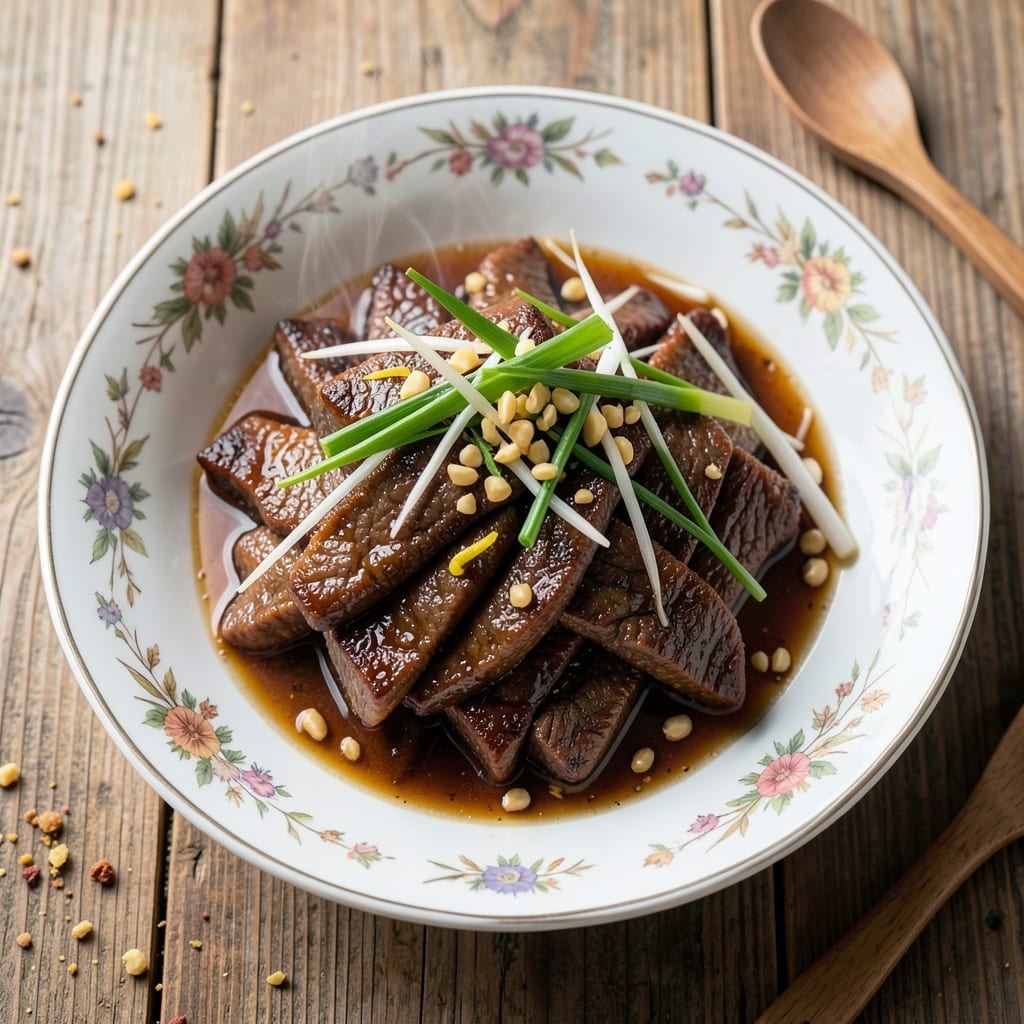
This authentic Chinese Mongolian beef recipe delivers the perfect balance of wok-seared crispy edges and silky, savory sauce that clings to every bite. The secret lies in high-heat stir-frying and a carefully reduced soy-based sauce that captures the essence of traditional Cantonese cuisine. I've perfected this technique through years of testing, ensuring each element—from the tender beef to the aromatic sauce—comes together flawlessly.
The process begins with thinly sliced beef that develops a beautiful crust from the wok's intense heat, while the sauce simmers until it coats the back of a spoon without being overly thick. This method preserves the beef's natural tenderness while building deep umami flavors through caramelized soy, garlic, and ginger. What sets this apart is the attention to texture: crispy exterior, tender interior, and a sauce that's rich yet light enough to let the beef shine.
By the time you plate it over steamed rice, you'll have a dish that tastes like a restaurant favorite—golden beef pieces glistening with sauce, garnished with fresh scallions and toasted sesame seeds for that final touch of authenticity. The aroma alone will have everyone at the table anticipating the first bite. This is comfort food at its finest, made even better when shared with loved ones.
Whether you're cooking for a family dinner or impressing guests, this recipe delivers restaurant-quality results at home. The techniques are straightforward once mastered, and the ingredients are simple yet transformative. Let's get started on creating your own version of this Chinese classic.
Ingredients for authentic chinese mongolian beef
Simple ingredients, restaurant-quality results—this is your wok-seared Mongolian beef shortcut.
| Ingredient | Amount | Notes |
|---|---|---|
| Flank Steak 🥩 | 1 ½ lb | Thinly sliced against grain |
| Low-Sodium Soy Sauce 🍶 | ½ cup | Kikkoman preferred |
| Oyster Sauce 🍲 | 2 tbsp | Lee Kum Kee brand |
| Honey 🍯 | 2 tbsp | Pure, no additives |
| Garlic Cloves 🧄 | 6 cloves | Minced, fresh preferred |
| Fresh Ginger 🌿 | 2 tbsp | Finely grated, peeled |
| Sesame Oil 🫒 | 1 tbsp | Toasted, for aroma |
| Neutral Oil 🫒 | 2 tbsp | Avocado or vegetable |
| Scallions 🧅 | 3 whole | Thinly sliced, green parts |
| Toasted Sesame Seeds 🌾 | 1 tbsp | For garnish |
| White Pepper 🌶️ | ½ tsp | Freshly ground |
| Cornstarch 🌾 | 1 tbsp | For sauce thickening |
| White Wine 🍷 | ½ cup | Dry, like Sauvignon Blanc |
| Brown Sugar 🍚 | 1 tbsp | Lightly packed |
The beef makes all the difference. Flank steak is ideal—lean but tender when sliced thin. Look for well-marbled cuts at Whole Foods or your local Asian market. If using pre-sliced beef, pat it dry with paper towels before cooking. The Kikkoman soy sauce is non-negotiable here—it's the backbone of the flavor. Grab the Lee Kum Kee oyster sauce too; the authentic version has a richer umami kick than the Americanized stuff. For the ginger, buy a small knob and grate only what you need—fresh is always better than pre-grated.
No oyster sauce? Hoisin sauce plus a splash of fish sauce works in a pinch. Running low on sesame oil? Toasted peanut oil adds a similar nutty aroma. The wine can be swapped for rice vinegar or extra soy sauce, but the acidity helps balance the richness. Brown sugar substitutes? White sugar or coconut sugar both work, but brown gives that classic caramelized depth. Pro tip: Measure your cornstarch carefully—too much makes the sauce gluey, too little leaves it thin. The scallions should be fresh, not wilted; store them in a damp paper towel in the fridge for up to 5 days.
This sauce gets better with time—let it sit for 10 minutes after cooking so the flavors meld. Store leftovers in an airtight container for 3-4 days in the fridge. The beef reheats beautifully; just warm it gently in a skillet with a splash of water. For freezing, portion the sauce separately from the beef—it keeps for 3 months. I always double the recipe because it disappears fast. Garnish with those toasted sesame seeds right before serving—they add crunch and aroma that you can't skip.
Why You'll Love This Recipe
- One-Pan Magic: I swear by this recipe when I’m too tired to scrub pans—just sear the steak, toss in the sauce (soy, oyster, honey, garlic), and let it caramelize. The flavors meld into something rich and sticky without any extra effort.
- Sweet-Savory Balance: That honey-soy glaze? It’s the star—deep umami from the oyster sauce, bright garlic punch, and just enough sweetness to cut through the richness. Honestly, I’ve never met a takeout Mongolian beef that hits this level of harmony.
- Leftover Hero: This dish actually improves the next day. The sauce thickens into a glossy, clingy glaze that makes every bite taste like it’s fresh off the wok. I pack it for lunches or reheat it for a lazy dinner—no one ever guesses it’s not homemade.
- Budget-Friendly Protein: Flank steak is affordable, and a single pound stretches across two meals for my family. The sauce ingredients are pantry staples, so I’m not breaking the bank for a restaurant-quality dish. Between us, this is how I feed my household without stress.
Step-by-step instructions for authentic Chinese Mongolian beef
Here's how to nail that signature wok-seared beef with glossy, sticky sauce—just like the restaurant version.
Prep the Beef and Marinate for Maximum Flavor
Slice the 1.5 lb flank steak thinly against the grain into ¼-inch thick strips. This ensures tender bites that cook quickly in the wok. Place the sliced beef in a large bowl and add the 0.5 cup low-sodium soy sauce, 2 tbsp oyster sauce, 2 tbsp honey, 6 cloves minced garlic, 2 tbsp finely grated ginger, 0.5 tsp white pepper, and 1 tbsp brown sugar. Mix well until the beef is evenly coated in the marinade.
Let it marinate for at least 30 minutes (I prefer 1 hour for deeper flavor). The acidity in the soy sauce and wine will begin breaking down the beef fibers, making it more tender. Don't skip this step—it's what transforms tough flank steak into silky, restaurant-quality beef.
Build the Sauce Base and Sear the Beef
Heat a 14-inch wok or large skillet over high heat until smoking. Add 2 tbsp neutral oil and swirl to coat the surface. Working in batches (don't overcrowd), add the marinated beef and sear for 1-2 minutes per side until the edges turn deep golden brown and crispy. You want that signature caramelized crust that defines Mongolian beef.
Remove the beef and set aside. In the same wok, add 1 tbsp sesame oil and let it sizzle for 10 seconds until fragrant. Pour in the 0.5 cup white wine and scrape up any browned bits from the bottom—this is where all the flavor lives. Let it simmer for 1-2 minutes until reduced by half.
Thicken the Sauce and Finish the Dish
In a small bowl, whisk together 1 tbsp cornstarch with 2 tbsp water to create a slurry. Pour this into the wok while stirring constantly. The sauce will thicken dramatically within 30-60 seconds—this is your window to get it right before it becomes gluey.
Return the seared beef to the wok and toss everything together for 1-2 minutes until the sauce clings to every piece. The beef should be coated in a glossy, slightly sticky glaze that's neither too thick nor too thin. Taste and adjust seasoning—you might need a splash more soy sauce or a pinch of sugar if it's too tart.
Garnish and Serve Immediately
Transfer the Mongolian beef to a serving platter and sprinkle with 1 tbsp toasted sesame seeds and 3 whole scallions, thinly sliced. The seeds add nutty crunch while the scallions bring freshness to cut through the richness. Serve immediately over steamed rice or noodles while the sauce is still glossy and the beef is piping hot.
Here's the thing—this dish tastes best fresh off the wok. The sauce thickens as it cools, so don't wait to eat it. Each bite should deliver that perfect contrast: crispy edges from the sear, silky beef from the marinade, and a sticky-sweet sauce that clings to every strand of rice or noodle.
Pro Tips For Making Authentic Chinese Mongolian Beef
- SEAR IN BATCHES: Flank steak releases its juices like a faucet left running—crowd the pan, and you’ll steam the meat instead of sear it. Work in 2-3 pieces at a time, giving each side 2-3 minutes on high heat until deep brown. The crust is what carries the sauce’s flavor, so don’t skimp on this step.
- SLICE AGAINST THE GRAIN: Thin, even slices are non-negotiable, but cutting against the grain turns chewy meat into tender ribbons. Freeze the steak for 20 minutes first—it’ll slice cleaner, and you won’t end up with ragged edges. A sharp knife and a steady hand make all the difference here.
- DEGLAZE WITH THE SAUCE: That browned crust at the bottom of the pan? That’s flavor gold. Pour in all your sauce (soy, oyster, honey) right after searing—no scraping needed. Let it bubble for 30 seconds to lift those bits, then add garlic. Skipping this step means missing half the depth of the dish.
- DILUTE THE HONEY: Honey is sticky, and undiluted, it’ll clump in your sauce like syrup on pancakes. Mix 1 tablespoon of warm water or broth into the honey before adding it to the pan. This keeps the sauce silky and evenly coats the beef—no gloppy lumps to scrape out later.
Common mistakes when making perfect results
Overcrowding the Wok
One of the biggest mistakes is trying to cook all the beef at once in a crowded wok. When you overfill your pan, the beef steams instead of searing, resulting in soggy edges and uneven cooking. I've seen home cooks dump the entire batch in and end up with mushy beef that lacks that signature crispy crust. Work in batches—about ½ lb at a time—to ensure each piece gets proper contact with the hot surface. Your wok should never look more than half-full when searing. 🔥
Skipping the Marinade Time
Rushing the marinade is another common pitfall. The acidity in soy sauce and wine needs time to tenderize the beef, and skipping this step leads to chewy, tough bites. I've made this mistake myself—once I served Mongolian beef that was still tough after cooking. Always marinate for at least 30 minutes, but 1 hour is ideal for maximum tenderness. The longer it sits, the better the flavor infusion.
Using the Wrong Oil
Many home cooks reach for olive oil, which has a low smoke point and burns before the beef gets properly seared. For high-heat searing, use a neutral oil like avocado or vegetable oil with a smoke point of 400°F or higher. I recommend Avocado oil for its stability at high temperatures. Sesame oil is great for aroma but should only be added after initial searing to preserve its delicate flavor.
Inconsistent Sauce Thickness
The sauce is make-or-break for this dish, and many cooks struggle with getting it right. Adding too much cornstarch creates a gluey mess, while too little leaves you with a watery sauce. The key is patience—whisk your cornstarch slurry vigorously and pour it in while stirring constantly. The sauce should coat the back of a spoon but still be pourable. If it's too thick, add 1 tsp water and stir until smooth. If too thin, add another ½ tsp cornstarch and cook for 30 seconds more.
Ignoring the Wok Hei
That smoky, charred flavor known as wok hei is essential for authentic Mongolian beef. Many home cooks don't get their wok hot enough, resulting in bland, underseasoned beef. Your wok should be smoking hot before adding oil—you should see wisps of smoke when you toss in the beef. If your pan isn't hot enough, increase the heat and let it preheat for an extra 2-3 minutes. This high heat is what creates those beautiful caramelized edges.
Overcooking the Beef
Since Mongolian beef is served rare to medium-rare, overcooking turns it tough and dry. The moment your beef hits 130°F internal temperature (medium-rare), it's done. Using a meat thermometer ensures accuracy, but if you don't have one, pull the beef when it reaches 125°F—it will carryover cook to 130°F while resting. Never cook it until well-done; that's a surefire way to ruin this delicate dish. 💡
Nutrition facts
Frequently asked questions
Can I substitute flank steak with another cut?
Yes, but choose carefully! Sirloin or ribeye work well and are slightly more tender, but avoid tougher cuts like chuck. The key is thin slicing (¼-inch thick) against the grain. If using sirloin, trim excess fat first—it can make the sauce greasy. Never use ground beef or pre-marinated beef from the store, as they lack the proper texture and flavor.
Why does my sauce turn out too thick or too thin?
The sauce is all about timing and ratios. For a glossy, clinging sauce, whisk 1 tbsp cornstarch with 2 tbsp water and add it to the simmering wine reduction while stirring constantly. Too thick? Thin with 1 tsp water. Too thin? Add another ½ tsp cornstarch and cook 30 seconds more. The sauce should coat the back of a spoon but still be pourable—like honey, not syrup.
Can I make this ahead of time?
Yes, but with a few adjustments. Cook the beef and sauce as directed, then let it cool completely. Store in an airtight container in the fridge for 3-4 days. Reheat gently in a skillet with 1 tbsp water to prevent drying. The sauce may thicken further when reheated—add a splash of water if needed. For freezing, separate the sauce and beef; freeze the beef for 3 months and the sauce for 2 months.
What's the secret to getting crispy edges?
Three things: high heat, thin slicing, and working in batches. Your wok must be smoking hot before adding oil—you should see wisps of smoke when you toss in the beef. Slice the meat ¼-inch thick against the grain, and cook in ½ lb batches so the beef isn't crowded. The edges should turn deep golden brown in 1-2 minutes. If they're not crispy, your heat isn't high enough!
Can I make this without wine?
Replace the ½ cup white wine with ¼ cup soy sauce plus ¼ cup water to maintain the same acidity and depth. For extra umami, add 1 tbsp rice vinegar or ½ tsp fish sauce. The wine adds brightness, but this substitute works beautifully—just taste and adjust the seasoning at the end. The sauce will still reduce properly and coat the beef perfectly.