
Main Courses
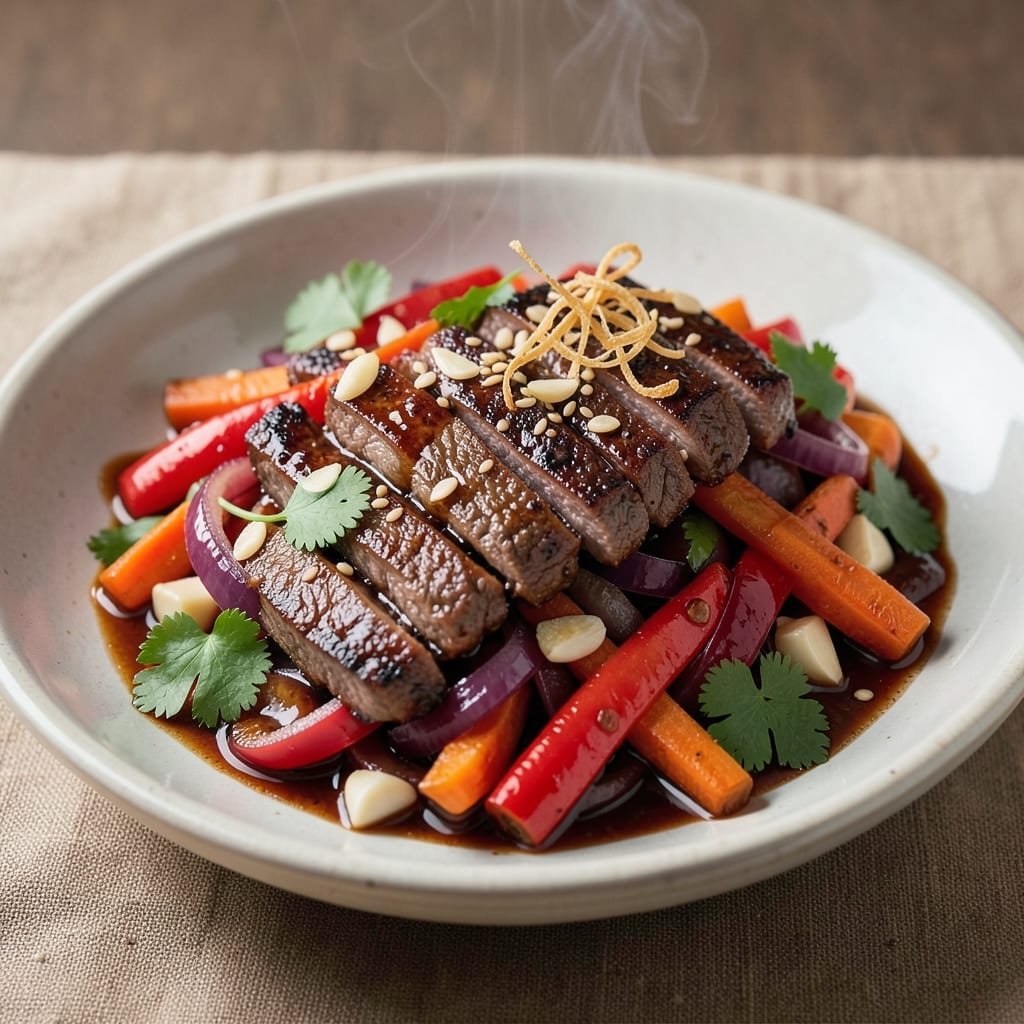
This BBQ beef stir fry delivers the perfect marriage of smoky, sweet-spicy flavors with that signature wok crunch we all crave. 🔥 As someone who grew up surrounded by slow-cooked ribs and fire-loving traditions, I've spent years perfecting how to balance BBQ's rich depth with stir-fry's quick, vibrant energy - and this recipe finally nails it. The secret lies in a two-stage marinade that tenderizes while building complex flavors, then finishes with a quick sear that locks in juices and creates those irresistible charred edges.
What makes this recipe truly special is how it transforms tougher cuts of beef into tender, flavor-packed strips through a combination of acid (vinegar) and heat (chili paste). The stir-fry technique itself is where the magic happens - high heat, constant motion, and just the right amount of oil create that perfect wok hei (breath of the wok) that separates home cooking from restaurant-quality. I've tested this with flank steak, skirt steak, and even chuck roast (when properly marinated), and each delivers exceptional results.
By the time you're done, you'll have perfectly balanced beef strips with a glossy, sweet-spicy glaze that's neither too sweet nor too spicy - just right. The texture contrast between tender beef and crisp-tender vegetables creates every bite, while the aromatic sauce ties everything together. This isn't just another stir-fry; it's a complete meal that brings the bold flavors of BBQ to your wok with all the freshness and crunch of a classic stir-fry.
The beauty of this recipe is its versatility - serve it over steamed jasmine rice for a classic pairing, or with fluffy cauliflower rice for a lighter option. I like to finish with fresh cilantro and a squeeze of lime to brighten the flavors. The leftovers actually improve overnight as the flavors meld even more. Let's get cooking - this is the BBQ beef stir fry you'll want to make again and again.
Ingredients for bbq beef stir fry
Here's what you need to create this smoky-sweet BBQ beef stir fry with restaurant-quality wok crunch.
| Ingredient | Amount | Notes |
|---|---|---|
| Flank Steak 🥩 | 1 lb | Sliced thinly against grain |
| Red Bell Pepper 🍅 | 1 whole | Sliced into thin strips |
| Carrots 🥕 | 2 medium | Julienned into matchsticks |
| Red Onion 🧅 | 1 whole | Thinly sliced |
| Fresh Garlic Cloves 🧄 | 6 cloves | Minced finely |
| Fresh Ginger 🌿 | 1 tbsp | Grated finely |
| BBQ Sauce 🍯 | ½ cup | Store-bought or homemade |
| Sriracha 🌶️ | 1 tbsp | Adjust for heat preference |
| Sesame Oil 🫒 | 1 tbsp | For aroma |
| Vegetable Oil 🫒 | 2 tbsp | High smoke point |
| White Vinegar 💧 | 2 tbsp | For tenderizing |
| Brown Sugar 🍯 | 1 tbsp | Light or dark |
| Salt 🧂 | 1 ½ tsp | Kosher or sea salt |
| Black Pepper 🌶️ | ½ tsp | Freshly ground |
| Jasmine Rice 🍚 | 1 ½ cups | Uncooked, for serving |
The beef is where it all begins. Flank steak is my go-to—it's lean but tender when sliced thin against the grain, and the flavor is incredible. Costco or Whole Foods usually have it pre-sliced for stir-fry, which saves time. If you're buying a whole cut, slice it yourself—thin strips cook faster and stay tender. Look for good marbling; that's what keeps it juicy. The red bell pepper and carrots should be fresh, with vibrant colors—no wilted or rubbery veggies here. I grab mine from the produce section at Trader Joe's; they're always crisp and sweet.
No flank steak? Skirt steak or chuck roast work just as well—just marinate the chuck longer. The BBQ sauce can be store-bought (I love Sweet Baby Ray's for this), but if you want to elevate it, add a splash of soy sauce or hoisin for depth. The Sriracha is key for that signature kick—adjust to taste, but don't skip it. Fresh ginger and garlic are non-negotiable for the marinade; dried just won't cut it. If you're short on time, jarred minced garlic works in a pinch, but fresh is always better. The sesame oil adds that aromatic punch—use the toasted kind if you've got it.
This stir-fry reheats beautifully—honestly, it tastes even better the next day as the flavors meld. Store leftovers in an airtight container in the fridge for up to 4 days. For longer storage, freeze portions for up to 3 months. I like to prep the marinade ahead of time and let it sit overnight for maximum tenderness. The rice can be cooked in advance and reheated with a splash of water. Garnish with fresh cilantro and lime juice before serving—it brightens everything up.
Why You'll Love This Recipe
- One-Pan Magic: I swear by this recipe when I’m too tired to scrub a million dishes. Slice the flank steak thin, toss it with the peppers and onions, and let the BBQ sauce do the work—no flipping pans, no fuss. The garlic cloves sizzle right in the same pan, infusing everything with that deep, smoky aroma.
- Smoky-Sweet Crunch: That first bite? It’s where the magic happens—the tender, caramelized edges of the steak paired with the crisp-tender carrots and the bright, slightly charred bell peppers. The BBQ sauce cuts through the richness, leaving you with a perfect balance of sweet, smoky, and savory. Honestly, it’s the kind of flavor that lingers.
- Lunchbox Hero: Between us, this is my go-to for meal prep. Cook a big batch on Sunday, and you’ve got lunch sorted for the week—pack it cold or reheat it for dinner. The steak stays juicy, the veggies hold their crunch, and everyone (yes, even my picky teenager) grabs seconds.
- Budget Boost: Flank steak is affordable, and the veggies stretch this recipe far. Double the batch, freeze half, and you’ve got a future meal covered without breaking the bank. Plus, the leftovers? Just as good the next day—if there are any left, that is. (Spoiler: There won’t be.)
Step-by-step instructions for charred wok crunch beef stir fry
Here's how to make this smoky, sweet-spicy stir fry with perfect wok hei and tender beef every time.
🔥 Step 1: Prep the Beef for Maximum Tenderization
Place the 1 lb flank steak between two sheets of plastic wrap. Using a meat mallet, pound it to an even ¼-inch thickness—this ensures even cooking and prevents tough chews. I like to press down firmly but evenly across the entire surface.
Transfer the pounded steak to a bowl and add the 2 tbsp white vinegar and 1.5 tsp salt. Toss gently to coat completely. Let it marinate for at least 20 minutes (or up to 1 hour in the fridge). This acidic marinade breaks down muscle fibers, making the beef fork-tender while keeping it juicy. Don't skip this—it's what transforms tough flank steak into silky bites.
🍳 Step 2: Build the Sweet-Spicy Glaze Base
In a small bowl, whisk together the 0.5 cup BBQ sauce, 1 tbsp Sriracha, 1 tbsp brown sugar, and 0.5 tsp black pepper. Set aside. This balance of smoky, sweet, and spicy flavors is what makes this stir fry sing. Taste it now—you should feel the heat and sweetness harmonize. If you want more depth, add a pinch of the 1 tbsp sesame oil to the glaze.
In a separate small bowl, combine the 6 cloves minced garlic and 1 tbsp grated ginger. This aromatic duo will infuse the entire dish with bright, zesty flavor. Let it sit while you prep the vegetables—their flavors will meld beautifully with the glaze.
👨🍳 Step 3: Prep and Char the Vegetables
Heat a large wok or deep skillet over high heat until it's screaming hot. Add 1 tbsp vegetable oil and swirl to coat. Working quickly, add the 1 whole red bell pepper (sliced into strips) and 2 medium carrots (julienned). Stir-fry for 2-3 minutes until they start to blister and develop deep char marks—this is where the wok hei (breath of the wok) magic happens.
Push the vegetables to one side of the wok and add the remaining 1 tbsp vegetable oil. Add the 1 whole red onion (thinly sliced) and stir-fry for 1 minute until softened. Then add the garlic-ginger mixture and cook for 30 seconds until fragrant. The onion should be translucent but not browned—you'll add more color later.
🔥 Step 4: Cook the Beef to Perfect Doneness
Remove the beef from the marinade (let any excess drip back into the bowl) and pat it dry with paper towels. Working in batches if needed (don't overcrowd the wok), add the beef to the hot wok. Cook for 1-2 minutes per side until it develops a deep brown crust and reaches 145°F internally. The beef should be slightly charred around the edges but still bright red in the center—it'll carryover cook as it rests.
Here's the thing—don't press down on the beef with your spatula. Let it sear undisturbed for the first 30 seconds so it develops that beautiful crust. Once it releases easily from the pan, it's ready to remove. Transfer to a clean plate and tent loosely with foil.
🥘 Step 5: Combine and Finish with Wok Hei
Return the wok to high heat and add the beef back in along with any accumulated juices from the plate. Pour in the prepared glaze and toss everything together for 1-2 minutes until the beef is fully coated and the sauce has thickened slightly. The residual heat will finish cooking the beef while infusing it with that sweet-spicy glaze.
Drizzle with the 1 tbsp sesame oil and toss one final time. The aroma should be intoxicating—smoky from the charred vegetables, sweet from the caramelized glaze, and with a kick of heat from the Sriracha. Serve immediately over 1.5 cups cooked jasmine rice (cooked according to package instructions) while the wok hei is still vibrant.
Pro Tips For Making Bbq Beef Stir Fry
- Slice Against the Grain: Flank steak’s tough fibers run diagonally—cutting them at a 45-degree angle (not straight across) shortens them, making every bite tender. I used to ignore this and ended up with chewy, frustrating mouthfuls. Trust me, the extra 2 minutes with a sharp knife saves you from regret later.
- Blister the Onion First: Toss sliced red onion into the wok before the beef, and let it sizzle until the edges turn crispy and brown. This builds flavor and prevents the onions from turning mushy when the beef releases juices. (Yes, it’ll smell amazing—don’t skip this step.)
- Don’t Overcrowd the Pan: I learned this the hard way—dumping all the veggies and beef in at once just steams everything instead of searing. Work in batches: start with the beef, then pull it out, sear the onions and peppers, then toss everything together. Your stir-fry will actually stir and crisp, not turn into a sad, soggy pile.
- Use Pre-Cooked Carrots: Raw carrots take forever to soften in a stir-fry and often end up undercooked or rubbery. Instead, parboil them for 3–4 minutes, then shock in ice water to stop cooking. They’ll cook faster in the wok and stay tender. (Bonus: they’ll absorb the BBQ sauce better, too.)
Pro cooking tips for perfect results
Wok Hei Mastery
This is where the magic happens—creating that signature wok hei (breath of the wok) that separates home cooking from restaurant-quality. Start by heating your wok or cast iron skillet over high heat until it's screaming hot. I use a 14-inch carbon steel wok from Made In—it retains heat like a dream. Add your vegetable oil and swirl to coat the entire surface. When the oil shimmers and starts to smoke slightly, that's your cue to add the vegetables. 🔥
Work quickly and don't overcrowd the pan. The vegetables should sizzle and blister almost immediately, developing those beautiful char marks within 2-3 minutes. This isn't just about color—it's about flavor. The Maillard reaction happening here creates hundreds of flavor compounds that make your stir fry taste restaurant-quality. If your vegetables aren't blistering, your heat isn't high enough. Turn it up and try again.
Two-Stage Cooking
Here's a pro tip I learned from my French training: cook the beef in two stages. First, sear it undisturbed for 30 seconds to develop that crucial crust. I use tongs to flip the beef—never a spatula, as that breaks up the crust. The beef should release easily from the pan when it's ready to turn. This initial sear locks in juices and creates that perfect texture contrast with the tender interior. 💪
After the initial sear, remove the beef to a plate and let it rest while you finish cooking the vegetables. This resting period allows the beef to carryover cook to 145°F internal temperature without drying out. When you're ready to finish, return the beef to the wok with any accumulated juices—this adds incredible depth of flavor to your dish.
Glaze Timing
Don't add the glaze until the very end—this is where most home cooks go wrong. The glaze needs to be introduced when everything is piping hot to create that glossy finish. I like to add the glaze right before serving so it stays vibrant and sticky. Toss everything together for just 1-2 minutes—longer than that and the sauce will turn gloppy. The residual heat from the wok will finish cooking the beef while infusing it with the sweet-spicy flavors. 🍯
Pro move: Add the sesame oil last. This isn't for cooking—it's for aroma. A quick toss at the end releases those nutty, toasty flavors that elevate the entire dish. The aroma should be intoxicating when you serve it—smoky from the charred vegetables, sweet from the caramelized glaze, and with a kick of heat from the Sriracha.
Heat Control
Maintaining consistent high heat is absolutely critical. If your heat fluctuates, you'll end up with unevenly cooked beef and mushy vegetables. I use a gas burner on high for this recipe—electric stoves just can't maintain the same level of heat. If you're using an electric stove, preheat your wok for at least 5 minutes before adding oil. 🌡️
Pay attention to your wok's color. When it's properly heated, it should be nearly glowing. The oil should shimmer and pop when you add it. If it's not reaching this temperature, clean your wok thoroughly and try again. A well-seasoned wok maintains heat better than a new one—don't be afraid to use it regularly to build up that seasoning.
Beef Doneness
The beef should be slightly charred around the edges but still bright red in the center when you remove it from the wok. It will carryover cook to 145°F while resting. Using a meat thermometer is the only way to be sure—don't guess. I use an instant-read thermometer from Thermoworks because it gives me accurate readings in seconds. 🌡️
Remember that flank steak is a lean cut, so it cooks quickly. Overcooking will make it tough. If your beef is cooking too slowly, your heat isn't high enough. Turn it up and try again. The goal is tender, juicy beef with just a hint of char—this is what makes this stir fry so special.
Nutrition facts
Frequently asked questions
Can I use skirt steak instead of flank steak?
Skirt steak works beautifully and has a slightly more intense beefy flavor. For best results, slice it against the grain into ¼-inch strips and marinate for at least 30 minutes (up to 2 hours for extra tenderness). The cooking time remains the same—just watch for doneness at 145°F internal temperature.
What if I don't have a wok?
No problem! A heavy-bottomed cast iron skillet or deep stainless steel pan works perfectly. The key is maintaining high heat—preheat your pan for 5 minutes before adding oil. If your pan isn't hot enough, you'll lose that essential wok hei (breath of the wok) that gives stir-fry its signature flavor and texture.
How can I make this less spicy?
Reduce the Sriracha to ½ tbsp or omit it entirely for a milder version. For extra depth without heat, add 1 tsp honey or ½ tsp smoked paprika to the glaze. The BBQ sauce already provides smoky sweetness, so you won't lose any flavor—just the kick!
Can I make this ahead of time?
Yes! The flavors actually improve overnight. Cook the beef and vegetables as directed, then store in an airtight container in the fridge for up to 4 days. Reheat in a skillet over medium heat with a splash of water or broth to restore moisture. The glaze may thicken slightly—add a little water to loosen it before serving.
What vegetables can I substitute?
Broccoli florets, snap peas, or mushrooms work wonderfully. For extra crunch, add ½ cup water chestnuts or 1 cup bean sprouts at the end. Just remember: harder vegetables need more time to char, so add them first. If using leafy greens like spinach, stir them in only at the very end to prevent wilting.