
Main Courses
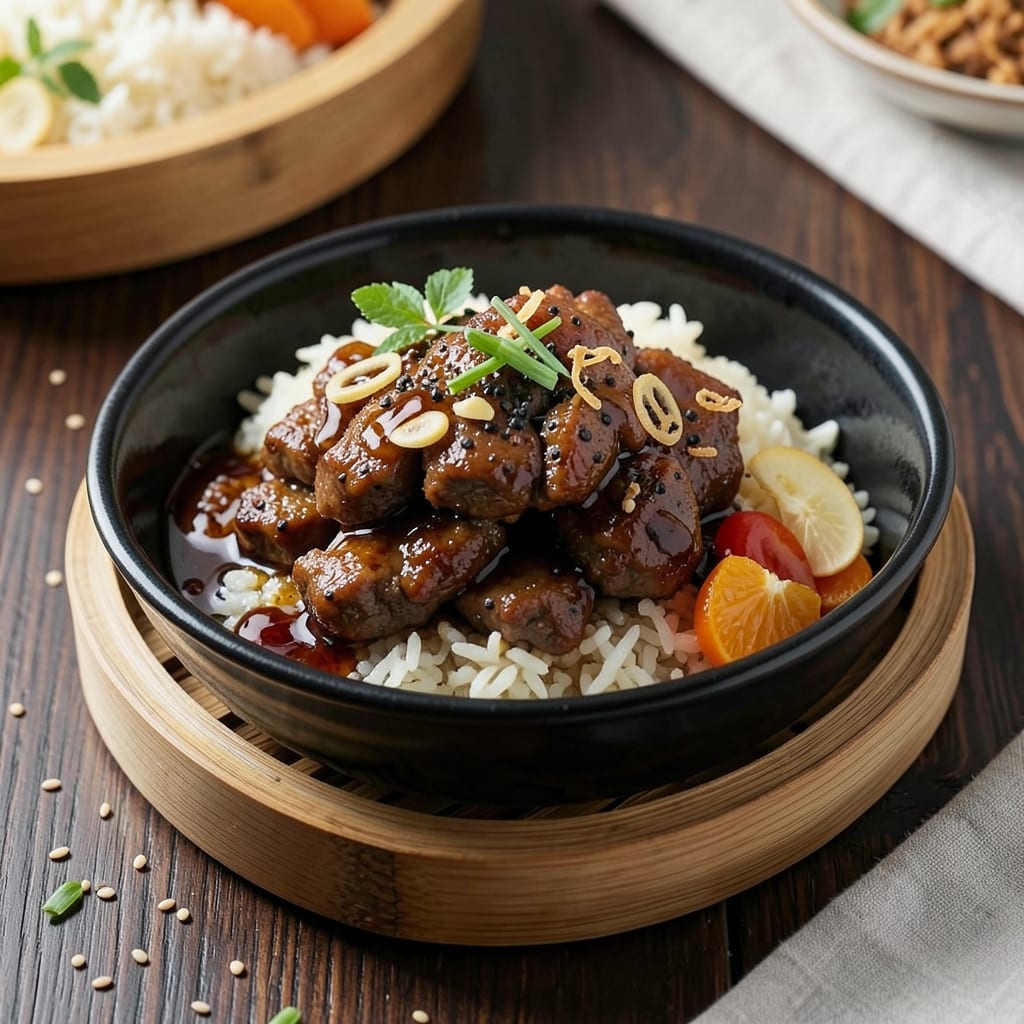
This Asian style ground beef recipe delivers restaurant-quality flavor with just 15 minutes of active prep—no takeout required. The secret lies in wok-searing the beef until caramelized, then balancing it with a umami-packed sauce that transforms simple ingredients into a dish bursting with depth. I developed this version after years of testing different Asian beef techniques, and it consistently delivers that perfect harmony of smoky, sweet, and savory notes.
The method starts with high-heat searing to develop the wok hei (breath of the wok) flavor, then finishes with a silky sauce made from soy sauce, ginger, garlic, and a touch of honey. This approach ensures the beef stays tender while developing a caramelized crust that adds texture. The dish pairs perfectly with steamed jasmine rice, which soaks up every last drop of that flavorful sauce.
What you end up with is a foolproof dish that's rich, aromatic, and packed with layers of flavor—no complicated techniques required. The beef becomes tender yet slightly crispy at the edges, while the sauce clings perfectly to each bite. This recipe serves as a versatile foundation for weeknight dinners or meal prep, scaling easily for larger gatherings.
Serve it over rice or with steamed vegetables for a complete meal. The best part? Every bite delivers that perfect balance of umami, sweetness, and smoky depth that makes Asian-style beef so irresistible. Let's get cooking!
Ingredients for asian style ground beef
Foolproof ingredients that transform into restaurant-quality wok-seared beef with silky rice
| Ingredient | Amount | Notes |
|---|---|---|
| Ground Beef (80/20 fat ratio) 🥩 | 1 ½ lb | Freshly ground, not pre-seasoned |
| Low-Sodium Soy Sauce 🍶 | ⅓ cup | For deeper umami flavor |
| Honey 🍯 | 2 tbsp | Light, smooth variety preferred |
| Fresh Ginger 🌿 | 2 tbsp | Finely grated, aromatic |
| Garlic Cloves 🧄 | 6 cloves | Minced, fresh preferred |
| Sesame Oil 🫒 | 1 tbsp | Toasted, for nutty aroma |
| Rice Vinegar 🍶 | 1 ½ tbsp | White or seasoned variety |
| Cornstarch 🌾 | 1 tbsp | For sauce thickening |
| Vegetable Oil 🫒 | 2 tbsp | High smoke point preferred |
| Green Onions 🧅 | ¼ cup | Sliced, for garnish |
| Sesame Seeds 🌾 | 1 tsp | Toasted, for crunch |
| Red Pepper Flakes 🌶️ | ½ tsp | Adjust for heat preference |
| Salt 🧂 | 1 tsp | Kosher or sea salt |
| Black Pepper 🌶️ | ½ tsp | Freshly cracked preferred |
| Jasmine Rice 🍚 | 2 cups | Uncooked, long-grain |
The ground beef is non-negotiable here—80/20 fat ratio gives you that caramelized crust and tender bite. Trader Joe's or Costco usually have it pre-ground, but if you're buying a block, ask the butcher to grind it fresh. That wok hei flavor comes from high-heat searing, so don't skip the oil—vegetable or avocado oil works best for high smoke points. The soy sauce should be low-sodium (or reduce the amount if using regular), because we're balancing flavors here—not drowning them. Honey adds that perfect sweet-savory contrast, but if you're avoiding it, maple syrup works too. For the ginger and garlic, fresh is non-negotiable—dried just won't cut it. Look for bright, firm ginger root and plump garlic cloves at the store, and grate the ginger right before cooking to preserve its punch.
No sesame oil? Toasted peanut oil or even a splash of toasted sesame paste (like tahini) works in a pinch, though the flavor will be subtly different. Rice vinegar can be swapped for apple cider vinegar if that's what you've got, but the milder flavor of rice vinegar keeps the dish balanced. Want more heat? Double the red pepper flakes or add a dash of Sriracha at the end. The cornstarch slurry is key for that silky sauce—don't skip it. If you're meal prepping, make the sauce first and store it separately, then toss it with the beef right before serving. For the rice, jasmine rice is ideal, but any long-grain white rice will do. Day-old rice works even better for this dish—it soaks up the sauce like a dream.
This dish reheats beautifully—microwave 2 minutes with a splash of water to revive the sauce. Store the beef and sauce separately in the fridge for up to 4 days, or freeze for 3 months. The rice keeps for 3 days in the fridge, but honestly, it's better reheated the next day—all those flavors meld together perfectly. For extra crunch, toast the sesame seeds in a dry pan for 30 seconds before adding them to the dish. Leftovers make amazing rice bowls—just add some steamed veggies or a fried egg on top.
Why You'll Love This Recipe
- One-Pan Magic: That 80/20 beef browns so fast you’ll forget to set a timer—just dump everything in one skillet, stir, and walk away. Honestly, I’ve made it while scrolling through my phone and still nailed that caramelized crust.
- Sweet-Savory Balance: The honey and soy sauce marry in a way that’s ridiculously addictive—like a grown-up version of your favorite takeout order. Fresh ginger and garlic turn it from "dinner" to "I’ll have seconds" in one bite.
- Lunchbox Hero: Pack it cold in rice bowls or warm in thermoses—this holds up for days without getting soggy. My kids actually ask for leftovers, and I’ve sent it to work for lunch meetings (no one guessed it was beef).
- Budget Stretch: A pound of 80/20 beef goes further than you’d think, especially when you bulk it up with rice or noodles. Between us, this is how I feed a family of four for under $10—no compromises on flavor.
Step-by-step instructions for Asian style ground beef with jasmine rice
This recipe delivers restaurant-quality wok-seared beef with a silky-sweet sauce in under 30 minutes.
Cook the Jasmine Rice to Fluffy Perfection
Rinse the 2 cups jasmine rice thoroughly under cold water until the water runs clear—this removes excess starch and prevents gummy rice. Drain well and transfer to a pot with 4 cups water (double the rice amount). Bring to a boil, then reduce heat to low, cover, and simmer for 15 minutes. Turn off heat and let it steam for 10 minutes without lifting the lid. This resting period is crucial—it allows the rice to absorb moisture evenly and develop that signature silky texture.
While the rice cooks, prepare the beef mixture. In a small bowl, whisk together the 0.33 cup low-sodium soy sauce, 2 tbsp honey, 2 tbsp finely grated fresh ginger, 6 minced garlic cloves, 1.5 tbsp rice vinegar, 0.5 tsp red pepper flakes, 1 tsp salt, and 0.5 tsp black pepper. This marinade-paste will infuse the beef with complex layers of umami, sweetness, and aromatic heat. The ginger and garlic should be finely minced—you want them to dissolve into the sauce rather than remain as distinct pieces.
Wok-Sear the Ground Beef for Maximum Flavor
Heat a large wok or skillet over high heat until smoking hot. Add 2 tbsp vegetable oil and swirl to coat the surface evenly. Working quickly, add the 1.5 lb ground beef (80/20 fat ratio) and break it apart with a wooden spoon or spatula. Let it sear undisturbed for 2-3 minutes—this creates a deep, caramelized crust that locks in juices and builds intense flavor. The beef should release its fat naturally, creating a sizzling, aromatic cloud in the pan.
Once the beef is about 80% cooked (it should still have some pink centers), pour in the prepared marinade mixture. Stir vigorously for 1-2 minutes until the sauce begins to thicken and coat the beef evenly. The high heat and constant stirring prevent the sauce from breaking, while the cornstarch (which you'll add next) will help achieve that signature glossy finish. If the sauce looks too thin, resist the urge to add more liquid—let it reduce naturally on the stovetop.
Thicken the Sauce and Finish the Dish
Reduce heat to medium-high and sprinkle in the 1 tbsp cornstarch, stirring constantly for 1-2 minutes until the sauce thickens to a glossy, lacquer-like consistency. It should coat the back of a spoon and cling beautifully to the beef strands. Add 1 tbsp sesame oil and toss everything together for another 30 seconds—this adds that nutty, aromatic depth that defines Asian-style dishes. Taste and adjust seasoning if needed, though the marinade should already be perfectly balanced.
Remove from heat and stir in the 0.25 cup sliced green onions and 1 tsp toasted sesame seeds. These final garnishes add freshness and texture contrast—the bright green onions cut through the richness, while the sesame seeds provide a satisfying crunch. Serve the beef immediately over the fluffy jasmine rice, letting each person spoon the beef and sauce onto their portion for maximum flavor distribution. The contrast of silky rice and wok-seared beef makes every bite unforgettable!
Rest and Serve for Optimal Texture
Let the beef rest for 2-3 minutes before serving—this allows the sauce to fully set and the flavors to meld. The rice should be served hot but not steaming, as it continues to release moisture and soften slightly. For an extra touch, drizzle a little extra sesame oil over the top table or sprinkle additional sesame seeds for garnish. This dish tastes even better the next day, as the flavors deepen and the textures become more pronounced.
Pair with steamed bok choy or a simple cucumber salad to balance the richness. The key to this recipe lies in the high heat searing and proper sauce thickening—don't rush either step. The result is a dish that's bold, balanced, and bursting with authentic Asian flavors, all while being simple enough for weeknight cooking.
Pro Tips For Making Asian Style Ground Beef
- BREAK THE GINGER FIRST: I learned this the hard way—peeling ginger before grating it just makes a mess. Skip the peeling and use a microplane or fine grater directly on the whole knob. The skin’s fiber adds texture, and you’ll get more flavor per bite without the cleanup.
- DON’T DROWN THE BEEF: High heat, low liquid. Start with a screaming-hot pan and let the ground beef sear in batches until deeply browned—no stirring constantly, just let it crisp. Only then add soy sauce, honey, and aromatics. Crowding the pan steams the beef instead of caramelizing it.
- SWEAT THE GARLIC LOW: My grandmother swore by this, and she was right: cook minced garlic in the same pan after the beef is browned, but keep the heat at medium-low. High heat burns garlic faster than you can blink, turning it bitter. A quick 30-second sizzle is all it needs.
- USE THE FAT TO YOUR ADVANTAGE: The 80/20 ratio isn’t just for flavor—it’s for moisture. After browning, scrape up those browned bits (the fond) with a spoon and stir them back into the beef. Those bits pack a punch and keep the dish from drying out when the honey caramelizes.
Perfect pairings for these flavors
Side Dish Harmony
Steamed jasmine rice is the classic base, but don't underestimate simple bok choy—blanch it for 2 minutes in boiling water, then shock in ice water for crisp-tender texture. The slight bitterness balances the beef's richness perfectly. For extra flair, toss with 1 tsp toasted sesame oil and a pinch of salt. 🥬
Try quick-pickled cucumbers for freshness: thinly slice 1 English cucumber, toss with 2 tbsp rice vinegar, 1 tsp sugar, and ½ tsp salt. Let sit for 15 minutes—this adds a tangy crunch that cuts through the dish's richness. I often make a big batch to use on multiple meals.
Sauce Variations
For a spicier kick, stir in 1 tbsp gochujang (Korean fermented chili paste) with the sauce—it adds depth and heat. If you love sweetness, swap the honey for 1 tbsp brown sugar and add ½ tsp cinnamon for warmth. Both versions keep the dish balanced while adding exciting new layers. 🌶️
Need a softer sauce? Replace the cornstarch with 1 tbsp arrowroot powder—it creates a silkier finish without altering the flavor. For extra umami, add 1 tsp fish sauce (like Red Boat) to the marinade, but taste first—it's potent!
Beverage Pairings
A jasmine tea (like Big Red Rooster) complements the dish beautifully—its floral notes mirror the rice while cleansing your palate. For something stronger, try a light lager like Asahi or Sapporo—the crispness contrasts the beef's richness. Avoid heavy beers or red wine, which can overpower the delicate flavors. 🍺
For non-alcoholic options, sparkling yuzu soda (like Suntory) adds a refreshing citrus note that pairs surprisingly well. Or keep it simple with iced green tea—its grassy undertones enhance the dish's aromatic profile. Both options refresh without competing with the beef's bold flavors.
Garnish Finishes
Fresh cilantro adds a bright, herbaceous finish—chop ¼ cup and sprinkle on top just before serving. For a smoky touch, add ½ tsp smoked paprika to the sauce or dust with toasted cumin seeds (toast 1 tsp in a dry pan for 30 seconds). These tiny additions elevate the dish to restaurant quality. ✨
For a crunchy contrast, top with crushed peanuts (toast 2 tbsp in a dry pan until fragrant). Or try crispy shallots—sauté 3 thinly sliced shallots in 1 tbsp butter until golden, then sprinkle on top. Both add texture that makes every bite more satisfying.
Nutrition facts
Frequently asked questions
Can I use lean ground beef instead of 80/20?
While it's possible, I recommend sticking with 80/20 fat ratio for the best results. The higher fat content creates that signature caramelized crust and keeps the beef juicy during high-heat searing. If you must use leaner beef, add 1 extra tablespoon of oil to the pan and cook it 1-2 minutes longer to compensate for the lower fat content. The texture will be slightly less rich but still delicious.
How do I make this dish spicier?
Start by doubling the red pepper flakes in the marinade, then add 1-2 teaspoons of gochujang (Korean chili paste) or ½ teaspoon of cayenne pepper to the sauce. For extra heat, finish with a dash of Sriracha or chili crisp before serving. Always taste as you go—build the heat gradually to avoid overpowering the dish's balanced flavors.
Can I cook this in a regular skillet instead of a wok?
While a wok gives you that classic wok hei flavor, a large cast-iron skillet or heavy-bottomed pan works perfectly. The key is using high heat and keeping the beef in one layer—don't overcrowd the pan. If your skillet isn't wide enough, cook the beef in two batches, then combine with the sauce. The flavor won't suffer, just the presentation might be slightly different.
What's the best way to reheat leftovers?
Reheat in a skillet over medium heat with 1 tablespoon of water or broth to revive the sauce and prevent drying. Stir frequently for 2-3 minutes until warmed through. For microwave reheating, cover with a damp paper towel and heat for 1-2 minutes at 50% power. The beef tastes even better the next day as the flavors meld together—just add a splash of sesame oil or water to loosen the sauce if needed.
Can I substitute honey with something else?
Yes! For a vegan option, use maple syrup or agave nectar in equal amounts. If you prefer a less sweet sauce, swap the honey for 1 tablespoon of brown sugar or white sugar. For a fruitier note, try ½ cup of pineapple juice (reduced by half) or 1 tablespoon of hoisin sauce—both add depth while keeping the dish balanced. Always taste before adding more sweetener.