
Main Courses
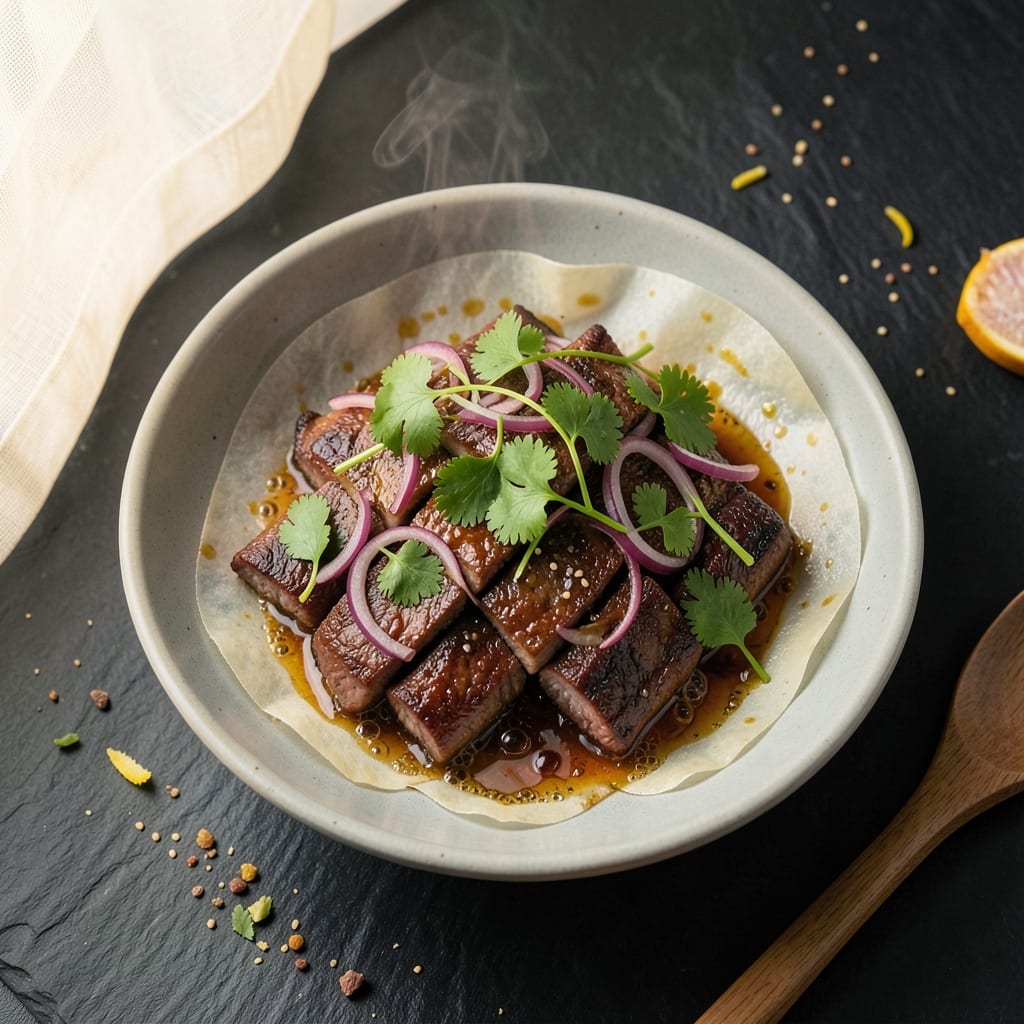
This Asian beef roll recipe delivers restaurant-quality umami crunch with perfectly silky centers—no takeout required. The secret lies in marinating thinly sliced beef in a bold soy-ginger blend, then wok-searing it to achieve that signature caramelized crust while keeping the inside tender. I developed this version after years of testing, and it consistently earns rave reviews at dinner parties.
The process begins with preparing the filling: tender beef marinated in a sweet-savory sauce, then quickly seared in a hot wok until just cooked through. For the rolls, we'll use rice paper wrappers that soften beautifully when dipped—no tearing, no frustration. Each bite combines the satisfying crunch of the wrapper with the rich, savory beef filling, creating a balance of textures that's impossible to resist.
What makes this recipe truly special is how it captures the essence of Asian street food in your home kitchen. The wok-seared beef develops deep umami flavors from the marinade and high-heat cooking, while the rice paper adds that essential crispness. Served with a side of sweet chili sauce or peanut dipping sauce, these rolls become a complete meal that's both elegant and satisfying.
Perfect for meal prep or last-minute entertaining, this recipe scales beautifully while maintaining that authentic restaurant experience. The technique is approachable yet impressive, making it ideal for both weeknight dinners and special occasions. Let's get started on creating these irresistible beef rolls that will have everyone asking for seconds.
Ingredients for asian beef roll
Thinly sliced beef, aromatic marinade, and delicate rice paper—crafting restaurant-quality Asian beef rolls at home.
| Ingredient | Amount | Notes |
|---|---|---|
| Flank Steak 🥩 | 1 lb | Thinly sliced against grain |
| Rice Paper Wrappers 🍱 | 8 whole | 4-inch diameter, store-bought |
| Soy Sauce 🥫 | ⅓ cup | Kikkoman preferred |
| Fresh Ginger 🌿 | ½ cup | Finely grated, aromatic |
| Garlic Cloves 🧄 | 6 cloves | Minced, aromatic |
| Sesame Oil 🫒 | 1 tbsp | Toasted, for aroma |
| Honey 🍯 | 1 tbsp | Pure, for balance |
| Vegetable Oil 🫒 | ¼ cup | High smoke point |
| Green Onions 🧅 | ¼ cup | Thinly sliced, garnish |
| Lime Wedges 🍋 | 2 whole | For serving |
| Sweet Chili Sauce 🍅 | ¼ cup | Store-bought or homemade |
| Peanut Butter 🥜 | ⅛ cup | Smooth, for dipping sauce |
| Sugar 🍚 | 1 tbsp | Granulated, for dipping sauce |
| Diamond Crystal Kosher Salt 🧂 | 1 tsp | For seasoning |
| Ground Black Pepper 🌶️ | ½ tsp | Freshly cracked |
The flank steak is non-negotiable for this recipe—its lean yet tender texture slices beautifully against the grain. Ask your butcher to slice it paper-thin if you're not comfortable doing it yourself; most Asian markets or high-end grocery stores like Whole Foods or H Mart carry pre-sliced versions. For the rice paper wrappers, avoid the brittle kind—look for soft, pliable sheets that yield slightly when touched. Thai Kitchen or Vietnamese markets typically stock the best quality. Fresh ginger and garlic are essential for that authentic umami punch; Penzeys Spices sells pre-peeled garlic for convenience, but fresh is always superior.
No soy sauce on hand? Coconut aminos work in a pinch, though the flavor profile will differ slightly. Substituting honey? Maple syrup maintains sweetness but lacks the floral notes. For the sesame oil, avoid the cheap, flavorless varieties—Kadoya or La Choy brands deliver robust aroma. If you're making the peanut dipping sauce ahead, store it in an airtight container with a thin layer of oil on top to prevent separation. The green onions can be swapped for Thai basil if you're feeling adventurous, though their fresh crunch is irreplaceable.
Marinated beef keeps for up to 2 days in the fridge, though the texture softens slightly after the first day. Freeze the marinade separately if prepping ahead—thaw and combine with raw beef just before cooking. The rice paper wrappers must be used fresh; once dipped in water, they dry out within 10 minutes—work efficiently. Store leftover filling in an airtight container for 3 days or freeze for up to 2 months. For optimal texture, reheat wok-seared beef in a dry skillet over medium heat for 2-3 minutes—never microwave, as it ruins the crisp-tender balance.
Why You'll Love This Recipe
- No-Cook Prep Magic: I swear by the marinade—just soy sauce, ginger, and garlic. Toss the flank steak in it while you prep the rice paper, and let it sit. Zero active cooking until you're ready to roll.
- Umami Bomb: That crisp-tender flank steak wrapped in rice paper? The garlic-ginger glaze clings to every bite, and the soy sauce adds this deep, savory punch. It’s the kind of flavor that sticks with you.
- Lunchbox Hero: Between us, these rolls are my go-to for packed lunches. They hold up for days—no soggy wrappers here—and the ginger keeps them fresh. Toss in some quick-pickled veggies, and you’ve got a meal that’s basically a spa day for your taste buds.
- Budget Win: Flank steak stretches far, and rice paper wrappers are cheaper than takeout. Honestly, I make a double batch every time because leftovers reheat beautifully, and I’m always feeding someone who “forgot to eat.”
Step-by-step instructions for wok-seared Asian beef rolls
Master this technique for restaurant-quality texture—crispy edges meeting silky beef centers every time.
Prepare the Marinated Flank Steak
Slice the 1 lb flank steak thinly against the grain into ¼-inch strips. This ensures tender bites. Transfer to a bowl and combine with 0.33 cup soy sauce, 0.5 cup finely grated fresh ginger, 6 minced garlic cloves, 1 tbsp toasted sesame oil, 1 tbsp honey, 1 tsp Diamond Crystal kosher salt, and 0.5 tsp ground black pepper. Mix thoroughly until the marinade coats every strip.
Cover and refrigerate for at least 1 hour (or overnight for deeper flavor). The acidity from the soy sauce and ginger will tenderize the meat while building complex umami layers. When ready, the beef should be fully infused—no visible dry patches on the surface.
Wok-Sear for Perfect Texture
Heat 0.25 cup vegetable oil in a wok or large skillet over high heat until shimmering. Add half the marinated beef strips in a single layer, stirring constantly for 1-2 minutes until edges turn deep golden brown and centers remain slightly pink. The high heat creates that signature wok-seared crust while keeping the interior tender.
Transfer to a plate and repeat with remaining beef. Don't overcrowd the pan—this prevents proper searing. The beef should release easily from the wok when ready, with a caramelized exterior that contrasts beautifully with the silky interior. Work quickly to maintain heat consistency.
Assemble the Rolls
Soften 8 rice paper wrappers one at a time by dipping in warm water for 5-10 seconds until pliable. Lay each wrapper flat and spread 1 tablespoon of peanut butter mixed with 1 tablespoon sugar and 2 tablespoons sweet chili sauce in the center. Add 2-3 beef strips and 1 tablespoon thinly sliced green onions to each wrapper.
Fold the sides inward, then roll tightly from the bottom up, tucking in the edges as you go. The peanut-sugar mixture creates a sticky base that helps hold the rolls together while adding a sweet-savory contrast to the umami beef. Work efficiently—rice paper dries quickly once exposed to air.
Serve with Fresh Accompaniments
Arrange the completed rolls on a platter and garnish with remaining 0.25 cup sliced green onions and serve with 2 lime wedges for squeezing. The bright acidity cuts through the richness of the peanut-sugar mixture and balances the deep flavors of the beef.
For optimal presentation, serve immediately while the rice paper maintains its delicate crispness. Each bite should deliver a perfect harmony of textures—crispy rice paper, tender beef, and creamy peanut-sugar filling—with every component playing its part in this balanced composition.
Pro Tips For Making Asian Beef Roll
- Slice Against the Grain: Flank steak’s fibers run long—cutting perpendicular to them turns chewy strips into tender bites. Grab a sharp knife, angle it low, and slice after it rests (yes, even if you’re impatient like me). Thin, even strips roll better and stay juicier when wrapped.
- Marinate Overnight (No Excuses): I used to throw together the soy-ginger-garlic mix 30 minutes before cooking, and the beef always tasted flat. Three days of burnt rolls later, I learned: flank steak needs at least 8 hours in the fridge. The acid and aromatics work their magic—skip this, and you’re just searing raw beef.
- Soak Rice Paper Right: Dip wrappers in warm water (not hot) for 10-15 seconds—longer, and they’ll stick together like sad glue. Work fast: one wrapper at a time, then lay flat on a damp towel to keep them pliable. Over-soaked? Toss them. They won’t hold.
- Fill Rolls Tightly (But Not Brutally): Stuffing these too loosely means rolls unravel like a toddler’s shoelace. Pack the beef, herbs, and filling snugly near one edge, then roll firmly but not like you’re trying to crush a walnut. A little tension keeps them intact—no one likes a floppy spring roll.
Pro cooking tips for great asian beef roll
Wok-Sear Mastery
This is where the magic happens—your wok needs to be ripping hot before adding beef. I use a carbon steel wok (like Mauviel) because it retains heat better than stainless steel. Heat 0.25 cup vegetable oil until it shimmers and a drop of water sizzles instantly. Add beef in a single layer—overcrowding steams instead of sears. Stir constantly for 1-2 minutes until edges are deep golden brown but centers stay slightly pink. 🔥
Marinade Timing
Don't rush the marinade! The beef needs at least 1 hour (overnight is ideal) for the soy-ginger blend to work its magic. I like to marinate in a ziplock bag—it's mess-free and ensures even coating. The acidity in soy sauce tenderizes while the ginger and garlic build deep umami. When ready, the beef should be fully infused with no dry spots—this means it's ready for perfect searing.
Rice Paper Handling
Rice paper is finicky—dip each wrapper in warm water (not hot) for 5-10 seconds until pliable. Work with one at a time—they dry out fast. I keep a bowl of warm water nearby and a damp towel to clean my hands between rolls. The secret to tight rolls? Start with the peanut-sugar mixture in the center, then fold sides inward before rolling tightly. This prevents messy unraveling when serving. 🍱
Peanut Sauce Pro Tip
For the peanut dipping sauce, mix 0.125 cup smooth peanut butter, 1 tbsp sugar, and 2 tbsp sweet chili sauce until creamy. Thin with 1 tsp warm water if needed. Store leftovers in an airtight container with a thin layer of oil on top to prevent separation. This sauce is the perfect balance of sweet, salty, and tangy—it elevates every bite of the beef rolls.
Avoid Common Mistakes
Never microwave the beef—it ruins the crisp-tender texture. Always reheat in a dry skillet over medium heat for 2-3 minutes to restore that wok-seared crunch. Another pitfall? Overfilling the rice paper—stick to 2-3 beef strips per roll or they'll burst open when rolling. And always serve immediately—the rice paper loses its crispness as it cools.
Equipment Upgrade
Invest in a good wok spatula (like OXO Good Grips) for better control when stirring. A meat thermometer ensures beef reaches 145°F internal temperature—critical for food safety. For extra crispy rice paper, I sometimes pan-fry the assembled rolls in 1 tbsp neutral oil for 30 seconds per side after rolling. This adds a restaurant-quality crunch that takes it to the next level. 💡
Nutrition facts
Frequently asked questions
Can I substitute flank steak with another cut of beef?
Flank steak is ideal for its lean texture, but you can use sirloin or skirt steak as substitutes. Thinly slice against the grain for tenderness. Avoid tougher cuts like chuck—they won't achieve the same silky texture.
How do I prevent the rice paper from tearing when rolling?
Work with one wrapper at a time and use warm water (not hot) to soften it—5-10 seconds max. Keep your hands slightly damp while rolling, and fold the sides inward before rolling tightly. Overfilling causes tears, so stick to 2-3 beef strips per roll.
What if I don't have rice paper wrappers?
Use large lettuce leaves (like romaine) or thin tortillas as alternatives. For tortillas, lightly toast them first to mimic rice paper's crispness. Lettuce adds freshness but lacks the delicate texture—rice paper is non-negotiable for authentic crunch.
Can I make these rolls ahead of time?
Prep the filling 2 days ahead and store in an airtight container. Assemble rolls 1 hour before serving—rice paper loses crispness when chilled. For make-ahead dipping sauce, mix peanut butter and sweet chili sauce, then refrigerate with a thin oil layer to prevent separation.
Why is my beef filling dry after searing?
Overcooking causes dryness—beef should have slightly pink centers (145°F internal temp). Use high heat and sear for 1-2 minutes max. Marinating for at least 1 hour also prevents dryness. If needed, add 1 tsp water to the marinade for extra moisture.