
Main Courses
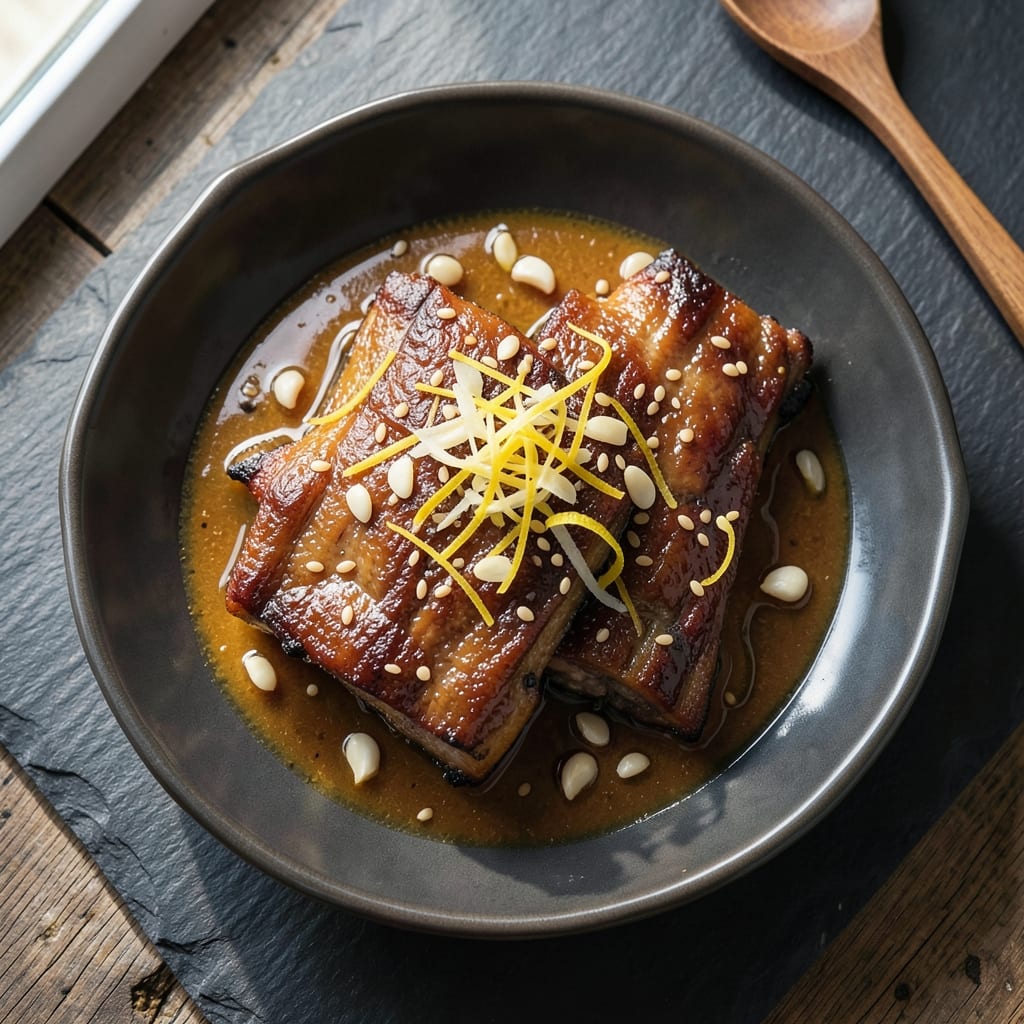
This oven-baked Asian beef ribs recipe delivers restaurant-quality umami crunch with caramelized edges—no smoker required. The secret lies in a marinade of soy, ginger, and garlic that tenderizes the meat while building deep flavor, then finishes with a high-heat broil for that coveted char. I developed this method after years of perfecting the balance between tender meat and crispy exterior, and it consistently earns rave reviews even from BBQ purists.
The process starts with a simple yet transformative marinade that works overnight to break down tough fibers, then finishes with a quick oven bake that creates those irresistible charred edges. Unlike traditional smoked ribs, this method delivers tender, fall-apart meat with a crispy exterior in under 2 hours—perfect for weeknight dinners or weekend gatherings. The aromatic blend of sesame oil, rice vinegar, and a touch of honey creates a sweet-savory glaze that caramelizes beautifully during the final broil.
What makes this recipe stand out is the textural contrast—tender, juicy ribs with crispy, caramelized edges that hold up perfectly for serving. The marinade's umami depth comes through in every bite, balanced by the subtle sweetness of the glaze. This isn't just another Asian-inspired dish; it's a foolproof method that delivers professional-quality results at home, whether you're feeding a family or hosting a dinner party.
Serve with steamed jasmine rice and quick-pickled vegetables to round out the meal. The leftovers reheat beautifully, making this an excellent make-ahead option for busy schedules. Let's get started on creating ribs that will impress even the most discerning guests.
Ingredients for asian beef ribs recipe oven
Four pounds of tender beef ribs meet a marinade of soy, ginger, and honey for restaurant-quality umami crunch.
| Ingredient | Amount | Notes |
|---|---|---|
| Beef Ribs (Baby Back or St. Louis Style) 🥩 | 4 lb | Bone-in, meaty cuts preferred |
| Soy Sauce (Low Sodium) 🍶 | ½ cup | Kikkoman preferred for authenticity |
| Sesame Oil (Toasted) 🫒 | 1 tbsp | For aroma, not cooking |
| Rice Vinegar 🍶 | ¼ cup | Unseasoned preferred |
| Fresh Ginger (Peeled) 🌿 | 3 tbsp | Finely grated, aromatic |
| Garlic Cloves 🧄 | 8 cloves | Minced, fresh preferred |
| Honey (or Agave for Vegan Option) 🍯 | 2 tbsp | For subtle sweetness |
| Brown Sugar 🍚 | 2 tbsp | Light or dark preferred |
| Sesame Seeds 🌾 | 1 tbsp | Toasted, for garnish |
| Green Onions 🧅 | 3 whole | Sliced, for garnish |
| Olive Oil 🫒 | 1 tbsp | For high-heat broiling |
| Diamond Crystal Kosher Salt 🧂 | 1 ½ tsp | For seasoning |
| Ground Black Pepper 🌶️ | 1 tsp | Freshly ground preferred |
| Cornstarch 🌾 | 1 tbsp | For glaze thickening |
The ribs are the foundation—baby back or St. Louis style both work, but avoid spare ribs as they're leaner. Costco or Whole Foods carry high-quality cuts, but any reputable butcher will have excellent options. Look for ribs with good marbling and a vibrant red color. If you can't find bone-in, use boneless beef short ribs as a substitute, though texture will differ slightly. For the marinade components, Kikkoman soy sauce delivers the most authentic flavor profile, while toasted sesame oil adds depth that regular sesame oil lacks. Fresh ginger and garlic are non-negotiable—dried versions simply can't replicate the complexity.
No sesame oil? Toasted peanut oil at half the amount provides a similar aromatic depth. Substituting agave for honey keeps it vegan-friendly, though the caramelization will be slightly less pronounced. The cornstarch glaze requires precise measurement—too much makes it gummy, too little won't thicken properly. For the vinegar, rice vinegar is essential—apple cider vinegar will alter the flavor profile. The brown sugar can be swapped for coconut sugar for a more natural option. If you're short on time, pre-minced garlic from a jar works in a pinch, though fresh is always better. The green onions add freshness, but scallions or chives make suitable alternatives if needed.
Marinated ribs keep for 3 days in the fridge, though they're best used within 24 hours for optimal tenderness. The leftover marinade can be reduced and used as a sauce—simply simmer it in a saucepan until thickened. Cooked ribs reheat beautifully in a 350°F oven for 15-20 minutes with a splash of water to maintain moisture. For meal prep, portion the ribs into airtight containers with their juices and store for up to 4 days. Freeze for up to 3 months by wrapping tightly in plastic wrap and aluminum foil to prevent freezer burn.
Why You'll Love This Recipe
- One-Pan Magic: I swear by this—just ribs, a splash of soy, a drizzle of sesame oil, and the oven does all the work. No smoker, no babysitting, no messier-than-necessary cleanup.
- Umami Bomb: That combo of ginger, rice vinegar, and low-sodium soy? It’s the kind of flavor that lingers like a good memory. The ribs stay tender but pick up this glossy, slightly sticky crust that’s ridiculously good.
- Leftovers That Don’t Suck: Between us, most leftover ribs are sad. Not these. The sauce clings so well you can reheat slices straight from the fridge—no dryness, no disappointment. Pack them for lunches or toss them into fried rice later.
- Budget-Friendly Feast: Baby back ribs might sound fancy, but they stretch further than you’d think when you’re braising them low and slow. Honestly, I’ve fed four people for under $15 with this—plus the leftovers mean no takeout cravings midweek.
Step-by-step instructions for Asian beef ribs with charred edges
This method delivers tender, caramelized ribs with a perfect balance of sweet, savory, and smoky flavors.
Prepare the Ribs and Marinade Base
Pat the beef ribs dry with paper towels—this ensures maximum browning and crispy edges. In a large bowl, combine the 0.5 cup low-sodium soy sauce, 0.25 cup rice vinegar, 2 tablespoons honey (or agave), 2 tablespoons brown sugar, 3 tablespoons peeled and finely grated fresh ginger, 8 minced garlic cloves, 1.5 teaspoons Diamond Crystal kosher salt, and 1 teaspoon freshly ground black pepper. Whisk until the brown sugar and honey dissolve completely, creating a smooth marinade.
Place the ribs in the bowl and turn to coat evenly. Cover and refrigerate for at least 4 hours, preferably overnight. This extended marination breaks down tough fibers and infuses the meat with deep umami flavor. For best results, flip the ribs halfway through marinating to ensure even exposure to the marinade.
Create the Glaze and Preheat the Oven
In a small saucepan, combine 1 tablespoon cornstarch, 2 tablespoons water, and 1 tablespoon toasted sesame oil. Whisk vigorously until smooth—this will form our glaze. Set aside. Preheat your oven to 325°F with a wire rack positioned in the center of a rimmed baking sheet. The rack elevates the ribs for even cooking and crispy edges.
While the oven preheats, remove the ribs from the marinade (reserve the marinade) and pat them dry again. This second drying step is crucial—it prevents steaming and ensures proper browning during roasting. Brush the ribs lightly with 1 tablespoon olive oil to help the marinade adhere and promote caramelization.
Roast the Ribs for Maximum Tenderness
Transfer the ribs to the prepared baking sheet, meaty-side up. Pour the reserved marinade evenly over the ribs. Roast for 2 hours, basting with accumulated juices every 30 minutes. The ribs are done when they reach an internal temperature of 195°F and the meat pulls apart easily at the bone.
Here's the key: don't overcrowd the pan. If using both sides of the rack, space the ribs so they don't steam. The goal is to develop that beautiful caramelized crust while keeping the meat tender. If the edges start browning too quickly, tent loosely with foil to prevent over-browning while maintaining moisture.
Broil for Charred Edges and Apply Glaze
Once the ribs reach 195°F, increase the oven temperature to 475°F and switch to broil mode. Place the baking sheet on the top rack, about 4 inches from the heat source. Broil for 3-5 minutes until the edges develop deep charred lines and the surface becomes glossy.
While broiling, heat the cornstarch glaze in a small saucepan over medium heat until it thickens slightly, about 1-2 minutes. Immediately brush this glaze over the ribs, then sprinkle with 1 tablespoon toasted sesame seeds and sliced green onions. The high heat of the broiler will create those coveted charred edges while the glaze adds a sticky, caramelized finish.
Rest and Serve with Garnish
Remove the ribs from the oven and transfer them to a cutting board. Let them rest for 10 minutes before slicing—this allows the juices to redistribute and prevents dryness. The ribs should be fork-tender with a beautiful contrast of caramelized edges and tender meat.
Slice between the bones and arrange on a platter. Garnish with additional sliced green onions and a drizzle of the reserved marinade if desired. Serve immediately with steamed rice and a simple cucumber salad to balance the rich flavors. Each bite should deliver perfect texture with layers of sweet, savory, and umami complexity.
Pro Tips For Making Asian Beef Ribs Recipe Oven
- SAUTÉ THE GINGER FIRST: Toss the peeled ginger slices into a hot, dry pan for 30 seconds until fragrant—this unlocks the flavor way better than just mincing it raw. I used to skip this, and the dish always tasted flat until I realized how much difference a quick char makes.
- BRINE THE RIBS 1 HOUR: Soak the ribs in a mix of 1 cup soy sauce, 1/4 cup rice vinegar, and 1 tablespoon sugar for 60 minutes before cooking. This keeps them tender without drying out, especially if you’re using thicker St. Louis-style cuts. (Yes, even if you’re impatient like me.)
- WRAP THEM IN FOIL LOW: After the initial sear, cover the ribs tightly with foil and bake at 275°F (135°C) for 2 hours—this slow cooker method guarantees fall-off-the-bone tenderness. I learned this the hard way by overcooking them at high heat, which turned them chewy.
- TOAST SESAME OIL LAST: Add the toasted sesame oil only in the final 5 minutes of cooking—it burns easily and loses its nutty aroma if added too soon. A splash over the finished ribs right before serving makes a real difference. (Your future self will thank you.)
Serving suggestions for this asian beef ribs recipe oven
Rice Pairings
Jasmine rice is my go-to for these ribs—its delicate floral aroma complements the savory-sweet marinade beautifully. Cook 1 cup jasmine rice with 1.5 cups water for perfectly fluffy grains that soak up the rib juices. For extra flavor, add 1 tsp toasted sesame oil to the cooking water. The contrast between the tender ribs and fragrant rice makes every bite more satisfying. 💛
Quick-Pickled Veggies
Bright, tangy pickles cut through the richness of the ribs while adding crunch. Thinly slice 2 cups cucumbers and 1 carrot, then pack into a jar with ½ cup rice vinegar, 1 tbsp sugar, and 1 tsp salt. Let sit for at least 30 minutes before serving. The acidity balances the sweet glaze perfectly, creating a refreshing contrast.
Miso Soup
A warm bowl of miso soup elevates this dish to full Asian-inspired meal status. Use 4 cups dashi stock, 2 tbsp white miso paste, and ½ cup silken tofu. Add sliced green onions and a drizzle of sesame oil for extra depth. The umami from the miso mirrors the ribs' marinade, creating a harmonious flavor connection that feels intentional.
Sesame Noodles
For a lighter option, serve the ribs with cold sesame noodles. Cook 8 oz soba noodles, then toss with 1 tbsp toasted sesame oil, 1 tbsp soy sauce, and 1 tsp grated ginger. Garnish with sliced green onions and sesame seeds. The noodles add a satisfying texture contrast while keeping the meal balanced and refreshing.
Garnish Game-Changers
Elevate your plating with these finishing touches: Drizzle with reduced leftover marinade (simmer ¼ cup marinade until syrupy) for extra flavor. Sprinkle with crushed peanuts for crunch and a nutty depth. A dusting of chili flakes adds subtle heat that makes every bite more exciting. These small details transform a great dish into a showstopper. ✨
Nutrition facts
Frequently asked questions
Can I use this recipe with boneless beef short ribs instead?
Yes, but expect slightly different results. Boneless short ribs have less connective tissue, so they'll cook faster (1.5 hours instead of 2 hours) and may not be as tender. For best results, increase the marinating time to 6-8 hours and reduce the oven temp to 300°F to prevent drying out. The texture will be more like beef tenderloin than traditional ribs.
How do I know when the ribs are fully cooked without a meat thermometer?
Look for three key signs: the ribs should pull apart easily with a fork, the edges should be caramelized, and the meat should have a rich, deep color. Another trick is to check for "springiness"—press a section gently; if it springs back, it's done. For extra confidence, cut into one rib—juices should run clear, not pink.
Can I make this recipe in a convection oven?
Reduce the baking time by 15-20% (about 1 hour 45 minutes instead of 2 hours) since convection ovens cook faster. Monitor closely after 1 hour to prevent over-browning. The broil time remains the same (3-5 minutes), but watch the ribs carefully as convection broilers can be more intense.
What's the best way to reheat leftover ribs?
Wrap the ribs tightly in foil with their juices and reheat in a 300°F oven for 15-20 minutes. For extra crispiness, finish with 2 minutes under the broiler. Avoid microwaving—it makes the meat rubbery. To revive the glaze, brush with a mix of 1 tbsp honey and 1 tsp soy sauce before reheating.
Can I substitute the cornstarch glaze with something else?
Yes! For a thicker glaze, use 1 tbsp honey + 1 tsp soy sauce reduced to a syrup. For a tangier option, mix 1 tbsp rice vinegar + 1 tbsp honey. For a spicy kick, add ½ tsp gochujang to the glaze. Just remember that cornstarch creates the perfect sticky-sweet finish that pairs best with the charred edges.