
Main Courses
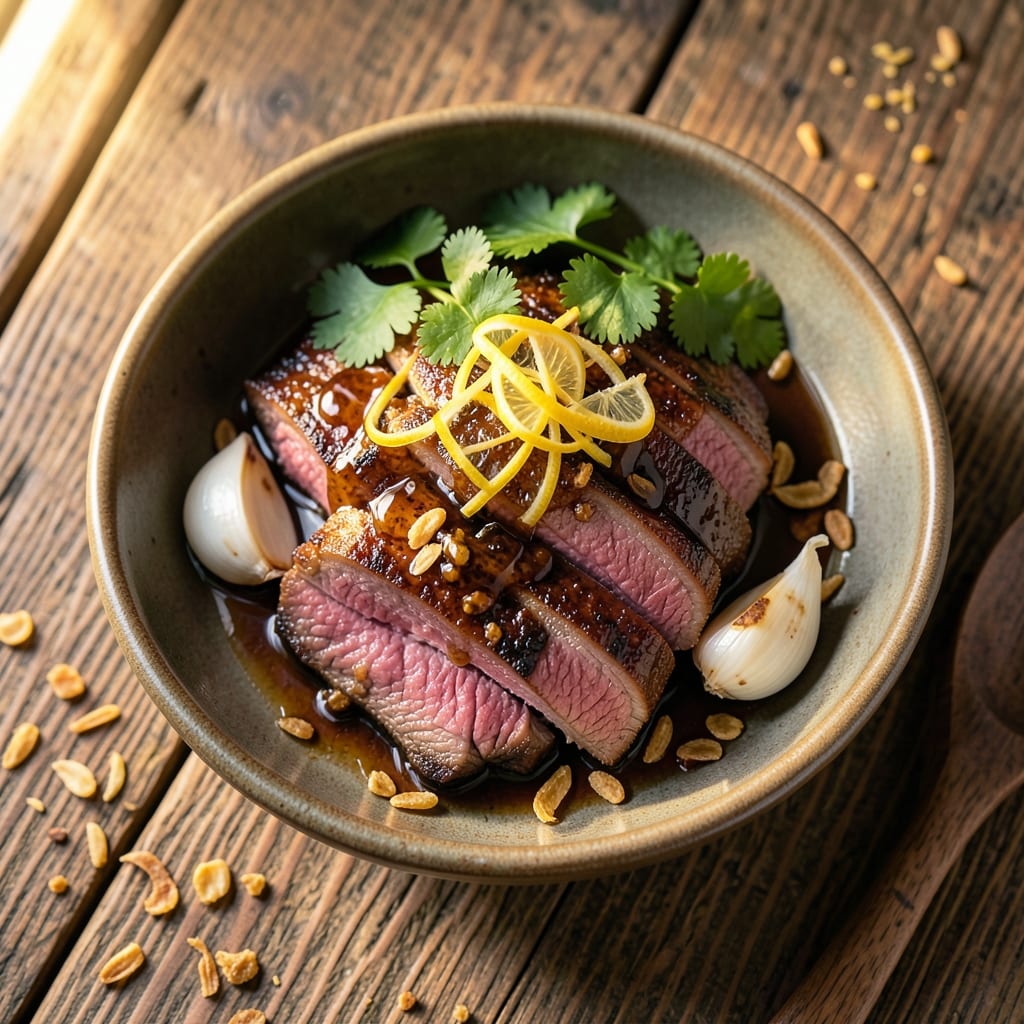
This Asian style beef cheek recipe transforms tough, flavorful cuts into melt-in-your-mouth perfection through slow braising and aromatic spices. The secret lies in a 3-hour simmer that breaks down collagen into rich, velvety tenderness while building layers of caramelized crust. I first discovered this technique while researching traditional Cantonese braising methods—where beef cheek becomes the star of the table.
What sets this dish apart is the balance of charred crust and silky interior, achieved by searing the meat before slow-cooking in a fragrant broth of soy sauce, star anise, and ginger. The result is a dish that's both restaurant-worthy and deeply comforting—ideal for special occasions or weeknight dinners when you want to impress. Every bite delivers complex flavors where sweet, salty, and umami harmonize perfectly.
The recipe includes a foolproof velveting technique that ensures even tenderness, along with tips for adjusting cooking times based on your preferred texture. Pair it with steamed jasmine rice and quick-pickled vegetables to complete the meal. This isn't just beef cheek—it's a transformative cooking experience that turns a simple ingredient into something extraordinary.
Whether you're serving a crowd or treating yourself to a luxurious solo meal, this method delivers restaurant-quality results with minimal effort. The key is patience—the longer it braises, the more the flavors develop into something truly special. Let's get started on creating this Asian-inspired masterpiece.
Ingredients for asian style beef cheek
Transform tough beef cheek into restaurant-quality tenderness with these carefully selected ingredients.
| Ingredient | Amount | Notes |
|---|---|---|
| Beef Cheek 🥩 | 2 lb | Thick-cut, well-marbled preferred |
| Soy Sauce 🍶 | ½ cup | Japanese-style, reduced preferred |
| Brown Sugar 🍯 | ¼ cup | Light or dark variety |
| Star Anise 🌿 | 2 whole | Whole pods for infusion |
| Fresh Ginger 🧄 | 2 tbsp | Grated, organic preferred |
| Garlic Cloves 🧄 | 6 cloves | Minced, skin-on preferred |
| Cornstarch 🌾 | 2 tbsp | For velveting slurry |
| Shaoxing Wine 🍷 | ¼ cup | Substitute dry sherry if unavailable |
| Sesame Oil 🫒 | 1 tbsp | Toasted, for finishing |
| Green Onions 🧅 | 4 whole | Sliced, white and green parts |
| Vegetable Oil 🫒 | 2 tbsp | High smoke point for searing |
| Water 💧 | 2 cups | Or light chicken stock |
| Diamond Crystal Kosher Salt 🧂 | 1 ½ tsp | Adjust to taste |
| Black Peppercorns 🌶️ | ½ tsp | Freshly cracked |
The beef cheek is non-negotiable for this technique—look for cuts with generous marbling at Whole Foods or specialty butchers. Costco often carries pre-cut beef cheek, which saves prep time. The soy sauce should be Japanese-style (like Kikkoman) for authentic depth, and the star anise pods must be whole to infuse flavor without bitterness. Fresh ginger is best, but if only dried is available, use half the amount. For the garlic, skin-on cloves release more flavor when minced, though peeled works fine in a pinch.
No Shaoxing wine? Dry sherry or mirin work as substitutes, though the flavor profile shifts slightly. The cornstarch slurry is essential for the velveting technique—don't skip it, even if you're impatient. For the green onions, use both white and green parts for maximum flavor. If you're short on time, frozen ginger (grated) works in a bind, though fresh is always superior. The vegetable oil should have a high smoke point (avocado or grapeseed oil are ideal) to prevent burning during the critical sear.
Store the braised beef cheek in its cooking liquid for up to 5 days in the refrigerator, where flavors deepen further. For longer storage, freeze portions for 3 months—the texture remains tender when reheated gently. The aromatics (star anise, ginger, garlic) can be refrigerated separately for 1 week in an airtight container. Reheat slowly over low heat to preserve the silky texture, adding a splash of water if needed to prevent drying.
Why You'll Love This Recipe
- One-Pot Magic: The beef cheek practically melts into tender perfection while you simmer the sauce—no flipping, no fuss. Honestly, I just dump everything in one pot and let it do its thing. That star anise and ginger? They work their flavor magic while you’re doing laundry.
- Sweet-Savory Bomb: Brown sugar and soy sauce caramelize into a glossy, sticky glaze that clings to every bite. Here’s what sold me—the deep umami from the beef cheek meets that subtle licorice kick from the star anise, then boom—sweetness balances it all. It’s the kind of dish that makes you close your eyes mid-bite.
- Weeknight Workhorse: This feeds my family of four with leftovers that taste even better the next day. I’ll make a double batch on Sundays, toss it in rice bowls for lunch, or slice it thin for sandwiches. (Yes, even on a Tuesday night.)
- Budget Stretch: Beef cheek is my go-to for feeding everyone without breaking the bank—it’s cheaper than steak but just as satisfying. Between us, the leftovers freeze like a dream, so I’m always stocked for lazy days. That star anise? A single pod stretches across multiple recipes. Smart, right?
Step-by-step instructions for Asian style beef cheek
Master the velveting technique and slow braising for melt-in-your-mouth beef cheek with deep umami flavor.
Prepare the Beef Cheek for Velveting
Cut the 2 lb beef cheek into 1-inch thick slices (about 4 pieces) and pat dry with paper towels. This thickness ensures even cooking and proper texture. Place each slice in a separate bowl and season both sides generously with 1.5 tsp diamond crystal kosher salt and 0.5 tsp freshly cracked black peppercorns. Let the meat sit at room temperature for 30 minutes while you prepare the marinade.
In a small bowl, whisk together 0.5 cup soy sauce, 0.25 cup brown sugar, 0.25 cup shaoxing wine, 2 tbsp cornstarch, 2 tbsp grated fresh ginger, and 6 minced garlic cloves (skin-on for extra flavor). Pour this marinade evenly over the beef slices, coating them completely. Cover and refrigerate for at least 1 hour—this step is critical for breaking down collagen and creating that signature silky texture.
Sear for Color and Depth
Heat 2 tbsp vegetable oil in a heavy-bottomed Dutch oven over medium-high heat until shimmering. Working in batches to avoid overcrowding, sear each beef cheek slice for 2-3 minutes per side until deep golden brown with a charred crust. The high heat caramelizes the surface, locking in flavors while the cornstarch slurry begins to form a protective barrier.
Remove the seared beef and set aside. In the same pot, add the 2 whole star anise pods and toast them gently for 30 seconds until fragrant. This step infuses the braising liquid with aromatic depth. Pour in 2 cups water and scrape up any browned bits from the bottom of the pot—these contain concentrated flavor. Return the beef to the pot, along with any accumulated juices.
Slow Braise to Tender Perfection
Bring the liquid to a gentle simmer over medium heat, then reduce to the lowest setting possible—you should see only the occasional bubble at the surface. Cover the pot tightly and transfer to a 300°F oven (or maintain on the stovetop at 180°F). Braise for 3-4 hours until the beef is fork-tender and the meat pulls away from the bone effortlessly.
Check the liquid level occasionally and add hot water if it reduces too much—you want enough liquid to keep the beef submerged. The star anise will impart a subtle licorice note, while the soy and sugar create a glossy, caramelized sauce. The beef should have a deep mahogany color and a velvety, almost buttery texture when pierced with a fork.
Finish with Aromatics and Garnish
Remove the beef from the pot and strain the braising liquid through a fine-mesh sieve to remove the star anise. Return the liquid to the pot and simmer uncovered over medium heat until reduced by half, about 10-15 minutes. This concentrates the flavors into a thick, syrupy consistency.
Return the beef to the pot and stir in 1 tbsp toasted sesame oil and 4 sliced green onions (white and green parts). Let everything heat through for 2-3 minutes before serving. The sesame oil adds a nutty finish, while the green onions provide fresh contrast to the rich beef. Serve immediately with steamed jasmine rice to soak up every last drop of that luxurious sauce.
Pro Tips For Making Asian Style Beef Cheek
- Sear the Cheek First: High heat for 3-4 minutes per side before slow cooking—this locks in flavor and prevents it from turning to mush later. I learned this the hard way when my first batch came out like overcooked leather.
- Use Whole Star Anise: Toss in 2-3 whole pods while braising, then remove them before serving—this infuses aroma without bitterness. Sounds weird, but it works: crushed anise can turn the sauce bitter, and you don’t want that.
- Deglaze with Soy Early: After searing, splash in ¼ cup soy sauce right away and scrape up those browned bits—this builds depth of flavor. Skip this, and you’ll miss the umami punch that makes the dish sing.
- Simmer Low and Slow: Cover and cook on low heat (275°F/135°C) for 3-4 hours, not high—this renders fat and keeps the meat tender. I used to rush it, and the result was dry, chewy beef. Patience pays off here.
Health benefits of this dish
Protein Powerhouse
Beef cheek is a collagen-rich cut that transforms into tender, melt-in-your-mouth perfection through slow cooking. A 6-ounce serving delivers about 45 grams of protein, making it an excellent choice for muscle repair and satiety. The braising process breaks down tough connective tissues, releasing gelatin that adds natural richness to the dish. 💪
Iron for Energy
This cut is packed with heme iron, which your body absorbs more efficiently than plant-based sources. A 6-ounce portion provides roughly 3.5mg of iron—about 20% of your daily needs. Pairing it with vitamin C-rich sides (like quick-pickled vegetables) enhances absorption even further. The iron content makes this dish particularly beneficial for energy levels and preventing fatigue.
Bone Broth Benefits
The slow-braising process creates a nutrient-dense bone broth rich in minerals like calcium, magnesium, and phosphorus. When you consume the braising liquid with the beef, you're getting an extra boost of these essential nutrients. The star anise and ginger in the recipe also add anti-inflammatory properties, making this a truly nourishing meal. 🌿
Low-Fat High-Flavor
Unlike fatty cuts of beef, cheek is surprisingly lean while still delivering incredible flavor. The fat content is concentrated in marbling rather than throughout the meat, making it a healthier option for those watching their fat intake. The braising process actually helps reduce some of that fat while concentrating the flavors into every bite. This makes it perfect for heart-healthy diets when prepared properly.
Digestive Benefits
The gelatin from slow-cooked collagen supports gut health by soothing the digestive tract. This makes beef cheek particularly beneficial for those with sensitive stomachs or looking to improve digestion. The combination of protein and gelatin also helps keep you full longer, preventing overeating later in the day. It's a win-win for both nutrition and satisfaction.
Versatile Nutrition
This dish provides a balanced nutritional profile with its protein, iron, and minerals while being naturally low in carbohydrates. The soy sauce and brown sugar add just enough sweetness to complement the savory flavors without significant sugar content. You're getting a complete meal with substantial nutritional benefits in every bite—no need for additional sides to round out your plate. ✨
Nutrition facts
Frequently asked questions
Why does beef cheek need such a long cooking time?
The 3-4 hour braising is essential to break down collagen into gelatin, creating that signature silky texture. Beef cheek contains tough connective tissues that require slow, moist heat to transform into tender, melt-in-your-mouth perfection. This method also builds deep, complex flavors through caramelization and infusion of aromatics.
Can I substitute beef cheek with another cut?
While beef cheek is ideal, you can use chuck roast or short ribs as substitutes. These cuts have similar collagen content that benefits from slow cooking. For best results, marinate them for at least 2 hours and braise for 3-4 hours until fork-tender. The texture will be slightly different but still delicious.
What's the velveting technique and why is it important?
Velveting uses a cornstarch slurry to create a protective barrier that helps the meat retain moisture and tenderize faster. In this recipe, the cornstarch in the marinade helps break down collagen while preventing the beef from drying out during searing. This technique is especially valuable for tougher cuts like beef cheek.
How do I store and reheat leftovers?
Store in an airtight container with the braising liquid for up to 5 days in the fridge, or freeze for 3 months. To reheat, warm gently in a pot over low heat with a splash of water or broth. Never microwave as it can make the meat tough. The sauce will thicken further when reheated, so add a little liquid if needed.
What sides pair best with this dish?
This rich beef cheek pairs beautifully with steamed jasmine rice, quick-pickled vegetables, or stir-fried bok choy. For extra contrast, serve with cucumber salad or miso soup. The acidity from pickled veggies cuts through the richness, balancing each bite perfectly.