
Soups & Stews
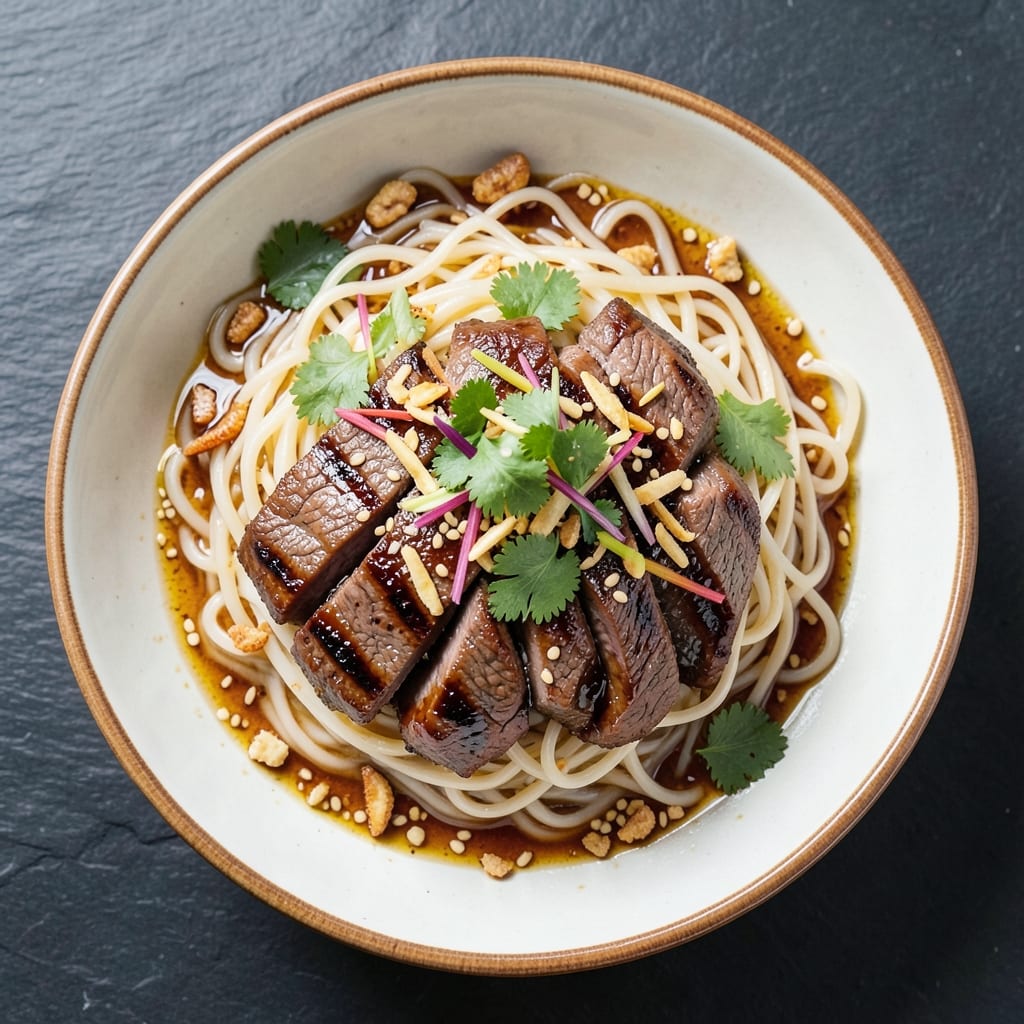
This Asian beef noodle bowl recipe delivers restaurant-quality depth with every bite—wok-seared beef, silky noodles, and a sauce that balances sweet, savory, and umami perfectly. 🔥 The secret lies in high-heat searing for that signature caramelized crust, followed by a quick toss in a sauce that’s rich yet light enough to let the beef shine. I developed this after years of testing different techniques, and it’s now my go-to for weeknight dinners that feel special without the fuss.
The beauty of this dish is in its simplicity: tender beef strips, chewy noodles, and a sauce that’s easy to customize. You’ll start with thinly sliced beef marinated in soy and sesame for maximum flavor, then sear it in a hot wok until it’s crispy on the edges but still juicy inside. The sauce—made with just a few pantry staples—ties everything together without overpowering the star of the show: the beef. It’s the kind of recipe that’s quick yet feels indulgent, perfect for when you want a satisfying meal without spending hours in the kitchen.
What you’ll end up with is a bowl that’s visually stunning and packed with texture—crispy beef, silky noodles, and a sauce that clings just right. The aroma alone will have everyone gathering around the table, and the first bite delivers that perfect balance of flavors. This isn’t just another take on beef noodle soup; it’s a dish that’s hearty, flavorful, and impossible to resist. Ready to make it? Let’s get started.
Serve it with quick-pickled cucumbers or a fried egg on top for extra richness, and you’ve got a meal that’s as versatile as it is delicious. Whether you’re feeding a crowd or treating yourself to a solo dinner, this recipe delivers every time. The best part? It comes together in under 30 minutes, making it ideal for busy weeknights when you still want something that feels like a celebration.
Ingredients for asian beef noodle bowl
Wok-seared beef, silky noodles, and a sauce packed with umami—just 14 ingredients for a restaurant-worthy bowl.
| Ingredient | Amount | Notes |
|---|---|---|
| Flank Steak 🥩 | 1 lb | Thinly sliced against grain |
| Rice Noodles 🍜 | 8 oz | Thin or medium width |
| Soy Sauce 🥄 | ½ cup | Kosher or tamari for gluten-free |
| Sesame Oil 🫒 | 1 tbsp | Toasted for authentic flavor |
| Garlic Cloves 🧄 | 4 cloves | Minced for marinade |
| Ginger Root 🌿 | 1 ½ tbsp | Freshly grated, not powdered |
| Honey 🍯 | 1 tbsp | Light or clover variety |
| Vegetable Oil 🫒 | 2 tbsp | High smoke point for searing |
| Sesame Seeds 🌾 | 1 tbsp | Toasted for garnish |
| Green Onions 🧅 | ¼ cup | Thinly sliced, white and green parts |
| Neutral Oil 🫒 | 1 tbsp | For tossing noodles |
| Salt 🧂 | 1 ½ tsp | Kosher or sea salt |
| Black Pepper 🌶️ | ½ tsp | Freshly ground preferred |
| Lime Wedges 🍋 | 2 whole | For serving |
The beef is everything here. Flank steak is my go-to—it’s lean but tender when sliced thin against the grain. Grab it from the butcher counter at Whole Foods or Costco if you want to save money, but any supermarket will have it. Look for good marbling—it keeps the beef juicy during that quick sear. Pro tip: slice it yourself if possible; pre-sliced beef loses that perfect texture. For the noodles, rice noodles are a must—they soak up sauce beautifully without getting mushy. The 8-ounce package at Trader Joe's is my secret weapon.
No sesame oil? Avocado oil at half the amount works in a pinch, but you’ll miss that nutty depth. Fresh ginger is non-negotiable—powdered lacks the zing. Short on honey? Maple syrup is a perfect swap. The soy sauce can be reduced if you prefer less sodium, but don’t skip it entirely. For extra umami, add 1 tsp fish sauce (if you eat it) or 1 tsp mushroom powder for a vegetarian twist. The green onions? Use whatever’s in your fridge—scallions work too, just slice them thin.
Marinate the beef for at least 20 minutes—up to 4 hours if you have time. The noodles? Soak them in hot water for 8-10 minutes, then rinse with cold water to stop cooking. This dish reheats beautifully—just add a splash of water and toss. Keeps for 3 days in the fridge, or freeze the sauce separately for up to 3 months. I always make extra sauce—it’s perfect for drizzling over rice or stir-fries later.
Why You'll Love This Recipe
- Steak in 10 Minutes: I swear, that flank steak transforms from tough to tender with just a quick sear and thin slice. No fancy marinating—just salt, pepper, and a hot pan. Honestly, the hardest part is waiting for it to cool enough to slice.
- Umami Bomb: The combo of soy sauce and sesame oil? Chef’s kiss. That deep, savory punch hits every bite, and the garlic cloves? They turn the noodles into little flavor sponges. Between us, I’ve made this with store-bought soy sauce, and it’s still dangerously addictive.
- Lunchbox Hero: Here’s what sold me—this keeps perfectly for days. Pack the beef and noodles separately, toss with a little sesame oil when reheating, and boom: a lunch that doesn’t taste like it’s from yesterday. My daughter picks out the noodles first, but still asks for seconds.
- Budget Flex: Flank steak stretches far—I feed four for under $15, and the leftovers? Even better the next day. Not the prettiest, but the taste makes up for it. Plus, rice noodles last forever, so no wasted ingredients. My secret weapon for when the grocery budget’s tight.
Step-by-step instructions for wok-seared beef noodle bowls
This method delivers restaurant-quality texture contrast—crispy seared beef, silky noodles, and bright umami sauce.
🔥 Step 1: Marinate and Slice the Flank Steak
In a bowl, combine the 0.5 cup soy sauce, 1 tbsp honey, 1.5 tbsp grated ginger root, 4 minced garlic cloves, 1.5 tsp salt, and 0.5 tsp black pepper. Add the 1 lb flank steak and toss to coat completely. Cover and refrigerate for at least 30 minutes (or up to 2 hours for deeper flavor).
While marinating, slice the steak thinly against the grain into ¼-inch thick strips. This ensures tender bites—thick slices stay chewy. I like to use a sharp knife and work quickly to prevent the meat from drying out. The marinade should cling to every strip, creating that perfect balance of sweet, salty, and aromatic flavors.
🍳 Step 2: Wok-Sear the Beef for Maximum Crunch
Heat a wok or large skillet over high heat until smoking, then add 2 tbsp vegetable oil. Working in batches (don't overcrowd!), add the marinated beef strips. Sear for 1-2 minutes per batch until the edges are deep golden brown and crispy. The meat should release easily from the pan—if it sticks, add a splash of water and scrape up those flavorful browned bits.
Remove the beef and set aside. Here's the thing—this searing step is non-negotiable. The high heat creates that irresistible crunch that contrasts perfectly with the silky noodles. If you rush it, you'll end up with tough, gray meat instead of tender, flavorful bites. Keep the heat high and work efficiently.
👨🍳 Step 3: Prepare the Noodles and Sauce Base
Bring a pot of water to a boil and add the 8 oz rice noodles. Cook for 3-4 minutes until just tender (they should still have a slight bite). Drain and immediately toss with 1 tbsp neutral oil to prevent sticking. Set aside, covered, to keep warm.
In the same wok, add 1 tbsp sesame oil and swirl to coat. Add the seared beef back in, then pour in 0.25 cup green onions and 1 tbsp sesame seeds. Toss everything together for 30 seconds to combine. This step builds layers of flavor—the sesame oil adds nutty depth, while the green onions and seeds bring freshness and texture.
🥘 Step 4: Assemble and Finish with Lime
Divide the cooked noodles among bowls. Spoon the beef mixture over the noodles, then drizzle with any remaining marinade from the wok. The sauce should coat everything lightly—if it's too thick, add a splash of hot water to loosen it. Garnish with extra green onions and a sprinkle of sesame seeds for color and crunch.
Serve immediately with the 2 lime wedges on the side. Squeeze just a little over each bowl—this brightens all the rich flavors and cuts through the fat. The contrast of warm, crispy beef with cool, tangy lime is what makes this dish truly special. Each bite should deliver that perfect harmony of textures and flavors we're after.
Pro Tips For Making Asian Beef Noodle Bowl
- Slice Against the Grain: Flank steak’s tough fibers run parallel to the grain—cutting perpendicular makes each bite tender. Angle your knife at 45 degrees and slice thinly after cooking, or you’ll end up with chewy mouthfuls. (I used to skip this and wondered why my beef felt like shoe leather.)
- Soak Noodles in Warm Water: Rice noodles turn mushy if boiled directly—soak them in warm (not hot) water for 5-8 minutes instead. Drain and rinse with cold water to stop cooking, then toss with sesame oil while still slightly firm. (Yes, even if you’re impatient like me.)
- Salt the Steak First: Season flank steak with soy sauce and a pinch of salt 30 minutes before cooking—this tenderizes the meat and builds flavor. Skip this, and your beef will taste flat, no matter how much sauce you add later. (I learned this the hard way after a bland bowl.)
- Toast Garlic in Oil: Sauté minced garlic in sesame oil for 30 seconds until fragrant and just golden—this adds depth without burning. Add it to the noodles at the end, or it’ll turn bitter. (Sounds weird, but it works: your bowl will taste like a restaurant’s.)
Creative variations of these flavors
Spicy Thai-Inspired Twist
Transform your bowl into a Thai-inspired version by adding 1 tbsp chili garlic sauce (like Sriracha) and 1 tsp fish sauce to the marinade. Swap the honey for 1 tbsp palm sugar and toss in 1 minced Thai chili with the beef. Top with crushed peanuts and cilantro for a crunchy, spicy kick. 🌶️
Japanese Teriyaki Glaze
For a Japanese-inspired take, replace the soy sauce marinade with ½ cup teriyaki sauce (store-bought or homemade) and 1 tbsp mirin. After searing, simmer the beef in 2 tbsp teriyaki sauce> and 1 tsp grated ginger for 2 minutes> until glossy. Serve over noodles with a side of steamed bok choy and sesame seeds.
Vietnamese Pho-Inspired
Elevate your bowl with Vietnamese flavors by adding 1 tbsp fish sauce, 1 tsp sugar, and 2 star anise pods to the marinade. Simmer the beef in 1 cup beef broth> with 1 cinnamon stick> and 1 tsp black pepper> for 10 minutes> before assembling. Garnish with Thai basil and bean sprouts for freshness.
Korean Gochujang Sauce
For a Korean-inspired version, blend 2 tbsp gochujang> (Korean chili paste), 1 tbsp soy sauce>, 1 tbsp honey>, and 1 tsp sesame oil> for the sauce. Toss the seared beef in this mixture before assembling. Top with quick-pickled radishes and a fried egg for extra richness. 🍳
Peanut Satay Fusion
Create a peanut satay twist by blending ½ cup smooth peanut butter>, 2 tbsp soy sauce>, 1 tbsp lime juice>, and 1 tsp sriracha> for the sauce. Toss the seared beef in this sauce and top with crushed peanuts and chopped cilantro. Serve with a side of steamed jasmine rice for a heartier meal.
Nutrition facts
Frequently asked questions
Can I use a different type of beef for this recipe?
Flank steak is ideal because it's lean yet tender when sliced thin against the grain. For a milder flavor, try sirloin or ribeye, but trim excess fat first. If you prefer a budget-friendly option, chuck roast works well if you marinate it longer (overnight) and slice it extra thin.
What if my beef turns out chewy instead of tender?
This usually happens when the meat isn't sliced thin enough or cooked at too low heat. Always slice ¼-inch thick strips against the grain and sear over high heat for just 1-2 minutes. If it's still tough, try marinating for 4 hours next time or using brisket (which needs longer marinating).
How do I prevent the noodles from getting mushy?
Rinse cooked noodles with cold water immediately after draining to stop the cooking process. Toss them with 1 tbsp neutral oil while warm to prevent sticking. For extra chewiness, undercook them slightly (by 30 seconds) and finish in the hot wok with the beef.
Can I make this recipe ahead of time?
Cook the beef and sauce separately, then refrigerate for up to 3 days. Reheat gently in a skillet with 1 tbsp water to prevent drying. For the noodles, cook them fresh or soak them in hot water for 5 minutes to revive. Assemble just before serving for the best texture.
What are some easy ways to customize the flavor?
Swap the sauce for peanut satay (peanut butter + soy sauce + lime), spicy Thai (chili garlic sauce + fish sauce), or Japanese teriyaki (mirin + teriyaki sauce). Add toppings like crushed peanuts, fried egg, or quick-pickled veggies for extra layers of flavor and texture.