
Salads
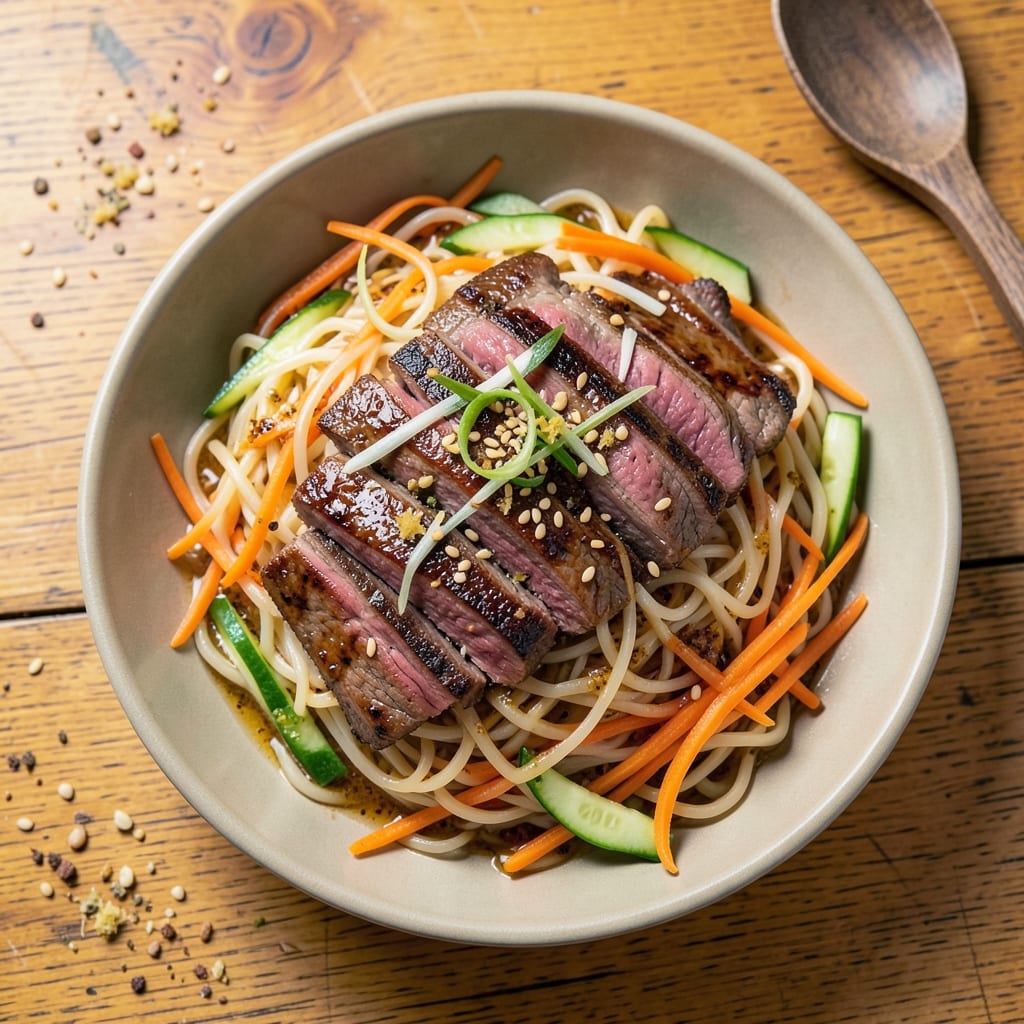
This Asian beef noodle salad delivers restaurant-quality crispy rice noodles and tender beef in a tangy tamarind dressing that balances sweet, sour, and umami perfectly. The secret lies in high-heat stir-frying the beef for that signature wok hei flavor while keeping the noodles just crisp enough to hold their shape. I developed this recipe after years of perfecting the balance between texture and flavor—no soggy noodles here.
The key to this dish is the marinade: a blend of soy sauce, garlic, and ginger that transforms even the toughest cuts into fork-tender beef. While the beef cooks, the tamarind dressing comes together in minutes with lime juice, fish sauce, and a touch of chili for heat. The dressing should coat the noodles lightly, enhancing their natural flavor without overwhelming it.
What you'll end up with is a vibrant salad where each bite delivers crispy noodles, tender beef, and a bright, tangy dressing that ties everything together. The colors are striking—deep red from the tamarind, golden from the beef, and translucent from the noodles—and every component is perfectly balanced. This dish is fresh enough for summer but hearty enough for any meal.
Whether you're serving it as a light lunch or a refreshing dinner, this recipe delivers restaurant-quality results at home. The best part? It comes together in under 30 minutes, making it perfect for weeknights or meal prep. Let's get cooking!
Ingredients for asian beef noodle salad
Restaurant-quality ingredients for that perfect crispy-tender balance in every bite.
| Ingredient | Amount | Notes |
|---|---|---|
| Flank Steak 🥩 | 1 lb | Thinly sliced against grain |
| Rice Noodles 🍜 | 8 oz | Thin, crispy variety preferred |
| Tamari or Soy Sauce 🍶 | ½ cup | For beef marinade |
| Fresh Ginger 🌿 | 2 tbsp | Grated, fresh preferred |
| Garlic Cloves 🧄 | 4 cloves | Minced, fresh preferred |
| Vegetable Oil 🫒 | 2 tbsp | High smoke point |
| Tamarind Paste 🍈 | ¼ cup | Or tamarind concentrate |
| Lime Juice 🍋 | ¼ cup | Freshly squeezed |
| Fish Sauce 🍜 | 1 tbsp | Red Boat preferred |
| Red Chili Flakes 🌶️ | 1 tsp | Adjust for heat preference |
| Sesame Oil 🫒 | 1 tbsp | Toasted, for finishing |
| Green Onions 🧅 | ¼ cup | Thinly sliced, for garnish |
| Sesame Seeds 🌾 | 1 tbsp | Toasted, for garnish |
| Salt 🧂 | 1 tsp | Kosher or sea salt |
| Black Pepper 🌶️ | ½ tsp | Freshly ground |
The beef makes or breaks this dish. Flank steak is ideal—lean but flavorful, and it slices beautifully against the grain. Most grocery stores carry it pre-sliced for stir-fry, but if you grab a whole cut, ask the butcher to slice it thinly. Costco or Trader Joe's usually have it ready to go, saving you time. Look for good marbling—it keeps the beef juicy during the quick cook. And trust me, don't skip the marinade. The tamari and ginger work magic to tenderize even the toughest cuts while adding layers of flavor.
No tamarind paste? Substitute with lime juice plus 1 tbsp brown sugar—it won't be identical, but it'll get you close. Fresh ginger is best, but dried works at half the amount if you're in a pinch. The rice noodles? Vietnamese-style are perfect—they hold their crispness longer than regular rice noodles. If you can't find them, vermicelli noodles work too, but soak them 10 minutes longer. The fish sauce is non-negotiable here—Red Boat is my go-to, but any good brand will do. And if you're sensitive to heat, reduce the chili flakes or swap for a pinch of sugar.
This salad tastes even better the next day—honestly, the flavors meld perfectly after a quick chill. Store leftovers in an airtight container with a paper towel to keep those noodles crispy. Keeps for 3-4 days in the fridge. For meal prep, I double the dressing and store it separately—just toss with the salad when ready to eat. The beef and noodles can be cooked ahead too, but don't mix them until serving. That way, the noodles stay crispy and the beef stays tender.
Why You'll Love This Recipe
- No Fuss, Big Payoff: I swear by this for nights when I’m too tired to think—just sear the flank steak thin, toss in the noodles, and let the tamari and ginger work their magic. The rice noodles soften in minutes, no boiling drama, and the beef stays tender with that perfect chew.
- Umami Bomb: That combo of tamari, fresh ginger, and garlic? It’s like a flavor grenade in the best way. The beef soaks up the sauce while you slice it, and the noodles catch every drop—salty, bright, and just a little funky. Honestly, I’ve made it for people who “don’t like Asian food,” and they’ve asked for seconds.
- Lunchbox Hero: Between us, this is my go-to for meal prep. Pack it cold or at room temp—it holds up surprisingly well. Double the batch on Sunday, and you’ve got lunch for three days. My kids add crushed peanuts, but I’ll sneak in extra ginger because I know it’s the secret.
- Steak Night for Half the Cost: Flank steak is cheap when you buy it in bulk, and a single pound stretches to feed four. No need for fancy cuts or hours in the oven—just quick sear, quick slice, and done. Leftovers? Even better cold the next day, wrapped in lettuce or tossed with a fried egg. My wallet and I both approve.
Step-by-step instructions for crispy Asian beef noodle salad
Here's how to make this vibrant, tangy salad with perfectly seared beef and crispy noodles.
Marinate and Sear the Flank Steak
In a bowl, combine the 0.5 cup tamari or soy sauce, 2 tbsp fresh ginger, 4 cloves minced garlic cloves, 0.5 tsp black pepper, and 1 tsp salt. Add the 1 lb flank steak and coat thoroughly. Let it marinate for at least 30 minutes (or up to 2 hours in the fridge for deeper flavor).
Heat 1 tbsp vegetable oil in a skillet over medium-high heat. Once shimmering, add the steak and sear for 3-4 minutes per side until it reaches medium-rare (internal temp 135°F). The edges should be deep brown and slightly charred. Remove and slice against the grain into thin strips. Set aside.
Prepare the Tangy Tamarind Dressing
In a small bowl, whisk together the 0.25 cup tamarind paste, 0.25 cup lime juice, 1 tbsp fish sauce, and 1 tsp red chili flakes. Thin with 2 tablespoons water if needed to reach a pourable consistency. Taste and adjust—you want bright, tangy, with a touch of heat. Set aside.
This dressing is the heart of the dish. The tamarind gives a sour-sweet balance, while the lime keeps it fresh. If it's too thick, add more water 1 teaspoon at a time until silky smooth.
Cook and Crisp the Rice Noodles
Bring 4 cups water to a rolling boil in a pot. Add the 8 oz rice noodles and cook for 2-3 minutes until just tender (they'll finish cooking in the dressing). Drain immediately and rinse under cold water to stop cooking and remove excess starch. Toss with 1 tbsp sesame oil to prevent sticking.
Spread the noodles on a baking sheet in a single layer. Broil on high for 2-3 minutes, stirring once, until golden and crispy in spots. Watch closely—they burn fast! Let cool slightly before assembling.
Assemble and Finish the Salad
In a large bowl, combine the crispy noodles, sliced steak, and 0.25 cup thinly sliced green onions. Drizzle with the tamarind dressing and toss gently to coat evenly. The noodles should be tender-crisp, not mushy.
Garnish with 1 tbsp toasted sesame seeds and serve immediately while the noodles are still crisp. The contrast of crunchy noodles, tender beef, and tangy dressing makes every bite exciting.
Pro Tips For Making Asian Beef Noodle Salad
- Slice Against the Grain: I learned this the hard way—thinly slicing flank steak with the grain makes it chewy and tough. Instead, cut perpendicular to the grain after cooking, aiming for paper-thin strips. If your knife skills are rusty, freeze the meat for 20 minutes first—it’ll hold the blade better and give you cleaner slices.
- Blanch Noodles First: Rice noodles absorb sauce like a sponge, so I skip soaking them in water entirely. Instead, rinse them cold, then toss with a splash of tamari and a teaspoon of oil in a hot pan for 30 seconds—just until they soften. This keeps them from turning mushy later when the dressing hits.
- Char the Ginger: Peeling and grating fresh ginger is non-negotiable, but don’t stop there. Toss the grated ginger into a dry pan over medium heat for 30 seconds until it darkens slightly. The caramelized edges add depth that jarred ginger powder can’t match. (Yes, even if you’re impatient like me.)
- Marinate Cold: Flank steak needs acid and time, but I used to rush it by marinating at room temp. Now I marinate it in the fridge for at least 4 hours—or overnight if I remember. The cold keeps the meat tender and the tamari from overpowering it. Pro move: Add a splash of rice vinegar to the marinade for brightness.
Regional styles of these flavors
Vietnamese Banh Mi Twist
Inspired by Saigon street food, this version swaps tamarind for a fish sauce and carrot dressing. Marinate the beef with 1 tbsp fish sauce and 1 tbsp sugar instead of tamari, then stir-fry with ½ cup julienned carrots and ¼ cup pickled daikon. Add crusty baguette slices on the side for dipping—this fusion keeps the crispy noodles while adding that iconic Vietnamese crunch. 🥖
Thai-Inspired Green Curry
Transform this salad into a Thai-inspired noodle bowl by tossing the cooked noodles with ½ cup green curry paste (store-bought or homemade) and 1 cup coconut milk. Add the seared beef back in, along with ½ cup Thai basil and ¼ cup crushed peanuts for texture. The tamarind dressing becomes a sweet chili dipping sauce—mix 2 tbsp tamarind paste with 1 tbsp fish sauce, 1 tbsp lime juice, and 1 tsp sugar. Serve over jasmine rice for a heartier meal. 🌶️
Japanese Yakisoba Fusion
For a Japanese-inspired take, replace the tamarind dressing with a soy-ginger glaze: whisk 3 tbsp soy sauce, 1 tbsp mirin, 1 tbsp rice vinegar, and 1 tsp grated ginger. Cook the noodles with 1 tbsp vegetable oil and 1 tsp sesame oil until deep golden and crispy, then toss with the beef and glaze. Top with thinly sliced cucumber, shredded cabbage, and bonito flakes for that classic yakisoba umami kick. 🍜
Korean Bibim Style
Give it a Korean bibim flair by adding a spicy gochujang dressing: mix 2 tbsp gochujang, 1 tbsp rice vinegar, 1 tsp honey, and 1 tsp sesame oil. Toss the crispy noodles and beef with this dressing, then top with quick-pickled radish (thinly sliced daikon + rice vinegar + sugar) and sesame seeds. The tamarind dressing can stay as a side drizzle for balance. This version is bold, sweet, and packed with texture. 🌶️
Malaysian Laksa Adaptation
For a Malaysian laksa twist, infuse the tamarind dressing with 1 stalk lemongrass (bruised) and 1-inch galangal (sliced). Add 1 cup coconut milk to the dressing and simmer for 5 minutes to meld flavors. Serve the crispy noodles and beef over a bed of shredded cabbage and bean sprouts, garnished with fried shallots and kaffir lime leaves. The result? A fragrant, coconut-forward salad with Southeast Asian depth. 🌿
Nutrition facts
Frequently asked questions
Can I use a different type of beef for this recipe?
Flank steak is ideal for its tenderness and flavor, but you can substitute with sirloin or ribeye (also sliced thin against the grain). Avoid tougher cuts like chuck—they won't tenderize properly in the short marinating time. For extra-lean options, try top round, but increase marinating time to 4 hours for best results.
Why are my rice noodles turning mushy?
Overcooking or rinsing too long removes their natural starch, which helps them stay crispy. Cook them for just 2-3 minutes in boiling water, then rinse with cold water for 10 seconds max. Spread them on a baking sheet and broil for 2-3 minutes—this creates the perfect crisp-tender texture. Don't skip the sesame oil toss after rinsing!
How can I make this dish spicier?
Boost the heat by adding ½ tsp extra chili flakes to the dressing or a dash of Sriracha (start with ½ tsp). For deeper spice, stir-fry 1 tbsp chopped Thai chilies with the beef. If you love heat, try gochujang (Korean chili paste)—swap 1 tsp for the tamarind in the dressing. Always taste as you go!
Can I prepare this salad ahead of time?
Yes! Cook the beef and noodles separately, then store them in airtight containers with a paper towel between layers. Keep the dressing separate until serving. Re-crisp noodles by broiling for 1-2 minutes before tossing with dressing. The flavors actually improve after 24 hours—the tamarind and lime mellow into a deeper taste.
What if I don't have tamarind paste?
No problem! Mix ¼ cup lime juice with 1 tbsp brown sugar and ½ tsp fish sauce for a similar tangy-sweet balance. For extra depth, add 1 tsp apple cider vinegar. If you're near an Asian market, look for tamarind concentrate (just dilute it with water). The dressing will be brighter but still delicious!