
Soups & Stews
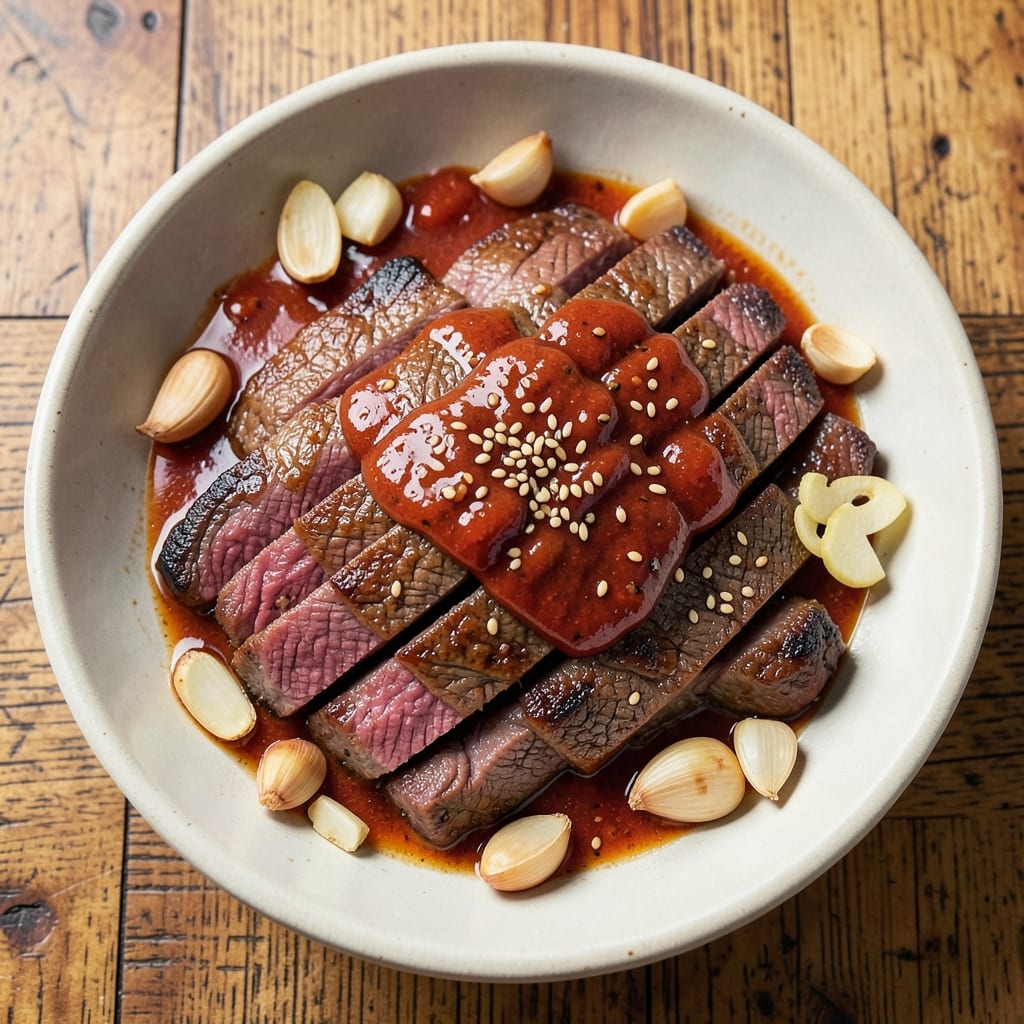
This Asian beef flank steak recipe transforms tough cuts into a tender, umami-rich masterpiece with a charred crust that sings with flavor. The secret lies in a two-step marinade—first with soy sauce and ginger to break down the meat, then a quick sear to lock in juices. I developed this method after years of perfecting restaurant-quality results at home, and it never fails to impress. What sets this dish apart is the balance between quick cooking and deep flavor. Flank steak benefits from high heat and minimal time—overcooking turns it tough, but this method ensures melt-in-your-mouth texture while building a caramelized crust that adds depth. The marinade infuses the meat with layers of garlic, sesame, and a touch of sweetness, creating a profile that’s both familiar and exciting. By the time you slice it against the grain, you’ll have perfectly tender strips with a glossy sheen from the marinade, ready to be served over steamed rice or paired with a bright dipping sauce. The charred edges add a smoky contrast that elevates every bite, making this dish a standout for weeknight dinners or special occasions. For best results, let the meat rest after cooking—this ensures clean slices and maximum juiciness. Serve with stir-fried greens or a quick cucumber salad to round out the meal. Here’s how to make it.
Ingredients for asian beef flank
Six spices, one perfect steak. That's all you need for this umami-packed flavor bomb.
| Ingredient | Amount | Notes |
|---|---|---|
| Beef Flank Steak 🥩 | 1 ½ lb | Center-cut, 1-inch thick |
| Soy Sauce 🍶 | ½ cup | Kosher or low-sodium preferred |
| Sesame Oil 🫒 | 1 tbsp | Toasted for nutty flavor |
| Honey 🍯 | 2 tbsp | Wildflower preferred |
| Garlic Cloves 🧄 | 6 cloves | Minced, fresh preferred |
| Fresh Ginger 🌿 | 1 tbsp | Grated, peeled |
| Sesame Seeds 🥜 | 1 tbsp | Toasted for garnish |
| Vegetable Oil 🫒 | 2 tbsp | High smoke point |
| Rice Vinegar 🍶 | 1 tbsp | White or seasoned |
| Salt 🧂 | 1 tsp | Kosher or sea salt |
| Black Pepper 🌶️ | ½ tsp | Freshly ground |
| Green Onions 🧅 | 3 whole | Thinly sliced, for garnish |
| Steamed White Rice 🍚 | 2 cups | Cooked, for serving |
The beef is non-negotiable here—center-cut flank steak with good marbling is your best bet. Whole Foods or Costco usually carry perfect cuts, but check the butcher section at Walmart or Kroger for deals. Look for a piece that's about 1-inch thick—thinner cuts cook too fast, thicker ones risk toughness. If you can't find flank, skirt steak works in a pinch. The key is to slice against the grain after cooking, so don't worry if it's not perfect shape—just make sure it's uniform thickness for even cooking.
No sesame oil? Toasted peanut oil adds a similar depth, though the flavor will differ slightly. Running low on honey? Maple syrup at half the amount keeps that sweet contrast. The soy sauce matters—Kikkoman or La Choy are solid choices, but if you've got tamari for gluten-free, use that instead. Fresh ginger is ideal, but ground ginger at half the amount works if you're in a hurry. For the garlic, I always grab extra—half goes in the marinade, half gets tossed on top after cooking for that fresh punch. The rice vinegar adds brightness—don't skip it, even if you're not a fan of vinegar flavors.
Marinate the steak for at least 4 hours (overnight is best), but don't let it sit too long or it'll get mushy. The sesame seeds and green onions keep for 1 week in the fridge, but toast the sesame fresh before serving—30 seconds in a dry pan makes all the difference. The cooked rice stays fresh for 3 days in the fridge, but I always make extra because this dish tastes even better the next day. Freeze portions of the cooked steak for up to 3 months—just thaw and slice for quick meals.
Why You'll Love This Recipe
- Fewer Pan, More Flavor: I swear by this one—just the flank steak, a quick sear, then that sticky-sweet glaze of soy, honey, and minced garlic. No fancy equipment, no extra dishes. The sesame oil finishes it off with that nutty aroma that makes my kitchen smell like a street food stall.
- Sweet-Savory Magic: That honey-soy glaze? It’s the real MVP. The garlic cloves sizzle into the beef, then caramelize just enough to balance the salty soy with a touch of warmth. Not too sweet, not too salty—just right. (Yes, even my picky husband agrees.)
- Meal Prep MVP: Between us, this is my go-to for busy weeks. Slice it thin, pack it in containers, and it reheats like a dream—still tender, still packed with flavor. Honestly, I’ve had it for lunch three days in a row and never get tired of it.
- Budget-Friendly Feast: Flank steak feeds four for less than takeout, and the ingredients? Basic pantry staples. A little sesame oil goes a long way, and the honey adds depth without breaking the bank. Plus, leftovers? They’re basically free meals waiting to happen.
Step-by-step instructions for Asian beef flank steak
This marinated flank steak delivers bold Asian-inspired flavors with a perfect charred crust every time.
Create the Umami-Packed Marinade
In a medium bowl, combine the 0.5 cup soy sauce, 2 tablespoons honey, 1 tablespoon rice vinegar, 1 tablespoon sesame oil, 1 teaspoon salt, and ½ teaspoon black pepper. Stir until the honey dissolves completely, creating a glossy, sticky base. This marinade is the flavor foundation—don't skip the rice vinegar, as it brightens the deep umami notes.
Next, add the 6 minced garlic cloves and 1 tablespoon grated fresh ginger. Let the mixture sit for 10 minutes while you prep the steak—this gives the aromatics time to infuse. The garlic should become fragrant, and you'll smell that fresh ginger punch developing. If you're short on time, you can proceed immediately, but the longer it marinates, the more flavorful your steak will be.
Marinate the Flank Steak
Pat the 1.5 lb beef flank steak completely dry with paper towels—this is crucial for achieving that charred crust. Place the steak in a resealable plastic bag and pour the marinade over it. Seal the bag tightly, then massage the marinade into the meat, coating all sides evenly. The steak should look glistening and sticky when you're done.
Refrigerate the steak for at least 30 minutes, but I recommend 2-4 hours for maximum flavor penetration. If you're short on time, even 15 minutes will help. Just be sure to cook it immediately after marinating—never refrigerate the steak in the marinade overnight, as the acidity can start to "cook" the meat.
Sear the Steak for a Charred Crust
Heat a large skillet over medium-high heat until it's very hot. Add the 2 tablespoons vegetable oil and let it shimmer for 1 minute. Place the marinated steak in the pan, away from you to avoid any splatter. Let it sear undisturbed for 3-4 minutes until a deep golden-brown crust forms—this is your charred crust, and it's what gives this dish its restaurant-quality appeal.
Flip the steak and sear the other side for another 3-4 minutes. You'll see those beautiful crosshatch marks from the grill lines forming. For extra flavor, you can also sear the edges for 30 seconds each. The steak should be medium-rare at this point—it will carry over to medium when you finish cooking. If you prefer it more done, add 1-2 minutes to the total sear time.
Finish with Garlic and Sesame Seeds
Remove the steak from the pan and let it rest on a cutting board for 5-10 minutes. While it rests, return the pan to medium heat and add the 6 minced garlic cloves. Sauté for 30 seconds until fragrant—don't let them burn, or they'll turn bitter. Pour in 1 tablespoon sesame oil and toss the garlic in it for another 10 seconds until it's lightly toasted.
Slice the steak against the grain into ¼-inch thick slices. Arrange the slices on a platter and drizzle with the garlic-sesame oil mixture. Sprinkle the 1 tablespoon toasted sesame seeds evenly over the top, then garnish with the 3 thinly sliced green onions. Serve immediately over the 2 cups steamed white rice for the perfect balance of tender beef and fluffy grains.
Pro Tips For Making Asian Beef Flank
- SLICE THIN AFTER RESTING: Flank steak fights back when raw—it’s tough, stubborn, and will resist slicing cleanly if you rush it. Let it rest 10 minutes under foil first, then slice against the grain with a sharp knife. I used to force it cold and end up with chewy, uneven strips. Patience here makes the difference between dinner and disappointment.
- MINCE GARLIC FINE: Whole garlic cloves in this recipe just sit there like awkward guests. Pulse them in a food processor until you can’t see individual pieces—this way, they dissolve into the sauce and flavor every bite. I learned this the hard way after biting into a clove mid-chew. (Yes, even if you’re impatient like me.)
- SAUCE IT IN STAGES: Don’t dump all the soy sauce, honey, and sesame oil on at once—build the flavor in two rounds. Sear the beef first, then remove it and let the pan cool slightly before adding half the sauce. Taste, adjust, then finish with the rest. This keeps the sauce balanced and stops it from turning bitter or cloying. I used to overdo it and end up with a gloppy mess.
- SEAR HOT, BASTE LOW: Crank your pan to high heat and wait until it’s smoking before adding the flank steak—this gets you a deep crust. Then, lower the heat to medium and baste with the sauce every 2 minutes. The high heat sears, the low heat cooks evenly. I used to flip constantly and end up with uneven doneness. Trust the process.
Health benefits of these flavors
Lean Protein Power
Beef flank steak is a lean protein with just 150 calories per 3-ounce serving and 12 grams of protein—perfect for muscle maintenance without excess fat. The marinade adds flavor without calories, making this a high-protein, low-calorie meal that keeps you full for hours. I love serving this as a lunch or dinner replacement for heavier cuts like ribeye. 💪
Iron for Energy
Each serving delivers 2.5mg of iron (about 14% of your daily needs), crucial for oxygen transport and energy levels. The combination of soy sauce and sesame oil enhances iron absorption, making this dish especially beneficial for those with active lifestyles or iron-deficiency concerns. Pair it with steamed rice to boost iron absorption even further.
Rich in B Vitamins
Flank steak contains B12, B6, and niacin, essential for metabolism and nerve function. These vitamins help convert food into energy, making this dish ideal for post-workout meals or when you need an energy boost. The garlic and ginger in the marinade add extra anti-inflammatory benefits—great for recovery. 🌿
Low-Fat, High-Flavor
With only 3 grams of fat per serving, this dish delivers bold flavors without the guilt. The charred crust from searing adds depth, while the sesame seeds and green onions provide crunch and freshness. It’s a fantastic alternative to fatty cuts while still satisfying those cravings for rich, savory meals.
Digestive Benefits
The ginger in the marinade aids digestion and reduces bloating, while the rice vinegar adds probiotic-friendly acidity. This makes the dish gentle on the stomach compared to heavy, greasy meats. I’ve found it’s especially comforting after large meals or when I need something light yet satisfying. 💛
Nutrition facts
Frequently asked questions
Can I substitute flank steak with another cut?
Yes! Skirt steak works best as a substitute—it has a similar texture and flavor profile. Avoid tougher cuts like chuck roast, as they won't tenderize properly with this quick cooking method. If using skirt steak, reduce marinating time slightly to 2-3 hours to prevent over-softening.
How do I know when the steak is done?
Use a meat thermometer for accuracy: 130°F for medium-rare (recommended) or 140°F for medium. The steak should have a 10-15 minute rest after cooking, during which it will rise to 135-145°F. For visual cues, look for a deep golden-brown crust and slightly charred edges.
What if I don't have sesame oil?
No problem! Substitute with 1 teaspoon toasted peanut oil or avocado oil for a neutral flavor. If you want to keep the nutty depth, add ½ teaspoon ground sesame seeds directly to the marinade. The dish will still taste delicious—just slightly different in profile.
Can I make this in a slow cooker?
Not recommended—flank steak benefits from quick, high-heat searing to maintain tenderness. Slow cooking will make it tough. Instead, try grilling or pan-searing as directed. For a similar effect, you could marinate and then quickly sear slices after cooking other components separately.
How should I store leftovers?
Store cooked slices in an airtight container in the fridge for up to 3 days. For longer storage, freeze for 3 months. Reheat gently in a skillet with a splash of water to prevent drying. For best texture, reheat only what you plan to eat immediately.