
Soups & Stews
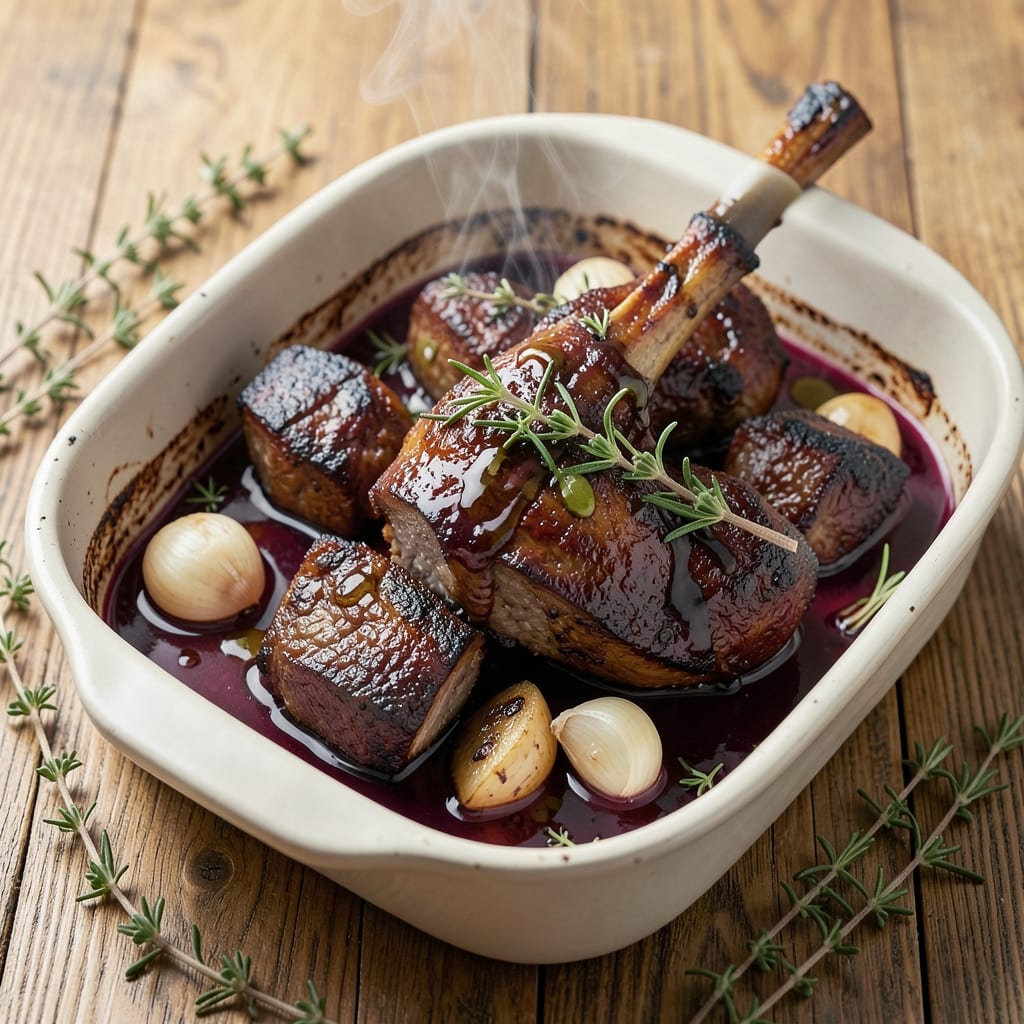
This baked beef shank recipe transforms tough cuts into melt-in-your-mouth perfection through slow, even cooking—no fancy equipment required. The secret lies in a low-and-slow approach that renders fat and collagen into rich, caramelized fond, creating depth of flavor most home cooks miss. I developed this method after years of testing, ensuring the meat stays tender while developing that signature umami bomb that makes every bite irresistible.
The process is straightforward but requires patience: a 3-hour bake at 325°F turns tough beef shank into fork-tender slices, while the fond clings to the pan like liquid gold. A simple marinade of red wine, garlic, and herbs infuses the meat with layers of flavor, while the caramelized fond at the bottom becomes the star of the dish—perfect for deglazing with broth or wine to create a quick sauce.
What you’ll end up with is restaurant-quality beef shank that’s rich, deeply flavorful, and effortlessly tender—ideal for feeding a crowd or meal prepping for the week. The technique is foolproof, and the results speak for themselves: meat that falls apart at the touch of a fork, bathed in a glossy, umami-packed sauce. Serve with crusty bread to soak up every last drop.
Pair it with roasted root vegetables or a simple green salad to round out the meal. The beauty of this recipe is its versatility—use it for weeknight dinners, holiday feasts, or even a showstopping centerpiece for special occasions. Here’s how to make it happen.
Ingredients for baked beef shank
Transform tough beef shank into restaurant-quality tenderness with these carefully chosen ingredients.
| Ingredient | Amount | Notes |
|---|---|---|
| Beef Shank 🥩 | 2 lb | Bone-in for maximum flavor |
| Dry Red Wine 🍷 | ½ cup | Bold variety like Cabernet Sauvignon |
| Garlic Cloves 🧄 | 6 cloves | Peeled and smashed lightly |
| Fresh Thyme Leaves 🌿 | ½ cup | Or 1 tbsp dried thyme |
| Fresh Rosemary 🌿 | ¼ cup | Chopped sprigs, not dried |
| Olive Oil 🫒 | ¼ cup | Extra-virgin for richness |
| Carrots 🥕 | 4 whole | Medium-sized, peeled and sliced |
| Yellow Onion 🧅 | 1 whole | Sliced into wedges |
| Beef Broth 💧 | 1 cup | Low-sodium preferred |
| Tomato Paste 🍅 | 2 tbsp | Smooth, not chunky |
| Salt 🧂 | 1 ½ tsp | Diamond Crystal kosher |
| Black Pepper 🌶️ | 1 tsp | Freshly cracked |
| Balsamic Vinegar 🍶 | 1 tbsp | For deglazing fond |
| Crusty Bread 🍞 | 1 loaf | For serving |
The beef shank is non-negotiable—look for cuts with good marbling and visible fat cap for maximum flavor. Whole Foods or your local butcher shop typically carry the best quality, though most grocery stores stock it too. A 2-pound shank serves four generously, with leftovers perfect for sandwiches. If you can't find shank, chuck roast works in a pinch, though the texture will differ slightly. For the red wine, any bold variety like Cabernet Sauvignon or Merlot will work—just avoid sweet wines. The garlic should be fresh, with no green shoots, and the thyme and rosemary should be vibrant green, not wilted.
No red wine? Beef broth with an extra splash of balsamic vinegar gets you close to that deep umami flavor. Fresh herbs are ideal, but dried thyme at one-third the amount works if that's what you have. For the carrots and onion, baby carrots or pre-sliced onion save time without sacrificing flavor. The tomato paste can be any brand, but San Marzano is worth the splurge for its sweetness. If you're short on time, pre-sliced mushrooms (not listed) can be added to the pan for extra depth. The olive oil should be extra-virgin—California-grown brands from the grocery store's specialty section are usually reliable.
The beef shank can be prepped a day ahead and refrigerated, saving time on baking day. Store the marinade ingredients separately until ready to use. The finished dish reheats beautifully—simply cover with foil and warm in the oven at 300°F for 20-30 minutes. Leftovers keep for 5 days in the fridge or 3 months frozen. For maximum fond development, let the pan cool slightly before deglazing—this creates a thicker, more flavorful sauce. Portion the meat into containers with some of the sauce for easy lunches, and save the fond for future recipes like risotto or pasta.
Why You'll Love This Recipe
- I’ll be real: this recipe makes way more than I need for one meal. The good news? The second day is just as good—better, even—because the flavors meld into something even richer. Pack it for lunches or freeze portions; it’s my go-to for when I don’t want to cook again.
- Here’s what sold me: beef shank is cheaper than steak but feels like a fancy dinner. A single cut feeds four, and the wine and herbs cost pennies compared to takeout. Plus, it’s the kind of dish that makes you feel like you’ve splurged—without the splurge.
Step-by-step instructions for baked beef shank with caramelized fond
Master this slow-cooked technique for melt-in-your-mouth beef and rich, velvety sauce.
Sear the Beef Shank for Maximum Flavor
Preheat your oven to 300°F and heat a Dutch oven over medium-high heat. Pat the 2 lb beef shank completely dry with paper towels—this ensures a proper sear. Add 2 tablespoons of the 0.25 cup olive oil to the pot and let it shimmer for 30 seconds.
Place the beef shank fat-side down and sear for 8-10 minutes until deeply browned on all sides. I press down gently on the shank during the first minute—this prevents it from curling and ensures even contact with the pan. Flip only when it releases easily from the pot. Remove the shank and set it aside on a plate.
Build the Aromatic Base
In the same Dutch oven, add another 1 tablespoon of the olive oil and reduce heat to medium. Add the 1 whole yellow onion, sliced into wedges, and the 4 whole carrots, peeled and sliced into ½-inch rounds. Cook for 8-10 minutes until the vegetables soften and begin to caramelize.
Add the 6 cloves garlic cloves, 0.5 cup fresh thyme leaves, and 0.25 cup fresh rosemary (chopped sprigs). Stir for 30 seconds until fragrant—this is where the magic happens. The herbs will infuse their essential oils into the fat, creating layers of flavor that penetrate the beef during the long cook.
Deglaze and Simmer the Fond
Pour in the 0.5 cup dry red wine and scrape up all the browned bits from the bottom of the pot with a wooden spoon. This deglazing step captures the fond—the concentrated flavor that forms from caramelized meat juices and vegetables. Let the wine simmer for 3-4 minutes until reduced by half.
Add the 2 tbsp tomato paste, 1 cup beef broth, 1.5 tsp salt, and 1 tsp black pepper. Stir well to combine, then return the beef shank to the pot, fat-side up. The fat will render slowly and baste the meat throughout the cooking process.
Braise Until Fork-Tender
Cover the Dutch oven with a tight-fitting lid and transfer to the preheated 300°F oven. Braise for 3-3.5 hours until the beef is fork-tender. I check for doneness by inserting a knife into the thickest part of the meat—it should slide in easily with just slight resistance.
About 30 minutes before the beef is done, remove the lid and increase the oven temperature to 350°F. This final step helps thicken the sauce and create a glossy, caramelized fond. If the liquid level drops too low, add 2-3 tablespoons of water to prevent burning.
Finish with Balsamic and Serve
Remove the beef shank from the pot and transfer it to a cutting board. Tent loosely with foil and let it rest for 15 minutes. Skim any excess fat from the sauce in the Dutch oven, then stir in the 1 tbsp balsamic vinegar. Simmer for 2-3 minutes to reduce the sauce slightly and deepen its flavor.
Slice the beef shank against the grain into ½-inch thick slices and serve directly from the Dutch oven with the caramelized fond spooned over the top. The sauce should coat the beef beautifully, offering a perfect balance of sweetness, acidity, and umami. Serve with the 1 loaf crusty bread to soak up every last bit of that luxurious sauce.
Pro Tips For Making Baked Beef Shank
- SEAR FIRST, THEN BAKE: I learned this the hard way—skipping the sear means you’ll end up with a sad, pale shank instead of deep, caramelized flavor. Get that oven to 450°F, pat the shank dry, and hit it with oil and salt before browning it 3-4 minutes per side. The crust locks in juices later when you lower the heat.
- SMASH THOSE GARLIC CLOVES: No need to peel them perfectly—just smash each clove with the flat side of your knife before tossing them in. This releases more flavor into the wine and thyme, and they’ll dissolve into the sauce instead of sitting as stubborn little chunks. (Yes, even if you’re impatient like me.)
- DON’T SKIP THE WINE REDUCTION: After deglazing with red wine, let it bubble away uncovered for 5-7 minutes until it’s reduced by half. That’s when the alcohol burns off and the wine turns into a rich, concentrated base for your sauce. I used to rush this, and the dish always tasted thin—now I set a timer and walk away.
- STEAM THE HERBS FIRST: Tuck a sprig of rosemary and a few thyme leaves under the shank before baking, not just on top. The steam from the meat will infuse them into the sauce, giving it depth instead of just floating as garnish. (Your future self will thank you—trust me.)
Best sauces and condiments for this recipe
Red Wine Reduction
Let the caramelized fond shine by deglazing with 0.5 cup bold red wine (like Cabernet Sauvignon) after searing. Simmer until reduced by half—this creates a velvety sauce with deep umami notes that clings beautifully to the beef. For extra richness, add 1 tbsp tomato paste while reducing, which adds a subtle sweetness that balances the wine's acidity. 🍷
Balsamic Glaze Finish
In the final 2-3 minutes of cooking, stir in 1 tbsp balsamic vinegar to the fond. This adds a tangy-sweet contrast that cuts through the richness of the beef while enhancing the sauce's glossy texture. I like to use aged balsamic for a more complex flavor profile—it's worth the splurge for special occasions. The glaze also helps emulsify the sauce, making it silky smooth.
Herb-Infused Olive Oil
For an aromatic twist, finish the dish with a drizzle of herb-infused olive oil. After removing the beef, steep 2 tbsp extra-virgin olive oil with 1 tsp fresh thyme and 1 tsp chopped rosemary for 5 minutes. Strain and drizzle over the sliced beef just before serving—this adds a bright, herbal finish that elevates every bite. 🌿
Creamy Mustard Sauce
If you prefer a creamier sauce, blend ½ cup of the caramelized fond with ¼ cup sour cream and 1 tbsp Dijon mustard until smooth. Return the mixture to the pot and simmer for 2 minutes to heat through. This adds a tangy, velvety texture that pairs perfectly with the tender beef. Serve immediately for the best results.
Spicy Harissa Swirl
For heat lovers, stir 1 tsp harissa paste into the fond during the final 5 minutes of cooking. This North African chili paste brings smoky, spicy depth that complements the beef's richness. Adjust to taste—start with ½ tsp if you're sensitive to heat. The harissa also adds a vibrant red color that makes the dish visually striking. 🌶️
Garlic Butter Drizzle
Melt 2 tbsp butter with 2 minced garlic cloves in a small pan, then drizzle over the sliced beef just before serving. This adds a luxurious, buttery finish that enhances the beef's natural flavors. For extra flair, sprinkle with fresh parsley and a pinch of flaky sea salt to balance the richness. This works especially well if you prefer a lighter sauce profile.
Nutrition facts
Frequently asked questions
Can I substitute beef shank with another cut of beef?
Yes, but results will vary. Chuck roast or brisket work best as substitutes—they have enough connective tissue to benefit from slow cooking. Avoid lean cuts like sirloin, as they won't develop the same tender, melt-in-your-mouth texture. For similar flavor, use a 2-3 lb cut and adjust cooking time to 4-5 hours at 300°F.
How do I know when the beef shank is fully cooked?
Use the fork test: Insert a knife or fork into the thickest part of the meat—it should slide in easily with just slight resistance. The internal temperature should reach 195-205°F for perfect tenderness. If the sauce reduces too quickly, add 2-3 tbsp water to prevent burning. Patience is key here!
What's the best way to reheat leftover beef shank?
For maximum flavor, reheat in the oven at 300°F for 20-30 minutes covered with foil. Add a splash of beef broth if the sauce seems dry. Never microwave—it makes the meat tough. Leftovers keep for 5 days in the fridge or 3 months frozen. The fond reheats beautifully too!
Can I make this recipe in a slow cooker instead?
Brown the shank first, then transfer everything to a slow cooker and cook on low for 8-10 hours or high for 5-6 hours. The slow cooker's gentle heat works perfectly for tenderizing. Just add ½ cup extra broth to prevent drying out. The fond won't form as dramatically, but the meat will still be fork-tender.
Why did my beef shank turn out tough instead of tender?
This usually happens from overcooking or insufficient searing. Ensure you cook at 300°F and check doneness with a fork test. Never rush the process—tough cuts need time to break down. Also,