
Side Dishes
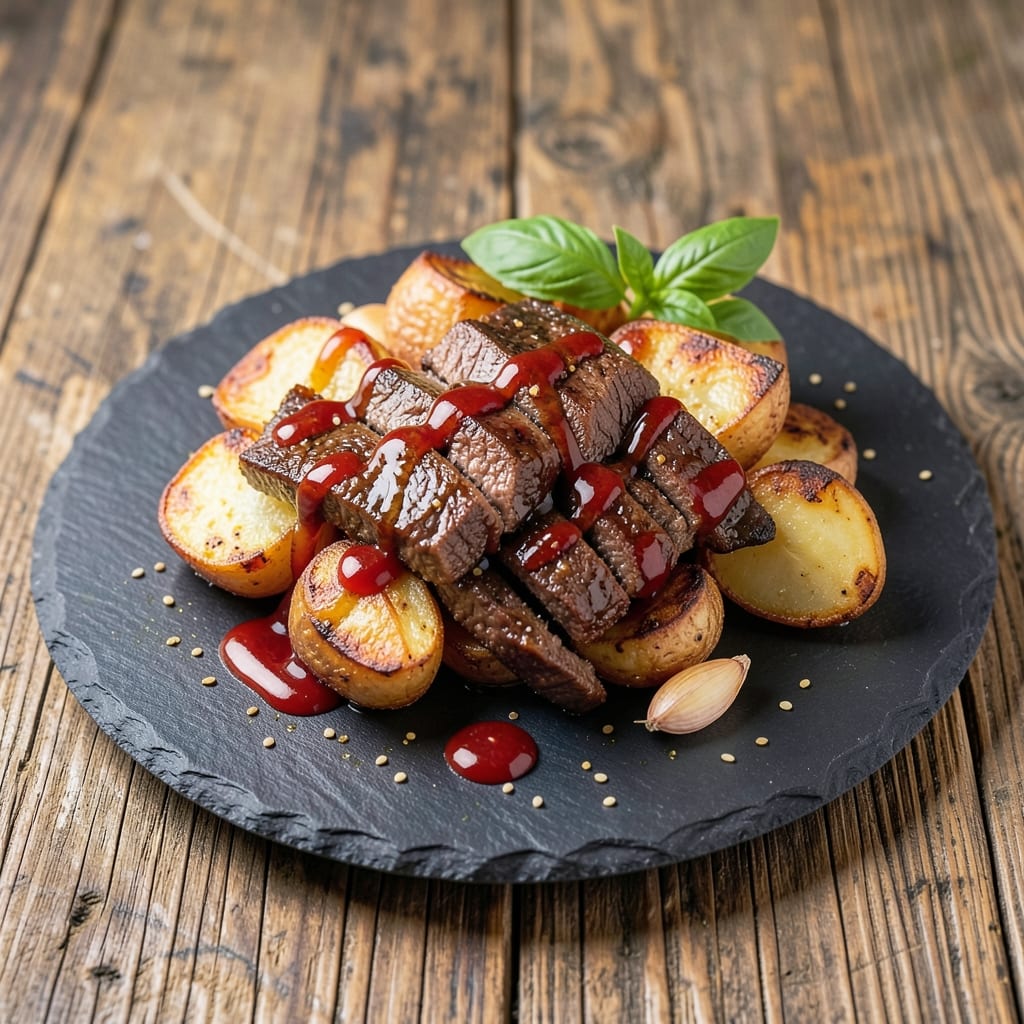
This Asian beef and potatoes recipe delivers restaurant-quality wok-seared edges and tender centers in one pan. The secret lies in high-heat stir-frying that creates crispy potato edges while keeping the beef silky and flavorful. I developed this technique after years of perfecting stir-fry textures—it’s the kind of dish that transforms a simple weeknight dinner into something special.
The magic happens through a balance of umami-rich marinades and precise cooking times. Thinly sliced potatoes achieve that coveted crispy exterior while staying tender inside, and the beef absorbs bold Asian flavors without overpowering the natural taste. This method works equally well for quick weeknight meals or weekend entertaining, making it a versatile addition to your recipe collection.
What you’ll end up with is a dish that’s visually stunning and packed with layers of flavor—golden, crispy potatoes with caramelized edges, perfectly seared beef, and a sauce that ties everything together. The aroma alone will have everyone gathered around the table, and the first bite delivers that satisfying contrast of textures and flavors.
Whether you’re serving this as a main dish or pairing it with steamed rice and fresh vegetables, the technique remains the same. The key is patience and attention to heat control, which ensures crispy edges without burning. Let’s get started on creating this crowd-pleasing dish that’s sure to become a regular on your menu.
Ingredients for asian beef and potatoes
Thinly sliced potatoes and tender beef transform into crispy-edged, silky Asian-inspired perfection with these carefully balanced ingredients.
| Ingredient | Amount | Notes |
|---|---|---|
| Russet Potatoes 🥔 | 2 lb | Thinly sliced into 1/4-inch rounds |
| Flank Steak 🥩 | 1 ½ lb | Thinly sliced against grain |
| Soy Sauce 🍶 | ½ cup | High-quality, reduced variety |
| Sesame Oil 🫒 | 2 tbsp | Toasted, for aroma |
| Honey 🍯 | 2 tbsp | Pure, for balance |
| Garlic Cloves 🧄 | 8 cloves | Minced, aromatic |
| Fresh Ginger 🌿 | 2 tbsp | Grated, for zing |
| Vegetable Oil 🫒 | ½ cup | High smoke point |
| Green Onions 🧅 | ¼ cup | Sliced, for garnish |
| Sesame Seeds 🌾 | 2 tbsp | Toasted, for crunch |
| Diamond Crystal Kosher Salt 🧂 | 1 ½ tsp | For seasoning |
| Ground Black Pepper 🌶️ | ½ tsp | Freshly cracked |
| Rice Vinegar 🍶 | 2 tbsp | For acidity |
| Cornstarch 🌾 | 2 tbsp | For potato coating |
The Russet potatoes are the foundation—thinly sliced for even cooking and that coveted crispy exterior. Look for firm, blemish-free tubers at Whole Foods or your local market; organic options reduce pesticide residue. Flank steak delivers lean, flavorful slices when cut against the grain—ask your butcher for pre-sliced cuts if you're short on time. For the sauce, Kikkoman soy sauce or Lee Kum Kee provides depth, while toasted sesame oil from Trader Joe's adds nutty aroma. Fresh ginger and garlic should be vibrant and fragrant; Wilton brand minced garlic saves prep time without sacrificing flavor.
No flank steak? Sirloin or ribeye work equally well when sliced thin. Substitute mirin for honey if avoiding sweeteners, though the balance shifts slightly. The cornstarch coating can be swapped for potato starch for a lighter texture. For extra umami, add 1 tbsp fish sauce (ensure it's gluten-free if needed) or 1 tsp oyster sauce. If your sesame oil smells rancid, toss it—freshness is critical for that authentic aroma. The potatoes can be pre-sliced and tossed with a sprinkle of salt up to 30 minutes ahead to prevent browning, but don't rinse after slicing—starch is your friend here.
Potatoes and beef can be prepped separately up to 2 hours ahead—store in airtight containers in the fridge. The marinade keeps for 3 days in the fridge or 3 months frozen. For crispier edges, pat the potatoes dry before cooking. Leftovers reheat best in a skillet over medium heat with a splash of water—never microwave if you want to preserve that wok-seared texture. Portion into glass containers for easy grab-and-go lunches, or freeze individual servings for up to 2 months.
Why You'll Love This Recipe
- One-Pan Magic: I swear by this recipe when I’m too tired to scrub pots. Toss the potatoes and steak on a single sheet pan, drizzle with sesame oil, and let the oven do the work. No chopping boards, no messy sauces—just 40 minutes of hands-off cooking.
- Sweet-Savory Balance: That honey-soy glaze? Pure perfection. The potatoes soak up the sticky-sweet sauce while the steak stays tender with just a hint of char. Honestly, the first time I tasted it, I nearly licked the pan clean.
- Lunchbox Hero: Between us, this is my go-to for meal prep. The leftovers reheat like a dream—crispy edges on the potatoes, juicy steak that doesn’t dry out. Pack it in containers, and you’ve got a week’s worth of lunches that’ll make you the office favorite.
- Budget Powerhouse: Flank steak stretches farther than you’d think when sliced thin, and Russets are the cheapest spud around. A single pan of this feeds four for under $15, and the flavors are so bold, no one guesses it’s affordable. (Yes, even on a Tuesday night.)
Step-by-step instructions for Asian beef and potatoes with perfect texture
Master this wok technique for restaurant-quality results every time.
🍳 Step 1: Prepare the Potatoes for Maximum Crispiness
Slice the 2 lb Russet Potatoes into ¼-inch rounds using a mandoline for even thickness. Immediately toss the slices with 2 tbsp cornstarch and 1.5 tsp Diamond Crystal Kosher Salt in a large bowl. This creates a dry, crispy exterior while keeping the centers tender.
Let the coated potatoes rest for 10 minutes at room temperature. This allows the cornstarch to fully adhere, preventing moisture from steaming the potatoes during cooking. Arrange them in a single layer on a baking sheet and let sit uncovered for another 10 minutes to dry completely—this is crucial for achieving that perfect wok-sear.
🍳 Step 2: Sear the Potatoes in Stages for Even Cooking
Heat 0.5 cup vegetable oil in a 14-inch wok or cast-iron skillet over medium-high heat until shimmering. Add half of the potato slices in a single layer, being careful not to overcrowd. Cook undisturbed for 3-4 minutes until the edges turn deep golden brown and crispy.
Flip the potatoes using tongs and cook another 2-3 minutes until the second side is golden. Remove to a plate and repeat with the remaining potatoes, adding more oil if needed. The key here is patience—rushing will result in steamed rather than crispy potatoes. You want them to develop a caramelized crust while maintaining a tender interior when pierced with a fork.
🍳 Step 3: Sear the Flank Steak for Perfect Tenderness
While the potatoes cook, slice the 1.5 lb Flank Steak thinly against the grain into ¼-inch strips. In a clean wok, heat 2 tbsp sesame oil over high heat until smoking. Add the steak strips in batches (don't overcrowd) and sear for 1-2 minutes until they develop a deep brown crust and are cooked to medium-rare (about 130°F internal temperature).
Remove the steak to a plate and set aside. The high heat is essential here—it creates a flavorful crust while keeping the interior silky. If you prefer more done steak, continue cooking for another 30 seconds, but don't overcook or it will become tough. The residual heat will carry it to your desired doneness.
🥘 Step 4: Build the Flavorful Sauce
In the same wok, reduce heat to medium and add 8 cloves minced garlic cloves and 2 tbsp grated fresh ginger. Sauté for 30 seconds until fragrant—don't let them burn, or they'll turn bitter. Pour in 0.5 cup soy sauce, 2 tbsp honey, and 2 tbsp rice vinegar, scraping up any browned bits from the bottom of the pan.
Let the sauce simmer for 2-3 minutes until slightly thickened. The honey will caramelize slightly, adding depth to the sauce. Taste and adjust seasoning with additional Diamond Crystal Kosher Salt or ground black pepper if needed. Here's the thing—this sauce should be sticky but not syrupy, with a perfect balance of sweet, salty, and tangy flavors.
🥘 Step 5: Combine and Finish with Aromatics
Return the seared steak to the wok and toss to coat in the sauce. Add the crispy potatoes back in and toss everything together for 1-2 minutes until the potatoes are heated through and the flavors meld. The residual heat from the potatoes will help finish cooking the steak to your desired doneness.
Remove from heat and stir in 2 tbsp toasted sesame oil and 0.25 cup sliced green onions. Garnish with 2 tbsp toasted sesame seeds just before serving. The contrast of crispy potatoes, silky steak, and aromatic sauce creates the perfect balance of textures and flavors. Serve immediately while everything is hot and the edges are still crisp.
Pro Tips For Making Asian Beef And Potatoes
- Sear the Steak First: Cut the flank steak against the grain into thin strips, then hit it with a screaming-hot pan for 2-3 minutes before adding anything else. That quick sear locks in flavor and keeps the meat from turning to mush when it later braises or simmers with the potatoes—trust me, I’ve made this dish both ways, and the difference is noticeable.
- Parboil Potatoes Properly: Russets need a 10-minute head start in boiling water before they hit the pan or oven with the beef. Undercooked potatoes turn gummy, and overcooked ones collapse into sad mush. Aim for fork-tender but still slightly firm—you’re not making mashed potatoes here.
- Balance the Soy Sauce: Skip the whole bottle of soy sauce unless you want a salty brick. Use just 2 tablespoons for a 1.5 lb steak and 4 medium potatoes, then taste as you go. The honey and sesame oil will carry the umami, but too much soy turns this into a flavorless salt lick.
- Rest the Meat Twice: Let the raw steak strips sit at room temp for 15 minutes before cooking, then rest them again for 5 minutes after they’re done. Cold meat tightens up and releases juices unevenly—this keeps every bite tender, especially when sliced against the grain. (Yes, even if you’re impatient like me.)
Perfect pairings for these flavors
Rice Pairings
Jasmine rice is my go-to choice for this dish—its delicate floral aroma complements the bold flavors without overpowering them. Cook 1 cup jasmine rice with 1.5 cups water and ½ tsp salt for perfectly fluffy grains. For extra richness, try Thai-style coconut rice—simmer 1 cup basmati rice in 1 cup coconut milk with 1 cup water until tender. Both options soak up the sauce beautifully. 🍚
Vegetable Sides
Steamed bok choy with a sprinkle of toasted sesame seeds adds a fresh, slightly bitter contrast to the dish. Blanch 4 cups baby bok choy for 2 minutes, then shock in ice water to maintain vibrant color. For a heartier option, stir-fry 1 lb broccoli florets with 1 tbsp sesame oil and 1 tsp grated ginger until crisp-tender. Both sides balance the richness of the beef and potatoes. ✨
Sauce Variations
For a spicier kick, add 1 tbsp gochujang to the sauce while simmering—this Korean fermented chili paste brings depth and heat. If you prefer tanginess, swap 1 tbsp rice vinegar for 1 tbsp black vinegar (common in Asian markets) for a funkier, more complex flavor. Both adjustments keep the dish balanced while adding exciting twists. 🌶️
Beverage Pairings
A crisp Japanese junmai sake (like Dassai 18 from Trader Joe's) cuts through the richness with its clean, slightly sweet profile. For beer lovers, a light lager such as Asahi Super Dry provides refreshing carbonation that cleanses the palate between bites. Both options enhance the dish's umami notes without competing. 🍺
Garnish Upgrades
Fresh cilantro leaves add a bright, herbal note—chop ¼ cup cilantro and sprinkle over the dish just before serving. For a smoky touch, drizzle with 1 tsp chili oil (available at Asian markets) or a thin stream of sriracha-infused honey. These finishing touches elevate the dish from home-cooked to restaurant-worthy. 💫
Make-Ahead Sauce
Prepare the sauce ahead of time and store it in an airtight container in the fridge for up to 3 days. Reheat gently in a saucepan over low heat with a splash of water to restore its glossy texture. This saves time on busy weeknights while keeping the flavors vibrant. The sauce reheats beautifully, making it perfect for meal prep. ⏰
Nutrition facts
Frequently asked questions
Can I use sweet potatoes instead of Russets?
Yes, but with adjustments! Sweet potatoes have more moisture, so pat them extra dry and increase the cornstarch to 3 tbsp for better crispiness. They'll develop a slightly sweeter flavor that pairs well with the umami sauce.
What's the best way to slice flank steak for this recipe?
Slice against the grain into ¼-inch strips for maximum tenderness. Use a sharp knife and freeze the steak for 20 minutes first—this makes slicing easier. For extra flavor, pound the meat lightly with a meat mallet before cooking.
How do I prevent the potatoes from sticking together?
Keep slices in a single layer on a baking sheet while drying, and toss them with extra cornstarch before cooking. Avoid overcrowding the pan—work in batches if needed. The cornstarch creates a barrier that prevents sticking while frying.
Can I make this dish ahead of time?
Prepare components separately: Cook the potatoes and beef, then store in airtight containers for 2 days. Reheat gently in a skillet with a splash of water to restore crispiness. Make the sauce fresh or reheat stored sauce with water to restore thickness. Assemble just before serving for best texture.
What if I don't have a wok?
Use a 12-inch cast-iron skillet or heavy oven-safe pan. The key is high heat and proper oil distribution. If needed, finish in a 450°F oven for 5 minutes to crisp edges after pan-searing. A nonstick pan works too, but monitor closely to prevent sticking.