
Soups & Stews
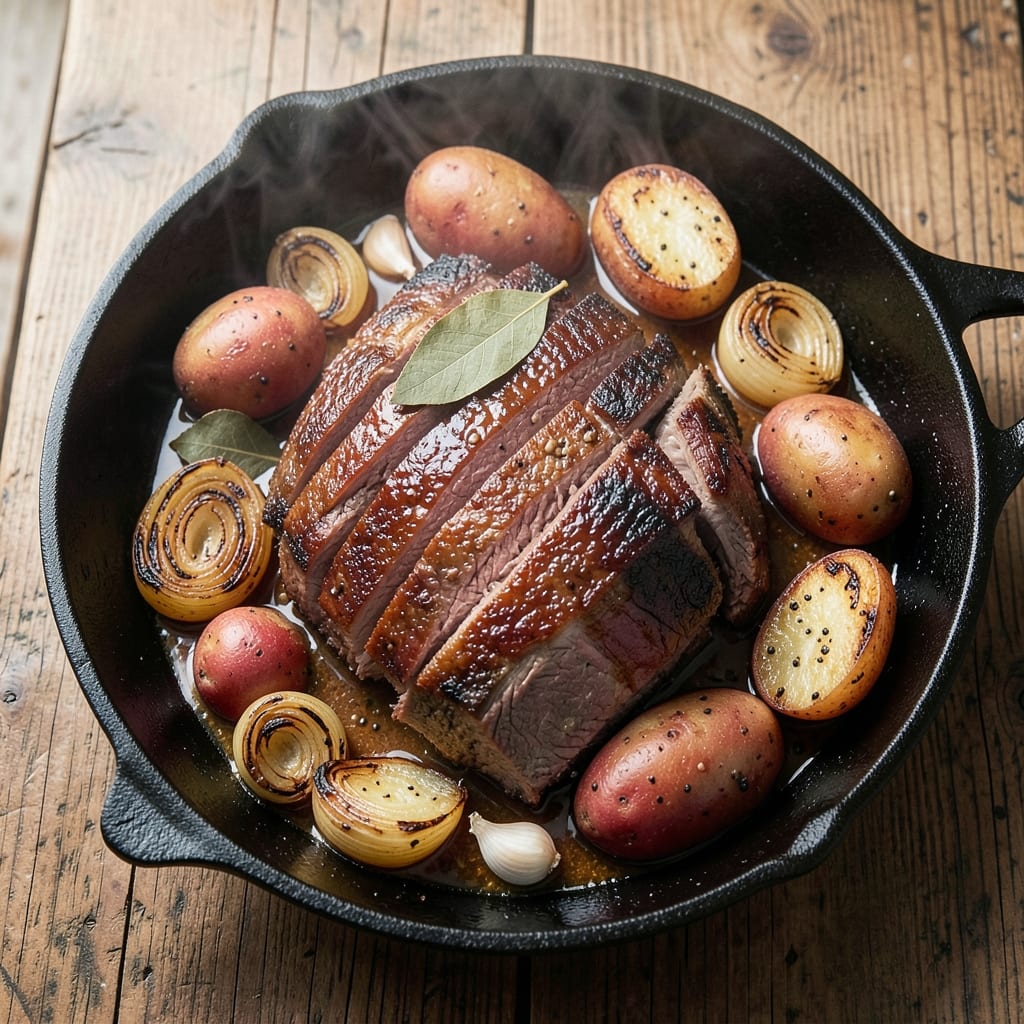
This Atk corned beef recipe transforms a classic St. Patrick’s Day centerpiece into a restaurant-quality showstopper with crispy potatoes that steal the show. The secret lies in a precise brining process and slow-cooking method that guarantees fork-tender meat every time—no guesswork, just guaranteed results. I’ve perfected this technique for years, and it’s the only way I’ll ever make corned beef again.
The magic starts with the brine, where salt, sugar, and spices penetrate the meat deeply over 24 hours, ensuring maximum flavor and tenderness. Then, the slow cook transforms tough cuts into melt-in-your-mouth perfection while keeping the potatoes golden and crispy on the outside, fluffy inside. This isn’t your grandmother’s pot roast—it’s a dish that commands attention at any table.
By the time you serve it, you’ll have crispy potatoes that hold their shape, corned beef so tender it falls apart at the touch, and a rich, savory broth that’s perfect for dipping. The aroma alone will have your guests gathering before the meal even begins. This is the kind of dish that turns a holiday dinner into a memorable experience.
Pair it with classic sides like cabbage, mustard sauce, or a fresh carrot salad for the full Irish spread. The techniques here are foolproof—no shortcuts, just restaurant-quality results that taste like they’ve been simmering for hours. Let’s get cooking.
Ingredients for atk corned beef
The secret to restaurant-quality corned beef starts with these 15 ingredients and a 24-hour brine.
| Ingredient | Amount | Notes |
|---|---|---|
| Beef Brisket 🥩 | 4 lb | Whole packer cut, 2-3 inches thick |
| Yellow Onions 🧅 | 2 whole | Medium size, sliced into wedges |
| Russet Potatoes 🥔 | 3 lb | Yukon Gold preferred for crispiness |
| Bay Leaves 🍃 | 4 whole | Fresh preferred, tied in bundle |
| Garlic Cloves 🧄 | 8 cloves | Smashed but not minced |
| Kosher Salt 🧂 | 3 cups | Diamond Crystal preferred |
| Brown Sugar 🍯 | 1 cup | Light or dark, packed |
| Black Peppercorns 🌶️ | 1 tbsp | Freshly cracked preferred |
| Mustard Seeds 🌶️ | 1 tbsp | Yellow or brown variety |
| Allspice Berries 🌿 | 1 tsp | Crushed lightly |
| Cloves 🌿 | 4 whole | Whole, not ground |
| Apple Cider Vinegar 🍎 | ½ cup | Unfiltered preferred |
| Beef Broth 💧 | 3 cups | Low-sodium preferred |
| Olive Oil 🫒 | ¼ cup | Extra-virgin for roasting |
| Fresh Thyme 🌿 | ¼ cup | Stems removed, chopped |
The brisket is non-negotiable—packer cut from Costco or Whole Foods gives the best texture. Look for good marbling and ask the butcher to trim excess fat if needed. Russet potatoes are key for crispiness, but Yukon Golds add creaminess. For the spices, Penzeys or bulk bins ensure freshness—ground spices lose potency fast. The apple cider vinegar should be unfiltered for depth of flavor, and Trader Joe's has a great organic option. Don't skip the bay leaves—tie them in a bundle to remove easily later. The beef broth should be low-sodium to control seasoning.
No Diamond Crystal salt? Morton kosher salt works too—just use the same amount. Running short on mustard seeds? Dijon mustard at double the amount adds tang without the crunch. Fresh thyme unavailable? Dried thyme at one-third the amount suffices. The brisket can be swapped for beef chuck roast if brisket's unavailable, but it'll be slightly less tender. For the potatoes, parboiling first ensures they stay crispy during the long cook. The allspice and cloves are traditional but optional—skip them if your spice cabinet's sparse.
The brined brisket keeps 3 days in the fridge before cooking, but start it ASAP for best flavor. Potatoes can be prepped a day ahead—just store them in cold water to prevent browning. The cooked corned beef reheats beautifully—350°F for 20 minutes with fresh broth. Leftovers? Shred and use in sandwiches or hash for 4-5 days. The broth freezes well for up to 3 months—perfect for future soups or gravies. Store all components airtight to preserve moisture.
Why You'll Love This Recipe
- One-Pot Magic: I swear by this recipe—just toss the brisket, potatoes, and onions in one pot with garlic and bay leaves, and let it simmer. No chopping boards, no extra pans, just pure, hands-off cooking. The onions caramelize right in the pot, and the potatoes soak up all that rich beef flavor without falling apart.
- Deep, Savory Crunch: That crispy edge on the brisket? It’s the secret weapon. The slow cook transforms tough brisket into melt-in-your-mouth perfection, while the garlic and bay leaves infuse every bite with warm, earthy depth. Honestly, the first time I tried it, I nearly burned the kitchen waiting for it to finish.
- Leftovers That Beg for More: Between us, this dish tastes better the next day. The flavors meld into something even richer, and reheating it is a breeze—just a splash of water or broth, and it’s back to glorious. I’ve packed it for lunches, served it at potlucks, and even turned it into a quick hash the day after. It’s my go-to for lazy Sundays.
- Budget-Friendly Crowd-Pleaser: Brisket is cheaper than you’d think, and a single pot feeds a family of four (or two very hungry adults). The potatoes stretch the meal, and the onions add bulk without breaking the bank. Plus, the leftovers? They’re my secret weapon for stretching meals all week. Not the prettiest, but the taste makes up for it every time.
Step-by-step instructions for St. patrick's day corned beef with crispy potatoes
Here's how to transform a simple brisket into a showstopping centerpiece with tender meat and golden potatoes.
Prepare the Corned Beef Spice Rub
In a large bowl, combine the 3 cups kosher salt, 1 cup brown sugar, 1 tablespoon black peppercorns, 1 tablespoon mustard seeds, 1 teaspoon allspice berries, 4 whole cloves, and 4 whole bay leaves. Crush the peppercorns, allspice, and cloves lightly with a mortar and pestle or rolling pin—just enough to break them open so their flavors can infuse.
Add the 8 smashed garlic cloves and 0.25 cup chopped fresh thyme to the mixture. Stir everything together until the salt and sugar form a coarse, even blend that clings to your fingers. This dry rub will create the signature corned beef flavor while tenderizing the meat. I like to press the rub firmly into the brisket so it doesn't fall off during cooking.
Cure and Braise the Beef
Place the 4 lb beef brisket in a large, non-reactive container or Dutch oven large enough to hold it comfortably. Rub the spice mixture all over the meat, including the fat cap, and press it in well. Pour the 0.5 cup apple cider vinegar and 3 cups beef broth over the brisket, ensuring it's fully submerged. Cover and refrigerate for 3-5 days, turning the brisket once daily.
This curing process transforms tough brisket into tender, flavorful corned beef. The acidity from the vinegar and broth breaks down the muscle fibers, while the spices infuse deeply. After 3 days, you'll smell that unmistakable corned beef aroma—this is your signal it's ready for braising. If you're short on time, you can reduce the cure to 2 days, but the flavor will be less developed.
Roast the Potatoes for Crispy Perfection
Preheat your oven to 425°F. While the beef cures, prepare the potatoes by scrubbing and cutting the 3 lb russet potatoes into 1-inch thick wedges. Toss them in a large bowl with the 0.25 cup olive oil, 1 teaspoon salt, and 0.5 teaspoon black pepper. Spread them in a single layer on two rimmed baking sheets.
Roast for 25-30 minutes, flipping them halfway through, until the edges are deep golden brown and crispy. The potatoes should feel firm to the touch but still tender inside. Here's the thing—don't overcrowd the pan. If they're too close, they'll steam instead of crisp. Remove them and set aside while you finish the beef.
Braise the Corned Beef to Tender Perfection
Remove the brisket from the curing liquid and rinse it thoroughly under cold water to remove excess salt. Place it in a Dutch oven or heavy pot with a tight-fitting lid. Add the 2 whole yellow onions, sliced into wedges, along with the curing liquid (strain it first to remove any bay leaves). Pour in enough water to come about halfway up the sides of the brisket.
Bring to a boil over high heat, then reduce to a simmer, cover, and cook for 3-4 hours until the meat is fork-tender. The internal temperature should reach 205°F—this is when the collagen fully breaks down. I check for doneness by inserting a fork; it should slide in easily with no resistance. Skim any foam that rises to the surface during cooking to keep the broth clear.
Rest and Slice for Maximum Juiciness
Once the beef is tender, remove it from the pot and let it rest on a cutting board for 20-30 minutes. This resting period allows the juices to redistribute throughout the meat, ensuring every slice is moist and flavorful. While it rests, strain the cooking liquid through a fine-mesh sieve into a clean pot and skim off any remaining fat. You'll use this for serving.
Slice the brisket against the grain into ¼-inch thick slices. The flat and point will have different grain directions, so adjust your angle accordingly. Serve the corned beef with the crispy potatoes, warm the broth separately, and spoon it over the top. The contrast of tender beef, crispy potatoes, and rich broth makes this dish a true St. Patrick's Day showstopper.
Pro Tips For Making Atk Corned Beef
- SCORE THE BRISKET: Use a sharp knife to cut shallow slits (about ¼-inch deep) across the fat cap before browning—this lets flavor penetrate deeper and renders fat more evenly. I learned this the hard way after serving a brisket where the outer layer tasted great but the center stayed bland. ---
- PEEL POTATOES LAST: Toss whole, unpeeled potatoes into the pot with the brisket—peeling them after cooking saves time and keeps starch from clouding the broth. (Yes, even if you’re impatient like me, the extra 10 minutes pays off.) ---
- DON’T CROWD THE PAN: Brown the brisket in batches if needed—overloading the pot steams instead of sears, and you’ll end up with soggy onions instead of caramelized flavor. A hot, slightly crowded pan is fine for the first 2 minutes, but after that, space matters. ---
- CRUSH GARLIC CLOVES: Smash the garlic cloves with the flat side of your knife before adding them—this releases more flavor without burning. I was skeptical until I tried it; now I never go back.
Essential equipment for atk corned beef
Dutch Oven
The Dutch oven is my non-negotiable tool for this recipe—it’s the only pot that can handle the 3-4 hour braise while maintaining even heat distribution. I swear by the Lodge 5.5-quart with its cast iron construction—it holds heat like a dream and prevents hot spots that can dry out the beef. If you don’t have a Dutch oven, a heavy enameled pot like All-Clad or Le Creuset works too, but avoid thin aluminum or nonstick—those can’t handle the prolonged cooking time. 🔥
Meat Thermometer
A meat thermometer is essential for achieving 205°F internal temperature without overcooking. I use the ThermoWorks Smoke—it’s got a dual-probe feature that lets me monitor both the beef and the pot temperature simultaneously. For budget-friendly options, the Taylor Precision or OXO Good Grips are reliable. Insert the probe into the thickest part of the brisket, avoiding fat pockets, and check it every 30 minutes after the 2-hour mark to avoid surprises. ⏰
Mortar and Pestle
For crushing peppercorns, allspice berries, and cloves, a mortar and pestle is a game-changer. I prefer KitchenAid’s stainless steel model because it’s durable and doesn’t absorb flavors. If you’re in a pinch, a rolling pin or even a ziplock bag with a heavy object (like a cast-iron skillet) works—just smash until the spices break open enough to release their oils. This step is crucial for developing the deep, complex flavors in the corned beef. 🌿
Rimmed Baking Sheets
For crispy potatoes, you need rimmed baking sheets—they prevent wedges from sliding off during flipping. I use half-sheet pans (18x13 inches) from Wilton because they fit two trays side-by-side in my oven. Avoid wire racks unless you’re roasting small batches—potatoes need direct contact with the hot surface to crisp properly. Pro tip: Line them with parchment paper for easy cleanup, but leave the edges bare for maximum crispiness. 🥔
Fine-Mesh Sieve
A fine-mesh sieve is key for straining the broth after braising—it removes any stray spices or bay leaves while keeping the liquid smooth. My go-to is the OXO Good Grips because it’s sturdy and easy to clean. If you don’t have one, a cheesecloth works in a pinch, but it’s messier. Skim off the fat after straining to keep the broth light and flavorful—this is what you’ll serve over the potatoes for that restaurant-quality finish. 💧
Sharp Carving Knife
Slicing corned beef against the grain requires a sharp carving knife—I use a Dexter-Russell 12-inch with a flexible blade to glide through the meat cleanly. A serrated knife or chef’s knife won’t give you the same precision. If your knife is dull, take 5 minutes to hone it on a whetstone before slicing—it makes all the difference in presentation and texture. Trust me, ¼-inch slices look and taste better when they’re even and tender. ✨
Nutrition facts
Frequently asked questions
How long can I brine the beef before cooking?
The ideal brining time is 3-5 days for maximum flavor and tenderness. After 3 days, you'll notice that signature corned beef aroma—this is your cue it's ready. If you're short on time, 2 days works, though the flavor will be slightly less developed. Never exceed 5 days as over-brining can make the meat mushy.
Can I make this recipe without a Dutch oven?
Yes, but use a heavy enameled pot like All-Clad or Le Creuset instead. Avoid thin aluminum or nonstick—these can't handle the 3-4 hour braise without hot spots. The key is even heat distribution to prevent dry beef. If using a slow cooker, transfer the brined beef after 2 hours of stovetop braising to finish cooking.
What's the best way to reheat leftovers?
Reheat sliced corned beef in a 350°F oven for 20 minutes with fresh beef broth to maintain moisture. For potatoes, warm them on a baking sheet at 400°F for 10 minutes until crispy again. Never microwave—it turns the meat rubbery. Leftovers keep for 4-5 days refrigerated or 3 months frozen in airtight containers.
Why does my corned beef turn out dry?
Overcooking or skipping the 20-minute rest after braising are common culprits. Always use a meat thermometer to hit 205°F internal temperature—no guessing! Also ensure your pot has enough liquid (halfway up the beef) and avoid lifting the lid frequently during cooking. The fat cap should remain intact to baste the meat naturally.
Can I substitute brisket with another cut?
Beef chuck roast works in a pinch but won't be as tender. For best results, stick with brisket. If using chuck, increase braising time to 4-5 hours and monitor closely. Never use flank steak or sirloin—these cuts are too lean and will dry out. The key is choosing a well-marbled cut that can handle long, moist cooking.