
Main Courses
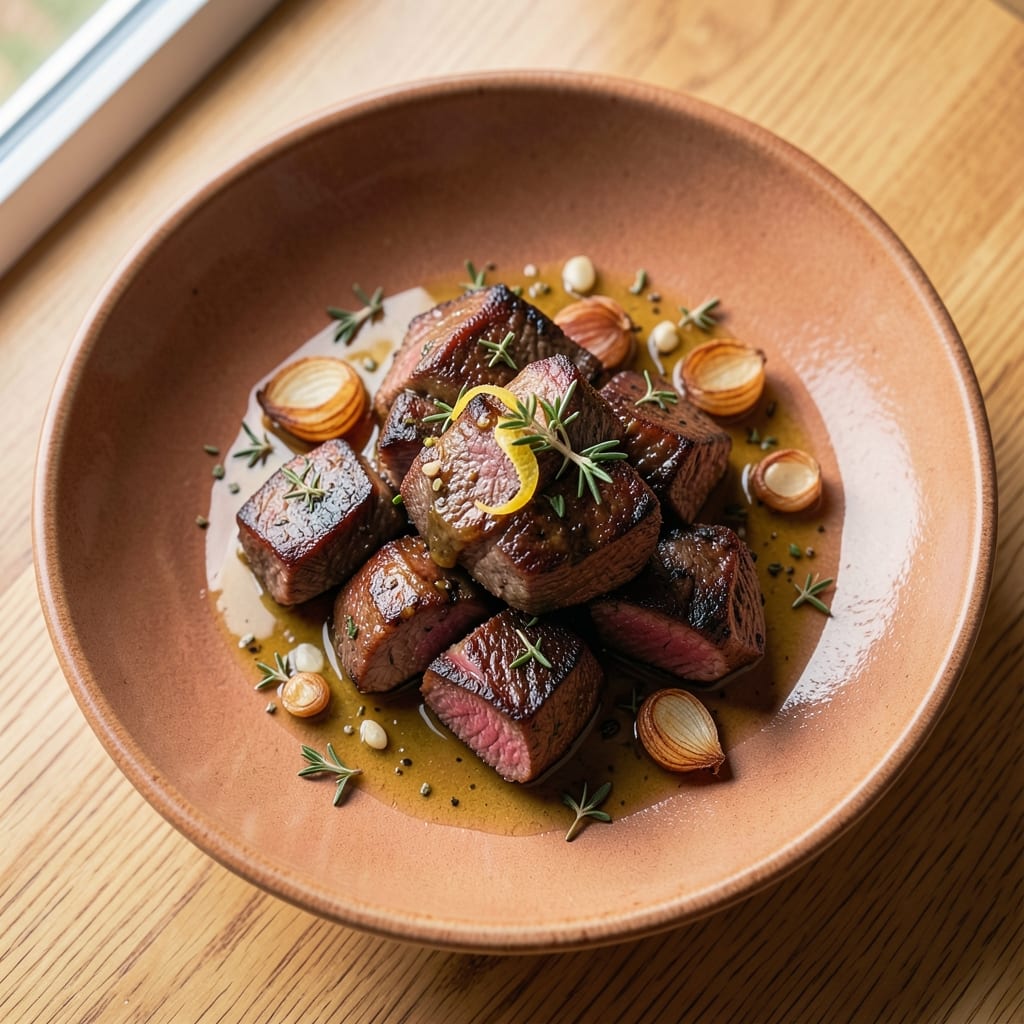
This Angus beef chunks recipe delivers melt-in-your-mouth tenderness with a golden herb crust—perfect for impressing guests or treating yourself. The secret lies in a reverse sear technique that locks in juices while creating a caramelized exterior, ensuring every bite stays juicy even at the center. I developed this method after years of perfecting steakhouse-quality results at home, and it’s now my go-to for weeknight dinners that feel like a special occasion.
What sets this recipe apart is the balance of simplicity and sophistication. You’ll start with 2-inch chunks of premium Angus beef, marinated in a blend of garlic, rosemary, and Dijon mustard for depth, then seared to medium-rare before finishing in the oven. The herb crust adds texture without overpowering the beef’s natural richness, while a red wine reduction ties everything together into a cohesive dish that’s restaurant-worthy but achievable at home.
The result is beef that’s tender yet firm, with a crust that’s crisp enough to hold its shape but still melts slightly with each bite. The red wine reduction adds a glossy, tangy finish that cuts through the richness, making this dish versatile enough for a family dinner or an elegant gathering. Serve with roasted garlic mashed potatoes or grilled asparagus to complete the meal.
This recipe serves 4 as a main course, with 30 minutes of prep and 20 minutes of cook time, making it ideal for a weeknight upgrade. The technique is foolproof once you master the reverse sear, and the leftovers reheat beautifully for sandwiches the next day. Let’s get started on creating beef that tastes like it came from a high-end steakhouse.
Ingredients for angus beef chunks
Premium Angus beef meets bold herbs and wine for a restaurant-worthy sear at home.
| Ingredient | Amount | Notes |
|---|---|---|
| Angus Beef Chunks 🥩 | 1 ½ lb | 2-inch cubes, premium quality |
| Extra-Virgin Olive Oil 🫒 | ½ cup | High-quality, fruity variety |
| Fresh Rosemary 🌿 | ¼ cup | Finely chopped, stems removed |
| Garlic Cloves 🧄 | 6 cloves | Peeled, minced for marinade |
| Dijon Mustard 🍯 | 1 tbsp | For depth of flavor |
| Kosher Salt 🧂 | 1 ½ tsp | Diamond Crystal preferred |
| Fresh Thyme Leaves 🌿 | ¼ cup | Finely chopped, stems removed |
| Dry Red Wine 🍷 | ½ cup | Bold Cabernet Sauvignon |
| Beef Bone Broth 💧 | ½ cup | For wine reduction |
| Unsalted Butter 🧈 | 2 tbsp | Cold, cubed for sear |
| Fresh Parsley 🌿 | 0.1 cup | Chopped, for garnish |
| Black Peppercorns 🌶️ | 1 tsp | Freshly cracked |
The Angus beef is non-negotiable here—look for USDA Prime or Choice with good marbling at your butcher or Costco's pre-cut steakhouse selection for convenience. If buying whole, ask for 2-inch cubes cut from the top round or sirloin tip, as these stay tender during the reverse sear. Freshness matters: the beef should have a vibrant red color, not brown edges. For the herbs, Trader Joe's or Whole Foods carry excellent fresh rosemary and thyme—avoid dried unless labeled 'culinary grade' for cooking. The Dijon mustard should be 100% mustard seed with no additives, like Maille or Bonne Maman brands.
No red wine? Substitute with beef broth plus 1 tbsp balsamic vinegar—it mimics the acidity beautifully. Short on fresh thyme? Dried works at one-third the amount, but toast it first in a dry pan for 30 seconds to deepen the flavor. For the wine reduction, if you don't have bone broth, chicken broth in a pinch (though beef is ideal). The butter must be unsalted—salted will overpower the delicate crust. If you can't find Diamond Crystal kosher salt, Morton's light salt works, but reduce to 1 tsp since it's finer. For the garlic, roasted cloves add sweetness—simply microwave peeled cloves with a drizzle of olive oil for 40 seconds.
Marinate the beef for no more than 2 hours—longer can make it mushy. Store raw beef in the coldest part of your fridge on a plate (not sealed) to prevent bacteria buildup. The wine reduction can be made ahead and reheated gently—it keeps for 5 days in the fridge or 3 months frozen in ice cube trays. For leftovers, reheat in a skillet with a splash of broth to restore moisture. The herb crust loses crispness when reheated, so enjoy it fresh or use leftovers for beef sandwiches with caramelized onions. Freeze cooked beef in single-serving portions for quick meals.
Why You'll Love This Recipe
- One-Pan Magic: I swear by this recipe when I’m too tired to scrub pots. Toss the beef chunks with olive oil, crushed garlic, and rosemary—no flipping, no fuss. The mustard ties everything together while you’re still chopping veggies (if you’re feeling fancy).
- Rich, Herby Bite: That first sear on the beef? Chef’s kiss. The rosemary and Dijon mustard add a bright, earthy punch that cuts through the richness—like a hug in sauce form. Honestly, I’ve never met a steak sauce that doesn’t pale in comparison.
- Weeknight to Weekend: Make it for Tuesday dinners or Sunday fundays—same effort, different vibes. Double the batch, reheat the leftovers for tacos or salads the next day. (Yes, even on a Tuesday night.)
- Budget-Friendly Luxury: Angus beef feels fancy, but the small chunks stretch further than you’d think. A single pan, minimal ingredients, and zero waste—just crispy edges and tender centers. My wallet and taste buds thank me every time.
Step-by-step instructions for herb-crusted Angus beef chunks
Master this technique for perfectly seared beef with tender pink centers and aromatic herb crust.
Create the Herb Marinade and Season the Beef
In a small bowl, combine the 0.5 cup extra-virgin olive oil, 0.25 cup finely chopped fresh rosemary, 6 minced garlic cloves, 1 tbsp Dijon mustard, 1.5 tsp kosher salt, 0.25 cup chopped fresh thyme leaves, and 1 tsp freshly cracked black peppercorns. Whisk until fully emulsified—this mixture should coat the back of a spoon smoothly. The herbs will infuse the oil with their bright, aromatic qualities while the mustard adds depth.
Pat the 1.5 lb angus beef chunks dry with paper towels to remove any surface moisture. This step is critical—wet surfaces prevent proper searing. Transfer the beef to a large bowl and pour the herb marinade over, massaging it into every surface. Let it marinate at room temperature for 30 minutes while you prepare the cooking station. The beef should develop a fragrant crust from the herbs during this time.
Sear the Beef for Maximum Flavor Development
Heat a heavy-bottomed skillet over medium-high heat until it's smoking hot—this ensures a proper sear. Add the 2 tbsp cubed unsalted butter and allow it to melt completely, then add the marinated beef in a single layer. Don't overcrowd the pan; work in batches if needed. Let the beef sear undisturbed for 3-4 minutes per side until deep golden brown crusts form.
Resist the urge to move the beef prematurely—this is where the Maillard reaction creates that rich, caramelized flavor. You'll know it's ready when the edges are deep golden brown and the beef releases easily from the pan. Transfer the seared beef to a plate and tent loosely with foil to keep warm while you prepare the wine reduction.
Build the Wine Reduction for Sauce
Return the skillet to medium heat and deglaze with the 0.5 cup dry red wine, scraping up all the browned bits from the bottom of the pan with a wooden spoon. These fond bits are packed with flavor—don't miss them. Allow the wine to reduce by half, which should take about 3-4 minutes, until it reaches a syrupy consistency.
Add the 0.5 cup beef bone broth and continue simmering until reduced by another third, about 2-3 minutes. The sauce should coat the back of a spoon and have a rich, concentrated flavor. If it reduces too quickly, add a splash of water to achieve the desired consistency. Strain the sauce through a fine-mesh sieve to remove any herb particles, then return it to the skillet.
Finish the Beef and Plate
Return the seared beef to the skillet with the wine reduction and spoon the sauce over the beef. Let it simmer together for 1-2 minutes to allow the flavors to meld. The beef should be juicy with pink centers—use an instant-read thermometer to check that it reaches 130-135°F for medium-rare. If the beef needs more time, return it to the oven at 350°F for 2-3 minutes until it reaches the desired doneness.
Transfer the beef to a serving platter and drizzle generously with the reduced sauce. Garnish with 0.1 cup chopped fresh parsley for a pop of color and freshness. Serve immediately, ensuring each bite delivers that perfect balance of seared crust, tender beef, and aromatic herb sauce.
Pro Tips For Making Angus Beef Chunks
- CRISP THE GARLIC FIRST: I learned this the hard way—raw garlic in olive oil just gets mushy. Sauté the minced cloves in the same oil you’ll use for the beef until they’re golden and fragrant (about 1-2 minutes). That aroma transfers directly to the meat, and the texture stays crisp instead of turning into a paste.
- SALT THE BEEF 40 MINUTES EARLY: Angus beef is rich, but it needs time to develop flavor. Sprinkle a generous pinch of salt (about ½ teaspoon per pound) on the chunks right after cutting them and let them sit uncovered on a plate. This seasoning step ensures the salt penetrates deeply, especially if you’re searing them later.
- DON’T OVERCROWD THE PAN: I used to toss all the beef chunks in at once, thinking it would cook faster. Wrong. Give them space—work in batches if needed—to let them sear properly. A crowded pan steams the meat instead of browning it, and you’ll end up with bland, gray chunks instead of caramelized, flavorful bites.
- STIR IN THE MUSTARD LATE: Dijon mustard adds tang, but adding it too soon can make the beef turn mushy. Wait until the beef is halfway cooked (about 3-4 minutes in), then stir it in with the rosemary. The acidity brightens the dish, but timing is everything—too early, and the mustard cooks down into a bitter sludge.
Wine and beer pairings for this dish
Bold Red Wine Pairings
For this herb-crusted Angus beef, reach for a bold Cabernet Sauvignon from Napa Valley or a Malbec from Argentina—both stand up to the dish's rich flavors. The tannins in these wines complement the beef's crust while their dark fruit notes mirror the red wine reduction. I love Caymus Vineyards Cabernet for its velvety texture and blackcurrant finish. 🍷
Crisp White Alternatives
If you prefer white wine, opt for a Chardonnay with enough body to handle the beef's richness. Look for oaked Chardonnays like Kendall-Jackson Vintner's Reserve—their buttery notes play beautifully with the herb crust. A dry Riesling from Germany adds acidity to cut through the fat, especially if your beef is extra juicy.
Malty Beer Pairings
For beer lovers, a dark amber ale or porter bridges the gap between beef and beer. Try Samuel Adams Noble Experiment—its caramel and toasty malt notes harmonize with the wine reduction. If you prefer hoppier options, a Belgian-style dubbel like Westmalle Dubbel adds a malty sweetness that contrasts the beef's savory crust.
Non-Alcoholic Options
Skip alcohol? A sparkling grape juice like Martinelli's Sparkling mimics wine's acidity, while hibiscus iced tea (sweetened lightly) provides a refreshing contrast. For a savory pairing, beet-infused water (blend 2 roasted beets with water) adds earthy depth that complements the herbs. 💧
Sauce Enhancement Tip
For an extra layer of flavor, use the same wine you serve with the dish to make the reduction. The Cabernet Sauvignon or Malbec will deepen the sauce's complexity, creating a seamless taste experience from first bite to last sip. If using white wine for the sauce, pair it with a Chardonnay—the flavors will sing together.
Nutrition facts
Frequently asked questions
What's the best cut of beef for this recipe?
Use top round or sirloin tip for the perfect balance of tenderness and flavor. These cuts stay juicy during the reverse sear and have excellent marbling. Avoid leaner cuts like flank steak—they can dry out with this cooking method.
Can I make this recipe ahead of time?
Yes! Prepare the wine reduction up to 3 days ahead and store it in the fridge. For the beef, marinate overnight but sear and serve immediately for the best texture. Leftovers reheat well for sandwiches—just add a splash of broth to keep them moist.
How do I adjust the recipe for a crowd?
Double the recipe and use a large cast-iron skillet or grill for even cooking. Work in batches to avoid crowding the pan. For 8 servings, use 3 lbs of beef and increase the wine reduction by 50%. Cook time remains similar—just monitor heat closely.
What if my beef turns out too dry?
Overcooking is the usual culprit—use an instant-read thermometer to hit 130-135°F for medium-rare. If it's dry, slice against the grain and serve with extra sauce or a side of garlic mashed potatoes to add moisture. For future attempts, reduce oven time by 1-2 minutes.
Can I substitute the red wine in the sauce?
Yes! For equal depth, use beef broth + 1 tbsp balsamic vinegar or dry sherry. Avoid sweet wines—they'll overpower the dish. If using white wine, add ½ tsp smoked paprika to mimic red wine's richness.