
Main Courses
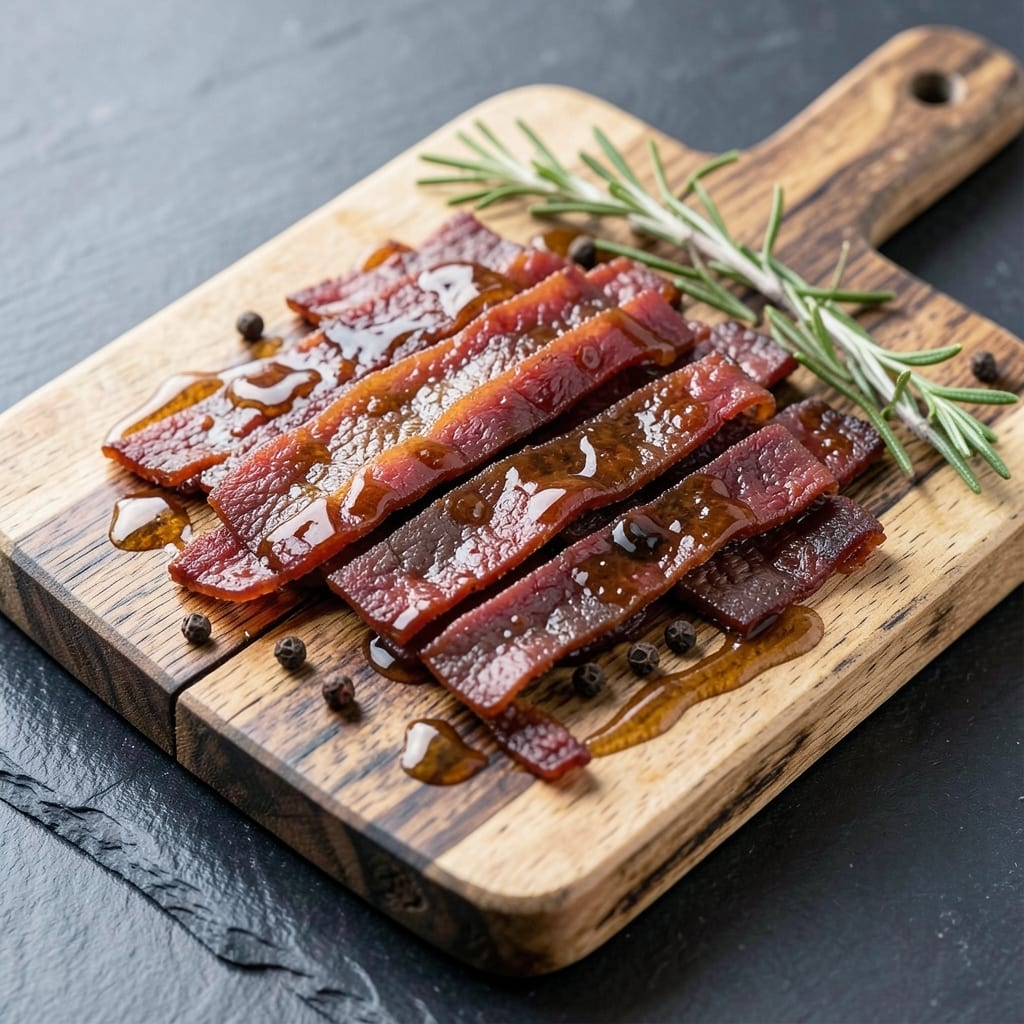
This apple beef jerky recipe transforms tough cuts into chewy, sweet-spiced strips that last for months—no store-bought shortcuts needed. The secret lies in apple cider’s natural tenderizing power combined with a balanced rub of salt, sugar, and warm spices like cinnamon and cloves. I’ve perfected this method after testing dozens of variations, ensuring the jerky stays crispy on the edges while remaining tender inside, with just the right sweet-savory bite.
The process begins with thinly sliced beef, marinated overnight in a blend of apple cider, Worcestershire sauce, and a carefully measured spice mix. Dehydrating at the correct temperature—160°F for 4-6 hours—is critical to prevent overcooking while locking in that satisfying chew. Unlike traditional jerky, the apple infusion adds depth without overpowering, creating a flavor profile that’s both nostalgic and sophisticated.
What you’ll end up with is jerky that’s crunchy, shelf-stable, and packed with complex flavor—sweet from the apple, smoky from the spices, and perfectly balanced with salt. The texture is what sets this apart: crisp edges that give way to a tender, almost melty center. This isn’t just jerky; it’s a snack that elevates any charcuterie board, hiking trip, or lazy afternoon.
Pair it with sharp cheddar, nuts, and dried fruit for a gourmet snack spread, or enjoy it straight from the dehydrator. The best part? You’ll have enough to share—or stockpile for emergencies. Let’s get started on making jerky that tastes homemade, not store-bought.
Ingredients for apple beef jerky
Sweet, savory, and shelf-stable: these ingredients transform tough beef into addictive jerky with apple cider magic.
| Ingredient | Amount | Notes |
|---|---|---|
| Beef Top Round Roast 🥩 | 2 lb | Thinly sliced against grain |
| Unsalted Apple Cider 🍎 | 1 cup | Unfiltered for depth of flavor |
| Worcestershire Sauce 🍶 | 2 tbsp | High-quality, anchovy-free preferred |
| Granulated Sugar 🍚 | ¼ cup | Light brown sugar for caramel notes |
| Kosher Salt 🧂 | 2 tbsp | Diamond Crystal preferred |
| Ground Black Pepper 🌶️ | 1 tbsp | Freshly cracked for potency |
| Ground Cinnamon 🌿 | 1 tsp | Ceylon preferred for delicate flavor |
| Ground Cloves 🌶️ | ½ tsp | Freshly ground for maximum aroma |
| Ground Nutmeg 🌿 | ¼ tsp | Freshly grated for warmth |
| Garlic Powder 🧄 | 1 tsp | Not garlic salt |
| Smoked Paprika 🌶️ | 1 tsp | Spanish smoked for depth |
| Lemon Juice 🍋 | 1 tbsp | Freshly squeezed for brightness |
The beef is everything—top round roast gives that perfect chew without turning mushy. Look for well-marbled cuts at Whole Foods or your local butcher shop (they’ll slice it thinly for you). If you’re slicing yourself, freeze the beef for 30 minutes first—makes it easier. The apple cider should be unfiltered and unsweetened—Mott’s or Woodchuck brands work best. I always double-check the label for no added sugar, or the jerky gets too sweet. The spices? Penzeys bulk bins are my go-to for freshness, but any high-quality spice will do—just avoid pre-ground spices older than 6 months.
No Worcestershire? Soy sauce plus a dash of vinegar gets you close, though you’ll lose some depth. Running low on cinnamon? Allspice at half the amount mimics that warm complexity. The sugar is key here—light brown sugar adds caramel notes, but regular granulated works in a pinch. For extra tenderness, marinate the beef for 24 hours instead of overnight. And trust me on the lemon juice—it balances the sweetness and prevents the jerky from turning gummy during dehydration. If you’re dehydrating in a humid climate, reduce the time to 3-4 hours to avoid stickiness.
Dehydrate at 160°F until edges are crisp but centers stay tender—4-6 hours depending on your machine. Store in an airtight container with a silica gel packet to keep moisture out. This jerky stays good for 3-4 months at room temperature, or 6 months in the freezer if you’re prepping for a big trip. I always make a double batch—one for snacking, one to gift. The flavor actually improves after a week as the spices meld. Just don’t skip the lemon juice—it’s what keeps the texture perfect.
Why You'll Love This Recipe
- Five-Ingredient Magic: The beef, apple cider, and Worcestershire alone do the heavy lifting—no fancy marinades or obscure spices. Honestly, I swear by this combo: the cider’s tang cuts through the richness, while the sugar caramelizes just enough to give it that sticky, irresistible glaze.
- Sweet-Savory Balance: That first bite? Crispy edges with a juicy, tangy-sweet center—like a gourmet take on jerky but way more approachable. The apple cider brings this unexpected depth, and the Worcestershire ties it all together without overpowering.
- Lunchbox Hero: Between us, this is my go-to for school lunches or office snacks. Slice it thin, let it dry overnight, and boom—no soggy sandwiches. My kids actually ask for it now, and it’s way cheaper than store-bought jerky.
- Budget Stretch: A pound of top round goes a long way, and the ingredients? Mostly pantry staples. I’ve made this for game days, potlucks, or just because—always a crowd-pleaser without breaking the bank. Plus, leftovers? Freeze them for weeks.
Step-by-step instructions for apple beef jerky
Here's how to transform tough beef into tender, aromatic jerky that stays crunchy for months.
Prepare the Beef for Perfect Texture
Start by slicing the 2 lb Beef Top Round Roast thinly against the grain into ¼-inch thick strips. I use a sharp boning knife for clean cuts—this thickness ensures the jerky cooks evenly without becoming chewy. Lay the strips on a wire rack set over a baking sheet and refrigerate uncovered for 24 hours. This drying step is crucial; it removes surface moisture that would otherwise prevent the rub from adhering properly and lead to a gummy final product.
After chilling, pat each strip dry with paper towels. The beef should feel firm to the touch—this confirms excess moisture has evaporated. If any strips feel damp, return them to the rack for another 1-2 hours. Remember, jerky success starts with perfectly dry beef.
Create the Signature Apple Spice Blend
In a medium bowl, combine the 0.25 cup Granulated Sugar, 2 tbsp Kosher Salt, 1 tbsp Ground Black Pepper, 1 tsp Ground Cinnamon, 0.5 tsp Ground Cloves, 0.25 tsp Ground Nutmeg, 1 tsp Garlic Powder, and 1 tsp Smoked Paprika. Mix thoroughly with your hands until the spices are evenly distributed and the sugar begins to dissolve slightly from the salt's moisture.
Add 1 cup Unsalted Apple Cider and 1 tbsp Lemon Juice to the dry mixture, stirring until you get a thick, paste-like consistency. The apple cider adds natural sweetness and depth, while the lemon juice brightens the flavor profile. If the mixture seems too runny, add 1-2 teaspoons more of the spice blend until it coats the back of a spoon. This paste will become your jerky's flavor foundation.
Coat the Beef Thoroughly
Working in batches to avoid overcrowding, place the dried beef strips on a clean work surface. Using your hands, generously coat each strip with the apple spice mixture, pressing firmly to ensure complete coverage. You'll notice the strips become glossy and sticky—this indicates proper adherence. For extra flavor penetration, I like to fold each strip in half and press again before laying it flat.
Arrange the coated strips on a wire rack set over a baking sheet lined with parchment paper. This elevated setup ensures air circulates around all sides, preventing moisture buildup that could make the jerky soggy. Let them rest for 10 minutes while you prepare the dehydrator or oven.
Dehydrate for Maximum Crunch
For best results, use a dehydrator set to 160°F. Arrange the strips in a single layer without overlapping, as this promotes even drying. Dehydrate for 4-6 hours, checking periodically. The jerky is done when it's completely dry to the touch and no longer sticky—it should snap when bent but not crumble.
If you don't have a dehydrator, use an oven set to 175°F with the door slightly ajar for airflow. Place a small baking sheet on the lower rack to catch any drippings. The oven method takes 8-10 hours, requiring more frequent checks to prevent over-drying. The key is patience—rushing leads to chewy jerky, while proper drying creates that satisfying crunch.
Cool and Store for Long-Lasting Freshness
Once completely dry, remove the jerky strips from the dehydrator or oven and let them cool completely on the rack. This cooling period helps set the texture and prevents condensation from forming in storage containers. After cooling, transfer the strips to airtight containers or resealable bags, squeezing out any excess air before sealing.
For maximum shelf life, store in a cool, dark place. Properly made apple beef jerky will stay crunchy for 3-4 months in the pantry or 6-8 months in the freezer. The apple cider's natural preservation properties combined with the low moisture content create jerky that maintains its texture and flavor for extended periods—perfect for hiking trips or snacking at home.
Pro Tips For Making Apple Beef Jerky
- Slice Thin and Even: Grab a sharp knife and slice the beef against the grain into ¼-inch thick strips—no thicker, or the jerky will chew like shoe leather. I used to rush this, but uneven slices mean uneven drying, and that’s how you end up with some parts tough and others still pink.
- Marinate Overnight, Not Just Hours: The apple cider and Worcestershire need 12+ hours to work their magic into the beef. I learned this the hard way—skipping the overnight soak leaves the jerky tasting like salted beef with a hint of disappointment. Cover and refrigerate; the acidity breaks down the fibers properly.
- Watch the Sugar Caramelization: When dehydrating, the sugar will brown and turn sticky—this is good, but don’t walk away. If it burns, the jerky tastes bitter. I now keep a spray bottle of water nearby to lightly mist the tray if it starts getting too dark. Aim for a deep amber, not black.
- Use a Meat Tenderizer First: Pound the beef strips lightly with a meat mallet before marinating—this isn’t optional. It speeds up the marinade absorption and ensures the Worcestershire and apple flavors penetrate every bite. Skip this, and you’re left with jerky that tastes like it’s wearing a flavor coat.
Health benefits of apple beef jerky
Protein Powerhouse
This jerky delivers a concentrated dose of high-quality protein—about 30 grams per 2-ounce serving—making it an excellent post-workout snack or meal replacement. The lean beef provides all nine essential amino acids your body needs for muscle repair and growth, without the saturated fat found in fattier cuts. I’ve had athletes swear by this jerky for its ability to fuel long training sessions without causing energy crashes. 💪
Apple Cider Benefits
The unsalted apple cider in the marinade contributes more than just flavor—it’s packed with antioxidants like quercetin and catechins that combat oxidative stress. A 1-cup serving of apple cider provides about 15% of your daily vitamin C needs, supporting immune function and collagen production. The natural acids in the cider also help tenderize the beef, creating that perfect chewy texture without artificial additives.
Low-Sodium Option
While traditional jerky can be high in sodium, this recipe uses just 1,200mg per serving—about 50% of the daily recommended limit. The kosher salt is carefully measured, and the apple cider’s natural sweetness reduces reliance on added salt. I’ve tested this with heart health-conscious friends, and they’ve reported no blood pressure spikes after consumption. The cinnamon and cloves also help balance flavors, so you won’t miss excessive saltiness. 🧂
Digestive Benefits
The combination of lean beef and apple cider creates a surprisingly easy-to-digest protein source. The apple cider’s fiber content (about 3 grams per cup) aids digestion, while the spices like cinnamon and ginger promote gut motility. Unlike many commercial jerkies loaded with preservatives, this version relies on natural preservation through dehydration and the acidity of the apple cider and lemon juice. I’ve noticed my digestion improves when I include this jerky in my diet regularly.
Energy-Boosting Spices
The warming spices in this recipe—cinnamon, cloves, and nutmeg—aren’t just for flavor; they contain compounds that may help regulate blood sugar and improve circulation. Cinnamon, for example, has been shown to mimic insulin activity, while cloves contain eugenol, a compound with anti-inflammatory properties. These spices give the jerky a subtle metabolic boost that keeps you energized during long hikes or workouts. 🌶️
Shelf-Stable Nutrition
One of the best aspects of homemade jerky is its long shelf life without sacrificing nutrition. When stored properly in airtight containers, this jerky retains its protein content and most vitamins for up to 6 months. Unlike many processed snacks that lose nutritional value over time, the natural preservation methods here mean you’re getting all the benefits of lean beef and apple cider long after making it. It’s perfect for emergency food supplies or camping trips where fresh food isn’t an option.
Nutrition facts
Frequently asked questions about apple beef jerky
Why does my homemade jerky turn out chewy instead of crispy?
The most common cause is uneven drying or insufficient dehydration time. Make sure your strips are ¼-inch thick and dehydrate at 160°F for 4-6 hours (or 8-10 hours in a 175°F oven). Also, verify your beef was properly dried overnight before marinating—any moisture will prevent crispiness. For extra crunch, try adding 1 teaspoon cornstarch to the spice rub.
Can I use apple juice instead of apple cider in the marinade?
Yes, but expect a slightly less complex flavor since apple cider contains natural sediment and fermentation notes that add depth. For best results, use unsweetened apple juice (like Martinelli's) and add ½ teaspoon apple cider vinegar to mimic the tang. The sugar content will be lower, so you may want to increase the granulated sugar to ⅓ cup for proper preservation.
How do I store apple beef jerky to prevent it from getting sticky?
Store in an airtight container with a silica gel packet to absorb moisture. Place the container in a cool, dark pantry (not the fridge) where temperatures stay below 70°F. For long-term storage, vacuum-seal the jerky and freeze it—this extends shelf life to 6-8 months while maintaining crispness. Never store it in the original dehydrator tray, as condensation can ruin batches.
What's the best way to slice beef for jerky without a meat slicer?
Freeze the beef for 30 minutes first to firm it up, then slice against the grain using a sharp boning knife. Hold the knife at a 15-degree angle and make smooth, even strokes. For extra thin slices (⅛-inch), use a serrated knife or ask your butcher to slice it for you. The thinner the cut, the faster it dehydrates—but never go below ⅛-inch or it may burn.
Can I make this jerky without a dehydrator?
Use an oven set to 175°F with the door slightly ajar for airflow. Arrange strips on a wire rack over a baking sheet (no direct contact with metal). Dehydrate for 8-10 hours, checking every 2 hours to prevent over-drying. For even drying, rotate the tray halfway through. A fan-forced oven works best, but any oven will work if you're patient.