
Main Courses
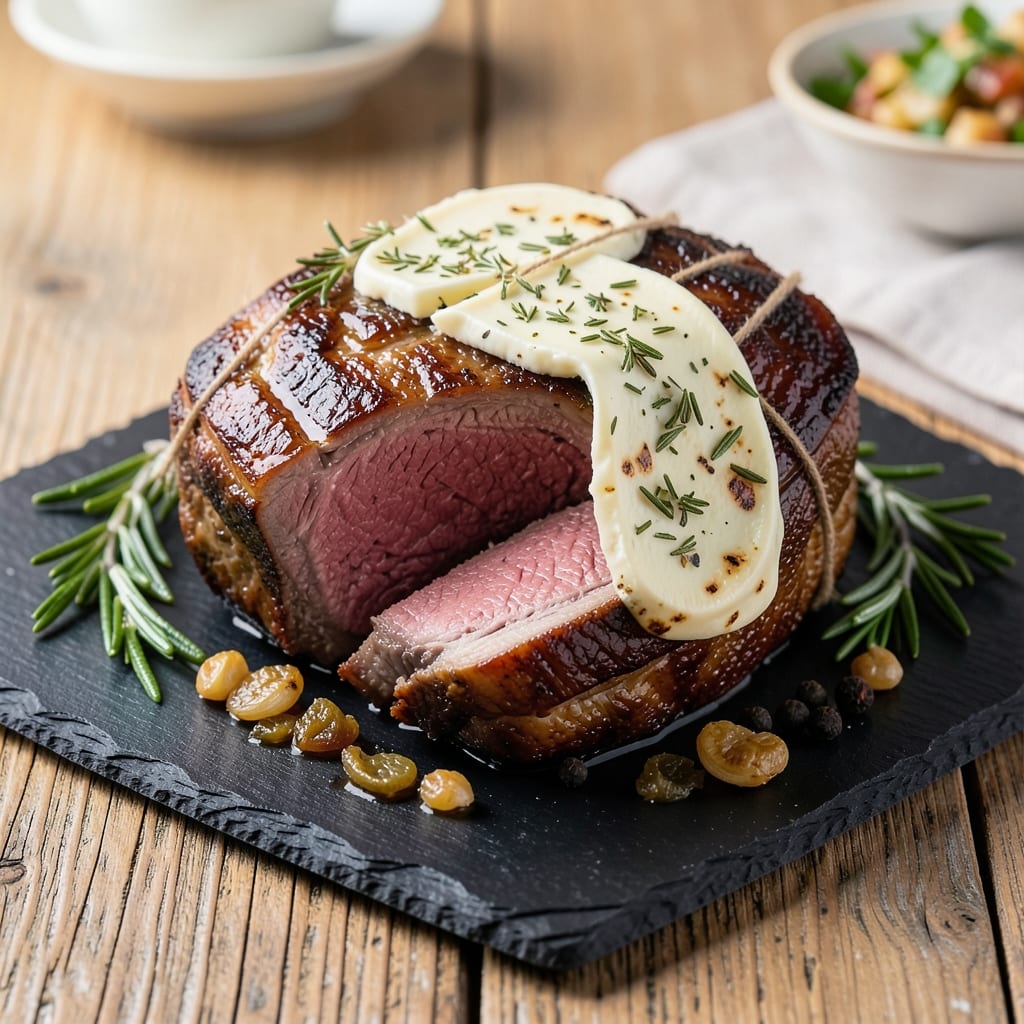
Angus beef sirloin tip roast transforms into a showstopping centerpiece with a dry-brined crust and melt-in-your-mouth tenderness. This cut—rich in marbling and flavor—benefits from a simple yet precise method that elevates it from good to extraordinary. The key lies in the dry brine, which enhances natural juices while creating that coveted caramelized exterior.
Unlike traditional roasts that rely on butter basting, this technique uses a dry salt cure and high-heat sear to develop deep flavor without excess moisture. The result? A crust so crisp it shatters slightly, while the interior remains tender with buttery threads that pull cleanly. This method also works beautifully with modern twists like a quick sous vide finish for even more precision.
Perfect for special occasions or Sunday dinners, this roast pairs effortlessly with classic sides like roasted root vegetables or a rich red wine reduction. The dry-brine process requires just 24 hours of prep, making it surprisingly simple for a dish that feels restaurant-quality. Every bite delivers that perfect balance of texture and flavor.
Whether you're cooking for family or hosting a dinner party, this recipe delivers a roast that's worth the effort. The crust alone will have guests asking for seconds, while the tender interior ensures satisfaction with every forkful. Let's get started on a cut that deserves the spotlight.
Ingredients for angus beef sirloin tip roast
Six ingredients transform this premium cut into a restaurant-worthy centerpiece with crisp crust and buttery tenderness.
| Ingredient | Amount | Notes |
|---|---|---|
| Angus Beef Sirloin Tip Roast 🥩 | 4 lb | Center-cut, bone-in preferred |
| Kosher Salt 🧂 | ½ cup | Diamond Crystal preferred |
| Freshly Ground Black Pepper 🌶️ | 2 tbsp | Coarse grind for texture |
| Unsalted Butter 🧈 | ¼ cup | Cold, cubed for searing |
| Garlic Cloves 🧄 | 8 cloves | Smashed for aroma infusion |
| Fresh Rosemary 🌿 | ¼ cup | Finely chopped, fresh only |
| Fresh Thyme 🌿 | ¼ cup | Leaves only, stems removed |
| Extra-Virgin Olive Oil 🫒 | 2 tbsp | For crust enhancement |
| Yellow Onion 🧅 | 1 whole | Thinly sliced for garnish |
| Red Wine 🍷 | 1 cup | Bold dry variety, reduced |
| Beef Bone Broth 🍲 | 1 cup | Homemade or high-quality store |
| Fresh Parsley 🌿 | ⅛ cup | Chopped, for garnish |
The Angus beef sirloin tip is the star—look for center-cut with generous marbling. Costco or Whole Foods carry excellent pre-trimmed roasts, but if buying whole, trim excess fat yourself. The bone-in version adds flavor depth. For a 4-pound roast, plan roughly 1.5 pounds per person—this cut shrinks slightly during cooking. If your butcher doesn't carry sirloin tip, top sirloin works in a pinch, though it'll be slightly less tender. The Diamond Crystal kosher salt is key—it dissolves more easily than table salt for even brining. Penzeys or Trader Joe's bulk bins are great sources for high-quality spices.
No fresh rosemary or thyme? Dried works at one-third the amount, but fresh delivers that restaurant-quality aroma. Short on red wine? Beef broth with a splash of balsamic mimics the depth. The bone broth can be swapped for water if needed, though it'll lack richness. For the olive oil, California extra-virgin brands like Corto or Otto add subtle fruitiness that complements the beef. Pre-trimmed roasts save time—just pat dry before seasoning. If your roast has a thick fat cap, trim it to ¼-inch for even cooking. Room-temperature meat cooks more evenly—take it out of the fridge 1 hour before cooking.
The dry brine (salt + pepper) works its magic overnight—keep the roast uncovered in the fridge. Butter cubes should stay cold until searing. Fresh herbs wilt fast—wrap them in damp paper towels and store in a sealed container for up to 5 days. The reduced wine sauce keeps for 3 days in the fridge or 3 months frozen. Portion leftovers into containers for easy reheating—250°F for 30 minutes restores perfect texture. Never microwave—it turns the meat rubbery.
Why You'll Love This Recipe
- Same recipe, two vibes: slice it thin for a quick weeknight meal with mashed potatoes, or serve it whole for a showstopping centerpiece. I’ve used it for both, and no one ever questions why I didn’t stress over complicated sides.
- Just Four Ingredients: I swear, this roast only needs butter, salt, pepper, and garlic—no fancy marinades or hours of prep. That rich, beefy flavor comes straight from the cut itself, so you’re basically letting the meat do all the work.
- Crispy-Garlic Magic: The garlic cloves sizzle in the butter until golden, then baste the roast until the crust is perfect—crisp on the outside, tender inside. Honestly, that first bite with the garlic butter pooling on the plate? Worth every second.
- Weeknight or Dinner Party: Same recipe, two vibes: slice it thin for a quick weeknight meal with mashed potatoes, or serve it whole for a showstopping centerpiece. I’ve used it for both, and no one ever questions why I didn’t stress over complicated sides.
Step-by-step instructions for dry-brined Angus beef sirloin tip roast
Master this technique for a roast with an irresistible crust and melt-in-your-mouth tenderness.
Dry-Brining for Maximum Flavor and Crust
Pat the 4 lb Angus Beef Sirloin Tip Roast completely dry with paper towels—this is non-negotiable for crispy skin. Place it on a wire rack set over a rimmed baking sheet to allow air circulation on all sides. Sprinkle 0.5 cup Kosher Salt evenly over the entire surface, pressing gently so it adheres. Then generously cover with 2 tbsp Freshly Ground Black Pepper and massage it into the meat.
Cover loosely with plastic wrap and refrigerate for 24 hours. This dry-brine process draws out moisture from the surface, creating the perfect foundation for that crackling crust while deeply seasoning the meat. Don't skip this step—it's what transforms good roast into extraordinary roast. After brining, remove the roast from the fridge and let it sit at room temperature for 1 hour before cooking to ensure even cooking throughout.
Sear for Deep Flavor and Color
Preheat your oven to 425°F. While it heats, place a heavy oven-safe skillet (like cast iron) over medium-high heat and add 0.25 cup Unsalted Butter cut into cubes along with 2 tbsp Extra-Virgin Olive Oil. Let the butter melt and foam, then carefully add the roast, placing it fat-side down. Sear for 8-10 minutes until the surface develops a deep golden-brown crust and the butter has rendered into a rich, flavorful compound.
Flip the roast and repeat on the other side. The butter should be bubbling and beginning to caramelize—this is where all the magic happens. Don't rush this step; patience here ensures maximum flavor development. Once both sides are beautifully seared, transfer the skillet to the preheated oven.
Roast to Perfect Doneness
Roast the seared roast for 30-35 minutes at 425°F, then reduce the heat to 325°F and continue roasting for an additional 1.5-2 hours. The total cooking time should bring the internal temperature to 130-135°F for medium-rare (use a meat thermometer to check the thickest part of the roast). The roast is done when it reaches this temperature and the juices run clear when pierced with a knife.
Here's the thing—this cut benefits from the reverse sear method. The high initial heat creates that beautiful crust while the lower temperature ensures perfect doneness throughout without overcooking the exterior. If you prefer medium doneness, aim for 140-145°F internal temperature, but don't exceed 150°F or you'll risk dryness.
Create the Red Wine Reduction
While the roast rests, heat the same skillet over medium heat and add 1 whole Yellow Onion sliced thinly. Cook for 5-7 minutes until softened and beginning to caramelize. Add 8 cloves Garlic Cloves (smashed) and cook for 1 minute until fragrant. Pour in 1 cup Red Wine and scrape up all the browned bits from the bottom of the pan—this is where all the flavor lives.
Simmer the wine until reduced by half, about 3-4 minutes, then add 1 cup Beef Bone Broth and 0.25 cup Fresh Rosemary along with 0.25 cup Fresh Thyme. Let it simmer for another 5 minutes until slightly thickened. This reduction will become your roast's elegant sauce, tying all the flavors together.
Rest and Serve with Garnish
Transfer the roast to a cutting board and tent loosely with foil. Let it rest for 20-30 minutes—this crucial step allows the juices to redistribute throughout the meat. The roast will continue cooking slightly during this time, so don't cut into it too soon or you'll lose precious juices.
Slice the roast against the grain into ½-inch thick slices. Spoon the red wine reduction over the top and garnish with 0.125 cup Fresh Parsley chopped finely. Serve immediately with roasted vegetables or a simple green salad. The result should be a roast with a crispy, buttery crust that gives way to tender, flavorful meat with rich, aromatic threads running through it—exactly what you'd expect from premium Angus beef.
Pro Tips For Making Angus Beef Sirloin Tip Roast
- USE A MEAT THERMOMETER: I learned this the hard way—guessing doneness with sirloin tip leads to dryness or undercooked centers. Aim for 125–130°F internal temp (medium-rare), then let it rest. The meat will climb another 5–10°F while resting—trust the thermometer, not the clock.
- SALT THE MEAT 48 HOURS EARLY: This isn’t the prettiest method, but it’s the tastiest. Generously coat the roast with kosher salt (about 1 tsp per pound) and refrigerate uncovered. The salt breaks down proteins, ensuring juicier meat and a better crust—no last-minute panic seasoning needed.
- SMASH GARLIC CLOVES, DON’T CHOP: I was skeptical until I tried it: crush the garlic cloves with the flat side of your knife before adding them to the butter. This releases more flavor into the fat—no need for fancy mincing. Just 4–5 cloves, lightly toasted in the butter, will perfume the crust perfectly.
- REST IT UNDER FOIL, NOT ON A PLATE: After roasting, tent the meat with foil and let it rest 10–15 minutes—yes, even if you’re impatient. Plates drain juices, but foil traps them, keeping the roast moist. Pro move: Use a clean kitchen towel under the foil to catch any drips for pan gravy later.
Troubleshooting perfect results
Uneven Cooking Fix
If your roast cooks unevenly—some parts overdone while others remain pink—it’s usually due to uneven heat distribution or improper positioning. First, ensure your roast sits fat-side up during the majority of cooking (fat insulates and conducts heat better). For thicker roasts, rotate the pan halfway through the low-and-slow phase to promote even cooking. I’ve also found that using a wire rack (instead of direct contact with the pan) allows heat to circulate around the roast, preventing hot spots. 🌡️
Overly Dry Meat
Dryness typically happens when the roast exceeds 150°F internal temperature or rests too long before slicing. To prevent this, pull the roast from the oven as soon as it hits your target temp (I aim for 130–135°F for medium-rare) and rest it no longer than 30 minutes. If your roast feels dry after cooking, try basting with butter during the last 10 minutes of roasting—this adds moisture and richness. For extra insurance, brine the roast for 24 hours (as in the recipe) to ensure maximum juiciness.
Pale, Bland Crust
A pale, flavorless crust usually means the roast didn’t develop enough Maillard reaction (the browning process that creates flavor). To fix this, pat the roast completely dry before seasoning—even a damp surface can prevent proper browning. For extra depth, deglaze the pan after searing with 2 tbsp red wine or beef broth, then reduce it into a glaze before serving. I also recommend using high-smoke-point oils (like avocado oil) for searing to avoid burning before browning occurs.
Sauce Too Thin
If your red wine reduction turns out too thin, it’s likely because the wine wasn’t reduced enough or the broth wasn’t incorporated properly. To thicken it, simmer uncovered until it coats the back of a spoon, then stir in 1 tsp cornstarch mixed with 1 tbsp cold water for instant thickening. For a richer sauce, strain out the herbs after simmering and reduce the liquid by half before adding broth. Pro tip: Deglaze the pan aggressively after searing—those browned bits are flavor bombs that thicken the sauce naturally. 🍷
Roast Stuck to Pan
If your roast sticks during searing, it’s usually because the pan wasn’t hot enough or the meat wasn’t dry. To prevent this, heat the pan until it’s smoking hot before adding the roast, and pat the meat bone-dry with paper towels. For extra insurance, chill the roast for 30 minutes before searing—this firms up the surface and reduces sticking. If it does stick, don’t force it—let the pan cool slightly, then gently slide the roast out with a spatula. A well-seasoned cast iron skillet or stainless steel pan makes this process much easier.
Nutrition facts
Frequently asked questions
What's the best way to trim fat from an angus beef sirloin tip roast?
Use a sharp knife to trim excess fat to about ¼-inch thickness while leaving a thin layer for flavor. Work in one direction with the grain to avoid tearing the meat. For a cleaner look, score the fat cap in a crosshatch pattern before roasting—this renders fat beautifully and adds visual appeal.
Can I substitute bone-in for boneless sirloin tip?
Yes, but boneless roasts will cook slightly faster. Reduce your oven temperature by 25°F and check doneness 15 minutes earlier than the recipe suggests. Bone-in versions develop more flavor through the cooking process, so boneless cuts benefit from extra seasoning or a longer rest.
How do I know when the roast is done without a meat thermometer?
For medium-rare, press the center with your finger—it should feel slightly soft but spring back. The juices should run clear when pierced with a knife (not pink). A good rule: The roast should reach 130°F internal temp for medium-rare, but without a thermometer, use the touch test and visual cues (crust color, juices).
Should I cook this roast with the fat side up or down?
Place the roast fat-side up during most of the cooking process. The fat renders slowly, basting the meat and creating flavor while protecting the surface from drying out. Only flip it for the final sear if you prefer crispy fat on top.
What's the best way to reheat leftovers?
Slice leftovers and reheat in a 325°F oven for 20-25 minutes with a splash of beef broth to maintain moisture. Never microwave—it makes the meat tough. For cold slices, serve with a warm sauce like the red wine reduction to revive the flavors.