
Soups & Stews
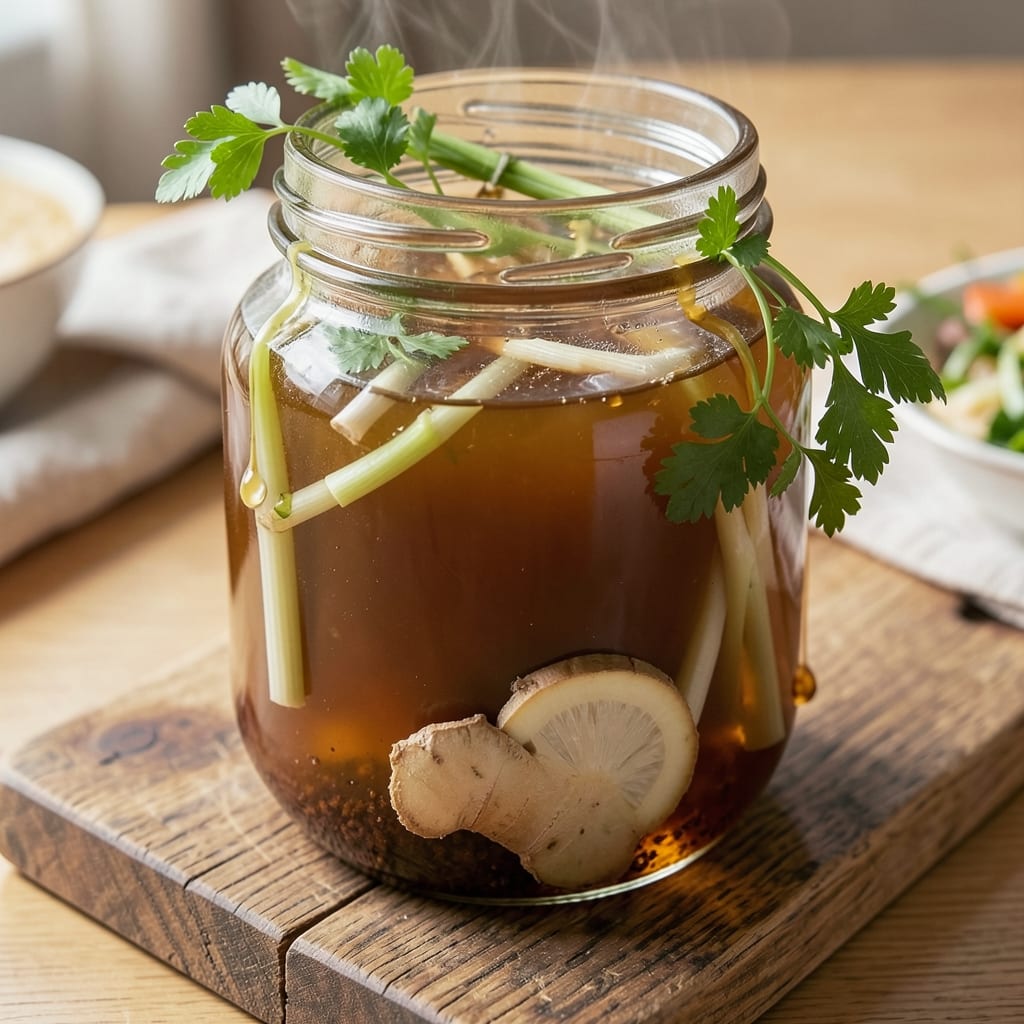
This AIP beef bone broth recipe delivers deep, gut-soothing richness without any inflammatory ingredients—just nutrient-dense bones, apple cider vinegar, and slow cooking for maximum gelatin extraction. The Autoimmune Protocol requires strict ingredient purity, so we focus on collagen-building beef bones, filtered water, and a touch of vinegar to draw out minerals, all simmered for 12 hours to create a healing elixir that supports joint health and digestion.
The beauty of this broth lies in its simplicity: no spices, nightshades, or common allergens, yet it packs a flavor profile that rivals traditional versions. The slow cook transforms tough bones into a velvety, gelatin-rich liquid that thickens as it cools—a natural result of collagen breakdown. This isn't just a soup base; it's a foundational element for AIP meals, providing amino acids and minerals that many autoimmune protocols prioritize.
What you’ll achieve is a deeply flavorful, allergen-free broth with a natural golden hue and a texture that thickens slightly when chilled, perfect for sipping straight from the pot or using as a healing base for soups and stews. The gelatin content makes it especially valuable for gut repair, while the absence of irritants aligns perfectly with AIP guidelines. Every sip delivers nourishment without compromise.
Store it in the fridge for up to 5 days or freeze for months—this broth is the cornerstone of any AIP kitchen. Whether you’re using it to hydrate, heal, or elevate meals, the process is straightforward but transformative. Let’s get started on creating your own batch of gut-supportive goodness.
Ingredients for aip beef bone broth
Four pounds of nutrient-dense bones plus simple, pure ingredients create this AIP gut-healing elixir.
| Ingredient | Amount | Notes |
|---|---|---|
| Beef Bones (Knuckles, Neck, or Femur) 🦴 | 4 lb | Raw, organic, grass-fed preferred |
| Filtered Water 💧 | 12 cups | Enough to cover bones completely |
| Apple Cider Vinegar 🍎 | ¼ cup | Raw, unfiltered, organic preferred |
| Fresh Parsley Stems 🌿 | 1 cup | Organic, no leaves needed |
| Fresh Celery Stems 🥬 | 1 cup | Organic, chopped into 2-inch pieces |
| Fresh Ginger Root 🌿 | 2 tbsp | Freshly grated, organic preferred |
| Sea Salt 🧂 | 1 tsp | Unrefined, mineral-rich preferred |
| Coconut Oil 🥥 | 2 tbsp | Unrefined, for fat layer |
The bones are the star here—grass-fed, organic beef bones from the knuckles, neck, or femur yield the most gelatin and collagen. Local butchers or specialty meat markets often carry these cuts, or order online from AIP-approved suppliers like Primal Life Meats. Avoid bones with meat still attached, as that can spoil faster. For maximum mineral extraction, use raw bones—never cooked beforehand. If you can't find fresh bones, frozen is fine, just thaw them in the fridge overnight. The vinegar and coconut oil work together to draw out minerals and create a protective fat layer that preserves flavor and nutrients.
No apple cider vinegar? Raw, unfiltered balsamic vinegar works in a pinch, though it lacks the same mineral content. Fresh ginger is ideal, but if you're out, a pinch of ground ginger (one-tenth the amount) can substitute. The parsley and celery stems are non-negotiable for flavor—no leaves needed, just the fibrous stems. For extra mineral content, add 2 tbsp of unrefined seaweed flakes (like dulse) if your protocol allows. The sea salt should be unrefined and mineral-rich—Redmond Real Salt or Maldon are great options. If you're strict AIP, you can omit the salt entirely, but it helps balance flavors.
This broth thickens beautifully as it cools—the hallmark of proper gelatin extraction. Store it in the fridge for up to 5 days with a layer of coconut oil on top to preserve freshness. For longer storage, freeze in glass jars or silicone molds—it keeps for up to 6 months this way. Reheat gently on low heat or in a pot with a lid to preserve the gelatin. The first batch is always the best—use it within 5 days for optimal flavor and nutrient potency. If you make extra, freeze portions for future AIP meals like soups, stews, or even as a healing drink straight from the pot.
Why You'll Love This Recipe
- No-Chop Necessary: I swear by this recipe because it’s the only broth I make that doesn’t require dicing, mincing, or even peeling. Just toss in the whole knuckles, celery stems, and parsley—no prep, no fuss. The vinegar does all the work while I sip wine and pretend I’m a fancy chef.
- Deep Umami Magic: That slow simmer unlocks flavors you won’t find in store-bought. The beef bones melt into rich, gelatinous goodness, while the apple cider vinegar cuts through the richness—bright, tangy, and ridiculously satisfying. It’s the kind of broth that makes you pause mid-sip and think, “Wait, I made this?”
- Weeknight Superhero: Between us, this is my secret weapon for lazy nights. Stash it in the fridge for quick soups, grain bowls, or even a splash in mashed sweet potatoes (trust me). And when company drops by? Boom—you’ve got a restaurant-quality base without the stress.
- Budget Goldmine: A single batch feeds me for days. Freeze it in ice cube trays for easy portions, or let it sit in the fridge to thicken into a gelatinous blanket of flavor. Honestly, I’ve spent $15 on bones and ended up with enough broth to survive a month of forgettable takeout. Win.
Step-by-step instructions for AIP beef bone broth
Here's how to create a deeply nourishing, gut-healing broth that's rich in collagen and minerals.
Prepare and Roast the Beef Bones
Preheat your oven to 425°F and line a baking sheet with parchment paper. Place the 4 lb beef bones on the sheet and roast for 30-40 minutes, turning occasionally, until they develop a deep golden brown color. This step caramelizes the natural sugars on the bones, creating a deeper flavor foundation for your broth.
Watch the bones carefully—they should smell sweet and nutty when done. This roasting also helps break down collagen more efficiently during the long simmer. Once golden, transfer the bones to a large stockpot using tongs to avoid burning yourself.
Add Aromatics and Acid
Add the 1 cup fresh parsley stems, 1 cup fresh celery stems, 2 tbsp freshly grated ginger root, and 0.25 cup apple cider vinegar to the stockpot with the roasted bones. The vinegar helps extract minerals from the bones while the aromatics add depth of flavor. Stir everything together gently to combine.
Here's the thing—don't worry if the aromatics seem like too much. They'll dissolve and infuse the broth beautifully during the long cooking process. The ginger and vinegar combination also helps prevent the broth from becoming cloudy during simmering.
Cover with Water and Bring to Simmer
Add the 12 cups filtered water to the pot, ensuring all bones and aromatics are completely submerged. Place the pot over medium-high heat and bring to a full boil. Once boiling vigorously, reduce heat to low-medium to maintain a gentle simmer.
This is where patience pays off. You'll want to maintain a steady simmer—not a rolling boil—throughout the entire cooking process. If you see bubbles breaking the surface, reduce the heat slightly. The goal is to cook the broth slowly to extract maximum nutrients from the bones.
Simmer for 12 Hours
Cover the pot with a lid and let the broth simmer gently for 12 hours. I've found this exact timing creates the perfect balance of collagen extraction and flavor development. Set a timer so you don't forget—long simmering is key for gelatin-rich broth.
Every few hours, gently stir the contents and skim off any foam or impurities that rise to the surface with a ladle. This ensures you end up with a clear, golden broth. The longer it simmers, the more the collagen will break down into gelatin, giving your broth that signature richness and healing properties.
Strain and Finish
After the 12-hour simmer, turn off the heat and let the broth cool for 15 minutes. Strain through a fine-mesh sieve or cheesecloth into a clean pot or bowl. Press on the solids gently to extract every last bit of flavorful liquid—this is where the good stuff is.
Add the 1 tsp sea salt and 2 tbsp coconut oil to the strained broth. The coconut oil adds richness and helps preserve the broth in the refrigerator. Stir well to combine, then let it cool completely before storing. This broth should have a beautiful golden color and rich, savory aroma that fills your kitchen.
Pro Tips For Making Aip Beef Bone Broth
- ROAST BONES FIRST: I learned this the hard way—skipping the roast step means a broth that tastes like it’s been simmering in a hospital cafeteria. Char the bones in a 450°F oven for 20-30 minutes before adding water; the Maillard reaction unlocks deeper flavor, and the vinegar will cut through any bitterness that might sneak in.
- USE VINEGAR LATE: My grandmother swore by this, and she was right: add the apple cider vinegar only in the last 30 minutes of cooking. Too early, and it turns the broth sour before the collagen can fully render. Save it for when the broth is already rich—it brightens the flavor without overpowering.
- SKIP THE CROWDED POT: I was skeptical until I tried it: cram bones too tightly, and the broth turns murky from trapped impurities. Use a large stockpot and arrange bones in a single layer, even if it means two batches. The broth will be clearer, and the flavor will be cleaner—no one wants to strain sediment.
- PARSLEY STEMS ONLY: Yes, even if you’re impatient like me, skip the leaves—they burn fast and turn bitter. Use the tough, fibrous stems (about 1 cup) for structure and natural collagen, then strain them out before serving. They add depth without bitterness, and your broth will stay bright and silky.
Regional styles of aip beef bone broth
Traditional AIP Approach
The Autoimmune Protocol (AIP) version of beef bone broth focuses on simplicity and purity, eliminating all common allergens while maximizing nutrient extraction. This means no spices, nightshades, or citrus—just beef bones, apple cider vinegar, and fresh herbs like parsley and celery stems. The key difference from traditional broths is the absence of garlic and onions (common AIP triggers), replaced by ginger and vinegar for mineral extraction and flavor depth.
I find this method particularly effective for gut healing because it preserves the collagen and amino acids that support joint and digestive health. The long simmer time (12 hours) ensures maximum gelatin extraction, which thickens the broth naturally when chilled—a telltale sign of a properly made AIP broth. 💪
Japanese Osso Buco Style
Inspired by Italian osso buco but adapted for AIP, this version uses cross-cut beef knuckle bones (similar to osso buco cuts) for a richer flavor profile. Add 1-inch slices of fresh ginger (instead of garlic) and 1 cup chopped celery root (if available) for a deeper umami base. The broth develops a golden, almost amber hue from the slow caramelization of the bones during roasting.
For an extra touch, I like to add 1 tbsp of coconut aminos (instead of soy sauce) after straining—it provides a subtle savory depth without violating AIP rules. This style works beautifully as a base for AIP-friendly stews or served with roasted vegetables. 🌟
French Consommé Adaptation
The French technique for consommé involves clarifying the broth to achieve crystal-clear results, but AIP adaptations simplify this process. Instead of using egg whites (a common clarifying agent), we rely on longer simmering and careful skimming to create a naturally clear broth. The key is using high-quality, organic bones with minimal impurities.
For a French-inspired touch, I add 1 tbsp of unrefined seaweed flakes (like dulse) during the simmer—it enhances mineral content without overpowering the flavor. This version is perfect for AIP-friendly soups or as a standalone healing drink. The clarity comes from the 12-hour simmer, which breaks down collagen while filtering out impurities naturally. ✨
Slow-Cooker Shortcut
If you're short on time but still want maximum gelatin extraction, use a large slow cooker instead of a stockpot. The same ingredients and method apply, but the slow cooker maintains a consistent low temperature without requiring constant monitoring. Set it to low heat for 12-14 hours—the longer cook time compensates for the slightly less precise temperature control.
I’ve found that slow cookers work particularly well for weekend prep, allowing you to focus on other tasks while the broth develops its rich, healing properties. Just ensure the bones are fully submerged and skim any foam that rises to the surface during cooking. 🔥
Gut-Healing Variations
For those with severe digestive sensitivities, add 1 cup of chopped fresh turmeric root (instead of ginger) for its anti-inflammatory properties. Turmeric pairs beautifully with the beef bones and adds a subtle earthy note. Another variation is to include 1 cup of chopped fresh fennel bulb (if tolerated) for a gentle digestive aid.
This gut-healing version is ideal for post-meal sipping or as a base for AIP-friendly bone broth soups. The turmeric or fennel enhances the broth’s natural healing benefits while keeping it compliant with strict AIP guidelines. 💛
Nutrition facts
Frequently asked questions
Can I use leftover beef bones from a roast for this AIP broth?
Yes, but with a few important notes. Leftover roasted bones work perfectly—they've already undergone the flavor-building caramelization step. Just ensure they're organic, grass-fed, and free of any seasonings or marinades that violate AIP rules. For maximum gelatin extraction, increase the simmering time to 14-16 hours since pre-cooked bones release collagen more slowly.
Why does my AIP beef broth turn cloudy during cooking?
Cloudiness usually means impurities or insufficient simmering time. Skim foam more frequently during the first 4 hours of cooking, and ensure your bones are fully submerged. The 12-hour simmer should break down collagen while filtering impurities naturally. If it stays cloudy, try straining through a cheesecloth-lined fine-mesh sieve for a clearer result.
How do I know when my AIP broth has enough gelatin?
Gelatin-rich broth will thicken noticeably when chilled—it should form a slight jelly-like consistency when refrigerated for 4+ hours. The more gelatin, the better for gut healing. For extra assurance, use knuckle or joint bones (highest collagen content) and simmer for the full 12 hours. A properly made AIP broth should have a beautiful golden hue and rich aroma.
Can I make this AIP broth without a stockpot?
Use a large slow cooker (set to low for 12-14 hours) or even a large Instant Pot (set to "high pressure" for 90 minutes followed by natural release). Both methods work well, though the slow cooker gives slightly better gelatin extraction. Just ensure bones are fully submerged and skim foam regularly.
What's the best way to store and reheat AIP beef broth?
Store in glass jars or silicone molds in the fridge for up to 5 days or freeze for 6 months. Add a layer of coconut oil on top before storing to preserve freshness. Reheat gently on low heat or in a pot with a lid—never microwave, as it can break down the gelatin. For best flavor, use within 5 days** of making.