Tips
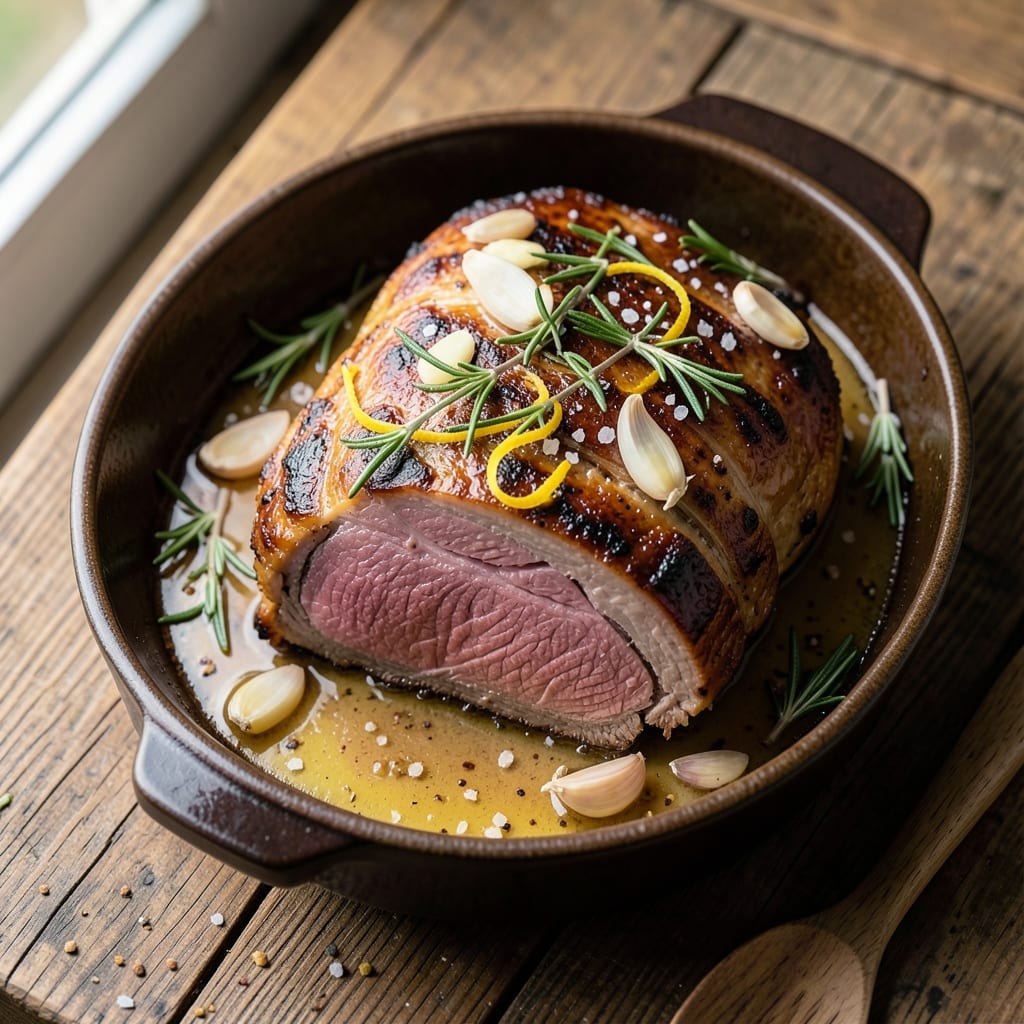
Angus beef tip roast transforms a simple cut into a showstopping centerpiece with just three key techniques: dry-brine for depth, slow-sear for caramelization, and precise temperature control for juiciness. This recipe delivers restaurant-worthy results at home—no fancy equipment required. The secret lies in patience: letting the beef develop flavor overnight while the oven works its magic to render fat into golden, crisp edges.
Start with a dry-brine (salt the roast 12-24 hours ahead) to enhance tenderness and flavor penetration. Sear the beef in a hot pan to lock in juices, then finish in a 325°F oven until the internal temperature hits 130°F for medium-rare—every degree counts. The slow cook ensures even doneness while the exterior develops that coveted caramelized crust.
What you’ll end up with is a juicy, deeply flavorful roast that slices effortlessly into perfect medallions. The crust is rich and caramelized, while the interior remains tender and pink at the center. Serve with roasted garlic mashed potatoes or a red wine reduction to elevate the dish further.
This method works equally well for special occasions or weeknight dinners—just adjust the roast size. The beauty of beef tip roast is its versatility: pair it with classic sides or modern twists like a chimichurri drizzle. Let’s get started on creating your next centerpiece-worthy meal.
Ingredients for angus beef tip roast
Three pounds of premium beef tip roast and a handful of pantry essentials deliver restaurant-quality results at home.
| Ingredient | Amount | Notes |
|---|---|---|
| Angus Beef Tip Roast 🥩 | 3 lb | Center-cut, bone-in preferred |
| Kosher Salt 🧂 | 1 ½ tbsp | Diamond Crystal preferred |
| Freshly Ground Black Pepper 🌶️ | 1 tsp | Coarsely cracked |
| Unsalted Butter 🧈 | ½ cup | Cold, cubed |
| Garlic Cloves 🧄 | 6 cloves | Smash flat for even seasoning |
| Fresh Rosemary 🌿 | ¼ cup | Finely chopped, stems removed |
| Fresh Thyme 🌿 | ¼ cup | Leaves only, stems discarded |
| Extra-Virgin Olive Oil 🫒 | 2 tbsp | For searing pan |
| Red Wine 🍷 | ½ cup | Dry, bold variety |
| Beef Stock 🍲 | ½ cup | Homemade preferred |
| All-Purpose Flour 🌾 | 1 tbsp | For crust development |
| Yellow Onion 🧅 | 1 whole | Thinly sliced, for garnish |
The beef tip roast is the star—center-cut, bone-in for maximum flavor and tenderness. Look for USDA Prime or Choice grade at specialty butchers like Snake River Farms or high-end grocers such as Whole Foods. The marbling should be generous, with a vibrant red color. For the dry-brine, Diamond Crystal kosher salt dissolves more easily than table salt, enhancing flavor penetration without over-salting. Fresh herbs matter here: rosemary and thyme from the grocery store's produce section should be fragrant and green, not wilted. If using frozen, thaw overnight in the fridge.
No red wine? Dry vermouth or beef stock works in a pinch, though the depth of flavor won't be identical. The beef stock should be homemade if possible—store-bought can taste overly salty or metallic. For the crust, all-purpose flour creates a golden finish, but if you're gluten-sensitive, swap for cornstarch at the same ratio. The butter should be cold and cubed—if it melts during searing, the crust will be less crisp. If you're short on time, skip the dry-brine and salt the roast liberally 4 hours ahead, but the flavor development won't be as deep.
The roast keeps beautifully—3-4 days in the fridge, fully cooked, or up to 3 months frozen in vacuum-sealed bags. For leftovers, slice thinly against the grain and reheat in a 300°F oven with a splash of beef stock to restore moisture. The crust won't be as crisp after reheating, but the beef remains tender. Portion into individual servings before freezing for easy meal prep—defrost overnight in the fridge for best results. Garnish with fresh herbs just before serving to maintain vibrant color.
Why You'll Love This Recipe
- Foolproof Timing: The beef tip roast cooks fast—I’ve had it ready in 30 minutes from raw to table. No waiting for hours, no second-guessing doneness. Just sear, roast, and serve.
- Buttery Garlic Magic: That butter basting with crushed garlic? It turns tough-looking beef into something tender and ridiculously flavorful. The crust? Perfectly browned. The inside? Juicy enough to make you close your eyes.
- Leftover Luxury: This roast actually improves the next day—sliced thin for sandwiches or reheated with a splash of broth. Honestly, I make it on Sundays just to have leftovers I don’t dread.
- Weeknight Hero: No fancy prep, no last-minute stress. Slice the garlic, season the beef, and let the oven do the work. Between us, this is the dish I pull out when I’m too tired to care—but still want to impress.
Step-by-step instructions for slow-searing angus beef tip roast
Master this two-phase technique to transform tough beef tip into melt-in-your-mouth perfection.
Prepare the Roast for Maximum Flavor Development
Remove the 3 lb Angus Beef Tip Roast from refrigeration and let it sit at room temperature for 30 minutes. This ensures even cooking throughout. Pat the roast dry with paper towels—moisture is the enemy of a good sear. In a small bowl, combine the 1.5 tbsp Kosher Salt and 1 tsp Freshly Ground Black Pepper, then rub this mixture all over the roast, pressing firmly so the seasoning adheres. For even seasoning, I like to use my hands, massaging the salt and pepper into the meat.
Next, prepare the herb butter by combining the 0.5 cup Unsalted Butter (cold, cubed), 6 cloves Garlic Cloves (smash flat with the side of your knife for even seasoning), 0.25 cup Fresh Rosemary (finely chopped), and 0.25 cup Fresh Thyme (leaves only). Mix this in a bowl until the butter softens slightly but remains cold. The butter will later create a rich, aromatic crust while basting the meat.
Sear the Roast for Deep Flavor and Crust
Preheat your oven to 425°F. Heat a heavy oven-safe skillet (cast iron works best) over medium-high heat and add the 2 tbsp Extra-Virgin Olive Oil. Once the oil shimmers, place the roast in the skillet, fat-side down. Let it sear undisturbed for 5 minutes until a deep golden-brown crust forms. This initial sear locks in juices and develops complex Maillard flavors.
Flip the roast and repeat on the other side for another 5 minutes. After searing both sides, remove the skillet from the heat and spoon the herb butter mixture over the roast, coating it evenly. Return the skillet to the oven and roast for 10 minutes to allow the butter to melt and form a flavorful crust.
Slow-Cook to Perfect Tenderness
Reduce the oven temperature to 300°F. Transfer the skillet to the oven and cook the roast for 2 hours, or until the internal temperature reaches 195°F on a meat thermometer. This slow cooking breaks down connective tissue, transforming tough beef into tender, fork-tender slices. I like to check the temperature after 1 hour 45 minutes—your oven may run hot or cold, so adjust accordingly.
During the last 15 minutes of cooking, add the 0.5 cup Red Wine and 0.5 cup Beef Stock to the skillet. This creates a rich pan sauce that will later coat the meat. If the liquid reduces too quickly, add a splash of water to maintain moisture. The roast is done when it reaches 195°F—this is the sweet spot for beef tip, where it's tender but still holds its shape.
Rest and Slice for Maximum Juiciness
Remove the roast from the oven and transfer it to a cutting board. Tent loosely with foil and let it rest for 15-20 minutes. This resting period allows the juices to redistribute throughout the meat, ensuring every slice is moist and flavorful. Skipping this step results in dry, disappointing slices.
While the roast rests, place the skillet back on the stovetop over medium heat. Add the 1 tbsp All-Purpose Flour and whisk to combine, creating a simple pan sauce. Gradually add the cooking juices from the skillet, whisking constantly until the sauce thickens to your desired consistency. Slice the roast against the grain into ½-inch thick pieces and serve immediately, drizzled with the pan sauce and topped with the 1 whole Yellow Onion (thinly sliced).
Pro Tips For Making Angus Beef Tip Roast
- USE A MEAT THERMOMETER: I learned this the hard way—Angus tip roast feels done long before it actually is. Aim for 130°F for medium-rare (it’ll rise to 135°F while resting), not the guesswork of poking with a fork. Trust the numbers, not your instincts.
- DRY THE ROAST WELL: Pat that roast down with paper towels—all over—before searing. Moisture is the enemy of crust, and a dry surface means better browning. I know, it feels like overkill, but it’s the thing that matters most for that golden, flavorful bark.
- SALT THE GARLIC SLICES: Skip the whole garlic cloves in the pan—they’ll burn before they infuse. Instead, slice them thin, toss with a pinch of kosher salt, and let them sit for 10 minutes. The salt draws out moisture, so they crisp up beautifully without turning bitter.
- REST IT UNDER FOIL: This isn’t the prettiest method, but it’s the tastiest: After roasting, transfer the meat to a tray, loosely tent with foil, and let it rest for 15-20 minutes. The foil keeps it warm while the juices redistribute—no sad, dry slices when you carve. (Yes, even if you’re impatient like me.)
Perfect pairings for this recipe
Classic Sides
The rich, caramelized flavors of your beef tip roast pair beautifully with creamy mashed potatoes—I like using garlic-infused butter and crème fraîche for extra depth. For a heartier option, try roasted baby potatoes tossed in duck fat and rosemary at 425°F for 35 minutes. Both sides soak up the pan sauce perfectly, creating a cohesive bite. 🥔
Red Wine Sauce
Use the same 0.5 cup red wine and 0.5 cup beef stock from your cooking process to make a silky reduction. Simmer until thickened, then whisk in 1 tbsp cold butter for a glossy finish. Drizzle generously over sliced roast—this sauce enhances the beef's natural richness without overpowering it. For extra elegance, finish with a pinch of fresh thyme.
Herb Crust
For a restaurant-worthy touch, create a herb crust by mixing 1 tbsp chopped parsley, 1 tbsp chopped chives, and 1 tbsp toasted breadcrumbs. Press this mixture onto the roast before the final 10-minute broil at 500°F—it adds texture and visual appeal. The crust should be golden and crisp, balancing the tender beef underneath.
Vegetable Balance
Brighten the plate with roasted Brussels sprouts (tossed in balsamic glaze and pecans) or sautéed green beans with shallots and lemon zest. Both vegetables cut through the richness while complementing the beef's herbal notes. I recommend serving them alongside the roast for a well-rounded meal. 🌱
Cheese Board
For a casual yet sophisticated spread, serve the roast with a charcuterie board featuring aged cheddar, blue cheese crumbles, prosciutto, and cornichons. The salty, tangy elements contrast beautifully with the beef's caramelized crust. Add honeycomb and walnuts for texture and a touch of sweetness. 🧀
Beverage Pairings
A bold Cabernet Sauvignon (like Caymus Vineyards) or a Malbec (such as Catena Zapata) enhances the beef's depth. For beer lovers, a dark ale (like Guinness) or a Barbarian-style IPA (such as The Bruery's Black Tuesday) provides a malty contrast. Sparkling water with lemon and mint offers a refreshing alternative. 🍷
Nutrition facts
Frequently asked questions
Why does the recipe call for dry-brining the beef overnight?
Dry-brining enhances flavor and tenderness by allowing the salt to penetrate deeply into the beef's surface. This method creates a perfect balance of seasoning without over-salting the interior. For best results, use Diamond Crystal kosher salt and let the roast sit uncovered in the fridge for 12-24 hours.
Can I use a different cut of beef instead of beef tip roast?
While beef tip roast is ideal due to its marbling and tenderness, you can substitute with chuck roast or top round roast. However, these cuts require longer cooking times (3-4 hours) to achieve tenderness. For best results, trim excess fat and adjust internal temperature targets accordingly.
What's the best way to check if the roast is done?
Use a meat thermometer inserted into the thickest part of the roast. For medium-rare, aim for 130°F, while 145°F gives you medium doneness. The roast will continue cooking slightly after removal from the oven, so pull it out when it reaches 5°F below your target temperature.
How do I fix an overcooked beef tip roast?
If your roast is slightly overcooked but still tender, slice it thinly against the grain and serve with a rich sauce like red wine reduction. For tough overcooked beef, try slicing thinly and quickly searing the slices in a hot pan with butter and herbs to restore moisture and add flavor.
Can I make this recipe in a slow cooker?
While possible, slow cookers don't provide the same crust development. For best results, sear the roast first in a skillet, then transfer to the slow cooker on low for 6-8 hours with ½ cup beef broth. The internal temperature should reach 195°F for maximum tenderness.