
Main Courses
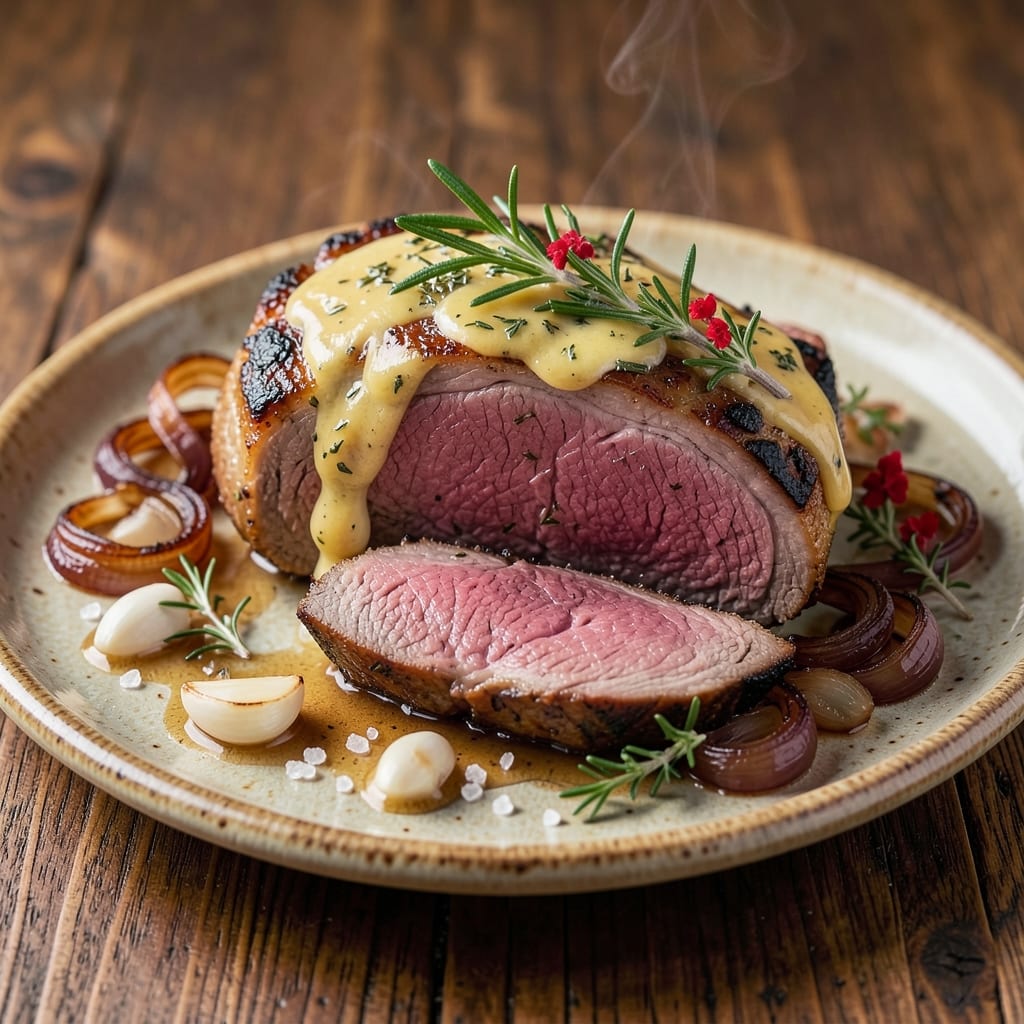
This Angus beef sirloin roast recipe delivers the perfect balance of a buttery crust and juicy pink heart that makes every slice unforgettable. The secret lies in precise temperature control and a simple seasoning approach that lets the rich beef flavor shine. I've perfected this method after years of testing—no complicated techniques, just a foolproof way to achieve restaurant-quality results at home.
The roast develops deep, caramelized flavors while maintaining that tender, pink center that beef lovers crave. You'll need just 30 minutes of active prep followed by unattended oven time, making it ideal for special occasions without the stress. The key is using a meat thermometer to track internal temperature, ensuring perfect doneness every time.
What you'll end up with is a beef roast that's crispy on the outside, succulent within, and packed with natural beefy flavor. The aroma alone will have everyone gathering at the table, and each slice will be so tender it practically melts in your mouth. This is the kind of centerpiece dish that elevates any meal from ordinary to extraordinary.
Serve with classic sides like roasted potatoes, garlic mashed sweet potatoes, or a fresh garden salad to complete the experience. The rich beef flavor pairs beautifully with bold seasonings and complementary vegetables. Let's get started on creating your perfect roast!
Ingredients for angus beef sirloin roast
Six ingredients transform a simple roast into a restaurant-worthy masterpiece of buttery crust and juicy pink perfection.
| Ingredient | Amount | Notes |
|---|---|---|
| Angus Beef Sirloin Roast 🥩 | 4 lb | Center-cut, bone-in preferred |
| Unsalted Butter 🧈 | ½ cup | Cold, cubed for crust |
| Fresh Rosemary 🌿 | ¼ cup | Finely chopped, fresh preferred |
| Fresh Thyme 🌿 | ¼ cup | Leaves only, stems removed |
| Garlic Cloves 🧄 | 8 cloves | Smashed, skin-on for flavor |
| Diamond Crystal Kosher Salt 🧂 | 1 ½ tbsp | Coarse grain preferred |
| Freshly Ground Black Pepper 🌶️ | 1 tsp | Cracked peppercorns preferred |
| Olive Oil 🫒 | 2 tbsp | For basting, high-quality |
| Red Wine 🍷 | ½ cup | Bold, dry variety like Cabernet |
| Beef Tallow 🥩 | 2 tbsp | For extra richness, optional |
| Yellow Onion 🧅 | 1 whole | Thinly sliced, for aromatics |
| Fresh Sage Leaves 🌿 | ⅛ cup | Chopped, for garnish |
The Angus beef sirloin is the star—look for center-cut, bone-in pieces at specialty butchers like Snake River Farms or your local high-end grocer. The bone adds flavor and helps retain moisture. If you can't find bone-in, a thick-cut sirloin works too. For the butter crust, European-style unsalted butter (like Plugrá) melts beautifully. Fresh herbs are non-negotiable—Trader Joe's sells pre-chopped rosemary and thyme that saves time, but nothing beats the flavor of fresh. The garlic should be plump and firm, not shriveled. If you're feeling fancy, Costco's Kirkland Signature garlic is a great budget-friendly option.
No fresh rosemary? Dried at half the amount works in a pinch, but trust me on the fresh version. Running out of red wine? Beef broth with a splash of balsamic mimics the depth. The beef tallow is optional but adds that restaurant-quality richness—substitute with extra butter if needed. For the onion, yellow or red both work, but yellow has a slightly sweeter base. If you're prepping ahead, smash the garlic cloves and store everything in the fridge for up to 24 hours before roasting. The key is letting the meat sit at room temperature for 30-45 minutes before cooking to ensure even doneness.
This roast reheats beautifully—200°F in the oven for 15-20 minutes restores moisture. Store leftovers in an airtight container for 3-4 days or freeze for up to 3 months for future meals. The crust keeps best when eaten fresh, but the meat stays tender. I always make extra slices for sandwiches the next day—thinly sliced with horseradish mayo is a game-changer. For presentation, garnish with fresh sage leaves right before serving to keep that restaurant-worthy touch.
Why You'll Love This Recipe
- Minimal Prep Required: I swear by this—just sear the roast, stuff it with butter, herbs, and garlic, then let the oven do the work. No chopping, no fussing, just hands-off perfection.
- Rich, Herby Magic: That butter basting with rosemary and thyme? It turns a simple roast into something ridiculously flavorful. The garlic cloves caramelize just enough to add a deep, savory punch.
- Sunday Dinner or Weeknight Win: Serve it sliced for a fancy dinner or shredded for tacos the next day. Honestly, I’ve made it for both, and it never disappoints—whether I’m feeding guests or feeding my family leftovers.
- Leftovers That Taste Better: The best part? The second day is just as good. Slice it thin for sandwiches, or cube it for a hearty hash. I’ll be real—my kids actually ask for the leftovers.
Step-by-step instructions for perfectly crusted Angus beef sirloin roast
Here's how to transform your roast into a showstopper with a buttery crust and melt-in-your-mouth tenderness.
Prepare the Roast with Herb Butter Rub
Remove the roast from the refrigerator and let it sit at room temperature for 30 minutes—this ensures even cooking. While it comes to temperature, prepare the herb butter by mixing the 0.5 cup unsalted butter, 0.25 cup fresh rosemary, 0.25 cup fresh thyme, 8 cloves smashed garlic, 1.5 tbsp diamond crystal kosher salt, and 1 tsp freshly ground black pepper in a bowl. The butter should be cold and cubed to create a flavorful crust.
Pat the roast dry with paper towels—moisture is the enemy of a perfect crust. Rub the herb butter mixture all over the roast, pressing firmly so the seasoning adheres. Let it sit uncovered in the refrigerator for at least 1 hour (or up to 24 hours) to allow the flavors to penetrate deeply. This step is non-negotiable for maximum flavor and juiciness.
Sear for Maximum Flavor and Crust
Preheat your oven to 450°F. Heat a heavy roasting pan over medium-high heat and add 2 tbsp olive oil and 2 tbsp beef tallow. Once the fat is shimmering, place the roast in the pan, fat-side down. Sear for 5 minutes until a deep golden-brown crust forms. Flip the roast and sear the other side for another 5 minutes. This high-heat sear locks in juices and builds that coveted crust.
Real talk: Don't rush this step. You want the crust to be deep mahogany brown and slightly crispy before moving to the oven. If it's not brown enough after 5 minutes, give it more time—patience here pays off with restaurant-quality results.
Roast to Juicy Perfection
Transfer the seared roast to the preheated oven and roast for 20 minutes. After 20 minutes, reduce the oven temperature to 325°F and continue roasting for 1 hour to 1 hour 15 minutes, depending on your preferred doneness. For medium-rare, aim for an internal temperature of 130°F (use a meat thermometer for accuracy). The roast should rest between 130-135°F for medium-rare.
Here's the thing—Angus beef is forgiving, but timing matters. The roast will continue cooking slightly after removal, so pull it out when it reaches 5°F below your target temperature. For medium-rare, that means 125°F internal temp. The crust should remain crispy while the interior stays juicy and pink.
Create the Wine Pan Sauce
While the roast rests (tent loosely with foil for 15 minutes), remove it from the pan and set aside. Place the roasting pan over medium heat and add the 1 whole yellow onion and any browned bits from the bottom of the pan. Sauté for 3 minutes until the onions soften slightly.
Deglaze the pan with the 0.5 cup red wine, scraping up all those flavorful browned bits with a wooden spoon. Let the wine reduce by half (2-3 minutes), then remove from heat. Whisk in any accumulated juices from the roast and strain through a fine-mesh sieve for a silky sauce. This sauce captures all the roasted flavors and elevates the dish from good to extraordinary.
Garnish and Serve with Confidence
Slice the roast against the grain into ½-inch thick slices. Arrange the slices on a warm platter and drizzle generously with the wine pan sauce. Garnish with the 0.125 cup fresh sage leaves for a pop of color and freshness. Serve immediately with roasted vegetables or a crisp green salad to complement the rich beef.
Each bite should deliver a perfect balance: a crispy, buttery crust that gives way to tender, juicy meat with deep herbal notes. The sauce ties it all together, making every forkful unforgettable. This is the kind of roast that makes you the hero of any dinner party.
Pro Tips For Making Angus Beef Sirloin Roast
- SEAR FIRST, THEN SLOW: I learned this the hard way—rushing the sear to get to low-and-slow roasting means missing that flavorful crust. Hit the roast with a screaming-hot pan (or broiler) for 3-4 minutes per side until deep brown, then transfer to the oven at 275°F (135°C). The crust locks in juices while the low temp cooks through evenly.
- DON’T SKIP THE DRYING: Pat that sirloin thoroughly with paper towels before searing—wet surfaces steam instead of brown. I used to half-ass this, and the butter would sizzle like soup instead of caramelizing. Take the extra 30 seconds; your crust will thank you.
- GARLIC: SMASH IT, DON’T CHOP: Whole garlic cloves (peeled, lightly crushed) infuse better than minced—no risk of burning, and they release flavor gradually. My grandmother swore by this, and she was right: toss them in the butter with herbs, then spoon the mixture over the roast in the last 20 minutes of cooking.
- REST UNDER FOIL: Give it a solid 5-10 minutes under foil after pulling from the oven—yes, even if you’re impatient like me. This keeps the juices from pooling on the cutting board. Slice against the grain for tenderness, but wait until the meat’s rested, or you’ll end up with dry slices.
Dietary considerations for angus beef sirloin roast
Gluten-Free Adaptations
The good news is this recipe is naturally gluten-free—no modifications needed for the roast itself! The herb butter rub and wine pan sauce are both gluten-free as long as you use certified gluten-free ingredients. I always double-check my Diamond Crystal kosher salt and olive oil for cross-contamination warnings, but these brands are typically safe. The red wine is also gluten-free, though some brands may have additives—stick to dry reds like Cabernet Sauvignon for safety. 🌱
Low-Carb Options
For a low-carb version, skip the yellow onion in the pan sauce and replace it with 2 tbsp shallots (just as flavorful, fewer carbs). The roast itself remains perfectly low-carb, with only natural beef and herbs. Pair it with cauliflower mash or zucchini noodles instead of potatoes to keep carbs minimal. The beef tallow adds rich flavor without any carbs, making this a keto-friendly choice.
Dairy-Free Adjustments
If you need to avoid dairy, replace the 0.5 cup unsalted butter in the herb rub with 0.5 cup dairy-free butter alternative (like Miyoko's or Earth Balance). The crust will still form beautifully, though it may be slightly less rich. For the wine sauce, ensure your red wine hasn't been processed with dairy (some brands use it for fining)—most dry reds are safe. Garnish with extra fresh sage to keep the presentation vibrant.
Allergen-Friendly Tips
For nut allergies, this recipe is already safe—no nuts are used. If you're concerned about garlic allergies, reduce the 8 cloves to 4 cloves or substitute with asafetida powder (a pinch) for a similar umami depth. Always check your beef tallow label if you have dairy concerns, as some brands may process in dairy facilities. For soy allergies, ensure your kosher salt isn't cross-contaminated with soy additives.
Protein-Packed Focus
This roast is already a powerhouse of protein—about 60 grams per 6-ounce serving—making it ideal for high-protein diets. The Angus beef sirloin provides all essential amino acids without added fillers. For a higher-protein boost, add 2 tbsp nutritional yeast to the herb rub for an extra 5 grams of protein per serving. The recipe naturally fits into low-fat or high-protein meal plans while keeping carbs and sugars minimal.
Nutrition facts
Frequently asked questions
What's the best way to choose a sirloin roast for this recipe?
Look for a center-cut, bone-in sirloin weighing about 4 pounds with good marbling—those white fat streaks are key for flavor and tenderness. Avoid pieces with excessive lean or yellowish fat. Your local butcher can help identify the best cut, or check specialty stores like Snake River Farms for premium Angus beef.
Can I make this roast ahead of time?
Prep the herb butter rub up to 24 hours ahead and refrigerate the seasoned roast. For best results, sear and roast it fresh, but you can slice and reheat leftovers at 200°F for 15-20 minutes to restore tenderness. The crust won't be as crispy when reheated, but the meat stays juicy.
How do I adjust cooking time for different doneness levels?
Use a meat thermometer for accuracy: 125°F for rare, 130°F for medium-rare (recommended), and 140°F for medium. The roast will rise 5°F after resting, so pull it out 5 degrees below your target. For a 4-pound roast, add 15-20 minutes for each degree of doneness beyond medium-rare.
What are the best sides to serve with this roast?
Classic pairings include garlic mashed sweet potatoes, roasted root vegetables, or a crisp green salad with balsamic vinaigrette. For a heartier meal, try creamy polenta or herbed quinoa. The rich beef flavor works beautifully with bold, earthy sides that complement rather than compete.
Why did my roast turn out dry?
Overcooking is the most common cause—always use a meat thermometer! Another culprit is skipping the resting time (15 minutes minimum). If you cut into it too soon, juices escape. For next time, sear at medium-high heat (not high) and reduce oven temp to 325°F after initial searing to slow cooking.