
Main Courses
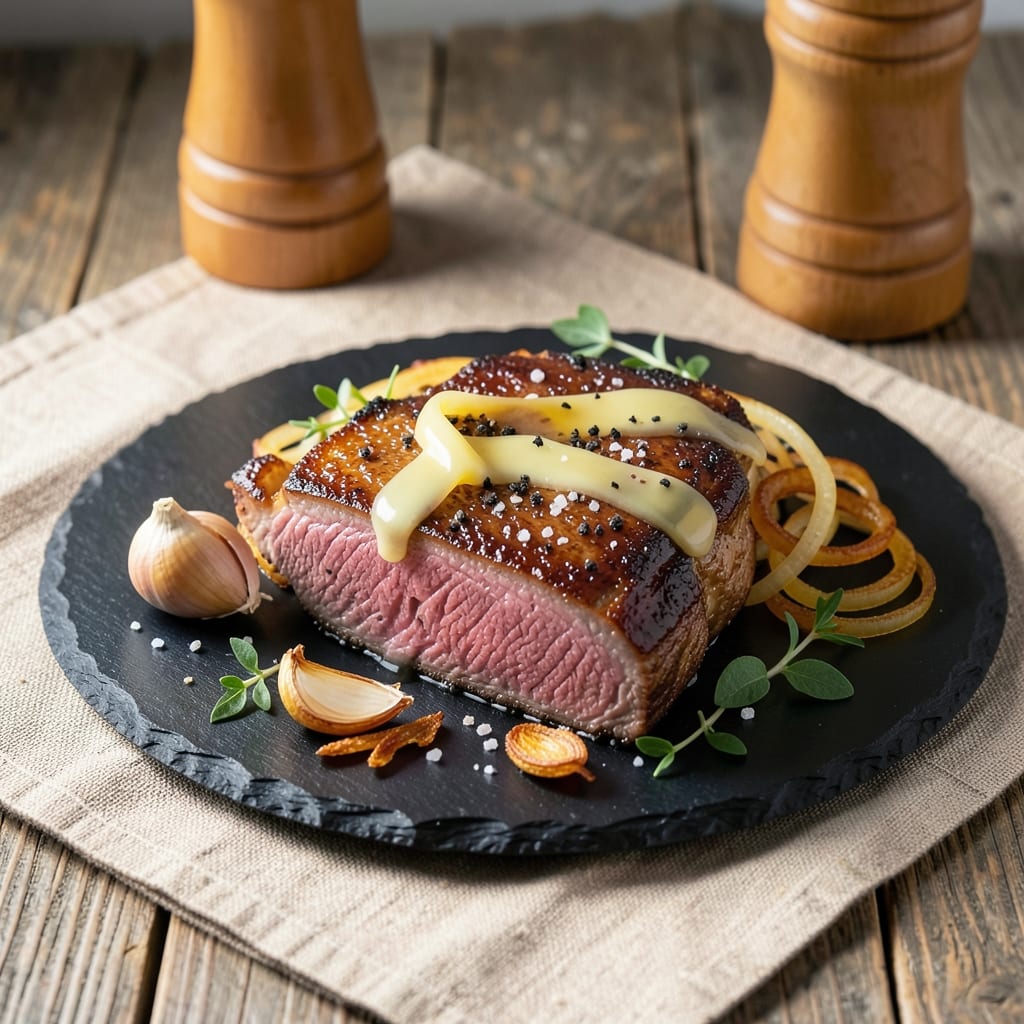
Angus beef sirloin tip steak recipe transforms tough cuts into melt-in-your-mouth bites with a buttery crust that rivals steakhouse quality. The secret lies in a two-step process: slow cooking to tenderize the meat, followed by a high-heat sear to lock in juices and create that coveted golden crust. This method ensures every bite is perfectly balanced—tender inside, crispy outside—without requiring specialized equipment.
What sets this recipe apart is the precision of temperature control, whether you're using a slow cooker, oven, or stovetop. The goal is to break down the connective tissue while keeping the meat moist, resulting in fork-tender bites that practically fall apart. A simple butter-baste during the final sear adds richness and enhances the natural beefy flavor, making this dish both impressive and approachable for home cooks.
By the time you serve this steak, you'll have achieved a restaurant-quality result that's far more economical than dining out. The buttery crust adds a luxurious touch, while the tender meat delivers satisfaction with every bite. Pair it with classic sides like roasted potatoes or a bold red wine reduction to complete the meal.
This recipe is designed to impress without stress, ensuring you'll deliver a steak that's both tender and flavorful. Whether you're cooking for a special occasion or a casual weeknight dinner, the results will leave everyone at the table asking for seconds.
Ingredients for angus beef sirloin tip steak
Four ingredients transform tough beef into restaurant-quality bites with buttery perfection.
| Ingredient | Amount | Notes |
|---|---|---|
| Angus Beef Sirloin Tip Roast 🥩 | 2 ½ lb | Center-cut preferred for tenderness |
| Unsalted Butter 🧈 | ½ cup | Cold, cubed for basting |
| Kosher Salt 🧂 | 1 ½ tbsp | Diamond Crystal preferred |
| Freshly Ground Black Pepper 🌶️ | 1 tsp | Coarse grind for texture |
| Garlic Cloves 🧄 | 4 cloves | Smashed for infusion |
| Yellow Onion 🧅 | 1 whole | Cut into 1-inch chunks |
| Fresh Rosemary 🌿 | ¼ cup | Chopped, stems removed |
| Fresh Thyme 🌿 | ⅛ cup | Leaves only, stems discarded |
| Red Wine 🍷 | ½ cup | Bold dry variety like Cabernet |
| Beef Broth 🥫 | ½ cup | Low-sodium preferred |
| Olive Oil 🫒 | 1 tbsp | For searing |
| All-Purpose Flour 🌾 | 2 tbsp | For dredging |
The beef is everything here. Angus sirloin tip has just enough marbling to stay juicy while breaking down beautifully. Costco or Whole Foods carry it pre-cut, but if buying whole, ask the butcher for a center-cut piece—it's more tender. Look for bright red color and good fat distribution. The roast should weigh about 2.5 pounds for four servings, but don't stress if it's slightly off—just adjust cooking time by 10-15 minutes per pound. I always grab extra butter too (the good stuff, not the pre-packaged kind) because we're basting this like it's a special occasion.
No red wine? Beef broth plus a splash of balsamic vinegar works perfectly fine. Fresh herbs make all the difference, but dried thyme at one-third the amount is a solid backup. The garlic can be roasted ahead of time if you're prepping—just toss whole cloves with olive oil and roast at 400°F for 20 minutes, then smash. For the sear, high-smoke-point oil like avocado or grapeseed is better than olive oil if you're worried about burning. And trust me on the cold butter—it creates that perfect crust when it melts during the final sear.
This steak tastes even better the next day, so make extra if you're feeding a crowd. Wrap tightly in foil and refrigerate for up to 3 days, or freeze portions for 3 months. For serving, let it sit at room temperature for 30 minutes before slicing—this keeps it juicy. I like to portion it into individual servings right after cooking so everything stays neat when I reheat slices later. The leftovers reheat beautifully in a skillet with a splash of broth—just 2-3 minutes per side on medium heat.
Why You'll Love This Recipe
- Here’s what sold me: this steak works for everything. Toss it on the grill for a summer BBQ, or pan-sear it for a quick Tuesday dinner. Slice it thin for tacos, or serve it whole for a special occasion—it’s that adaptable. No last-minute stress, just reliable deliciousness.
- I’ll be real: most steak leftovers are sad. Not this one. The sirloin tip stays tender enough to repurpose into sandwiches, salads, or even a quick stir-fry the next day. Plus, it’s budget-friendly—you get multiple meals from one roast without breaking the bank. Win-win.
Step-by-step instructions for perfectly cooked angus beef sirloin tip roast
Transform your sirloin tip into melt-in-your-mouth perfection with this simple, foolproof method.
Prep the Roast for Maximum Flavor
Start by patting the 2.5 lb Angus Beef Sirloin Tip Roast completely dry with paper towels—this is crucial for that golden crust. Place it on a cutting board and generously season all sides with 1.5 tbsp Kosher Salt and 1 tsp Freshly Ground Black Pepper, pressing the seasoning into the meat so it sticks. Let it sit at room temperature for 30 minutes before cooking—this ensures even cooking throughout.
While the meat rests, prepare your aromatics. Cut the 1 whole Yellow Onion into 1-inch chunks and smash the 4 cloves Garlic Cloves with the flat side of your knife—this releases their flavor. Chop the 0.25 cup Fresh Rosemary and 0.125 cup Fresh Thyme, removing stems first. These herbs will infuse the roast with aromatic depth as it cooks.
Sear for a Flavorful Crust
Heat 1 tbsp Olive Oil in a large oven-safe skillet over medium-high heat until shimmering. Add the roast and sear on all sides for 3-4 minutes per side until it develops a deep golden-brown crust. This step locks in juices and creates that irresistible texture. Don't rush—let it develop color before moving it.
Once seared, transfer the roast to a plate and set it aside. In the same skillet, add the onion chunks and smashed garlic cloves, cooking for 3-4 minutes until softened. Pour in the 0.5 cup Red Wine, scraping up any browned bits from the bottom of the pan—this adds rich flavor to the sauce. Let it simmer for 2 minutes until reduced by half.
Braise for Fork-Tender Results
Return the roast to the skillet, nestling it among the onions and garlic. Pour in the 0.5 cup Beef Broth, then add the chopped rosemary and thyme. Cover the skillet tightly with a lid and transfer it to a preheated 325°F oven. Braise for 2 to 2.5 hours, depending on your preferred tenderness—you're aiming for the meat to be fork-tender and easily pulled apart.
About 30 minutes before the roast is done, remove the lid and increase the oven temperature to 375°F. This final step helps create a slightly crispy exterior while keeping the inside juicy. Check for doneness by inserting a meat thermometer into the thickest part—it should read 195-205°F for fork-tender perfection.
Finish with Buttery Richness
When the roast is done, remove it from the skillet and transfer it to a cutting board. Tent it loosely with foil and let it rest for 10-15 minutes—this allows the juices to redistribute, ensuring every bite is moist and flavorful.
While the roast rests, prepare the finishing sauce. In the same skillet, melt the 0.5 cup Unsalted Butter over medium heat, then whisk in the 2 tbsp All-Purpose Flour to create a quick roux. Cook for 1-2 minutes until smooth, then gradually whisk in the braising liquid from the skillet. Simmer for 3-4 minutes until the sauce thickens to your desired consistency. Taste and adjust seasoning with additional salt or pepper if needed.
Serve with Pan Sauce
Slice the roast against the grain into ½-inch thick pieces and arrange on a platter. Spoon the buttery pan sauce over the top and serve immediately. The combination of tender, flavorful meat and rich sauce makes this dish a showstopper for any occasion.
For an extra touch, garnish with fresh herbs or a sprinkle of freshly ground black pepper. This roast pairs beautifully with roasted vegetables, mashed potatoes, or crusty bread to soak up every last bit of that delicious sauce.
Pro Tips For Making Angus Beef Sirloin Tip Steak
- CRANK THE HEAT FAST: High heat is your friend here—sear the sirloin tip on max flame for 2-3 minutes per side until deep brown. I used to wimp out with medium-high, and the crust never formed right. This steak needs aggression to lock in flavor.
- SALT THE GARLIC CLOVES: Crush the garlic cloves flat with the side of your knife, then sprinkle them with kosher salt before adding butter. The salt draws out moisture, making the garlic melt faster and infuse the butter better—no more bitter, raw garlic bits.
- DON’T CUT INTO IT YET: Let the steak rest for at least 5 minutes under foil before slicing. I know, waiting kills you, but rushing turns a juicy slab into a sad, dry pile. Use that time to melt butter and warm plates instead.
- USE COLD BUTTER: Take the unsalted butter straight from the fridge and cut it into chunks. Cold butter bastes better, coats the steak evenly, and won’t melt into a greasy mess before you’re done. Trust me, this isn’t the time to go for room-temperature convenience.
Regional styles of these flavors
Texas BBQ Style
In Texas, this roast becomes a centerpiece for smoked brisket-style feasts—just swap the red wine for ½ cup beef broth and add 1 tbsp smoked paprika to the seasoning. Cook it low-and-slow at 225°F for 4-5 hours in a smoker or oven with applewood chips for that iconic Texas smoke ring. Serve with white bread for dipping in the pan sauce, and don’t forget the pickled jalapeños for heat. 🌶️
Italian Braised Tradition
For an Italian twist, replace the red wine with ½ cup dry vermouth and add 1 sprig fresh rosemary plus 1 bay leaf to the braising liquid. After searing, coat the roast in 1 tbsp olive oil and 1 tbsp flour, then brown it in the skillet before braising. Finish with a splash of ½ cup heavy cream in the pan sauce for a creamy, herby touch. Serve with polenta or creamy risotto to soak up the sauce.
French Bouillabaisse-Inspired
Transform this into a Provençal-inspired dish by adding 1 tsp saffron threads and 1 fennel bulb (diced) to the braising liquid. Use white wine instead of red and finish the sauce with 1 tbsp brandy for depth. Garnish with lemon zest and serve with crusty baguette and buttery mussels on the side. The saffron adds a luxurious golden hue and earthy aroma that elevates the beef. 🍋
Southwest Chili-Crusted
For a bold Southwest flair, coat the roast in a mix of 2 tbsp chili powder, 1 tsp cumin, and ½ tsp cayenne before searing. Use beer (like Corona) instead of wine for braising, and add 1 diced poblano pepper to the skillet. Finish the sauce with 1 tbsp lime juice and serve with cilantro, avocado slices, and charro beans. The smoky-spicy crust pairs perfectly with the tender meat. 🌵
Classic British Sunday Roast
Channel British tradition by wrapping the roast in pork crackling (or back bacon) before braising, and add 1 onion, 1 carrot, and 2 parsnips to the skillet for a vegetable medley. Use beef stock and 1 tsp Worcestershire sauce in the braising liquid. Serve with Yorkshire pudding, horseradish cream, and roasted potatoes. The crackling adds a crispy, savory layer that’s pure comfort food. 🥔
Modern Asian Fusion
Infuse global flavors by marinating the roast in 1 tbsp soy sauce, 1 tbsp honey, and 1 tsp grated ginger before searing. Use mirin instead of wine and add 1 tbsp fish sauce to the braising liquid. Finish the sauce with 1 tsp sesame oil and garnish with scallions and toasted sesame seeds. Serve with jasmine rice and steamed bok choy for a fusion masterpiece. 🍜
Nutrition facts
Frequently asked questions
Can I substitute sirloin tip with another beef cut?
While sirloin tip is ideal for its balance of tenderness and flavor, you can use chuck roast or bottom round as alternatives. These cuts have more connective tissue, so they'll benefit from the longer braising time. Avoid leaner cuts like sirloin or filet mignon—they'll dry out during the slow cooking process. If using chuck, add an extra 30 minutes to the braising time.
How do I know when the steak is fork-tender?
Look for two key indicators: the meat should easily pull apart with a fork, and the internal temperature should reach 195-205°F. When you insert a fork, the fibers should separate cleanly rather than resist. For extra assurance, pierce the thickest part—if the juices run clear (not pink or bloody), it's perfectly tender. This level of doneness is ideal for slicing into bite-sized pieces.
Can I make this recipe in a slow cooker?
Sear the roast first in a skillet, then transfer it to your slow cooker with the onions, garlic, wine, and broth. Cook on low for 6-7 hours or high for 4-5 hours until fork-tender. The slow cooker method is even more hands-off, though you'll miss the buttery crust. For that, finish the roast in a hot skillet with butter for 2-3 minutes per side before serving.
What if I don't have red wine for the braising liquid?
No problem! Use beef broth instead, or combine ½ cup beef broth with 2 tbsp balsamic vinegar for depth. For a richer flavor, add 1 tbsp soy sauce or 1 tsp Worcestershire sauce. The key is balancing acidity and umami—any of these substitutes will work beautifully. The herbs and aromatics will still carry the dish, so don't stress over the wine.
How far ahead can I prep this recipe?
You can prep everything 24 hours ahead! Season the roast and refrigerate it uncovered for 12 hours to dry-brine (this enhances flavor). The day of cooking, sear the meat and make the aromatics, then refrigerate the skillet setup. When ready to cook, add the broth and herbs, then proceed with braising. For the sauce, you can make it up to 1 day ahead—just reheat gently before serving.