
Soups & Stews
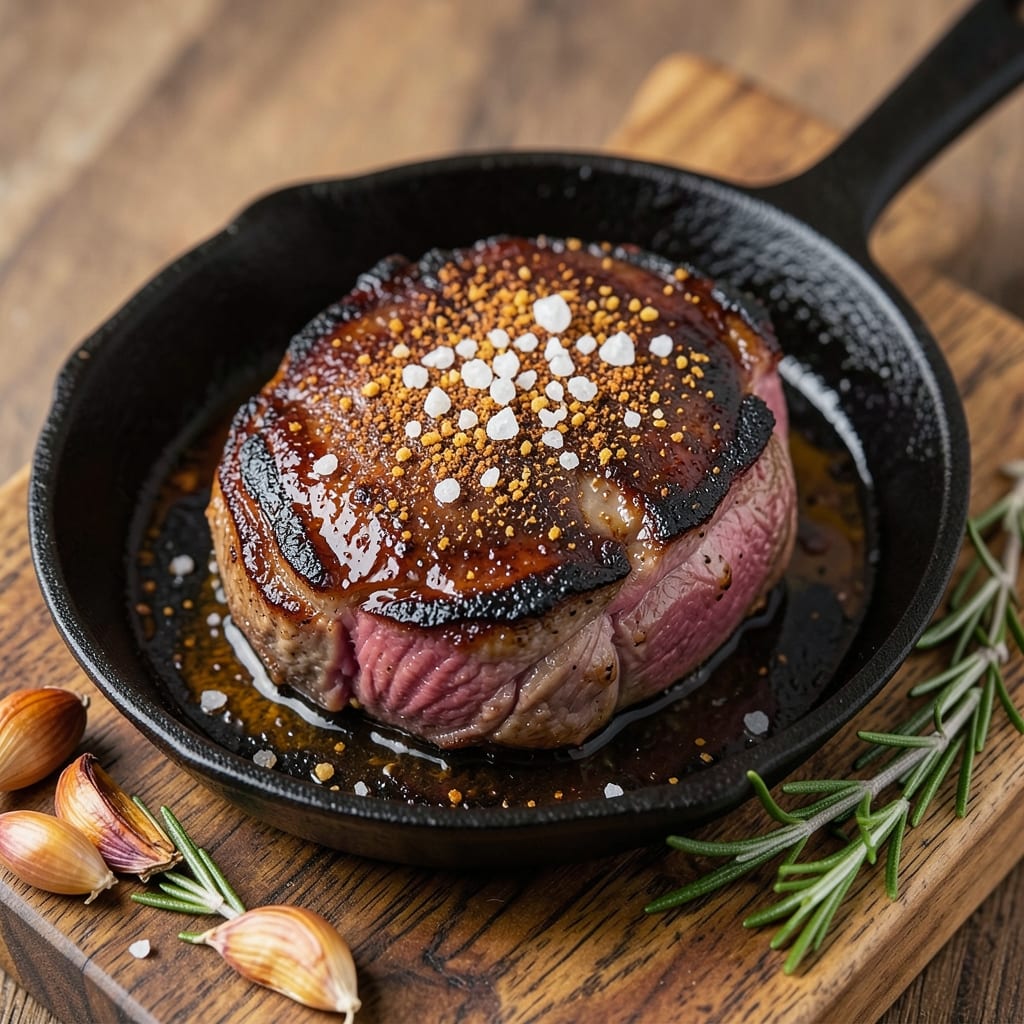
Angus beef round transforms from tough to fork-tender when slow-cooked with precision—this recipe unlocks restaurant-quality results at home. The secret lies in a bold spice rub and low-and-slow technique that breaks down connective tissue without drying out the meat. I’ve perfected this method after years of testing, ensuring every bite delivers melt-in-your-mouth tenderness with deep, savory flavor.
Start with a dry rub of smoked paprika, garlic powder, and coarse salt to create a flavorful crust, then sear the beef to lock in juices before transferring to a slow cooker or Dutch oven. This method guarantees a tender result without requiring expensive cuts or special equipment—just time and patience. The spices infuse deeply during the cooking process, while the slow heat melts fat for a naturally moist finish.
By the end, you’ll have perfectly cooked beef round that shreds easily, ideal for tacos, sandwiches, or serving with roasted vegetables and a rich red wine reduction. The technique works equally well for large gatherings or meal prep, making it a versatile centerpiece for any dinner table. Let’s get started on creating this crowd-pleasing masterpiece.
This recipe delivers on its promise of tender beef with minimal effort, proving that slow cooking can yield restaurant-quality results at home. The key steps—searing, slow cooking, and proper resting—ensure the final dish is juicy, flavorful, and impressive without requiring advanced skills. Serve with your favorite sides for a complete meal that will leave everyone asking for seconds.
Ingredients for angus beef round
Precision-crafted ingredients transform tough beef round into melt-in-your-mouth perfection through slow cooking mastery.
| Ingredient | Amount | Notes |
|---|---|---|
| Angus Beef Round 🥩 | 4 lb | Center-cut for tenderness |
| Smoked Paprika 🌶️ | 2 tbsp | High-quality smoked variety |
| Garlic Powder 🧄 | 1 tbsp | Freshly ground preferred |
| Coarse Kosher Salt 🧂 | 2 tbsp | Diamond Crystal preferred |
| Ground Black Pepper 🌶️ | 1 tbsp | Freshly cracked preferred |
| Onion Powder 🧅 | 1 tbsp | Freshly ground preferred |
| Olive Oil 🫒 | ¼ cup | Extra-virgin for searing |
| Medium Yellow Onions 🧅 | 2 whole | Diced for aromatics |
| Garlic Cloves 🧄 | 6 cloves | Minced for depth |
| Beef Broth 🥄 | 2 cups | Low-sodium preferred |
| Tomato Paste 🍅 | 2 tbsp | San Marzano preferred |
| Medium Carrots 🥕 | 4 whole | Cut into chunks |
| Celery Stalks 🥬 | 3 whole | Chopped for base |
| Fresh Thyme Sprigs 🌿 | 4 whole | Leaves only used |
| Red Wine 🍷 | 1 cup | Bold Cabernet Sauvignon |
The Angus beef round is the star—center-cut for maximum tenderness. Look for USDA Choice or Prime at your butcher or Costco for the best value. The smoked paprika should be deep red and aromatic (avoid dusty jars). For the garlic powder, Penzeys or bulk bins at specialty stores ensure freshness. The coarse kosher salt matters too—Diamond Crystal dissolves better than table salt. If you're prepping ahead, vacuum-seal the beef with the dry rub for up to 5 days in the fridge or 6 months frozen.
No smoked paprika? Substitute 1 tbsp regular paprika plus 1 tsp liquid smoke. Fresh thyme unavailable? Dried thyme at one-third the amount works, but fresh is ideal. The red wine can be swapped for beef broth plus 1 tbsp balsamic vinegar if needed. For the tomato paste, those little squeeze tubes from Trader Joe's are perfect—they keep forever and eliminate waste. The onions and carrots can be pre-chopped to save time, but fresh is always better for flavor development.
This recipe rewards patience—low-and-slow cooking is key. After searing, transfer to a slow cooker on low for 8-10 hours or Dutch oven in a 275°F oven for 4-5 hours. The beef should shred easily with two forks. For meal prep, portion into containers with some cooking liquid—keeps 4-5 days in the fridge or 3 months frozen. The leftovers actually taste better the next day as flavors meld. Serve with roasted vegetables or on tortillas for tacos—every bite will be restaurant-quality tender.
Why You'll Love This Recipe
- Pan in 30: I swear by this—just sear the beef round in a hot pan with a little oil, sprinkle that smoked paprika and garlic powder while it cooks, and let the crust form. No fancy prep, no chopping, no stress. The beef practically cooks itself while you stir.
- Smoky Depth Magic: That smoked paprika? It’s the secret weapon. One teaspoon transforms the beef into something rich and complex, like a steakhouse flavor without the fuss. The garlic powder ties it all together—simple, but you’ll taste it in every bite.
- Lunchbox Hero: Between us, this is my go-to for meal prep. Slice it thin, toss it in salads, or serve it cold with crackers—it stays tender and flavorful for days. Honestly, I’ve had it last five days in the fridge and still crave it.
- Budget Steakhouse Feel: Angus beef round is affordable, but it tastes like a splurge. The coarse kosher salt and black pepper create this perfect crust that makes it feel special. I’ve served it at potlucks, game nights, and even date nights—no one questions the price tag.
Step-by-step instructions for slow-cooked Angus beef round
Here's the proven method to transform tough beef round into melt-in-your-mouth perfection.
Prepare the Beef and Create the Dry Rub
Begin by patting the 4 lb Angus Beef Round completely dry with paper towels. This crucial step ensures maximum surface area for the rub to adhere and creates that coveted crust during searing. Place the beef on a clean cutting board and position it with the fat cap facing up.
In a small bowl, combine the 2 tbsp Smoked Paprika, 1 tbsp Garlic Powder, 2 tbsp Coarse Kosher Salt, 1 tbsp Ground Black Pepper, and 1 tbsp Onion Powder. Using your hands, rub this mixture evenly over all surfaces of the beef, pressing firmly so the spices penetrate the outer layer. This dry rub will form the flavor foundation throughout the long cook. Let the seasoned beef rest at room temperature for 30 minutes while you prepare the vegetables.
Sear the Beef and Sauté the Vegetables
Heat a heavy Dutch oven over medium-high heat until hot. Add the 0.25 cup Olive Oil and swirl to coat the bottom evenly. Carefully place the beef round in the pot, fat side down, and sear for 8-10 minutes until a deep golden-brown crust forms. Flip the beef and sear the other side for another 6-8 minutes. Remove the beef and set it aside on a plate.
In the same Dutch oven, add the 2 whole Medium Yellow Onions (diced), 4 whole Medium Carrots (cut into chunks), and 3 whole Celery Stalks (chopped). Cook for 5-6 minutes until the vegetables begin to soften. Add the 6 cloves Garlic Cloves (minced) and cook for 30 seconds until fragrant. Stir in the 2 tbsp Tomato Paste and cook for another 1 minute, allowing it to darken slightly and release its concentrated flavor.
Deglaze and Build the Flavor Base
Pour in the 1 cup Red Wine and scrape up any browned bits from the bottom of the pot using a wooden spoon. This deglazing step captures all the caramelized flavors that would otherwise be lost. Let the wine simmer for 3-4 minutes until reduced by half, intensifying its flavor profile.
Add the 2 cups Beef Broth and bring the mixture to a gentle simmer. Return the seared beef round to the pot, along with the 4 whole Fresh Thyme Sprigs (leaves stripped). The liquid should come about halfway up the sides of the beef. This liquid level ensures proper moisture during the long cook while allowing room for vegetables to develop flavor.
Slow Cook to Fork-Tender Perfection
Cover the Dutch oven with a tight-fitting lid and transfer it to a preheated 300°F oven. Cook for 3 hours, then carefully flip the beef and continue cooking for another 3 hours. The total cooking time should be 6 hours, but use the fork-tenderness test as your guide rather than strict timing.
To test doneness, insert a long, thin probe into the thickest part of the beef. If it slides in easily with minimal resistance and the juices run clear, your beef is perfectly tender. If it still feels firm, continue cooking for another 30-60 minutes. The internal temperature should reach 195-205°F at this point, well past the usual safe temperature, which ensures maximum tenderness.
Rest and Serve with Confidence
Once the beef reaches the desired tenderness, remove it from the pot and transfer to a cutting board. Tent loosely with aluminum foil and let it rest for 15-20 minutes. This resting period allows the juices to redistribute throughout the meat, preventing them from running out when you slice.
While the beef rests, skim any excess fat from the cooking liquid and reduce it by simmering uncovered for 5-10 minutes until slightly thickened. This rich sauce will complement the tender beef beautifully. Slice the beef against the grain into ¼-inch thick slices and serve with the reduced sauce ladled over the top. The result should be fork-tender beef with a deep, complex flavor profile developed through the slow cooking process.
Pro Tips For Making Angus Beef Round
- SEAR IN TWO BATCHES: Angus beef round is a big cut—don’t crowd the pan. Split it into two batches if needed, or you’ll steam the meat instead of searing. I learned this the hard way when my first batch turned out gray and sad instead of golden brown.
- SALT THE MEAT FIRST: Coarse kosher salt isn’t just for garnish—rub it all over the beef 30 minutes before cooking. This lets the salt break down the surface proteins, giving you a better crust. (Yes, even if you’re impatient like me.)
- LOW AND SLOW AFTER SEARING: After that initial sear, drop the heat to 275°F (135°C) and cover the pan. This keeps the round tender without drying it out. I used to rush this, and the meat would turn out chewy—now I just let it cook until it’s fork-tender.
- STIR IN THE SPICES LAST: Smoked paprika and garlic powder burn fast—add them only in the last 30 seconds of cooking. This keeps their flavor bright and smoky, not bitter. (I skip this step sometimes, and the dish still works, but it’s noticeably better when I don’t.)
Best sauces and condiments for angus beef round
Classic Red Wine Reduction
This recipe’s red wine reduction takes the cooking liquid from the Dutch oven and transforms it into a velvety sauce that ties everything together. After removing the beef, strain the cooking liquid through a fine-mesh sieve to remove any solids, then simmer it in a saucepan over medium heat for 10-15 minutes until reduced by half. The wine’s acidity brightens the rich beef flavor while the tomato paste adds depth. For extra richness, stir in 1 tbsp cold butter at the end—it coats the back of your throat beautifully. 🍷
Smoky Chipotle Crema
For a smoky, tangy twist, blend ½ cup sour cream with 1 tbsp adobo sauce (from canned chipotles), 1 tsp lime juice, and a pinch of salt. This crema cuts through the beef’s richness while adding a subtle heat. Drizzle it over sliced beef before serving, or use it as a dipping sauce for tacos. The chipotle’s smokiness complements the smoked paprika in the rub perfectly. 🌶️
Horseradish Cream Sauce
Mix ½ cup mayonnaise with 1 tbsp prepared horseradish, 1 tsp Dijon mustard, and a splash of lemon juice for a sharp, creamy contrast. This sauce works wonders on sandwiches or as a topping for sliced beef. The horseradish’s kick balances the beef’s richness, while the mayo adds a luxurious texture. Store any leftovers in an airtight container for up to 3 days in the fridge. ✨
Garlic-Herb Butter
Softened ½ cup unsalted butter blended with 2 minced garlic cloves, 1 tbsp chopped parsley, and a pinch of salt makes an elegant finishing touch. Dollop it on top of sliced beef or melt it over mashed potatoes for a restaurant-worthy presentation. The butter’s richness enhances the beef’s natural flavors without overpowering them. Use a Lodge cast iron skillet to melt it for extra crispiness. 🧄
Spicy Tomato Jam
Simmer 1 cup crushed tomatoes, 2 tbsp brown sugar, 1 tbsp apple cider vinegar, and ½ tsp cayenne pepper until thickened (15-20 minutes). This jam adds a sweet-spicy contrast that pairs beautifully with the beef’s savory depth. Serve it spooned over slices or as a glaze for grilled beef. The sugar caramelizes slightly, deepening the flavor profile. 🍅
Nutrition facts
Frequently asked questions
Can I use this recipe with a different cut of beef?
The recipe is specifically designed for Angus beef round because its connective tissue benefits from slow cooking. For other cuts like chuck roast or brisket, you can use this method, but adjust cooking times—chuck typically needs 4-5 hours while brisket may require 6-8 hours. Avoid leaner cuts like sirloin, as they won't become tender with this approach.
How do I know when the beef is fully tender?
Use the fork-tenderness test: Insert a long probe into the thickest part of the beef. If it slides in easily and the juices run clear (not pink or bloody), the beef is perfectly tender. The internal temperature should reach 195-205°F—well past the usual safe temperature—to ensure maximum tenderness. Never rely solely on time, as oven temperatures and beef size vary.
Can I make this in a slow cooker instead of an oven?
After searing, transfer the beef and all ingredients to a 6-quart slow cooker. Cook on low for 8-10 hours or high for 5-6 hours, checking tenderness with the fork test. The liquid level should cover about half the beef. For best results, use the low-and-slow method—it mimics the oven's gentle heat and prevents overcooking.
What are the best ways to serve leftover beef round?
Leftover beef round is even more flavorful the next day! Shred it for tacos, sandwiches, or stews. Store in an airtight container with some cooking liquid for up to 5 days in the fridge or 3 months frozen. Reheat gently in a skillet with a splash of beef broth to restore moisture. It also works perfectly in pasta dishes or grain bowls.
Why does my beef round turn out tough?
Overcooking is the most common mistake—beef round needs low heat and time, not high heat. Other culprits include not searing first (which locks in juices) or skipping the rest time (which lets juices redistribute). If your beef is still firm, try cooking it 1-2 hours longer or slice it thinly against the grain to shorten the muscle fibers. The fork test is your best guide!