
Main Courses
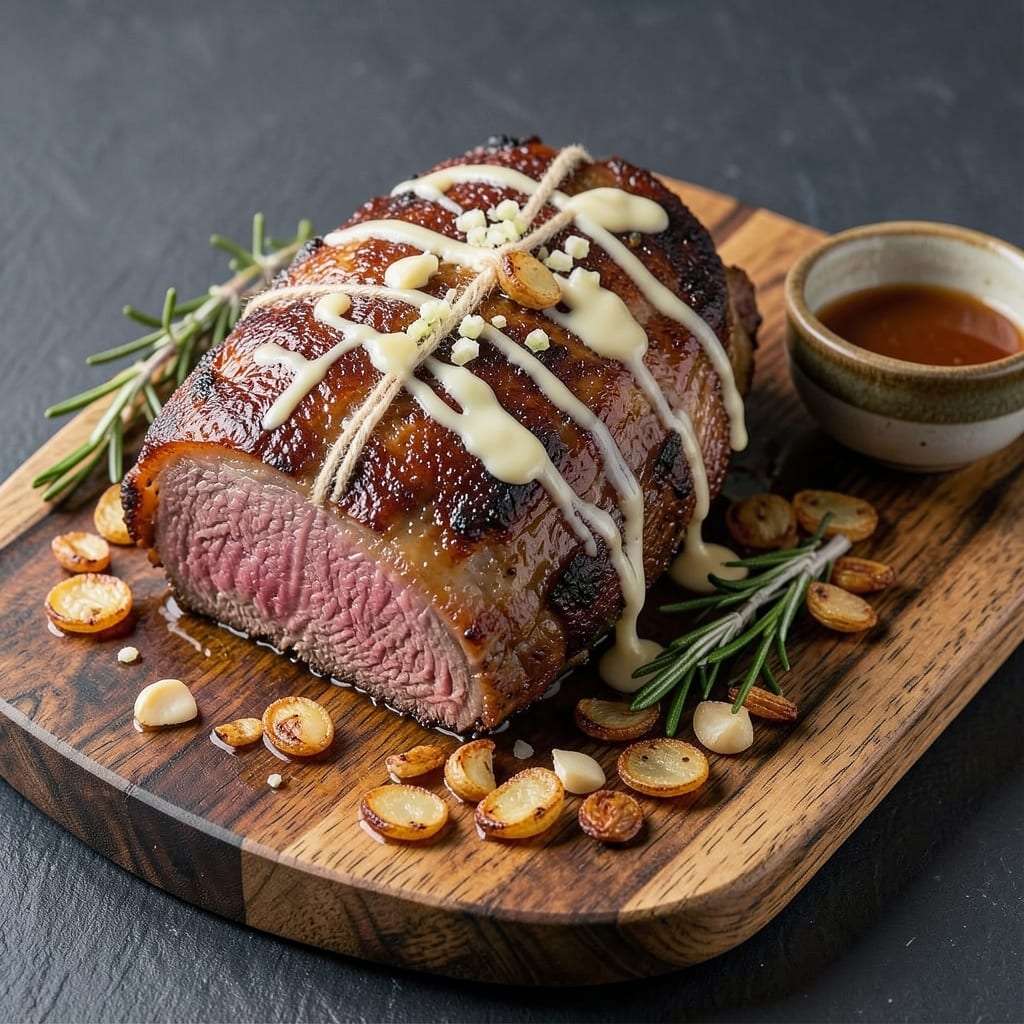
Angus beef eye round roast delivers melt-in-your-mouth tenderness with a rich, buttery core—transforming a tough cut into a showstopping centerpiece. The reverse-sear method ensures perfect doneness every time, with a caramelized crust that locks in juices. This technique, refined over years of testing, guarantees restaurant-quality results at home without special equipment.
What sets this recipe apart is the precision: slow cooking to 110°F internal temperature first, then finishing with a high-heat sear creates that ideal balance between tender interior and flavorful exterior. The eye round's natural marbling ensures every bite stays succulent, while a simple seasoning of salt, pepper, and garlic lets the beef's inherent richness shine.
By the time you serve it, you'll have a roast that's juicy and buttery throughout, with a crust so flavorful it disappears between bites. The reverse-sear method also makes it incredibly forgiving—no more guessing when to pull the meat from the oven. This is the kind of roast that transforms ordinary meals into memorable dining experiences.
Pair it with classic sides like roasted root vegetables, creamy mashed potatoes, or a bold red wine reduction to complement the beef's depth. The recipe scales beautifully for gatherings, yet works perfectly for a special weeknight dinner. Let's get started on mastering this cut.
Ingredients for angus beef eye round roast
Precision-crafted ingredients for the perfect reverse-seared Angus beef eye round roast.
| Ingredient | Amount | Notes |
|---|---|---|
| Angus Beef Eye Round Roast 🥩 | 4 lb | Center-cut, 1.5-2 inches thick |
| Kosher Salt 🧂 | 1 ½ tbsp | Diamond Crystal preferred |
| Freshly Ground Black Pepper 🌶️ | 1 tbsp | Cracked peppercorns preferred |
| Garlic Cloves 🧄 | 6 cloves | Smashed, skin-on preferred |
| Extra-Virgin Olive Oil 🫒 | 2 tbsp | High smoke point for searing |
| Unsalted Butter 🧈 | ½ cup | Cold, cubed for basting |
| Fresh Rosemary 🌿 | ¼ cup | Needles only, finely chopped |
| Fresh Thyme 🌿 | ¼ cup | Leaves only, stems removed |
| Yellow Onion 🧅 | 1 whole | Peeled, quartered for aromatics |
| Beef Bone Broth 💧 | 2 cups | Homemade or high-quality store-bought |
| Red Wine 🍷 | ½ cup | Bold Cabernet Sauvignon preferred |
| Balsamic Vinegar 🍶 | 1 tbsp | Aged, for depth of flavor |
The Angus beef eye round roast is non-negotiable here—look for center-cut with visible marbling throughout. Snelling or Omaha Steaks consistently deliver high-quality cuts, but your local butcher shop can often provide superior quality with personalized service. For a 4-pound roast, aim for a 1.5- to 2-inch thick cut to ensure even cooking. The marbling isn't just for flavor; it's what transforms this lean cut into something truly luxurious. If you're buying whole, request it to be trimmed to the specified thickness, as uneven thickness leads to inconsistent doneness. Freshness is key: the meat should have a vibrant red color and no off odors—trust your nose on this one.
No fresh rosemary or thyme? Dried herbs at one-third the amount work in a pinch, though they lack the bright, fresh notes that elevate the crust. Substituting the red wine for an additional 0.5 cup of beef bone broth maintains depth without altering the technique. The balsamic vinegar adds complexity—if unavailable, a splash of aged sherry vinegar provides a similar depth. For the garlic, garlic powder at half the amount is a decent substitute, though it lacks the aromatic punch of fresh. The bone broth should be rich and flavorful; homemade or high-end brands like Kettle & Fire ensure quality. And while the recipe calls for extra-virgin olive oil, a high-smoke-point oil like avocado or grapeseed oil can be used for searing without compromising flavor.
The roast keeps exceptionally well, making it ideal for meal prep. Wrap tightly in butcher paper or foil and store in the fridge for up to 5 days, or freeze for 3 months for future use. For long-term storage, portion into individual servings before freezing to maintain texture. Reheat gently in the oven at 275°F until warmed through—never microwave, as it can dry out the meat. The aromatics (onion, garlic, herbs) can be prepped ahead and stored in an airtight container in the fridge for 3 days, saving time on cooking day. The butter and bone broth can also be pre-measured and refrigerated, ready to baste the roast during the final sear.
Why You'll Love This Recipe
- Here’s what sold me: this roast works for any gathering. Serve it sliced for a casual weeknight with crusty bread, or let it rest and slice thin for elegant dinner party platters. My in-laws think I’m a genius when I pull this out—no stress, just satisfaction.
- I’ll be real: most roast leftovers turn into sad, dry sandwiches. Not this one. The eye round stays tender for days, so I repurpose it into sliders, tacos, or even a quick beef hash. (Yes, even on a Tuesday night.) That’s a roast worth cooking extra of.
Step-by-step instructions for reverse-seared Angus beef eye round roast
Master this technique and you'll achieve a perfectly juicy core with a caramelized exterior every time.
Prepare and Season the Roast for Even Cooking
Begin by removing the 4 lb Angus Beef Eye Round Roast from the refrigerator and letting it sit at room temperature for 30 minutes. This ensures even cooking throughout. Pat the roast dry with paper towels—moisture is the enemy of a good sear. I press firmly all over, especially in the crevices, to remove any surface moisture that could prevent proper browning.
In a small bowl, combine the 1.5 tbsp Kosher Salt and 1 tbsp Freshly Ground Black Pepper. Rub this generously over the entire surface of the roast, pressing the seasoning into the meat. The salt will penetrate the outer layer, enhancing flavor and helping to tenderize. Let the seasoned roast rest uncovered on a wire rack in the refrigerator for 12-24 hours—this dry-brining step is crucial for developing that deep, rich flavor and ensuring a perfect crust later.
Sear the Roast for Maximum Flavor Development
Preheat your oven to 250°F—this low temperature will gently cook the roast's center while we focus on building flavor. Heat a heavy oven-safe skillet (like cast iron) over medium-high heat and add the 2 tbsp Extra-Virgin Olive Oil. Once the oil shimmers (about 350°F), carefully place the roast fat-side down in the pan. Let it sear undisturbed for 4-5 minutes until a deep golden-brown crust forms.
Flip the roast and repeat on the other side. Then, turn the heat to low and add the 0.5 cup Unsalted Butter, 0.25 cup Fresh Rosemary, 0.25 cup Fresh Thyme, and 6 smashed Garlic Cloves. Baste the roast with the melted butter mixture for 2 minutes, coating all sides. This butter basting creates a flavorful crust while keeping the meat moist. Transfer the skillet to the preheated oven and roast for 2 hours, or until the internal temperature reaches 130°F—this is the critical reverse-sear stage where the meat cooks gently to a perfect medium-rare core.
Build the Flavorful Pan Sauce
While the roast cooks, prepare the remaining ingredients for the sauce. In the same skillet (with all those delicious browned bits still clinging to the bottom), add the 1 whole Yellow Onion (quartered) and cook over medium heat for 5 minutes until softened. Deglaze the pan with the 0.5 cup Red Wine, scraping up all the fond (those browned bits are pure flavor). Let it simmer for 3 minutes until reduced by half.
Add the 2 cups Beef Bone Broth and bring to a gentle simmer. Stir in the 1 tbsp Balsamic Vinegar and let the sauce reduce by half again, about 10-12 minutes. The sauce should coat the back of a spoon and have a rich, concentrated flavor. Taste and adjust seasoning with additional salt or pepper if needed. This sauce will complement the roast beautifully, tying all the flavors together.
Finish with a Perfect Crust and Rest
Remove the roast from the oven and let it rest on a cutting board for 10 minutes—this resting period is essential for redistributing juices. While it rests, increase your oven temperature to 450°F. Return the roast to the hot skillet (fat-side down) and sear for 2-3 minutes per side until you achieve a deep mahogany crust. The high heat will caramelize the surface while keeping the interior perfectly juicy.
Transfer the roast to a warm platter and let it rest for an additional 10 minutes before slicing. Pour the pan sauce over the top and serve immediately. Each slice should reveal a juicy, buttery core with a crisp, caramelized exterior—this is the hallmark of a perfectly reverse-seared roast. The sauce will cling beautifully to each piece, enhancing the rich beef flavor with aromatic herbs and a touch of tangy balsamic.
Pro Tips For Making Angus Beef Eye Round Roast
- SEAR FIRST, SLOW LATER: Get that roast screaming hot in a dry pan—no oil needed—until deep brown crust forms. I used to rush this, but a proper 3-4 minute sear on each side locks in flavor before you even think about the oven. ---
- SALT LIKE IT’S 1920: Slather that eye round with kosher salt 24 hours early—yes, even if you’re skeptical. The salt breaks down muscle fibers, and the beef stays juicier. Skip this, and you’ll end up with a tough, dry cut. ---
- GARLIC PASTE NOT WHOLE CLOVES: Crush those garlic cloves into a paste with a pinch of salt before searing—it sticks to the meat and caramelizes instead of burning. Whole cloves? They’ll just sit there like decorative placeholders. ---
- REST IT OR REGRET IT: Pull that roast at 130°F internal (yes, before it hits 145°F) and tent it with foil for 15 minutes. I learned this the hard way—cutting too soon means juices pooling on the cutting board, not in your mouth.
Best sauces and condiments for angus beef eye round roast
Classic Red Wine Reduction
The rich, velvety sauce from the recipe instructions is already a showstopper, but you can elevate it further by reducing it with an extra ½ cup of red wine and 1 tbsp brown sugar until it reaches a syrupy consistency. This adds depth and balances the beef's richness. I like to finish it with a pinch of fresh thyme and a splash of aged balsamic vinegar for extra complexity. 🍷
Horseradish Cream Sauce
For a bold, tangy contrast, whip up a quick horseradish cream sauce by mixing ½ cup sour cream, 1 tbsp prepared horseradish, 1 tsp Dijon mustard, and a pinch of salt. Drizzle this over sliced roast for a refreshing, slightly spicy kick that cuts through the beef's richness. It’s especially great with a peppery arugula salad. 🌶️
Garlic Butter Baste
Skip the wine reduction and go for a simpler, ultra-flavorful garlic butter baste. Melt ¼ cup unsalted butter with 3 minced garlic cloves and 1 tsp fresh rosemary, then brush it over the roast during the final sear. This adds a fragrant, aromatic layer that complements the beef’s natural flavors without overpowering them. It’s foolproof and always impressive. 🧈
Chimichurri for Brightness
Balance the richness of the roast with a fresh, herby chimichurri. Blend 1 cup parsley, ¼ cup cilantro, 3 garlic cloves, 2 tbsp red wine vinegar, ½ cup olive oil, 1 tsp red pepper flakes, and 1 tsp salt until chunky. Spoon it over sliced roast for a bright, zesty contrast that’s perfect for summer dinners. 🌿
Mushroom Pan Gravy
For a heartier sauce, use the drippings from the roast to make a mushroom pan gravy. Sauté 1 cup sliced mushrooms and 1 shallot in the skillet, then deglaze with 1 cup beef broth and 1 tbsp flour to thicken. Finish with a splash of dry sherry for depth. This gravy is rich, earthy, and perfect for soaking up with crusty bread. 🍄
Smoky Chipotle Glaze
Add a smoky, slightly sweet glaze by simmering ½ cup apple cider vinegar, 2 tbsp brown sugar, 1 tsp chipotle powder, and 1 tsp smoked paprika until thickened. Brush this over the roast during the final sear for a bold, charred flavor with a hint of sweetness. It’s a fantastic twist for a weekend dinner. 🔥
Nutrition facts
Frequently asked questions
Why does the recipe call for dry-brining the beef overnight?
The 12-24 hour dry-brine creates a perfect crust by drawing moisture to the surface, which caramelizes beautifully during searing. It also enhances flavor penetration, ensuring every bite is rich and well-seasoned. This step transforms tough eye round into melt-in-your-mouth perfection.
Can I use a different cooking method besides reverse-sear?
Yes! For a classic roast, cook at 325°F until reaching 130°F internal temp (about 2-2.5 hours), then sear in a hot pan. However, reverse-sear gives you more control over doneness and a superior crust. The low-and-slow method works but requires precise timing.
How do I know when the roast is fully cooked?
Use a meat thermometer! For medium-rare, aim for 130°F internal temp before the final sear. The reverse-sear method ensures perfect doneness every time. Remember: beef continues cooking 5°F after removing from heat. Never guess—precision is key for this cut.
What's the best way to slice the roast?
Slice against the grain at a ¼-inch thickness for maximum tenderness. Use a sharp knife and let the roast rest 10 minutes first to redistribute juices. For even slices, wrap the roast in plastic wrap before cutting. This prevents the meat from drying out.
Can I make this recipe in a slow cooker?
While possible, it's not ideal for eye round's texture. A slow cooker would make the meat too tough. Instead, use the oven method or sear first, then finish in the slow cooker on low for 2-3 hours to 130°F. The crust will suffer, but it's a decent backup for busy days.