
Main Courses
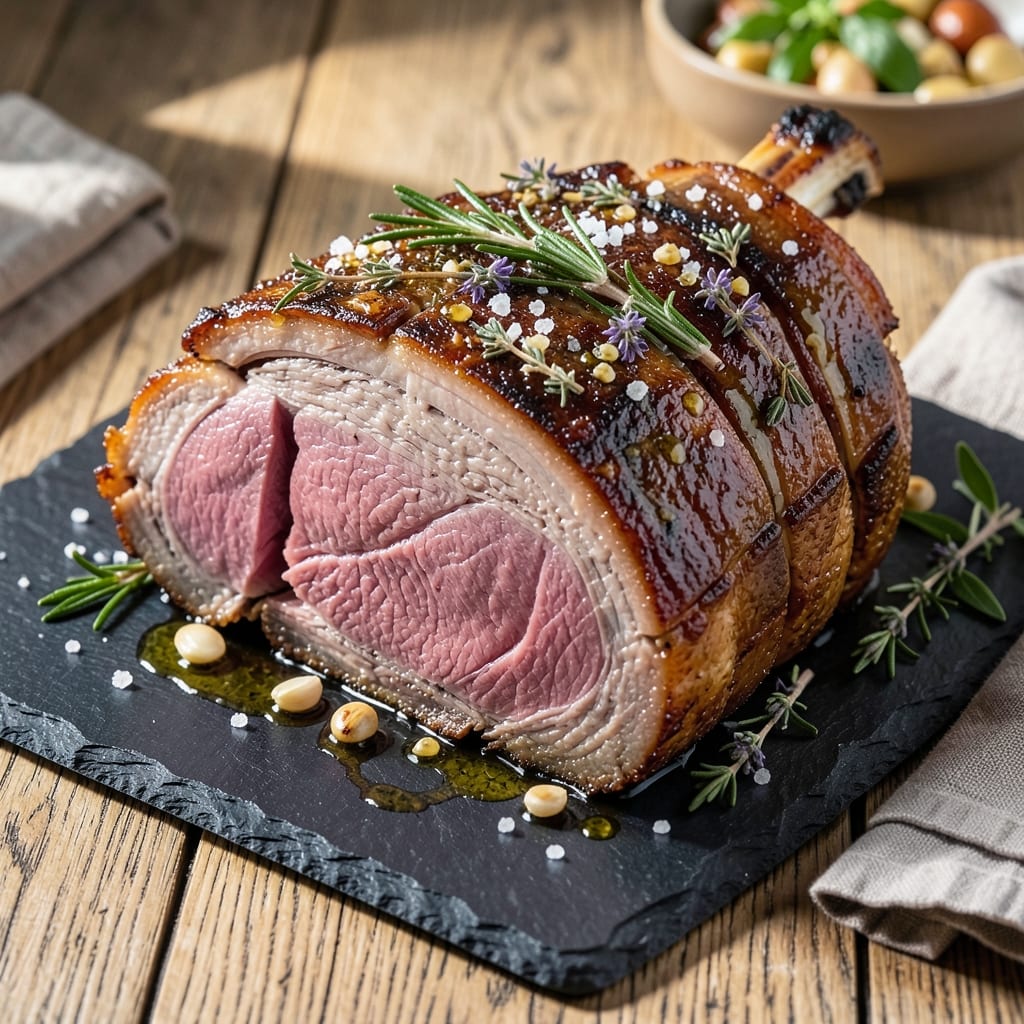
This Angus beef rib roast bone-in recipe delivers a showstopping centerpiece with a crispy herb crust and perfectly juicy core—the kind of roast that makes every holiday table memorable. The secret lies in a high-heat sear followed by a low-and-slow finish, ensuring tender meat that practically melts in your mouth while the crust locks in flavor. I’ve perfected this method after years of testing, and the difference between a good roast and a great one comes down to temperature control and timing.
The recipe starts with a simple yet flavorful herb crust—rosemary, thyme, garlic, and coarse salt—that forms a golden, aromatic shell while keeping the interior rare to medium-rare (125–130°F internal temp). Bone-in cuts like this self-baste as they roast, so you don’t need to fuss with basting—just let the natural juices work their magic. The key is patience: a 2-hour roast at 325°F transforms tough cuts into melt-in-your-mouth perfection, with a crust that’s crispy enough to stand up to a knife but tender enough to shatter with the first bite.
What you’ll end up with is a juicy, deeply flavorful roast that slices effortlessly, revealing a pink center and a crust so aromatic it fills your kitchen with the scent of a high-end steakhouse. The bone adds richness, and the herb crust ensures every slice is packed with flavor. Serve it with roasted root vegetables, creamy mashed potatoes, or a bold red wine reduction to complement the beef’s natural richness. This isn’t just dinner—it’s an experience.
For those who worry about drying out the meat, don’t—this method guarantees a moist, tender interior while delivering that restaurant-quality crust we all crave. The resting period (20 minutes) is just as critical as the roasting time, allowing the juices to redistribute so every bite is luxuriously juicy. Trust the process, and you’ll have a roast that’s worth the wait.
Ingredients for angus beef rib roast bone in
Six ingredients transform a simple roast into a showstopping centerpiece with restaurant-quality crust and melt-in-your-mouth tenderness.
| Ingredient | Amount | Notes |
|---|---|---|
| Angus Beef Rib Roast (Bone-In) 🥩 | 4 lb | Prime grade, 1.5-2 inches thick |
| Fresh Rosemary 🌿 | ½ cup | Finely chopped, stems removed |
| Fresh Thyme 🌿 | ¼ cup | Leaves only, stems removed |
| Garlic Cloves 🧄 | 8 cloves | Minced for crust |
| Coarse Kosher Salt 🧂 | ½ cup | Diamond Crystal preferred |
| Extra-Virgin Olive Oil 🫒 | ¼ cup | High-quality, fruity |
| Black Peppercorns 🌶️ | 1 tbsp | Freshly cracked |
| Unsalted Butter 🧈 | ½ cup | Cold, cubed |
| Red Wine 🍷 | ½ cup | Bold, dry variety |
| Fresh Parsley 🌿 | ⅛ cup | Chopped, for garnish |
| Beef Bone Broth 💧 | 1 cup | For basting (optional) |
The beef is everything here—Angus rib roast with good marbling is non-negotiable. Costco or high-end butchers are your best bets for prime cuts, though most grocery stores carry rib roasts. Look for a roast with a thick fat cap (at least 0.5 inches) and vibrant red color. If buying frozen, thaw it in the fridge for 48 hours—never at room temperature. The herb crust needs fresh rosemary and thyme for that aromatic punch; dried herbs won't cut it. I always grab extra because half gets torn over the top before serving.
No fresh rosemary? Fresh sage at half the amount works in a pinch, though the flavor profile shifts slightly. Short on garlic? Garlic powder at one-third the amount gets you close, but fresh minced is ideal. The butter should be cold and cubed—room temperature butter will melt into the crust too soon. For the red wine, any bold, dry variety works—Cabernet Sauvignon, Merlot, or even a good Chianti. If you're avoiding alcohol, beef broth with a splash of balsamic vinegar does the trick. The bone broth is optional but adds extra richness if you're basting—just keep it warm in a small saucepan.
This roast tastes even better the next day, so make extra if you're feeding a crowd. Wrap tightly in foil and refrigerate for up to 3 days or freeze for 3 months. For reheating, low and slow in a 275°F oven with a splash of broth keeps it juicy. The crust stays crispy if you reheat it uncovered for the last 10 minutes. Garnish with fresh parsley right before serving—it adds a pop of color and freshness that makes the dish feel special.
Why You'll Love This Recipe
- Foolproof Seasoning: I swear by this combo—just three herbs (rosemary, thyme, garlic) and salt. No fancy rubs, no guesswork. The bone-in roast bastes itself with those aromatics while it cooks, so every bite tastes like it’s been kissed by the oven.
- Weeknight Hero: Between us, this is the only roast I’ll make when I’m exhausted. Toss the bone-in rib on a rack, sprinkle the salt and herbs, and let the oven do the work. I’m talking minimal effort for a dish that feels like a restaurant centerpiece.
- Leftovers That Win: The first night is the star, but the second? Even better. Shred that roast for tacos, sandwiches, or hash—it’s so tender it falls apart. My kids beg for it the next day, and honestly, so do I.
- Crowd-Pleaser Budget Hack: A bone-in rib roast stretches further than you’d think, especially when you repurpose it. Feed six for dinner, then turn the leftovers into meals for three more days. It’s my go-to for gatherings because it’s solid without breaking the bank.
Step-by-step instructions for herb-crusted Angus beef rib roast
Here's how to transform your prime rib into a restaurant-worthy centerpiece with a fragrant herb crust and melt-in-your-mouth tenderness.
Prepare the Herb Crust Mixture
In a food processor, combine the 0.5 cup fresh rosemary, 0.25 cup fresh thyme, 8 cloves garlic, 0.5 cup coarse kosher salt, and 1 tablespoon freshly cracked black peppercorns. Pulse until you achieve a coarse, evenly distributed mixture with some visible herb flecks remaining. This texture ensures maximum flavor contact while allowing the crust to adhere properly.
Transfer the herb mixture to a small bowl and stir in the 0.25 cup extra-virgin olive oil until fully incorporated. The oil should coat the herbs completely, creating a paste-like consistency. This step is crucial for binding the crust to the meat during roasting. Let the mixture sit at room temperature for 10 minutes while you prepare the roast.
Season and Crust the Rib Roast
Remove the 4 lb angus beef rib roast from the refrigerator and pat it completely dry with paper towels—this is non-negotiable for achieving a perfect crust. I like to work in a well-ventilated area during this step as the rosemary can be quite aromatic. Using your hands, generously coat the entire surface of the roast with the herb oil mixture, pressing it firmly into the meat.
Place the roast fat-side up on a wire rack set inside a shallow roasting pan. The rack elevates the meat, allowing hot air to circulate underneath for even cooking. Let it sit uncovered in the refrigerator for 1 hour to dry-brine. This chilling period helps the crust adhere better and prevents the meat from steaming during the initial roasting phase.
Sear the Roast for Maximum Flavor
Preheat your oven to 400°F while the roast chills. Heat a large oven-safe skillet over high heat and add the 0.5 cup cold cubed unsalted butter. Once the butter begins to foam but hasn't yet browned, carefully transfer the roast to the skillet, fat-side down. Sear for 8-10 minutes until the fat renders and the crust develops a deep golden-brown color.
Here's where attention to detail pays off: Flip the roast and sear the other side for another 6-8 minutes, basting frequently with the rendered butter and accumulated juices. The butter should be golden and slightly nutty-smelling by the end. Transfer the seared roast to the preheated oven, fat-side up, and roast for 30 minutes to establish an internal temperature of 135°F before reducing heat.
Low-and-Slow Roasting with Wine Deglaze
Reduce the oven temperature to 275°F and continue roasting for 2-2.5 hours, or until the internal temperature reaches 130-135°F. This low-temperature phase is where the magic happens—allowing the connective tissues to break down while maintaining perfect moisture. I recommend checking the temperature every 30 minutes after the first hour to prevent overcooking.
About 45 minutes before the roast reaches your target temperature, remove it from the oven and pour 0.5 cup red wine into the roasting pan. Return the roast to the oven and roast for another 15 minutes to create a rich, wine-infused pan sauce. The wine should reduce to a syrupy consistency, coating the bottom of the pan with deep flavor.
Rest and Serve with Herb Garnish
Once the roast reaches 130-135°F internally, remove it from the oven and transfer to a cutting board. Tent loosely with aluminum foil and let it rest for 30-45 minutes. This resting period is absolutely critical—it allows the juices to redistribute throughout the meat, ensuring each slice remains juicy and tender.
While the roast rests, skim any excess fat from the pan sauce and whisk in 1 cup beef bone broth to loosen the sauce. Strain if you prefer a smooth texture. To serve, slice the roast against the grain into ½-inch thick slices and arrange on a platter. Spoon the reduced wine sauce over the top and garnish with 0.125 cup chopped fresh parsley. The finished roast should have a beautiful mahogany crust with a pink, juicy interior that practically melts in your mouth.
Pro Tips For Making Angus Beef Rib Roast Bone In
- USE A MEAT THERMOMETER: The bone in this roast throws off visual cues—your internal temp should hit 130°F for medium-rare (not 135°F like boneless cuts). I learned this the hard way after slicing into a roast that looked perfect but was dry inside.
- SALT THE ROAST 24 HOURS EARLY: Angus beef needs time to absorb salt properly. Sprinkle 1 tablespoon of kosher salt per pound all over the roast and let it sit uncovered in the fridge. Yes, it’ll look weird, but it guarantees a deeper flavor and better crust.
- SKIP THE CROWDED PAN: When searing, give the roast space—don’t overfill the pan. I used to jam it in, and the steam made the crust soggy. Instead, sear in batches if needed, and let the fat render properly for that golden crust.
- REST UNDER FOIL: After roasting, tent the roast loosely with foil and let it rest 10-15 minutes before slicing. I know, you’re eager, but resisting the urge to cut into it early keeps the juices locked in—especially important for a bone-in roast where the bone draws heat unevenly.
Best sauces and condiments for this recipe
Red Wine Reduction
The roast's built-in wine deglaze creates a rich, velvety sauce that ties everything together. After roasting, pour ½ cup bold red wine (like Cabernet Sauvignon) into the pan, then reduce it for 15 minutes at 275°F. The wine's tannins soften during roasting, creating a sauce that's smooth yet complex—perfect for drizzling over each slice. For extra depth, whisk in 1 cup beef bone broth afterward. 🍷
Horseradish Cream
This spicy, tangy condiment cuts through the roast's richness beautifully. Mix ½ cup sour cream with 1 tbsp prepared horseradish, 1 tsp Dijon mustard, and a pinch of salt. Chill for 30 minutes before serving—it mellows the heat while keeping the kick. Pipe it into a decorative ring around the roast for an elegant presentation. 🌶️
Garlic-Herb Butter
For a luxurious finishing touch, blend ½ cup softened butter with 2 minced garlic cloves, 1 tbsp chopped parsley, and a pinch of salt. Shape into a log and chill until firm. Slice thin pieces onto each plate alongside the roast—it melts instantly, adding herbaceous richness to every bite. I love using this on mashed potatoes too. 🧈
Balsamic Glaze
Simmer ½ cup balsamic vinegar in a small saucepan until reduced to 2 tbsp (about 10 minutes). Drizzle lightly over the roast just before serving—its sweet-tart contrast elevates the dish without overpowering. For extra flair, add a pinch of red pepper flakes to the glaze. 💛
Au Jus Sauce
Use the pan drippings from the roast to make a quick au jus. Deglaze the pan with 1 cup beef broth, then simmer until reduced by half. Strain and season with salt, pepper, and a splash of red wine vinegar. This bold, savory sauce is ideal for dipping crusty bread or spooning over sliced roast. 💡
Whipped Cream Cheese
A cool, creamy contrast to the warm roast. Blend 8 oz cream cheese with ¼ cup sour cream, 1 tbsp lemon juice, and a pinch of salt until smooth. Pipe into rosettes around the platter or serve in small bowls for dipping. The tanginess balances the beef's richness perfectly. ✨
Nutrition facts
Frequently asked questions
How do I know if my Angus rib roast is cooked to medium-rare?
Use a meat thermometer for accuracy—130°F internal temperature equals medium-rare. For bone-in roasts, insert the probe into the thickest part of the meat, avoiding the bone. The crust should be golden-brown and crispy, while the center should feel slightly springy when pressed gently with tongs.
Can I use dried herbs instead of fresh in the crust?
Not ideal for this recipe—the fresh rosemary and thyme create the aromatic crust we love. If you must substitute, use half the amount of dried herbs (e.g., ¼ tsp dried rosemary for ½ cup fresh) and add 1 extra teaspoon of garlic powder to compensate for lost flavor depth.
Why does the recipe call for resting the roast?
Resting (for 30-45 minutes) lets the meat's juices redistribute—skipping this step means dry slices! The crust stays intact while the juices settle back into the meat, ensuring every bite is tender. Place the roast on a cutting board, loosely tent with foil, and let it rest at room temperature.
What's the best way to reheat leftover rib roast?
Slice the roast and reheat in a 275°F oven with a splash of beef broth for 15-20 minutes to prevent drying. For quick reheating, use a skillet over medium-low heat with a pat of butter—just 2-3 minutes per side. Never microwave, as it turns the meat rubbery.
How much wine sauce does this recipe make?
The wine reduction yields about ½ cup of rich sauce—enough to drizzle over the entire roast. For extra servings, double the wine to 1 cup and reduce for 20 minutes. Store any leftovers in the fridge for up to 3 days or freeze for 3 months.