
Main Courses
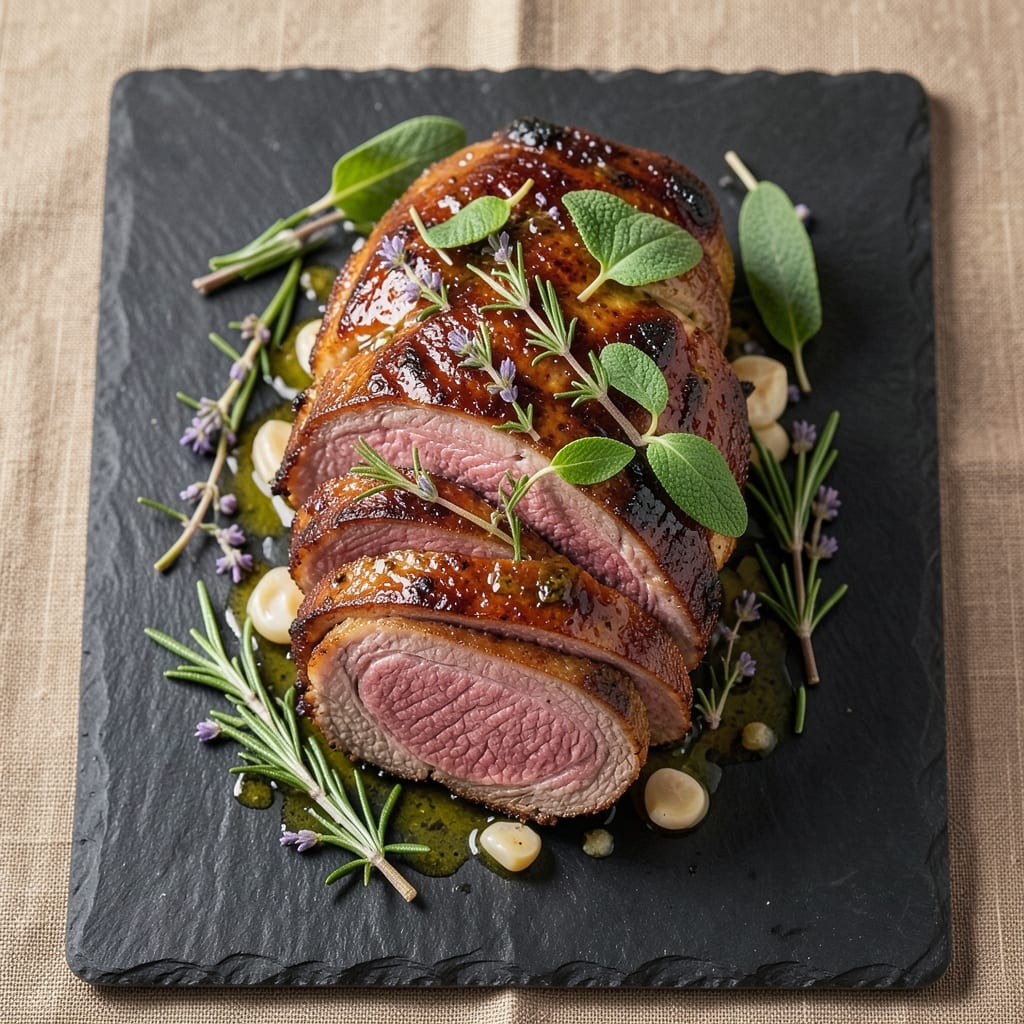
This 6lb beef tenderloin recipe delivers a showstopping centerpiece that’s tender, juicy, and perfectly cooked to 145°F for medium-rare perfection. The secret lies in a herb-crusted exterior that seals in flavor while keeping the interior melt-in-your-mouth. I’ve refined this technique over years of hosting dinner parties—every bite earns rave reviews, and the leftovers (if there are any) are just as impressive the next day.
What sets this recipe apart is the foolproof method for even cooking: a dry brine enhances tenderness, while precise searing and roasting ensure a golden crust without overcooking. The 145°F core temperature guarantees a safe yet luxurious result, and the resting period locks in juices for maximum flavor. No guesswork—just restaurant-quality precision at home.
By the time you serve this masterpiece, your guests will be impressed by the rich, beefy aroma, the crispy herb crust, and the perfectly pink center. The technique is simpler than it sounds, with minimal prep and one-pan ease—ideal for special occasions or when you want to impress without stress. Pair it with roasted vegetables or a red wine reduction for the full experience.
This isn’t just a recipe; it’s a confidence-booster for home cooks. The herb crust adds depth, the searing technique creates caramelized flavor, and the resting step ensures every slice is juicy and tender. Whether you’re grilling, roasting, or broiling, this method delivers foolproof results every time. Let’s get started—your dinner guests will thank you.
Ingredients for 6lb beef tenderloin
Six pounds of premium beef and seven aromatic herbs create this restaurant-worthy centerpiece.
| Ingredient | Amount | Notes |
|---|---|---|
| Beef Tenderloin (Center-Cut) 🥩 | 6 lb | Trimmed of silver skin, chilled |
| Kosher Salt (Diamond Crystal) 🧂 | 1 ½ tbsp | For dry brine, coarse grain |
| Fresh Thyme Sprigs 🌿 | 4 whole | Stems removed, leaves finely chopped |
| Fresh Rosemary Sprigs 🌿 | 2 whole | Needles finely chopped, stems discarded |
| Fresh Sage Leaves 🌿 | ½ cup | Chopped, stems removed |
| Garlic Cloves 🧄 | 8 cloves | Peeled, minced into paste |
| Extra-Virgin Olive Oil 🫒 | ¼ cup | High-quality, fruity variety |
| Black Peppercorns 🌶️ | 1 ½ tbsp | Freshly cracked, coarse grind |
| Unsalted Butter (European-Style) 🧈 | ½ cup | Cold, cubed for crust |
| All-Purpose Flour 🌾 | ¼ cup | For herb crust adhesion |
| Vegetable Oil (High Smoke Point) 🫒 | ½ cup | For searing pan preparation |
| Red Wine (Dry, Bold) 🍷 | ½ cup | Cabernet Sauvignon preferred |
| Beef Bone Broth 💧 | ½ cup | Low-sodium, for basting |
The beef tenderloin is non-negotiable here—center-cut ensures maximum tenderness, while 6 pounds feeds a crowd with generous portions. Source from a reputable butcher or high-end grocery like Whole Foods or Wegmans, where they can trim the silver skin for you. If buying whole, ask for the thickest end of the tenderloin to ensure even cooking. The herbs should be vibrant green, not wilted—farmers markets often have fresher selections than grocery stores. For the garlic, peel and crush it into a paste with a pinch of salt to maximize flavor infusion during the dry brine.
No fresh thyme? Dried thyme at one-third the amount works, but fresh is ideal for that bright herbaceous note. Substitute rosemary with fresh oregano if needed, though the piney aroma is signature here. The red wine can be swapped for beef broth with a splash of balsamic vinegar—just ensure it's dry and bold. For the butter, European-style (like Plugrá) has higher fat content for better crust formation. If your flour is old, toast it lightly in a dry pan for 30 seconds to revive its binding properties. The vegetable oil should have a smoke point above 400°F—avoid olive oil for searing.
Prep the tenderloin 24 hours ahead—the dry brine transforms texture dramatically. Wrap the brined tenderloin in plastic and refrigerate until ready to cook. The herb crust components can be mixed 1 hour before searing and stored in the fridge. Once cooked, let the tenderloin rest 15-20 minutes before slicing—this critical step prevents juices from pooling on the cutting board. Leftovers keep 3-4 days in the fridge or 3 months frozen when properly wrapped. For reheating, use low heat in a skillet with a splash of broth to maintain moisture.
Why You'll Love This Recipe
- I swear by this method: just salt, herbs, and a roast. No brining, no marinating—just a quick rub of kosher salt and those fresh thyme and rosemary sprigs tucked into the seams. Honestly, it takes less time to tie up the twine than it does to argue with my kids about bedtime.
- No-Fuss Prep: I swear by this method: just salt, herbs, and a roast. No brining, no marinating—just a quick rub of kosher salt and those fresh thyme and rosemary sprigs tucked into the seams. Honestly, it takes less time to tie up the twine than it does to argue with my kids about bedtime.
- Herb-Crusted Magic: That rosemary and sage? They don’t just flavor—they create this earthy, aromatic crust that’s so addictive, I’ve caught myself sneaking slices straight from the pan. The tenderloin stays juicy inside while the outside gets just enough char to make it unforgettable.
- Leftovers That Don’t Suck: Between us, most beef tenderloin leftovers turn into sad, dry sandwiches. Not this one. The way it slices means I can repurpose it into sliders, grain bowls, or even a fancy charcuterie board for days. (Yes, even on a Tuesday night.)
Step-by-step instructions for herb-crusted beef tenderloin
Master this technique and you'll achieve a perfectly tender, herb-infused center-cut roast with a golden crust every time.
Prepare the Dry Brine and Herb Paste
Remove the beef tenderloin from the refrigerator and pat it completely dry with paper towels, especially focusing on the silver skin area. In a small bowl, combine the chopped fresh thyme leaves, chopped rosemary needles, chopped sage leaves, minced garlic cloves, extra-virgin olive oil, and cracked black peppercorns. Mix thoroughly to create a vibrant herb paste.
Generously coat the entire surface of the beef tenderloin with the herb paste, pressing it into the meat to ensure even distribution. Then, apply the kosher salt evenly over the entire surface, making sure to get into all the crevices. Place the seasoned tenderloin on a wire rack set over a baking sheet and refrigerate uncovered for 24 hours. This dry brining process ensures maximum flavor penetration and a perfect crust.
Create the Herb Butter Crust
Remove the beef tenderloin from the refrigerator and let it sit at room temperature for 1 hour before cooking. In a small bowl, combine the cold cubed unsalted butter with the all-purpose flour. Using your hands, mix until the butter and flour form a coarse, crumbly texture that will adhere to the meat.
Gently press this herb butter mixture over the entire surface of the beef tenderloin, covering it completely. The butter will melt slightly and create a flavorful crust as it cooks. Return the prepared tenderloin to the refrigerator and let it rest for an additional 30 minutes before cooking to help the crust adhere properly.
Sear the Tenderloin for Maximum Flavor
Preheat your oven to 425°F. Heat a heavy oven-safe skillet over medium-high heat and add the vegetable oil. Once the oil is shimmering, carefully place the beef tenderloin in the skillet. Sear it for 4-5 minutes per side until it develops a deep golden-brown crust. This searing step is crucial for building flavor and creating that beautiful crust.
Transfer the skillet to the preheated oven and continue roasting for 15-20 minutes. Then, reduce the oven temperature to 325°F and continue cooking until the internal temperature reaches 145°F when measured with a meat thermometer. This should take approximately 20-25 minutes more, depending on your oven's performance.
Baste and Finish with Red Wine Reduction
Remove the beef tenderloin from the oven and transfer it to a cutting board. Let it rest for 15-20 minutes before carving. While it rests, return the skillet to the stovetop over medium heat and add the red wine. Deglaze the pan, scraping up all the browned bits from the bottom with a wooden spoon. Simmer until the wine reduces by half, about 3-4 minutes. Then, add the beef bone broth and simmer for an additional 2 minutes to create a flavorful pan sauce.
Slice the beef tenderloin into 1-inch thick medallions and serve immediately with the reduced wine sauce spooned over the top. The internal temperature should rise to 150°F during resting, resulting in perfectly tender meat with a beautiful herb crust. Each slice should be juicy and infused with the flavors of thyme, rosemary, sage, and garlic.
Pro Tips For Making 6lb Beef Tenderloin
- USE A MEAT THERMOMETER: I learned this the hard way—guessing doneness on a 6lb tenderloin leads to either dry disappointment or sad, overcooked meat. For medium-rare, pull it at 120°F internal temp (yes, even though it’ll rise to 125°F while resting). No excuses, no second chances.
- SALT THE MEAT 24 HOURS EARLY: Diamonds (Crystal salt) cling differently than table salt, so don’t skimp—1 tbsp per pound (6 tbsp total) spread evenly before you even think about searing. The salt breaks down the proteins and makes the crust crispier. (I know, I know—you’re eager to cook it now, but trust the process.)
- DON’T CROWD THE PAN: A 6lb roast is huge—sear it in batches if your pan isn’t massive enough. Overcrowding steams the meat instead of browning it, and you’ll end up with sad, gray edges. Start with high heat, then move pieces around like you’re playing Tetris.
- MAKE A BUTTER BASIL SAUCE: Skip the dry herb rub on the meat (it burns too fast) and save those thyme, rosemary, and sage sprigs for a quick post-roast sauce: melt ½ cup butter, add the herbs, a splash of red wine, and a pinch of salt. Swirl it around the plate—instant restaurant-worthy drizzle. (Yes, even if you’re serving it to your picky uncle.)
Regional styles of these flavors
French Classic Style
In France, beef tenderloin is often prepared with a dry herb crust and served with a red wine reduction, much like this recipe. The French technique emphasizes low-and-slow roasting at 325°F to achieve perfect medium-rare doneness, paired with a béarnaise sauce or mushroom duxelles. I love adding shallots to the herb paste for extra depth—just 2 tbsp finely minced—and finishing with a touch of Dijon mustard in the sauce. 🍷
Texas BBQ Twist
Texas chefs take tenderloin to the next level by smoking it over post oak for a bold, charred crust while keeping the interior tender. After searing, transfer the tenderloin to a smoker at 225°F for 1.5-2 hours until it hits 145°F. Brush with a spiced beef butter (mix ½ cup melted butter with 1 tbsp smoked paprika and 1 tsp cayenne) during the last 30 minutes. Serve with grilled corn on the cob and smoked brisket for a true Texas feast. 🔥
Italian Herb-Crusted
For an Italian touch, replace the butter crust with a rosemary and garlic breadcrumb mix. Toast ½ cup breadcrumbs with 2 tbsp olive oil, 2 minced garlic cloves, and 1 tbsp chopped rosemary until golden. Press this mixture onto the tenderloin before roasting. Pair with a white wine reduction (use ½ cup dry Pinot Grigio) and serve with creamy polenta or roasted asparagus. The Italians call this "Bistecca alla Milanese"—just swap the veal for beef! 🌿
Japanese Mise en Place
Japanese chefs focus on precision and presentation. After searing, they finish the tenderloin in a hot cast-iron skillet with 1 tbsp soy sauce and 1 tsp mirin for a glazed crust. Serve thinly sliced (½-inch thick) with steamed jasmine rice and quick-pickled cucumbers. For extra flair, add 1 tsp grated ginger and 1 tsp sesame seeds to the herb paste. The contrast of umami and herbaceous notes is pure perfection. ✨
Southern U.S. Comfort
In the South, tenderloin is often basted with bourbon for a rich, smoky flavor. After searing, brush the tenderloin with ¼ cup bourbon (like Maker’s Mark) every 15 minutes during roasting. Deglaze the pan with ½ cup apple cider instead of wine for a caramelized sauce. Serve with mashed sweet potatoes and collard greens for a hearty, comforting meal. The bourbon adds a warm, vanilla-like depth that pairs beautifully with the herbs. 🥃
Nutrition facts
Frequently asked questions
How long should I let a 6lb beef tenderloin rest before slicing?
Always allow the tenderloin to rest for 15-20 minutes after removing it from the oven. This crucial step lets the juices redistribute throughout the meat, preventing them from pooling on your cutting board. Pro tip: Tent loosely with foil and place on a warm plate to maintain temperature during resting.
Can I cook a 6lb beef tenderloin in a conventional oven instead of an oven-safe skillet?
Yes! If you don't have an oven-safe skillet, transfer the seared tenderloin to a roasting pan or baking sheet. Place it on a wire rack to ensure even air circulation. The cooking times will remain the same, but you may need to baste with pan juices every 15 minutes for extra flavor.
What's the best way to store leftovers from a 6lb beef tenderloin?
Slice the cooled tenderloin and store in an airtight container with a layer of beef bone broth or pan sauce at the bottom. Refrigerate for up to 3-4 days or freeze for 3 months. To reheat, warm gently in a skillet with a splash of broth to maintain moisture—never microwave directly.
How do I adjust the cooking time if my oven runs hot or cold?
Use an oven thermometer to check your oven's accuracy. If it runs hot, reduce the temperature by 25°F and check the internal temp 5 minutes early. For cold ovens, increase by 25°F and monitor closely. The key is hitting 145°F internal temp—don't rely solely on time.
Can I substitute the red wine reduction with something else?
For a non-alcoholic version, use ½ cup beef broth + 1 tbsp balsamic vinegar. For extra richness, try ½ cup chicken stock + 1 tbsp Worcestershire sauce. Just ensure you deglaze the pan thoroughly to capture all the flavorful browned bits.